





Antique Vegetable Dish
When you search for an antique vegetable dish, you encounter covered tureens and serving dishes in silver plate, porcelain, and earthenware from the Georgian, Regency, and Victorian periods.

Antique Vegetable Dish
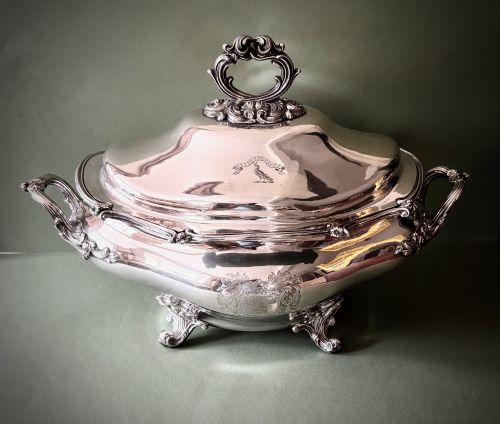
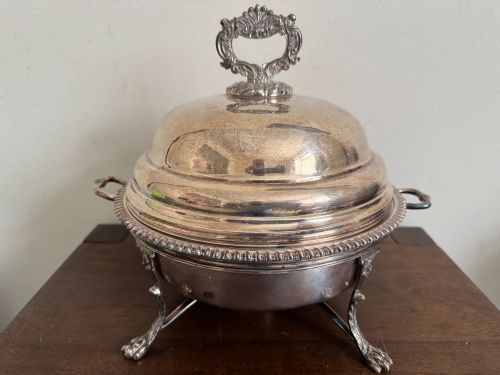
An antique vegetable dish primarily takes the form of a lidded tureen, serving dish, or entree dish designed for the formal dining table. These pieces originate from periods spanning the 18th century through the Edwardian era, encompassing both British workshops and continental or Chinese export makers.
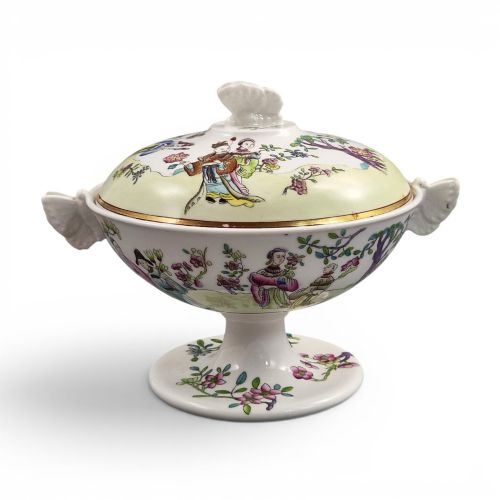
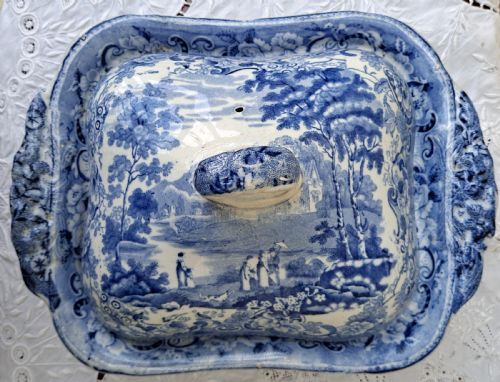
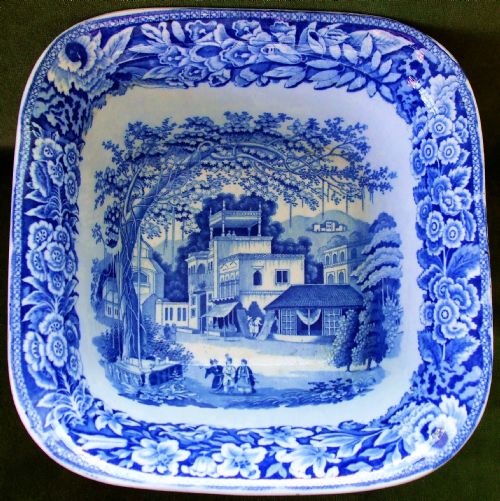
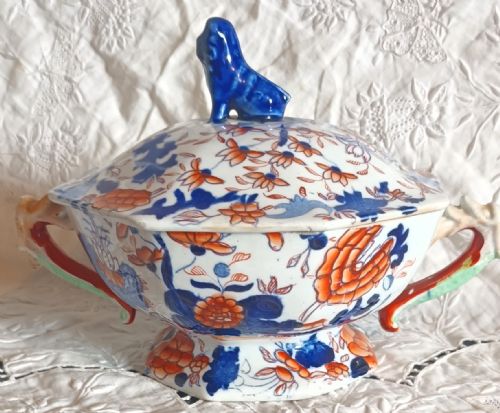
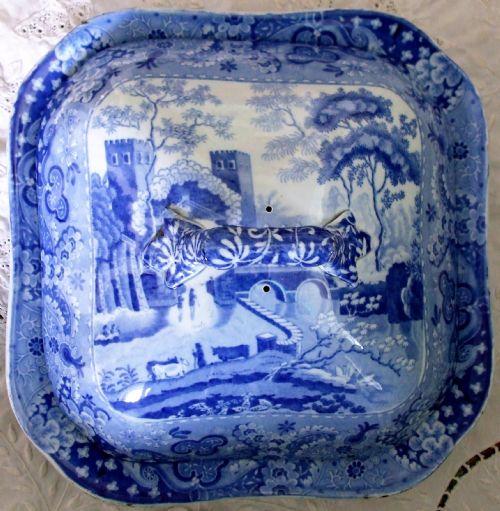
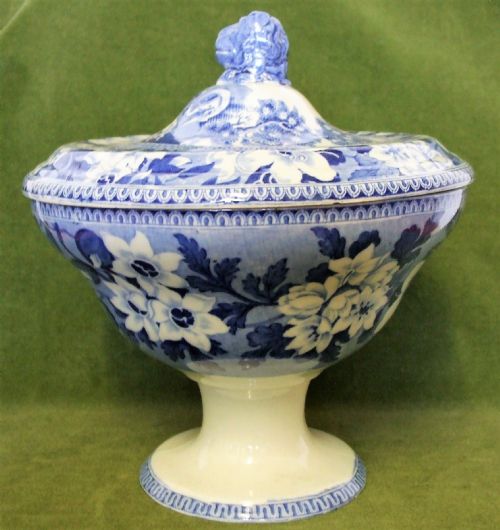
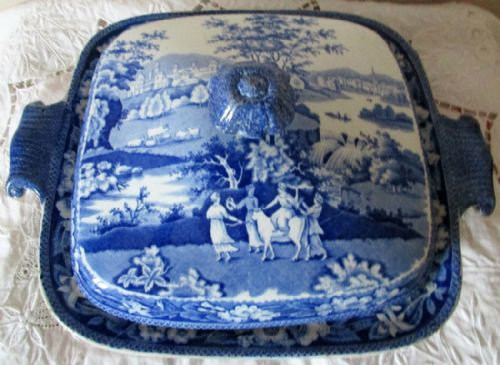
The most common versions met on this page are Edwardian silver plated entree dishes and 19th-century earthenware or ironstone tureens decorated with blue and white transfer prints. Buyers also frequently encounter porcelain examples from factories such as Worcester, Spode, and Mason's.
Serving pieces range from single lidded vessels to multi-piece sets with stands, ladles, and warmers. Their primary historical function was the presentation and heat retention of vegetables and side dishes during large communal meals.
How they were made
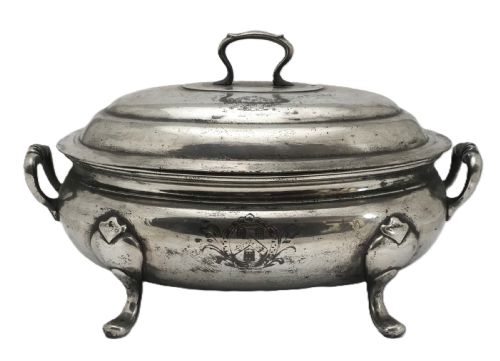
Silver plate and sterling silver items utilise heavy metal forming techniques, often featuring Old Sheffield Plate or plated copper bases finished with applied borders and cast handles. Silversmiths constructed these vessels to withstand frequent polishing and the demands of heavy dining use.
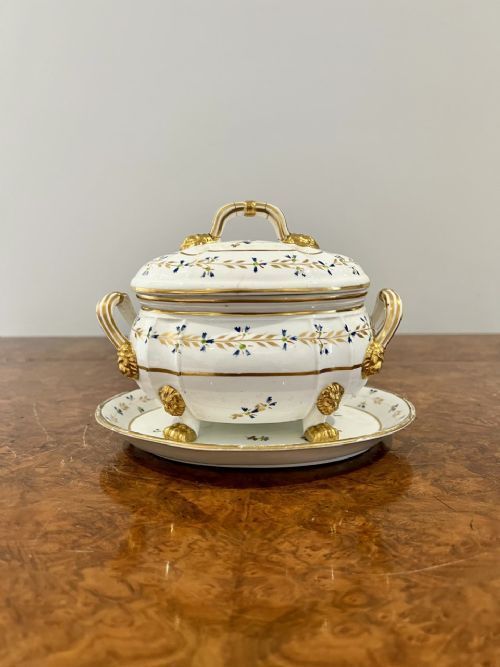
Ceramic pieces combine earthenware, ironstone, or porcelain bodies with applied glazes and transfer-printed or hand-painted decoration. Factories applied cobalt blue underglazes or polychrome enamels, sometimes heightening the details with gold leaf before high-temperature firing.
Listings feature silver plate, ironstone, and porcelain materials across Georgian, Regency, and Victorian periods.
What varies in quality
The crispness of the casting and the weight of the metal distinguish superior silver plated entree dishes from standard production pieces. Finer metalwork displays sharply defined crests, clean engraving, and substantial base metal beneath the plating.
In ceramics, quality rests in the clarity of the transfer print, the purity of the porcelain or ironstone body, and the precision of hand-painted enamel and gilding. Pieces bearing the marks of established manufacturers or specific period patterns demonstrate greater refinement in design and execution.
James Wallace and Company·J and R Riley·J and R Clews·John Rogers and Son·Coalport·Coalbrookdale·Crown Derby·Flight Barr and Barr·Mappin and Webb·Hamilton and Inches·Doulton Burslem·Tiffany and Co
The Antique Vegetable Dish Glossary
- Tureen
- A deep covered bowl used for serving soups, sauces, or vegetables at the table. These vessels usually include a matching lid and sometimes rest on an integrated stand.
- Ironstone
- A dense, durable type of earthenware patented in the 19th century. It resists chipping and provided a sturdy white body well-suited for transfer-printed dinner services.
- Old Sheffield Plate
- An early form of composite metal made by fusing a thin sheet of sterling silver to a thicker copper base. This technique was widely utilised before the invention of electroplating.
- Transfer Print
- A decoration method where an engraved copper plate transfers a design onto tissue paper, which is then pressed onto the ceramic body before glazing and firing.
- Entree Dish
- A shallow rectangular or oval lidded dish created to hold side dishes or secondary courses. They frequently feature removable handles to allow the base to double as an open serving tray.
Antique Vegetable Dish: Frequently Asked Questions
What is an antique vegetable dish used for?
These vessels were designed to keep vegetables warm and present them at the dining table during multi-course meals. The fitted covers helped retain heat until food was served.
Today, collectors utilise them as decorative serving pieces, display items, or practical tableware for modern dinner parties.
How do I clean silver plated tureens?
Wash silver plated items gently in warm water using a mild, non-abrasive detergent and a soft cloth. Avoid harsh scouring pads that can wear away the thin silver layer.
Dry the metal thoroughly immediately after washing to prevent water spots and tarnishing over time.
Can I use antique porcelain for serving food?
Most antique ceramic and porcelain dishes remain food-safe if cleaned properly, though older glazes can sometimes be sensitive to modern detergents. Hand washing is strongly recommended to protect fragile surfaces and historic gilding.
Avoid thermal shock by not exposing cold porcelain to boiling water or placing pieces in a microwave.
How do I date an ironstone tureen?
Makers' marks stamped or printed on the base provide the most reliable evidence for dating ceramic pieces. The style of the transfer print and the registry marks also indicate the specific decade of manufacture.
Comparing the pattern name against historical factory records helps narrow down the production period.