


Antique Masons Pottery
Antique masons pottery brings sturdy ironstone vessels and vibrant hand-painted patterns straight into daily service.
Antique Masons Pottery
When you search for antique masons pottery, you encounter robust tableware and decorative vessels designed for both display and utility. The selection spans 19th-century pieces, Edwardian examples, and Regency creations.
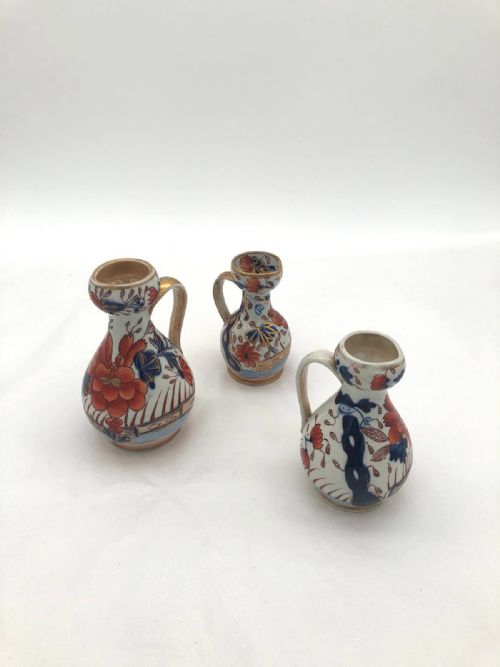
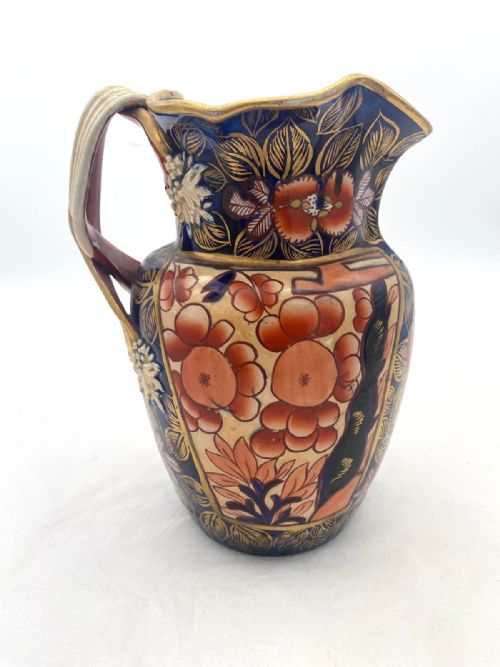
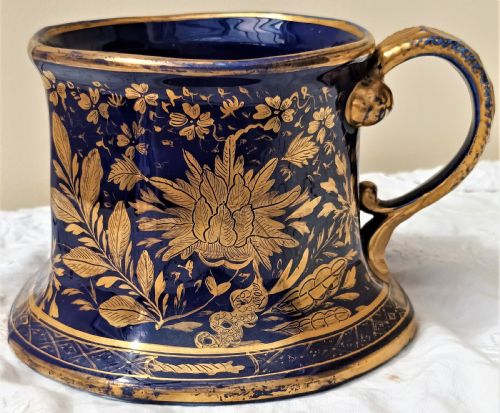
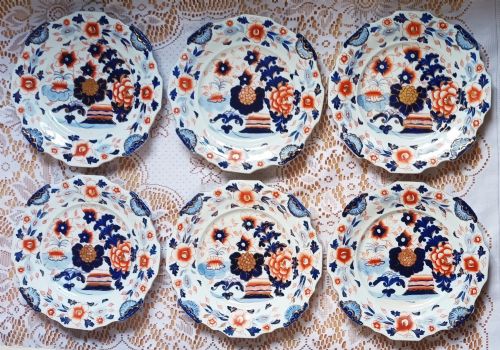
You meet practical items such as mugs, tankards, soup bowls, serving dishes, and asparagus dishes. Larger display items like hall vases, chargers, and lidded vases also appear regularly across these periods.
The dominant material throughout these listings is ironstone, often finished with detailed patterns that draw upon Georgian, Victorian, and Regency tastes.
How they were made
Potters utilised durable ironstone and ceramic bodies to form heavy, resilient vessels capable of withstanding heavy daily use. This dense ceramic provided a stable foundation for intricate surface decoration.
Artisans applied hand-painted enamel colours alongside blue and white transfer printing to build up complex motifs. Many pieces incorporate gold leaf, gilding, and gilt accents to highlight borders and focal points beneath a protective glaze.
Several jugs arrive ready to pour tea, while others wait patiently to house your asparagus.
What varies in quality
The clarity and registration of transfer-printed designs set basic wares apart from finer examples. Crisp lines in patterns like the Schoolhouse or Japan designs indicate careful plate application and skilled firing.
Hand-painted enamel work and the application of gold leaf introduce another layer of distinction. Skilled brushwork on exotic bird motifs, Chinoiserie scenes, and Imari patterns commands greater attention than simpler monochrome transfer work.
Miles Mason·Mason
The Antique Masons Pottery Glossary
- Ironstone
- A dense, heavy type of ceramic patented to resist chipping and cracking better than traditional earthenware. It forms the structural core of nearly all pieces in this category.
- Chinoiserie
- A European artistic style reflecting Chinese motifs and landscapes. This style appears frequently on vases, plates, and jugs across Regency and Victorian pieces.
- Comport
- A decorative footed dish or bowl used for serving fruit or sweetmeats at the table. These elevated pieces often feature rich enamel patterns and gilt highlights.
- Charger
- A large ornamental plate utilised primarily for presentation or serving large courses. They often display vibrant orange grounds or oriental-style scenes.
- Porringer
- A small, handled bowl used historically for porridge, broth, or soft foods. These vessels represent the more domestic side of ironstone production.
Antique Masons Pottery: Frequently Asked Questions
Can I use these plates for dining?
Many 19th-century plates and serving dishes remain structurally sound for occasional dining use. Check the surface for deep crazing or staining that might absorb food oils over time.
Pieces featuring heavy gold leaf or delicate enamel work are generally better reserved for display or light service.
What does Japan pattern mean?
The Japan pattern refers to decorative schemes inspired by Imari porcelain imported from Japan through European trade routes. These designs typically feature rich cobalt blue, iron-red, and gilt detailing.
Potters applied these vibrant motifs extensively across plates, chargers, and service dishes during the Georgian and Victorian eras.
How do I date a piece?
Dating relies on examining the factory marks stamped or printed on the underside, alongside the stylistic markers of the period. Regency pieces often show neoclassical influences, while Victorian items lean towards busier Chinoiserie or Imari styles.
Comparing pattern names and ceramic weights against known archive examples helps narrow down the decade of production.