


Cobalt Blue Tureen
These cobalt blue tureen pieces bring rich indigo depth and functional elegance to the table, making them sought-after centrepieces for any traditional dining room.
Cobalt Blue Tureen
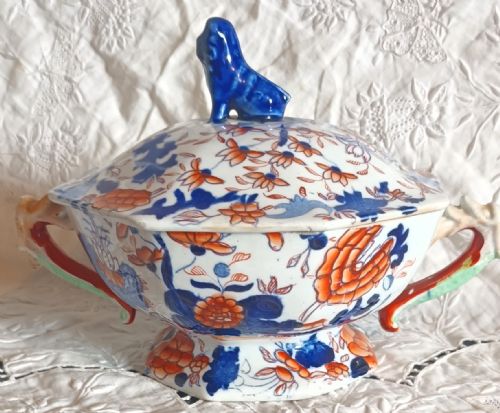
A cobalt blue tureen serves as a deep vessel for presenting soups, vegetables, or sauces at the dining table, combining practical utility with striking visual presence. When exploring this selection, buyers encounter pieces originating from the eighteenth and nineteenth centuries, including Georgian and Regency eras.
The assortment spans English ironstone and porcelain alongside Chinese export wares, offering various forms such as soup tureens, vegetable servers, and smaller sauce vessels. These pieces reflect historical dining traditions where grand serving dishes formed the centrepiece of elaborate meals.
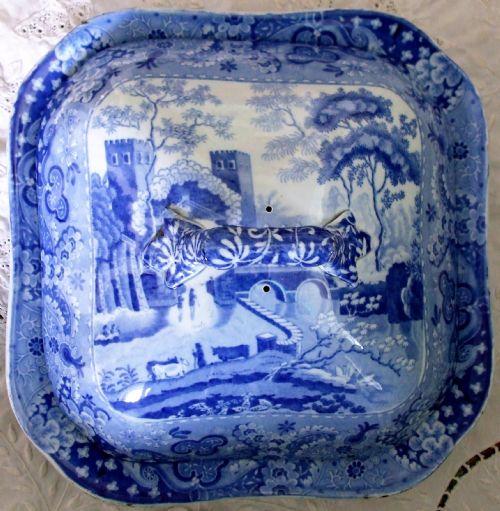
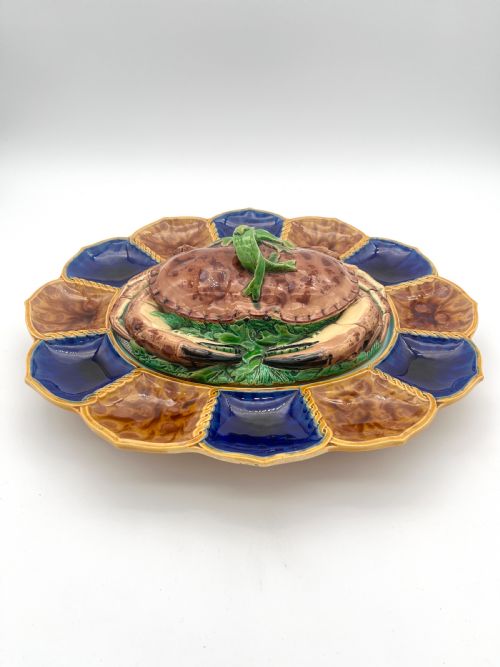
Examples range from transfer-printed earthenware and flow blue designs to hand-painted Chinese porcelain and majolica models. Each style captures the enduring appeal of deep blue decoration on ceramic bodies.
How they were made
Potters shaped these vessels from ironstone, porcelain, and earthenware before applying cobalt pigments beneath or over the glaze. This mineral colour withstands high firing temperatures, producing the intense blue tones characteristic of these wares.
Many items incorporate transfer-printing techniques to transfer detailed scenes onto the ceramic body, while others receive hand-painted brushwork or gilded highlights in gold leaf. Glazing seals the surface, giving the ware a glossy finish that protects the blue pigment.
Even crabs found their way onto the Victorian dining table, immortalised in glossy majolica as snapping seafood tureens.
What varies in quality
The sophistication of the cobalt application and the crispness of the transfer or hand-painted details define the upper tier of these pieces. Deeper, more uniform colour saturation and finely modelled handles or covers distinguish superior examples from standard production.
The integrity of the ceramic body and the presence of matching stands or original covers significantly influence the character of the piece. Makers who employed refined ironstone or porcelain achieved a finer weight and sharper moulding in their serving vessels.
Mason's Ironstone·J. and R. Clews·Mintons·Chamberlain Worcester·Copeland and Garrett·Coalbrookdale
The Cobalt Blue Tureen Glossary
- Ironstone
- A dense, durable type of earthenware patented in the nineteenth century to imitate Chinese porcelain while offering robust utility for heavy dining service.
- Transfer printing
- A method of applying intricate decorative patterns to ceramics by engraving a design on a copper plate, printing it on tissue paper, and transferring it onto the unglazed or bisque body.
- Flow blue
- A nineteenth-century ceramic technique where the cobalt blue pigment intentionally blurred or bled into the surrounding white glaze during the firing process.
- Chinoiserie
- A European artistic style reflecting Chinese motifs and imaginary landscapes, frequently rendered in cobalt blue on English pottery and porcelain.
- Majolica
- A colourful, lead-glazed earthenware pioneered in the Victorian era, often moulded into naturalistic forms such as crabs, leaves, or vegetables.
Cobalt Blue Tureen: Frequently Asked Questions
What was a cobalt blue tureen used for?
These vessels were designed for serving soups, broths, sauces, or vegetables at the dining table during formal meals. Their deep bowls kept food warm while the matching covers retained heat between courses.
Beyond dining use, their striking cobalt decoration allowed them to function as decorative centrepieces on sideboards when not serving food.
How do I date a nineteenth-century tureen?
Dating relies on examining the specific ceramic body, such as heavy ironstone versus delicate porcelain, alongside any maker's marks stamped or printed on the base. Stylistic clues like Georgian proportions, Regency forms, or Victorian majolica moulding also point to specific decades.
Comparing pattern names and transfer styles with recorded factory production periods helps narrow the manufacturing window further.
Can I use these antique tureens for serving food?
While these pieces were originally created for culinary service, older ceramics with historic glazes are generally best reserved for display or dry presentation. Hand-washing is essential if they are used, as modern dishwashers can damage nineteenth-century glazes and gold leaf.
Careful handling protects the earthenware or ironstone bodies from modern thermal and physical shocks.
How do Chinese export pieces differ from English versions?
Chinese export items from the eighteenth century typically feature hand-painted cobalt blue designs on fine porcelain, reflecting Qianlong period aesthetics. English pieces from the nineteenth century more commonly utilise ironstone or earthenware with transfer-printed patterns.
Both traditions embrace blue and white decoration, but the paste, potting technique, and artistic motifs reveal their distinct geographical origins.