

English Transferware Pottery
English transferware pottery brings bold blue and white prints to the table, offering lasting ceramic charm.
What English Transferware Pottery Is
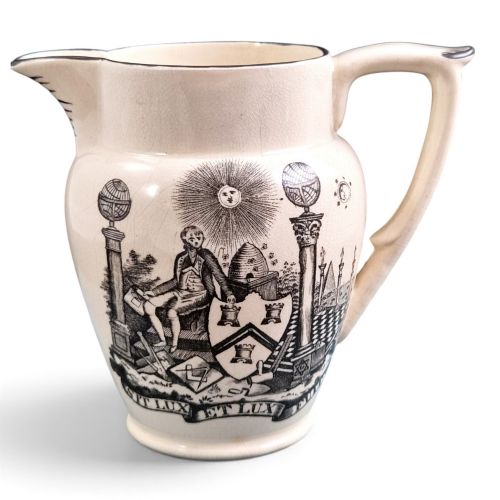
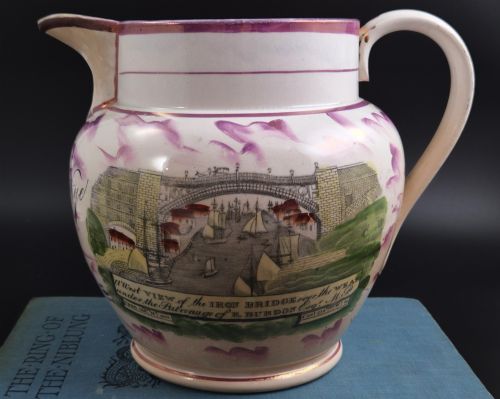
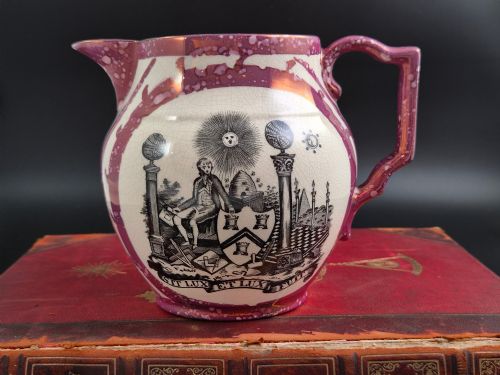
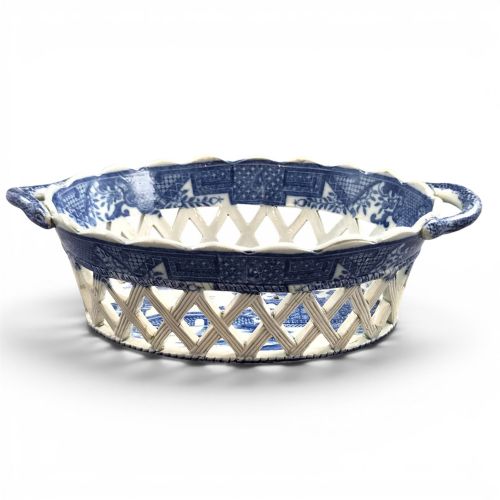
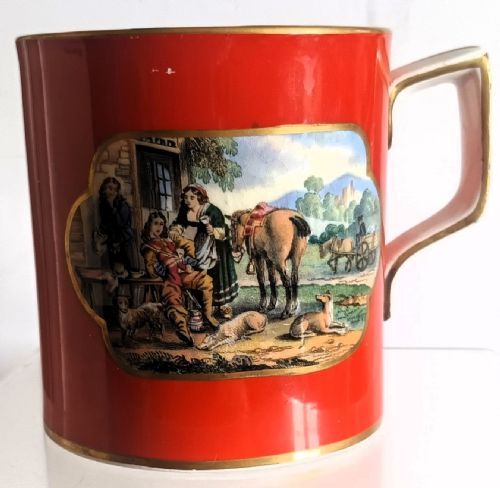
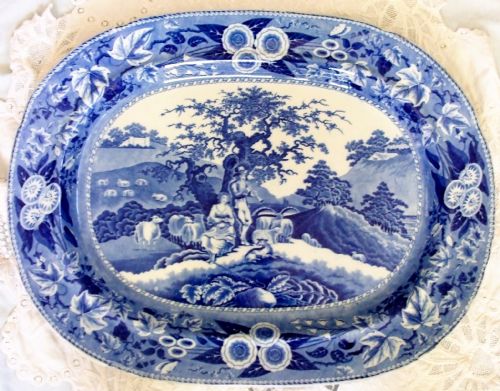
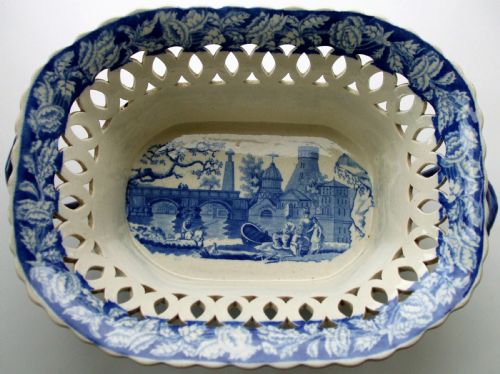
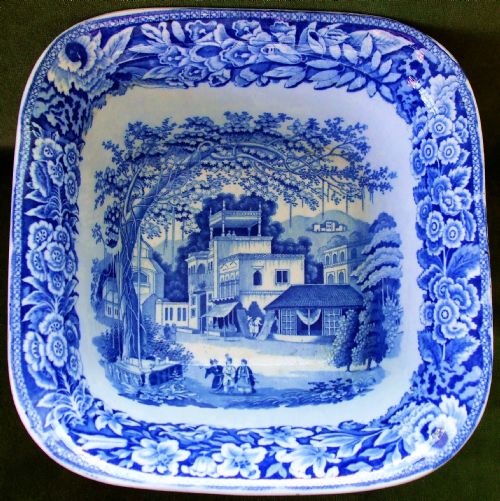
English transferware pottery comprises utilitarian and serving pieces decorated with detailed printed designs transferred from engraved copper plates. Buyers seeking english transferware pottery encounter serving vessels and table forms produced primarily during the Georgian and nineteenth century periods.
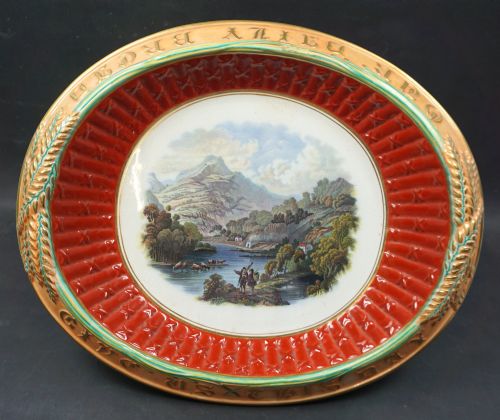
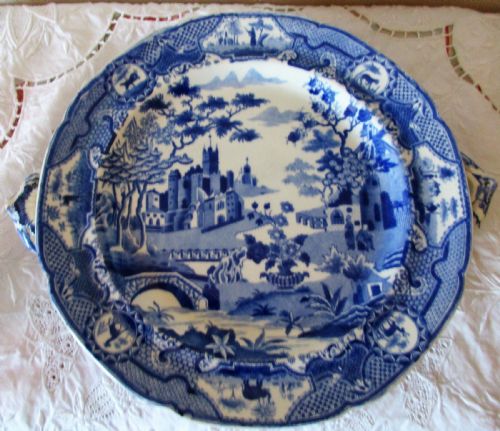
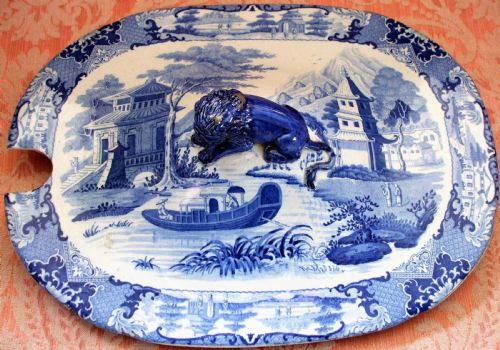
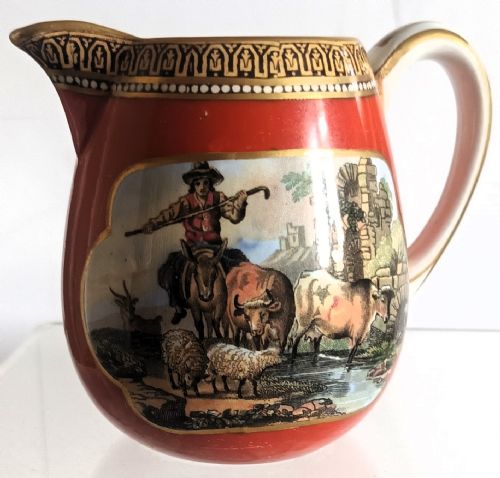
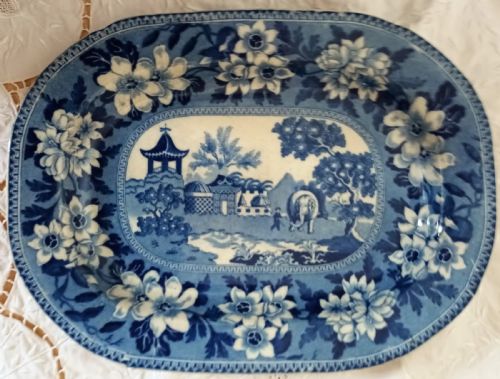
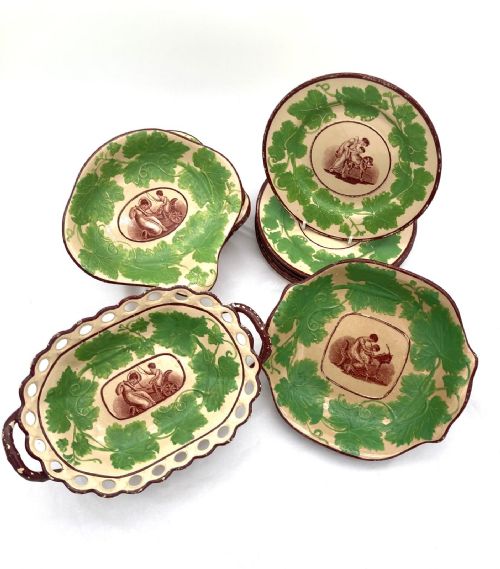
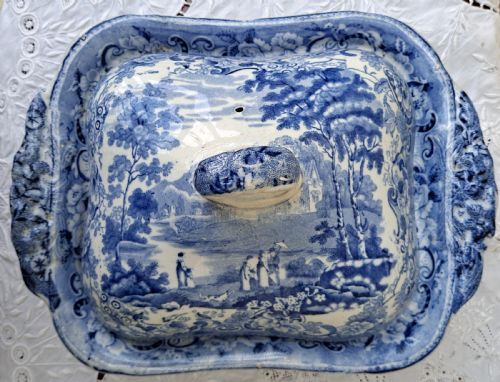
The inventory on this page centres on substantial serving items including lidded tureens, large pitchers, platters, and tazzas. These vessels showcase traditional blue and white colourways alongside pictorial patterns like the elephant and castle designs.
How They Were Made
Potters formed these items from earthenware and glazed pottery bodies, applying cobalt glaze decoration through the transfer printing technique. Skilled artisans transferred inked engravings from copper plates onto tissue paper and then onto the ceramic surface before firing.
The finished ceramic pieces received a protective transparent glaze sealing the cobalt blue design beneath the surface. This method allowed potteries to produce intricate pictorial scenes with consistent detail across multiple vessels.
Retail Price Guide 2026
Typical UK retail prices for english transferware pottery, calculated from the Sellingantiques database of over a million retail prices indexed since 2003. This retail price guide relies exclusively on Sellingantiques data; no external sources or auction records are used, so the figures do not describe the wider market.
Nineteenth century potters printed exotic elephants onto domestic tureens, bringing distant wildlife straight to the British dining table.
What Varies in Quality
Quality in these pieces rests upon the crispness of the transfer print and the balance of the ceramic form. Finer examples display sharp lines in complex pictorial scenes without blurring or smudging in the cobalt glaze.
The prestige of the producing pottery and the ambition of the pattern shape the standing of individual items. Well-modelled handles, proportioned lids, and substantial potting mark the upper tier of these earthenwares.
John Rogers and Son·Spode
The English Transferware Pottery Glossary
- Transferware
- Earthenware decorated by printing an engraved design from a copper plate onto paper and transferring it to the pottery body. This technique enabled factories to produce intricate patterns efficiently.
- Tureen
- A deep covered vessel used for serving soups or stews at the dining table. These large serving pieces often include matching ladles and platters.
- Tazza
- A shallow ornamental bowl raised on a foot or pedestal, used for serving food or displaying fruit. In these ceramics, they feature printed transfer decoration.
- Cobalt Glaze
- A metallic colouring oxide used to produce deep blue tones in ceramic decoration. It withstands high firing temperatures and remains stable under a clear glaze.
Frequently Asked Questions
What is transferware pottery?
Transferware pottery is ceramic ware decorated by transferring a printed design from an engraved copper plate onto the clay or glaze surface. This technique became the defining method for mass-producing patterned ceramics in nineteenth century England.
Items decorated this way include large platters, jugs, and tureens featuring intricate landscape, animal, or architectural scenes in blue and white.
How were these pieces used?
These vessels served functional roles in grand dining rooms and domestic kitchens for holding, pouring, and presenting food. Large jugs managed liquids while tureens and platters organised multi-course meals.
Today, collectors use these durable earthenware pieces as decorative accents or centrepieces within traditional and modern interiors alike.
How do I date Georgian pottery?
Dating Georgian ceramics relies on examining potting styles, ceramic bodies, and identifying maker marks stamped or printed into the base. The transition from earthenware to heavier ironstone and the evolution of blue and white patterns provide chronological clues.
Matching known patterns, such as specific castle or animal motifs, to documented pottery archives helps narrow the production era.
What is a tazza?
A tazza is a footed plate or shallow bowl designed for presenting food or sweetmeats during formal dining. In transferware pottery, these raised serving dishes combine practical form with elaborate pictorial borders.
They sit elevated above the table surface, making them focal points among matching tureens and platters.