

Georgian Serving Platter
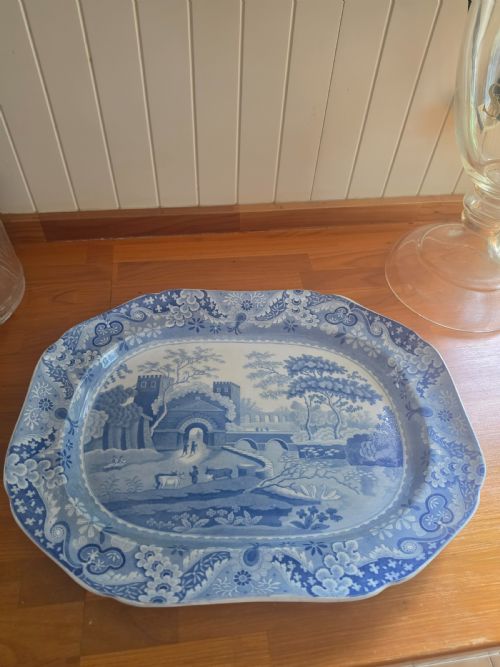
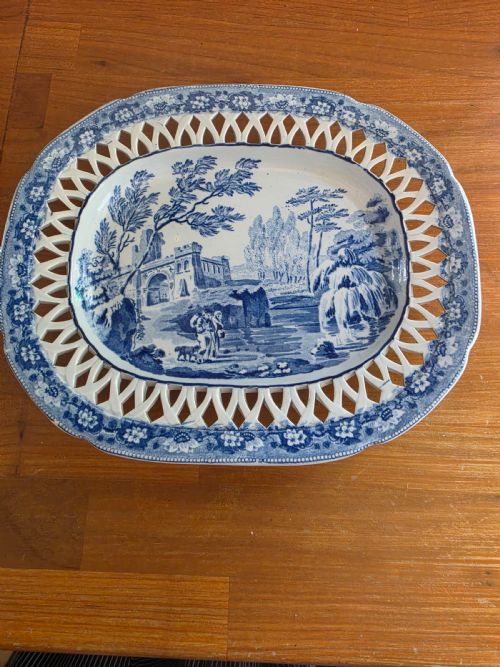
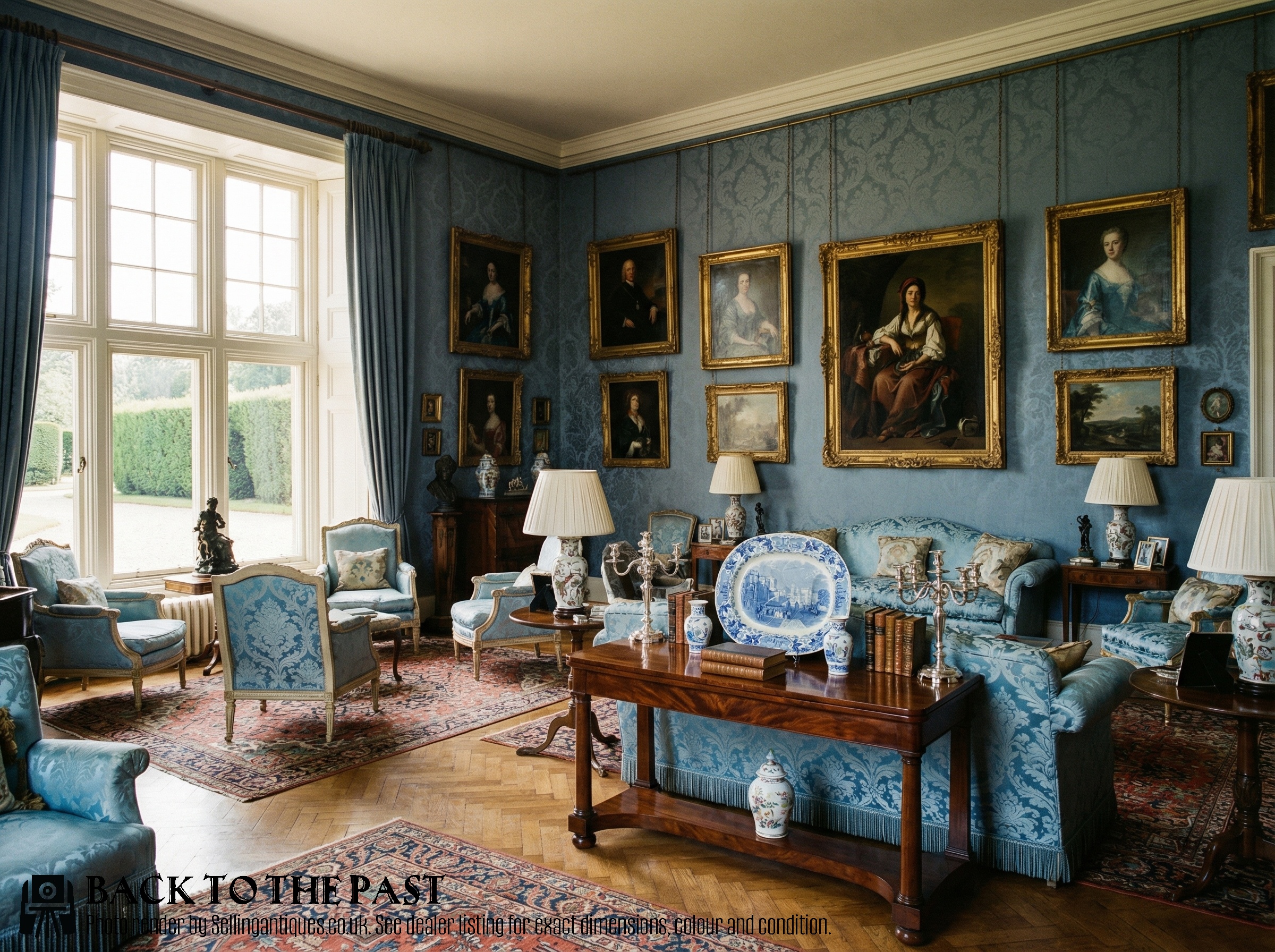
When you look for a georgian serving platter, you find durable earthenware, creamware, porcelain and turned mahogany pieces designed to anchor a dining table.
Georgian Serving Platter
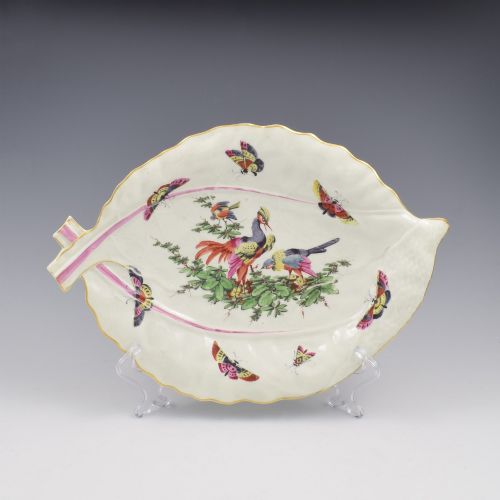
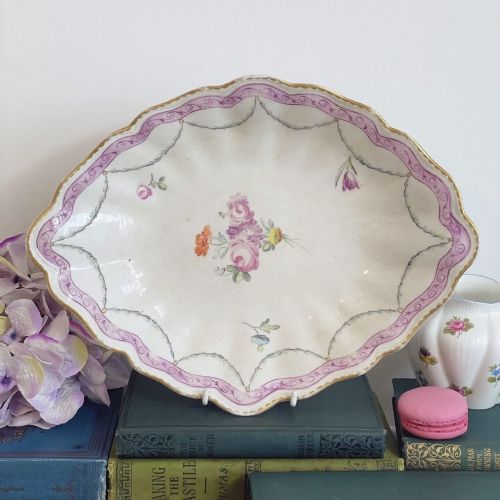
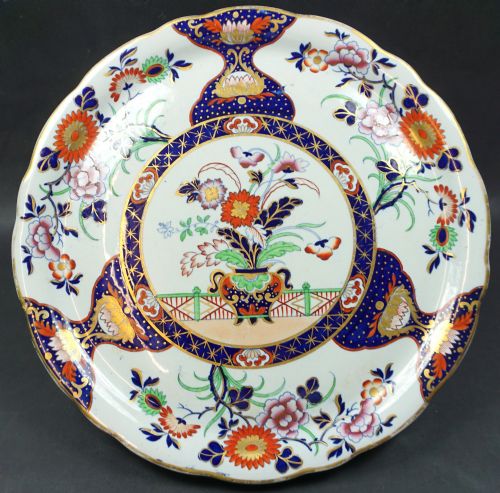
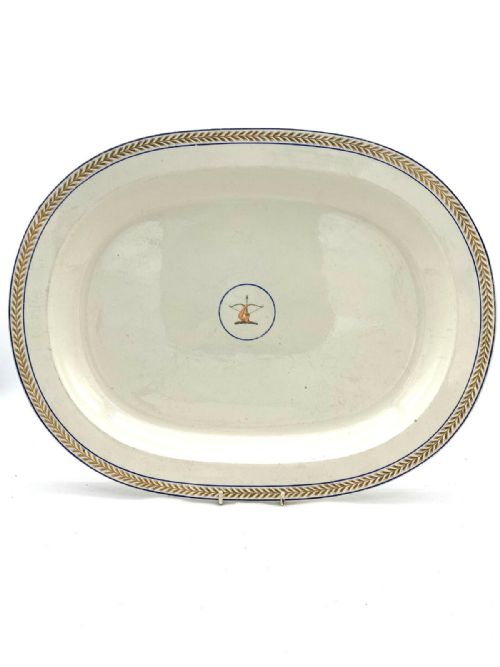
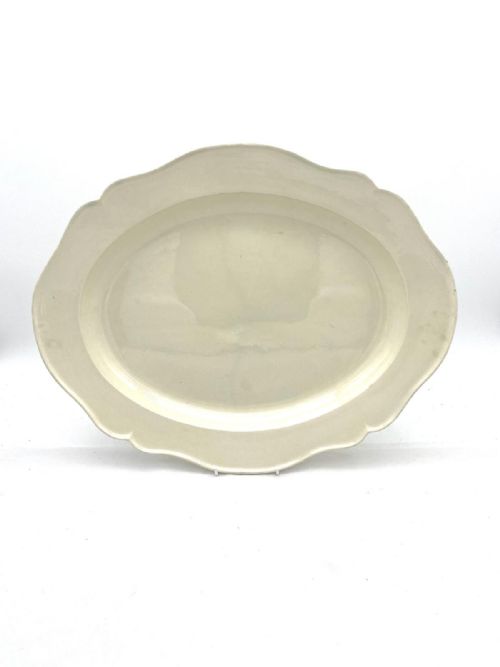
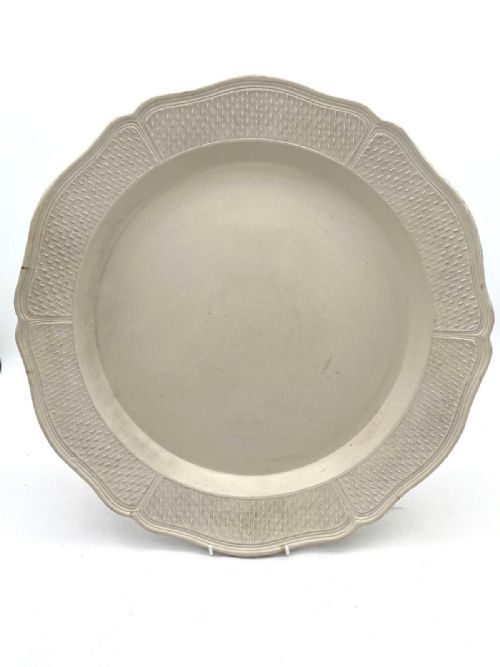
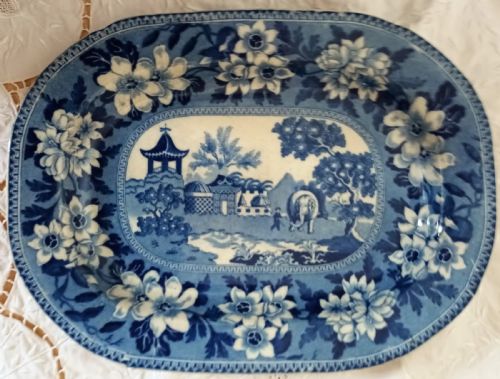
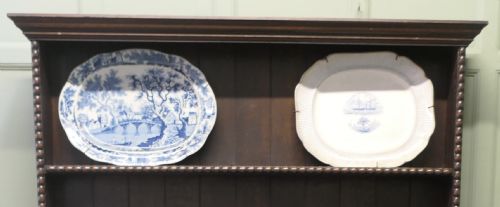
Makers and potteries from Staffordshire and beyond produced these serving dishes for domestic dining, incorporating detailed patterns such as net, elephant, and classical scenes. Buyers will encounter both deep oval meat plates and circular chargers intended for formal meals.
How they were made
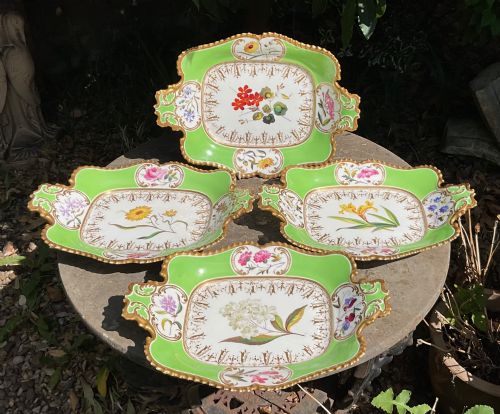
Potters shaped earthenware, creamware and porcelain bodies before applying hand-painted polychrome decoration or blue and white transfer printing under a clear glaze. Ironstone and saltglazed ceramic pieces received high-temperature firing to achieve a durable finish.
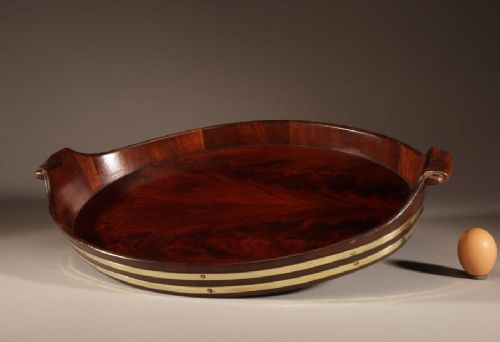
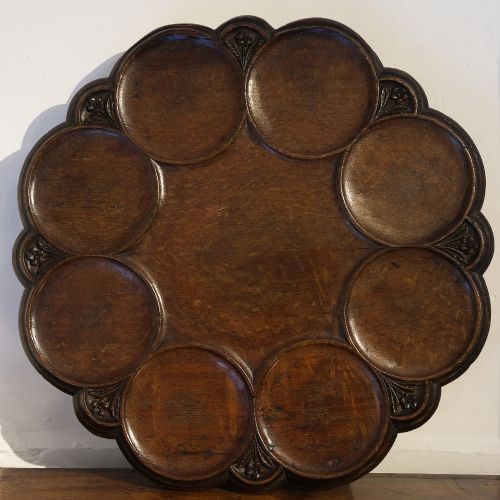
Woodworkers turned and coopered solid mahogany to construct trays, often incorporating brass handles or inlaid decoration. Pewterers cast metal plates and chargers in moulds before hammering the surfaces to final thickness.
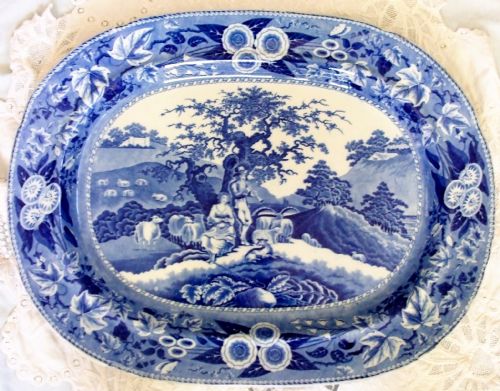
Several platters depict the exotic fauna of the East alongside very British sheep.
What varies in quality
The crispness of the transfer print and the uniformity of the glaze determine the visual success of ceramic platters. Hand-painted examples rely on the precision of the brushwork and the vibrancy of the polychrome palette.
For wooden trays, the quality rests on the selection of the timber grain, the tightness of the coopered joints, and the survival of the original brass mounts or gallery rails.
Chamberlains Worcester·Hicks And Meigh·John Rogers And Son·John Duncomb·Samuel Smith·Matthew Boulton·Robert Breading·Thomas Alderson·Wood And Michell·Herculaneum·Robert Hamilton Of Stoke
The Georgian Serving Platter Glossary
- Creamware
- A refined earthenware with a pale yellowish straw-coloured glaze developed in Yorkshire and Staffordshire during the eighteenth century.
- Transfer printing
- A method of applying detailed designs to pottery by engraving a copper plate, inking it, and transferring the image via tissue paper.
- Saltglazed stoneware
- A dense, hard pottery made by throwing salt into the kiln during the high-temperature firing, creating an orange-peel texture on the surface.
- Coopered
- Constructed from curved wooden staves bound together with metal bands, traditionally used for buckets and large serving trays.
- Charger
- A large decorative or service plate placed beneath other courses, often utilised as a central platter on the dining table.
Georgian Serving Platter: Frequently Asked Questions
Were these platters used for daily dining?
Most large serving dishes and chargers served wealthy households during formal dinners and ceremonial feasts. They occupied the centre of the table to hold meats, game or large portions of food.
Smaller transfer-printed dishes saw regular use for afternoon tea or dessert courses as domestic dining habits evolved through the nineteenth century.
How can I date an old pottery platter?
Examine the base for maker marks, impressed ciphers, or blue underglaze stamps which often correspond to specific operational dates of the pottery. The weight and tint of the glaze also indicate whether a piece belongs to the eighteenth century or the Regency period.
Transfer patterns depicting specific historical events or named travel views provide a narrow window of production following the publication of the source prints.
Can I still use these for serving food?
Many ceramic and pewter pieces remain robust enough to hold dry foods, fruit or bread during a meal. Older glazes with extensive crazing or lead content require caution if used with greasy or acidic foods.
Wooden trays function well for display or carrying items, provided the original structure and joinery remain stable.