



English Country Pottery
English country pottery brings tactile earthenware, pearlware and stoneware into the home through functional and decorative domestic forms.

What these pieces are
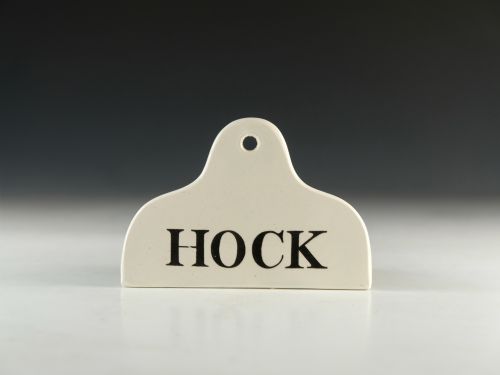
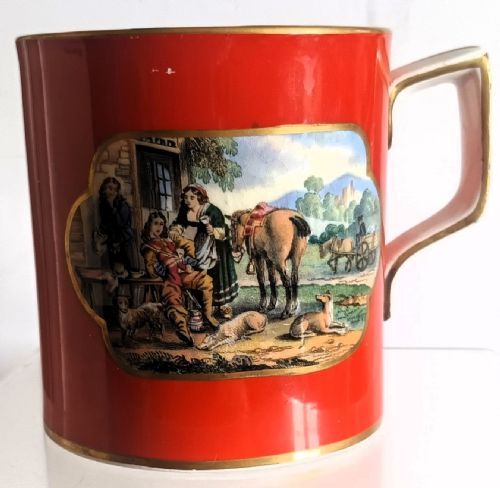
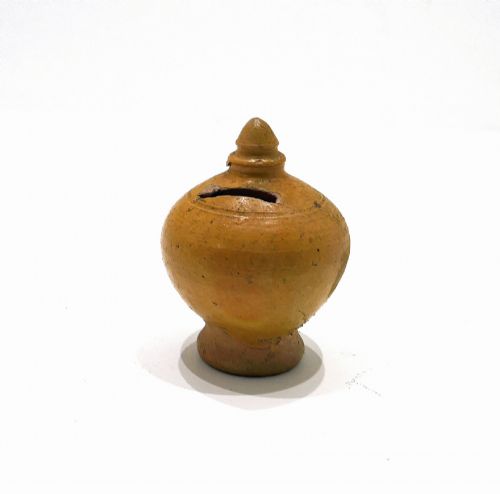
English country pottery encompasses domestic ceramics and decorative figures originating from workshops across the regions during the Georgian and Victorian eras. Buyers seeking this category encounter functional kitchenware alongside ornamental figurines and transfer-printed tableware.
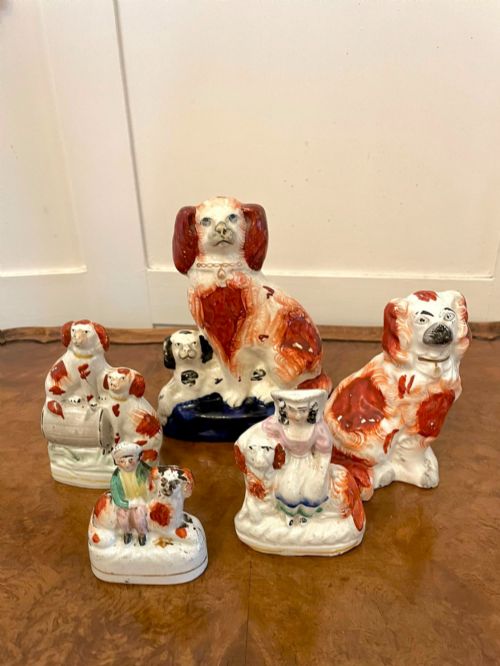
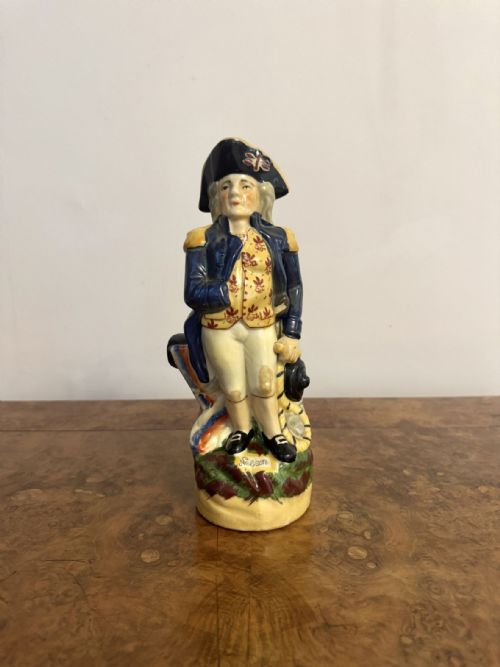
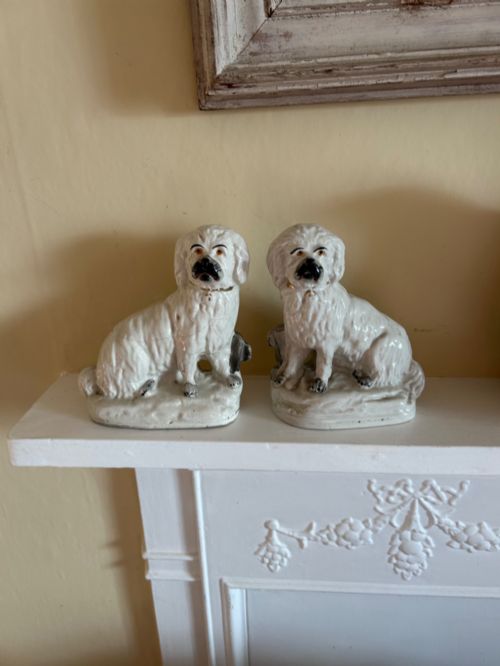
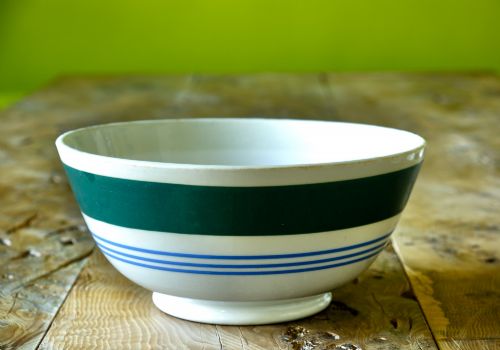
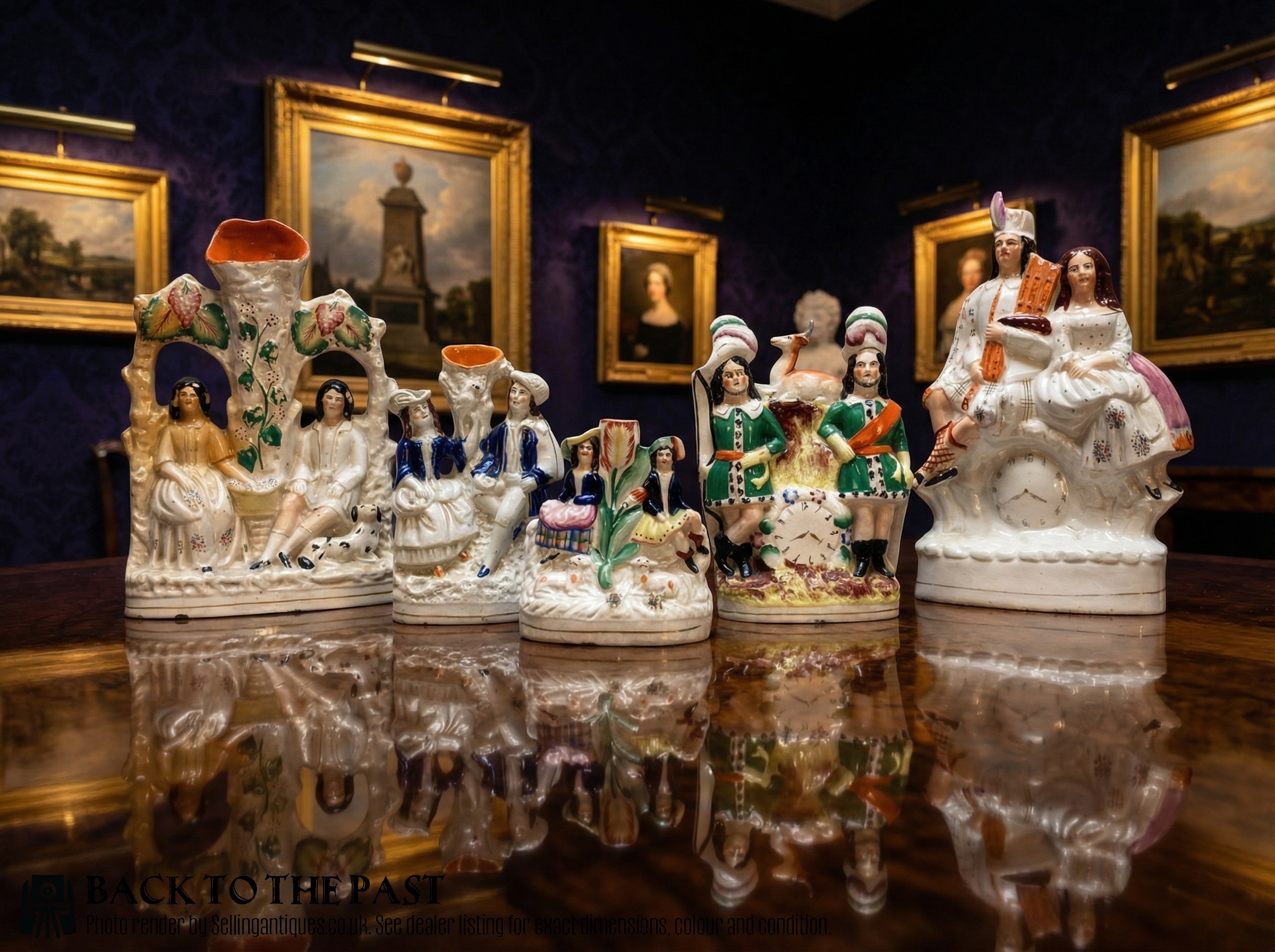
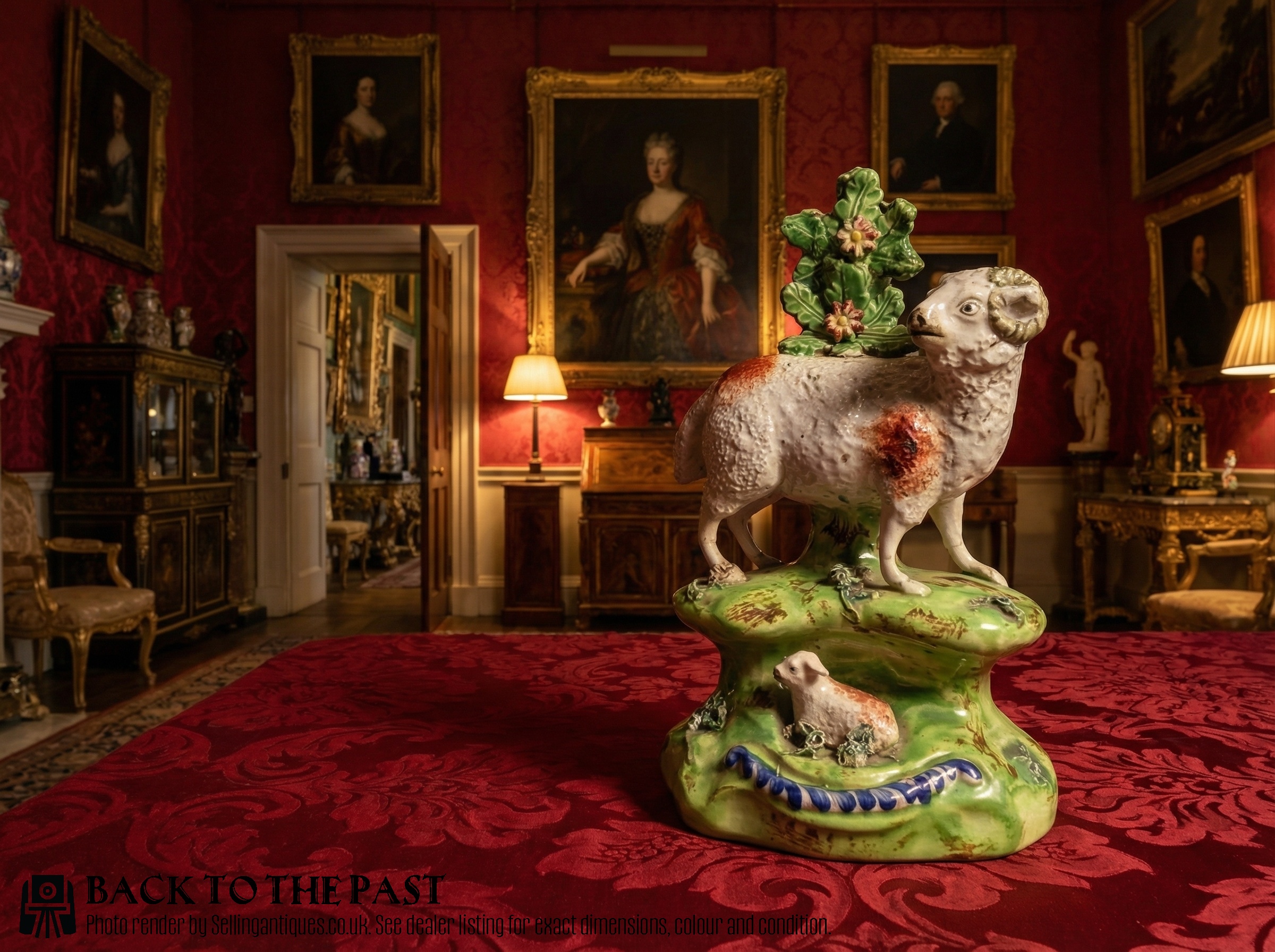
Domestic forms like bowls and serving platters sit alongside decorative busts of historical figures and animal models such as spaniels and sheep. Each item reflects the utilitarian needs and decorative tastes of past centuries.
How they were made
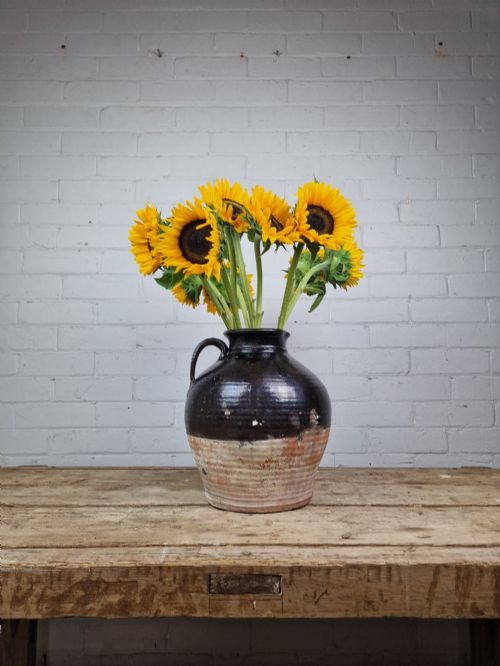
Potters shaped local clays, including earthenware, terracotta and stoneware, using traditional wheel-throwing and mould-pressing techniques. Slip glazes were applied to utilitarian vessels to create durable, impermeable surfaces for daily kitchen use.
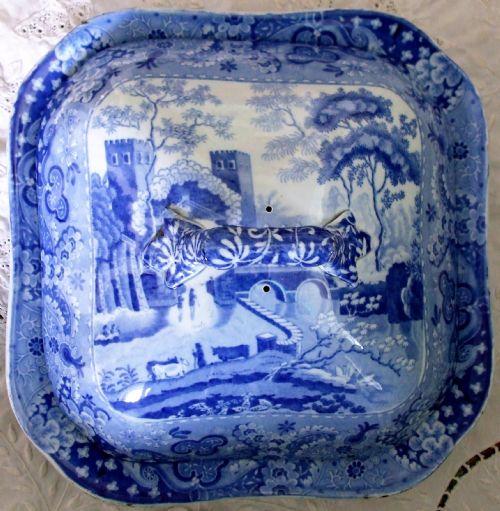
Finer decorative items utilised pearlware bodies finished with blue and white transfer printing or hand-painted details. Early nineteenth-century kilns fired these pieces to produce the characteristic surface textures and glaze variations seen across the inventory.
Retail Price Guide 2026
Typical UK retail prices for english country pottery, calculated from the Sellingantiques database of over a million retail prices indexed since 2003. This retail price guide relies exclusively on Sellingantiques data; no external sources or auction records are used, so the figures do not describe the wider market.
Materials represented in these listings include earthenware, pearlware, terracotta, and stoneware.
What varies in quality
The clarity of transfer patterns on blue and white plates and the evenness of slip applications distinguish finer output from more utilitarian workshop production. Patina and surface preservation also influence the character of each surviving piece.
Walton·John Rogers and Son·Spode
The English Country Pottery Glossary
- Earthenware
- Porous pottery fired at lower temperatures, commonly used for domestic bowls and vessels. It requires a glaze to hold liquids.
- Pearlware
- A refined earthenware developed in the late eighteenth century featuring a bluish glaze that pooled in recesses to mimic Chinese porcelain.
- Slip
- Liquid clay applied to the surface of pottery before firing for decoration or to seal the body.
- Flatback
- A style of Staffordshire figure modelled with a plain, unadorned back designed to sit flat against a mantelpiece.
Frequently Asked Questions
What is English country pottery?
English country pottery covers utilitarian earthenware, slip-glazed bowls and regional ceramics made for domestic use.
These pieces reflect the everyday material culture of homes across various English regions during the Georgian and Victorian periods.
How do I date these ceramics?
Dating relies on identifying material bodies like pearlware versus heavier stoneware, alongside stylistic markers from the nineteenth century.
Mould characteristics and transfer-printing techniques also help place pieces within specific production eras.
Where were these pieces made?
Production occurred in regional workshops and pottery centres across England, including Staffordshire and the North Country.
Local clay sources influenced the specific materials utilised by each regional maker.
How should I clean my pottery?
Gentle dusting with a soft cloth preserves the historic glaze and delicate surface finishes of antique earthenware and figures.
Avoid submerging porous bodies in water or using harsh chemical cleaners that might harm old surfaces.