

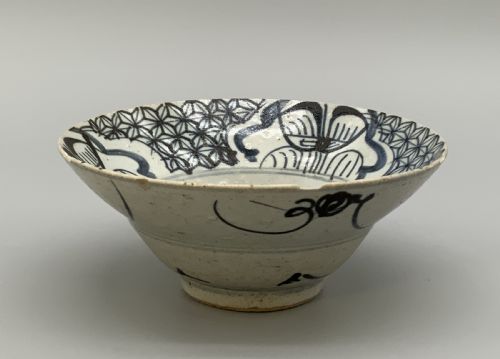


Underglaze Blue Pottery
Underglaze blue pottery brings together centuries of cobalt pigment decoration on ceramic surfaces, offering collectors both eastern porcelain traditions and English earthenware.
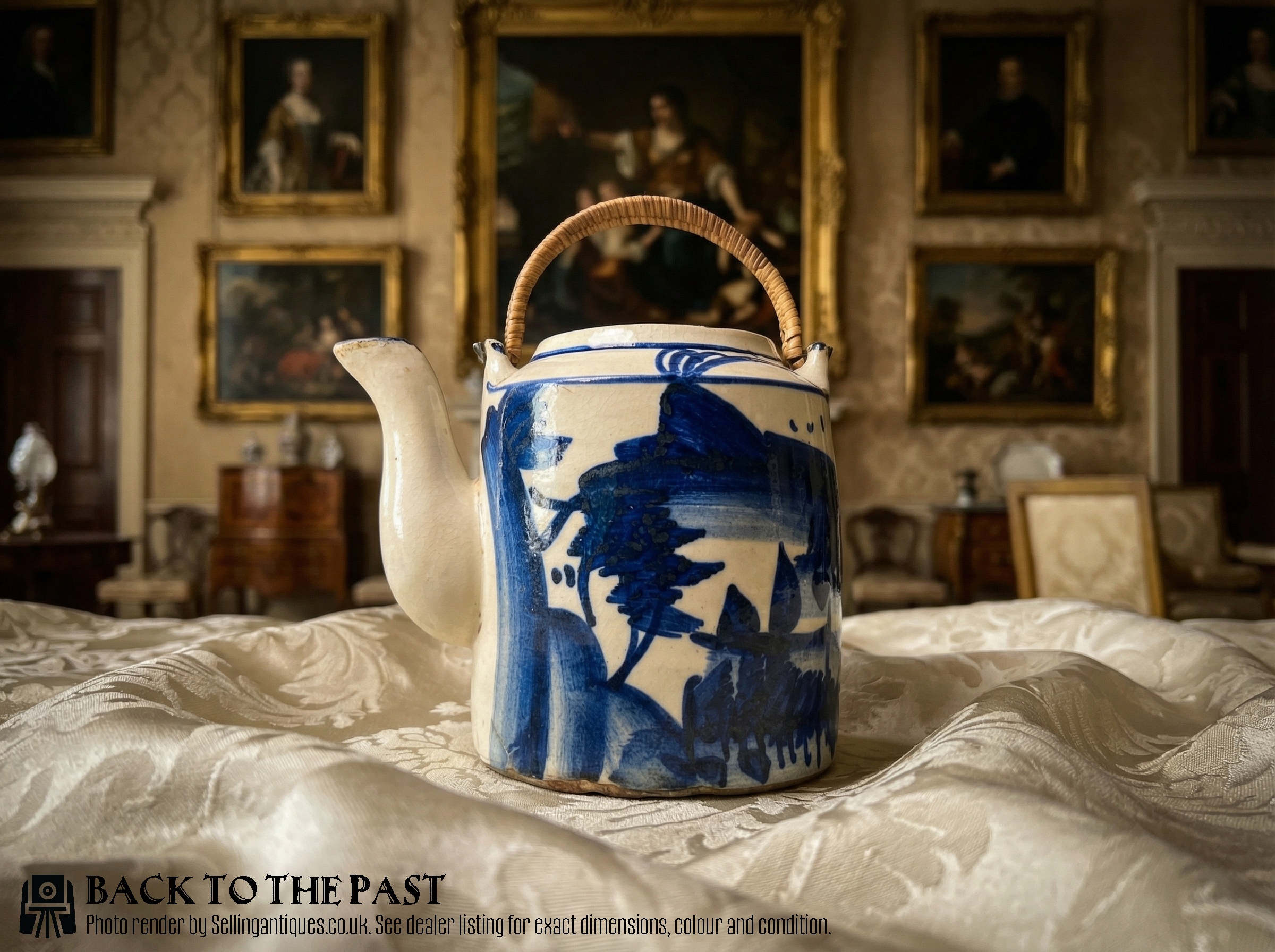
Underglaze Blue Pottery
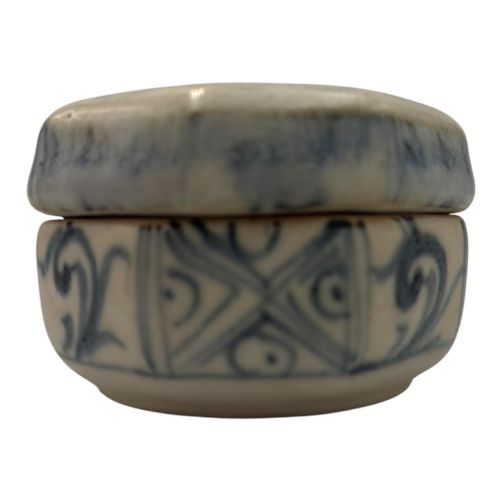
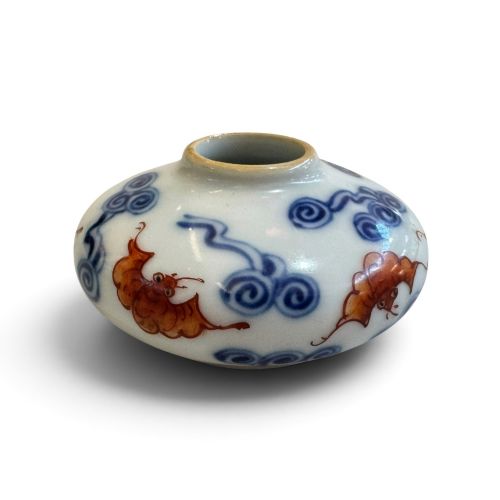
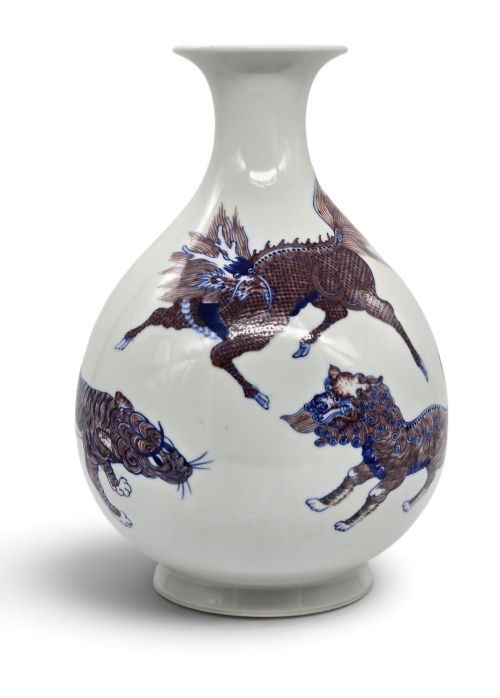
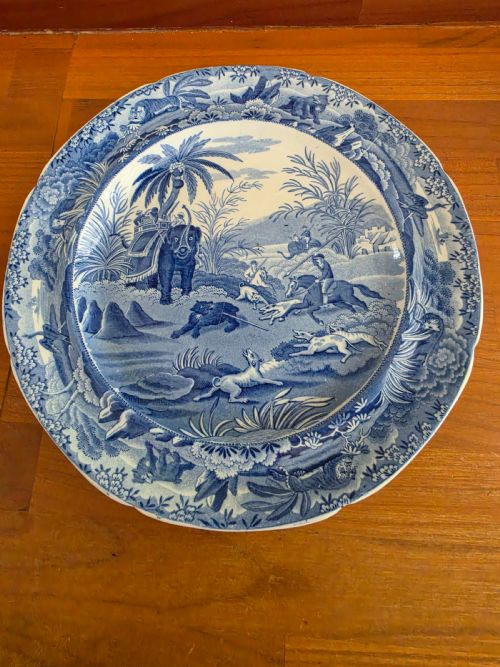
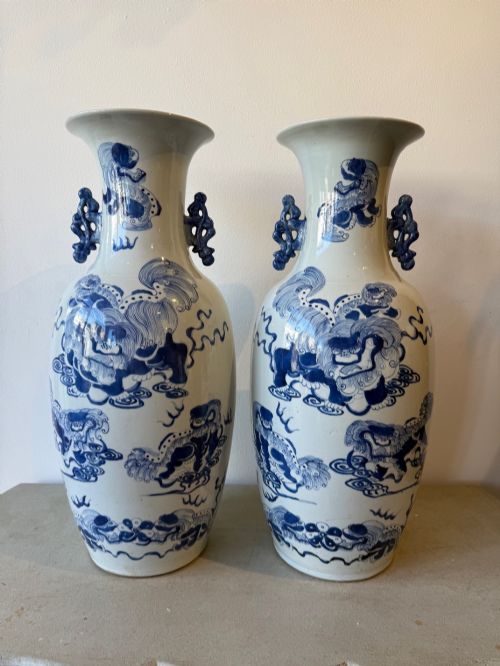
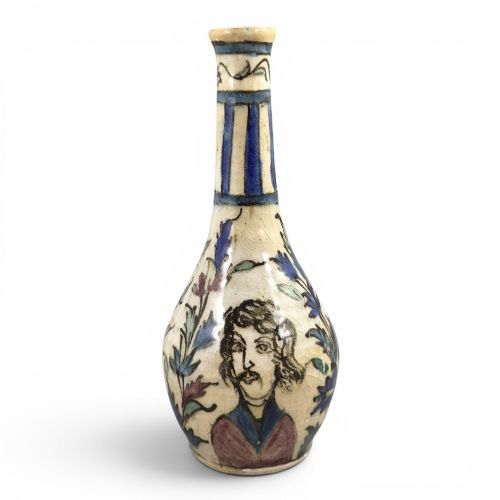
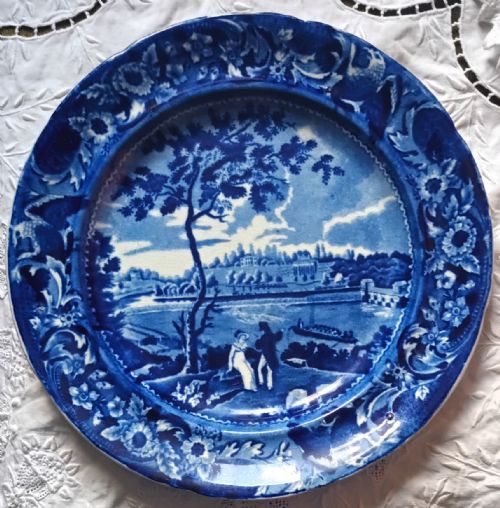
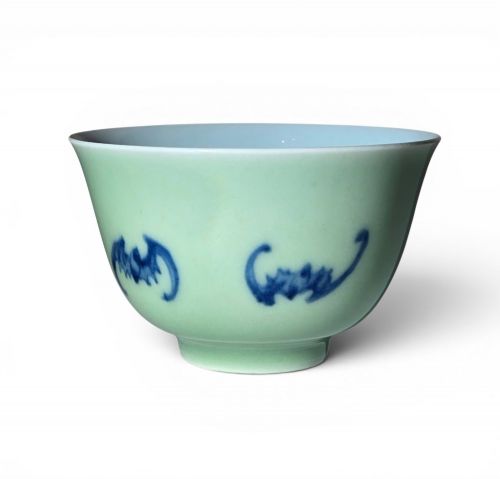
When searching for underglaze blue pottery, collectors examine a broad selection of ceramic vessels and plates spanning multiple centuries and geographic origins. The pieces listed on this page encompass Chinese porcelain vases and bowls, Japanese imari chargers, Persian pottery vessels, and English earthenware transferware. Chinese and Japanese porcelain works alongside English pearlware and earthenware from the Georgian period represent the primary forms encountered here.
Materials and production methods
Makers applied cobalt pigment directly to the raw ceramic body before covering the piece in a clear glaze and firing it at high temperatures. This technique allowed the pigment to fuse permanently with the glaze during the kiln firing, creating a durable surface decoration that resisted fading over time.
Potters utilised various body compositions, including fine porcelain, earthenware, and pearlware, depending on the regional workshop and production period. Cobalt glaze and copper-red pigments often complemented the primary blue decoration on specific Chinese and Persian wares.
Underglaze Blue Pottery Retail Price Guide 2026
Typical asking prices for underglaze blue pottery among the pieces listed under this phrase on Sellingantiques today, from the lower quarter to the upper quarter. They describe what is for sale here now, not the wider market.
Listings feature 17th-century Ming Dynasty bowls alongside 19th-century English transferware plates and Japanese Arita imari chargers.
Distinctions in quality
Quality in underglaze blue pottery rests upon the precision of the brushwork, the depth and clarity of the cobalt pigment, and the stability of the glaze finish during firing. Superior examples display crisp painted details and clean body forms without excessive kiln distortion or running pigment.
Provenance and historical association also influence the standing of individual pieces, particularly marked imperial Chinese porcelain or documented works by notable English Staffordshire makers and Japanese ceramic artists.
Stubbs·Makuzu Kozan·Caughley·Copeland and Garrett·John Davenport·John Rogers and Son
The Underglaze Blue Pottery Glossary
- Underglaze
- A decoration technique where pigment is applied to the unglazed ceramic body before the application of a clear glaze and final firing. This method protects the painted design beneath a glassy protective layer.
- Cobalt Pigment
- A metallic oxide colourant used to achieve deep blue tones on ceramic surfaces under high-temperature kiln conditions. It remains stable at extreme heat.
- Pearlware
- A refined type of earthenware developed in England during the late eighteenth century featuring a subtle bluish glaze that pooled in crevices. It bridged the gap between creamware and true porcelain.
- Transfer Printing
- A method of applying intricate engraved patterns to pottery by transferring ink from a copper plate onto paper and then onto the ceramic surface. This technique revolutionised English pottery production in the Georgian era.
- Imari
- A style of Japanese export porcelain characterised by underglaze blue combined with iron red, gilt, and other enamel colours. It gained widespread popularity in European decorative schemes.
Underglaze Blue Pottery: Frequently Asked Questions
How do I identify underglaze blue decoration?
Underglaze blue decoration feels completely smooth beneath the transparent top glaze because the pigment sits underneath the glassy surface rather than on top of it. Running a finger across the decorated area reveals no raised enamel or texture.
By contrast, overglaze enamels applied after the main firing retain a perceptible physical ridge and can sometimes show rubbing or wear from age and handling.
What is the difference between porcelain and earthenware?
Porcelain is a vitrified, non-porous ceramic fired at extremely high temperatures using specific white clays like kaolin, making it resonant and translucent when held to light. Earthenware utilises coarser clays fired at lower temperatures, producing an opaque and heavier body.
English transferware and early pearlware pieces on this page are typically earthenware, whereas the Chinese and Japanese items are predominantly porcelain.
How can I date an antique blue and white plate?
Dating relies on examining the potting characteristics, foot rim construction, glaze pooling tendencies, and any reign marks or maker stamps present on the base. Stylistic clues within the transfer-printed borders or painted motifs also provide reliable chronological markers for English and Asian wares.
Comparing the potting weight and glaze coloration against documented examples from the same production period helps narrow down the decade of manufacture.
Were these vessels meant for daily use?
Many of the plates, platters, and bowls served active domestic dining roles in period households, while specialised forms like brush washers and scholar's objects fulfilled scholarly pursuits. Large chargers and decorative vases were primarily intended for visual display in reception rooms and parlours.
Over time, functional items transitioned into collector cabinets as their historical and aesthetic value surpassed their original utility.