

Blue and White Porcelain
Blue and white porcelain brings together centuries of ceramic art from European kilns and Asian dynasties, prized for the striking contrast of cobalt against pale glaze.
Blue and White Porcelain
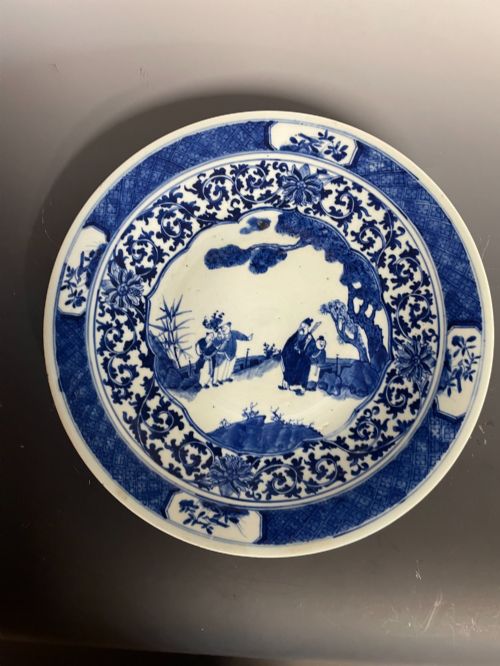
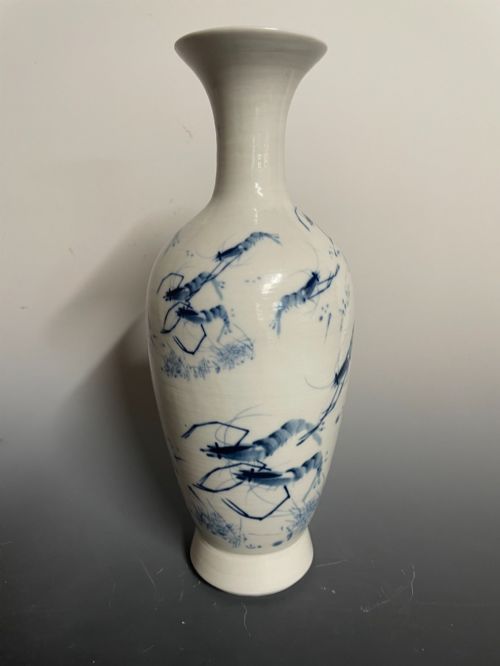
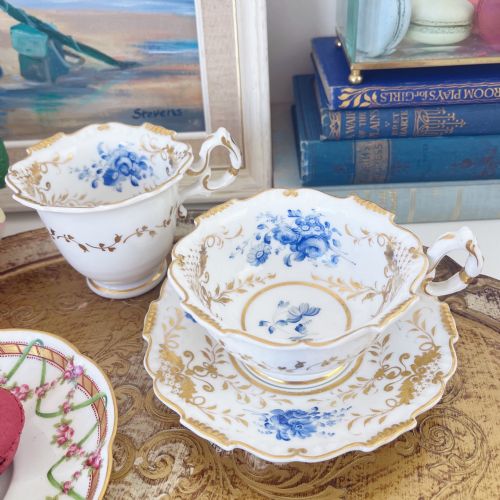
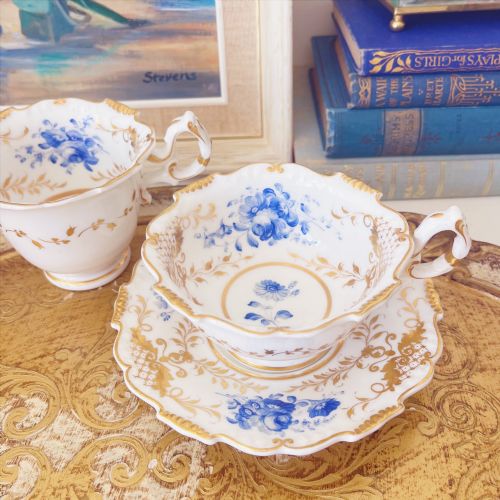
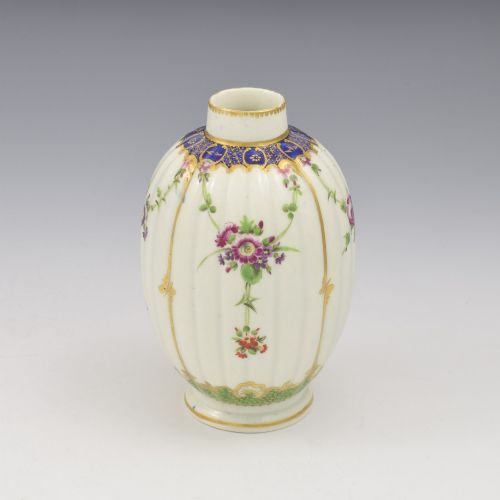
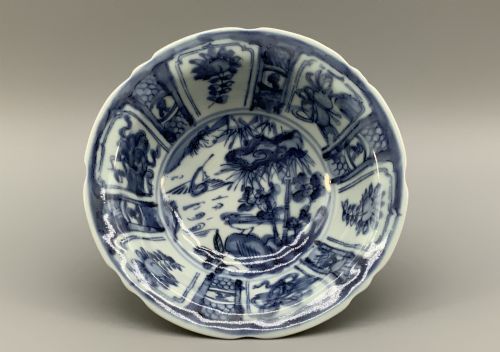
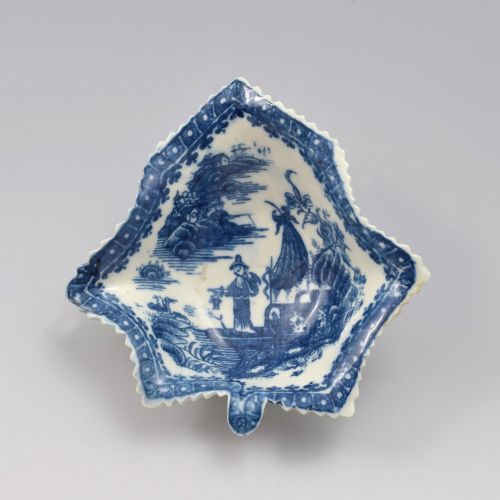
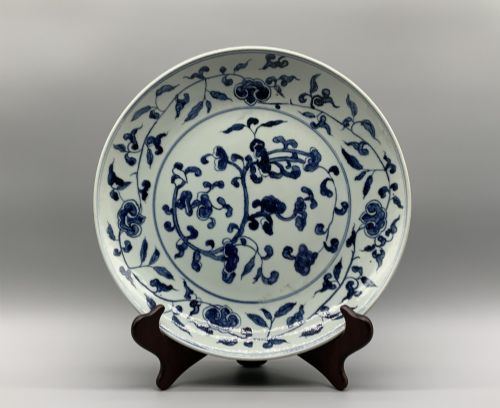
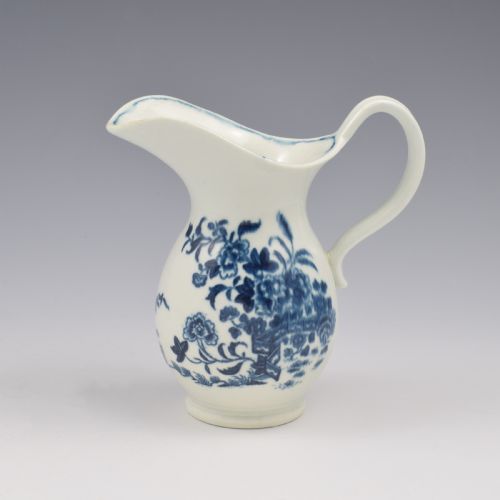
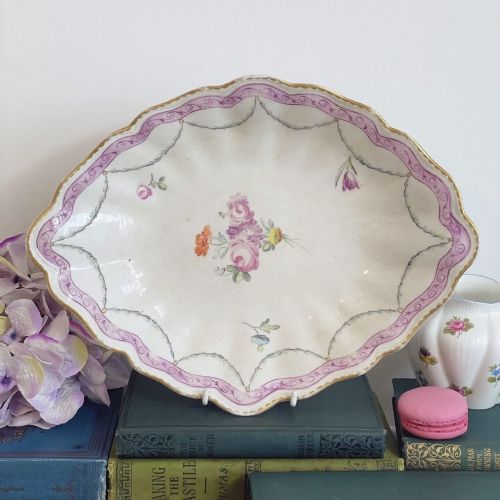
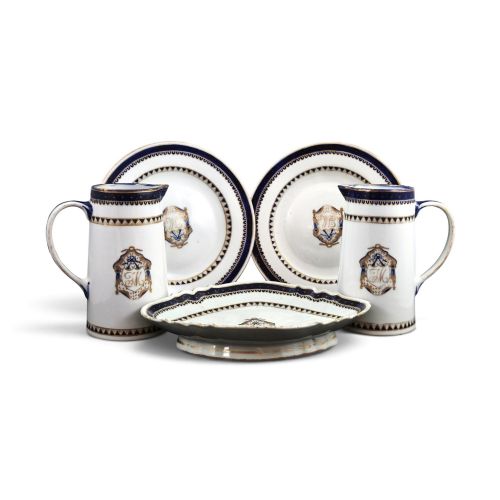
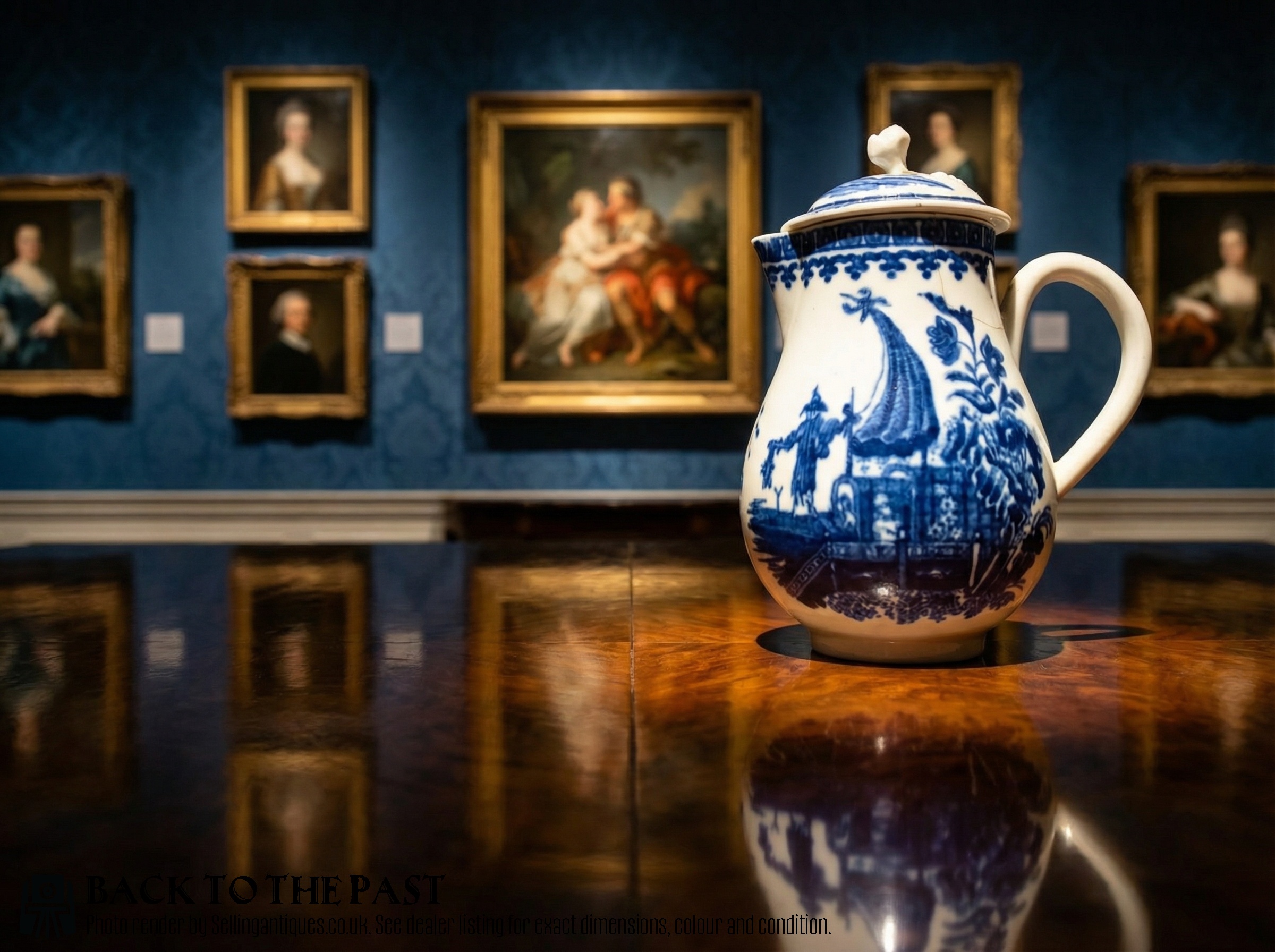
Blue and white porcelain encompasses decorative plates, chargers, bowls, vases, and tea wares originating from various periods including the seventeenth, eighteenth, and nineteenth centuries. Buyers encounter both Chinese export pieces from the Kangxi and Qianlong eras alongside European interpretations from factories such as Worcester, Caughley, and Derby.
Forms range from large garden jardinières and punch bowls down to delicate tea canisters, brush pots, and small pickle dishes. Domestic utilitarian vessels sit alongside ornamental cabinet pieces, reflecting global trade routes and changing domestic fashions over hundreds of years.
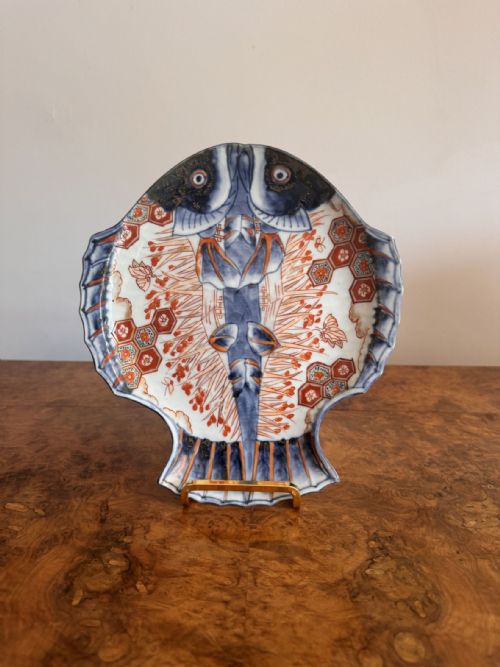
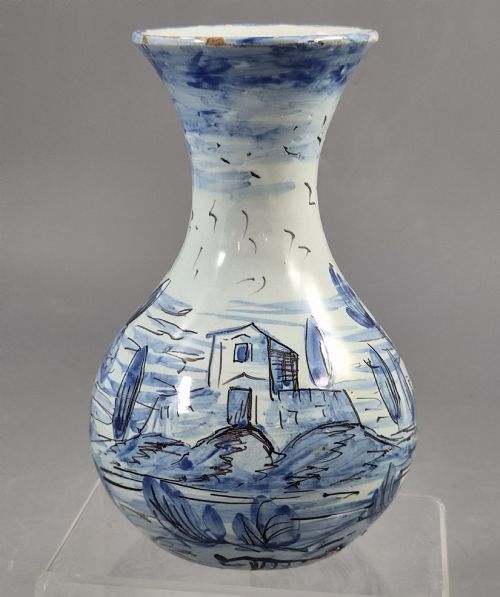
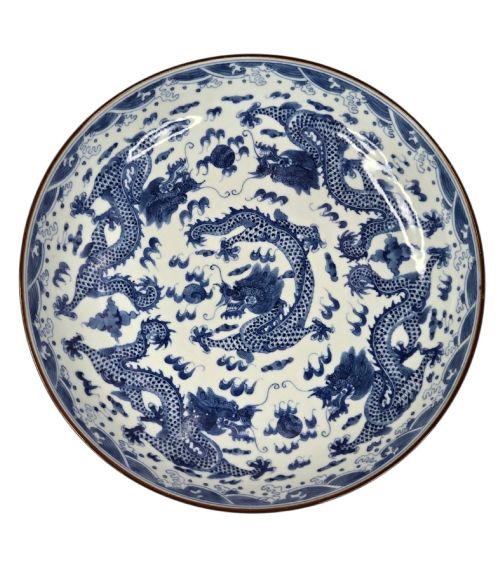
Stylistic influences move freely between traditional oriental dragon and floral motifs, Japanese Imari patterns, and domestic European interpretations like Delftware and Dutch Baroque designs.
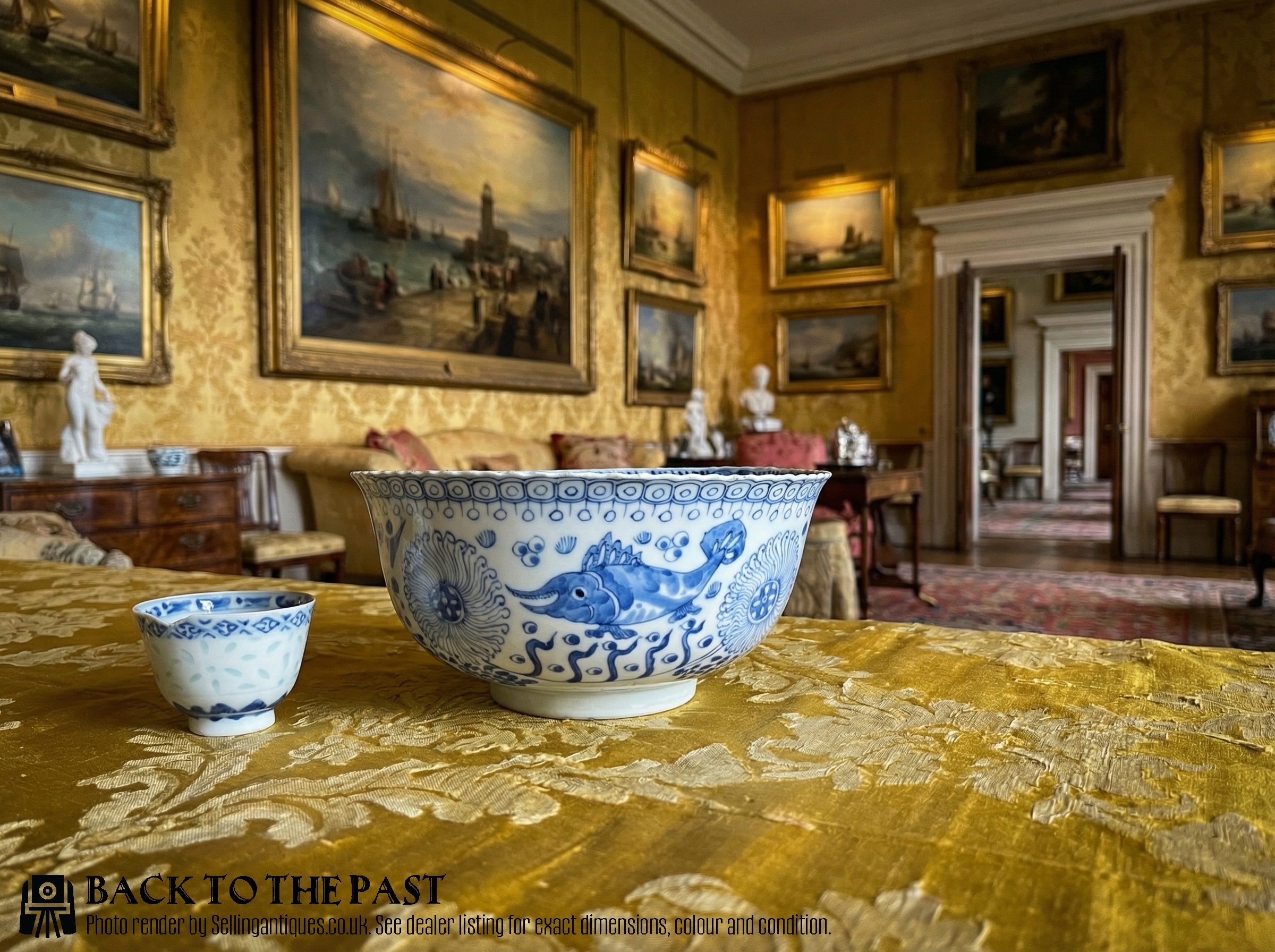
How they were made
Makers utilised high-fired ceramic bodies, predominantly porcelain and soft-paste porcelain, paired with durable glaze and enamel layers. Cobalt underglaze remained the primary agent for the characteristic blue decoration, applied directly to the body before firing to achieve deep chemical bonding.
Handpainted details required skilled brushwork, often supplemented by copper-red accents or polychrome enamels in specific styles such as Famille Rose or Doucai. Glazing techniques varied from the crackle-prone surfaces of early wares to the smooth, translucent finishes of later eighteenth and nineteenth-century production.
Blue and White Porcelain Retail Price Guide 2026
Typical asking prices for blue and white porcelain among the pieces listed under this phrase on Sellingantiques today, from the lower quarter to the upper quarter. They describe what is for sale here now, not the wider market.
Form types range widely across domestic and decorative categories, including plates, vases, chargers, tea caddies, jardinières, and miniature armchairs.
What varies in quality
The precision of the handpainted brushwork dictates much of the value, separating hurried commercial output from masterworks with sharp outlines and confident pictorial depth. Cobalt tones range from murky greys to vibrant, deep indigos that sit evenly within the glaze without bleeding excessively.
The purity of the porcelain body and the stability of the glaze during high-temperature firing distinguish finer pieces. Early thrown forms showing careful potting and well-balanced proportions command greater attention than heavy, distorted bodies.
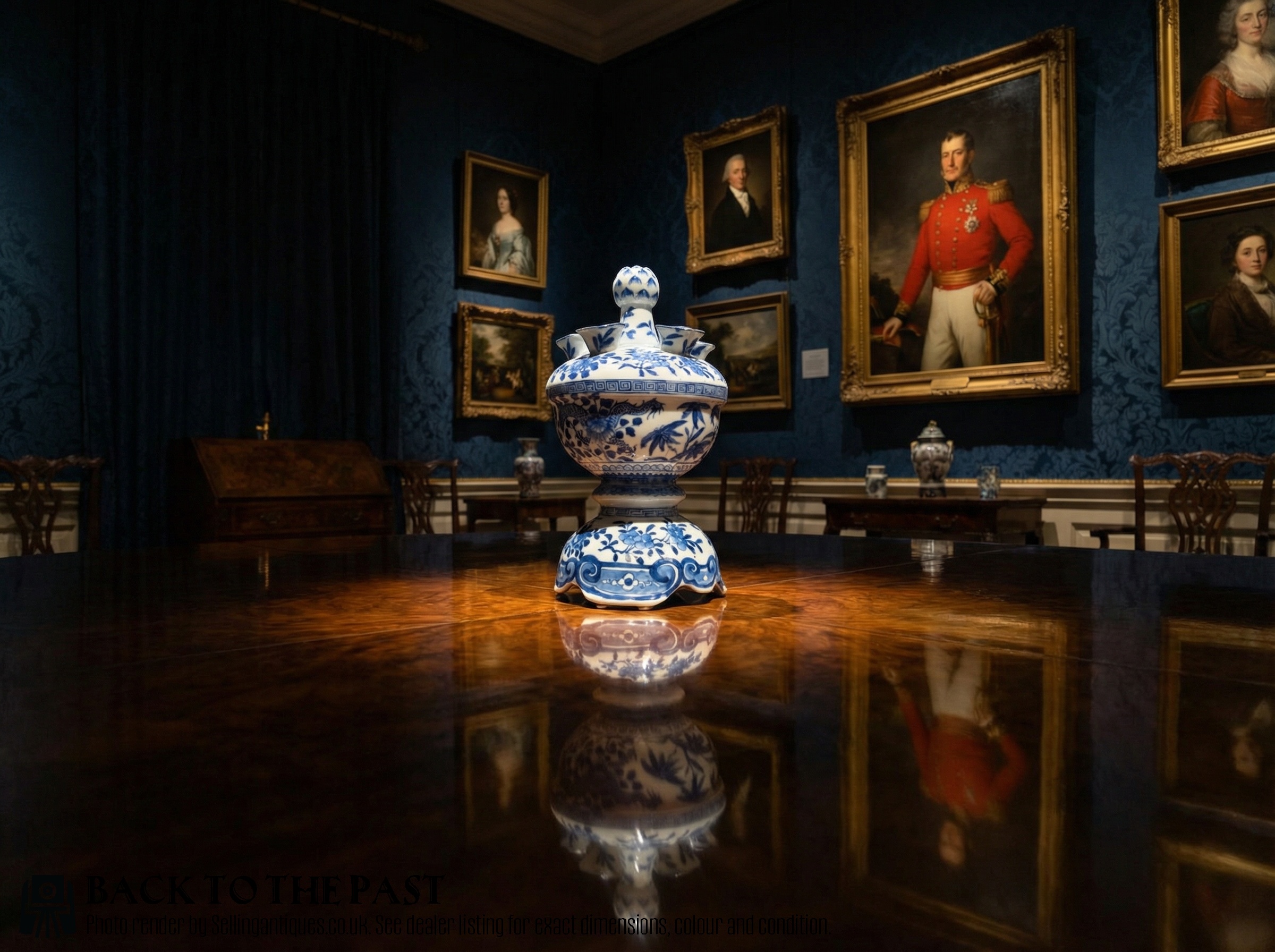
H and R Daniel Shrewsbury·Cantagalli·Royal Bonn·Villeroy and Boch
The Blue and White Porcelain Glossary
- Cobalt Underglaze
- Pigment applied to the unglazed ceramic body before the transparent glaze layer is added and fired. This technique protects the blue pigment beneath a glassy seal.
- Kraak Porcelain
- A type of Chinese export porcelain characterised by panelled decoration and radiating segments. It gained immense popularity in Europe during the seventeenth century.
- Soft-paste Porcelain
- A ceramic composition made from white clay mixed with ground glass and other materials rather than true china clay. It was widely utilised by eighteenth-century English factories such as Worcester and Bow.
- Imari
- A style of Japanese porcelain featuring blue, iron red, and gilt decoration originating from Arita. European kilns subsequently copied these distinctive palettes.
- Bitong
- A cylindrical Chinese scholar's brush pot used for holding calligraphy brushes. They appear frequently in carved porcelain and underglaze blue.
Blue and White Porcelain: Frequently Asked Questions
How do I care for antique porcelain?
Wash pieces gently by hand using lukewarm water and mild soap, avoiding harsh scrubbing or dishwashers. Dry them immediately with a soft, lint-free cloth.
Keep fragile items away from areas prone to sudden temperature changes or heavy vibrations. Display them securely on stable surfaces to prevent accidental knocks.
Can I use these vessels for food?
Many antique tea wares and bowls were made for consumption, but older lead glazes and hairline fractures require careful consideration. Modern usage can introduce staining or expand existing structural weaknesses.
Most collectors prefer to keep historical pieces for display rather than daily dining. If you do serve food, avoid acidic items that might react with the antique glaze.
What does underglaze mean?
Underglaze describes decoration painted onto the ceramic body before the liquid glaze is applied. The entire piece is then fired at high temperatures so the design becomes sealed beneath the surface.
This method ensures the blue pigment cannot be worn away by touch. It creates a soft, blurred edge where the cobalt interacts with the melting glaze.