
18th Century Chinese Ceramic
These 18th century chinese ceramic pieces bring imperial kilns and export trade right to your table, offering the refined brushwork and vibrant enamel palettes that collectors seek.
Identifying 18th Century Chinese Ceramic
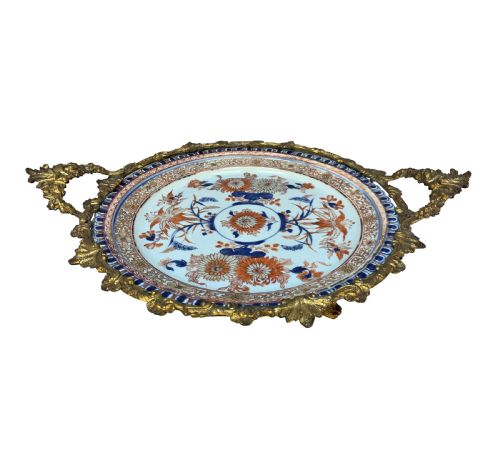
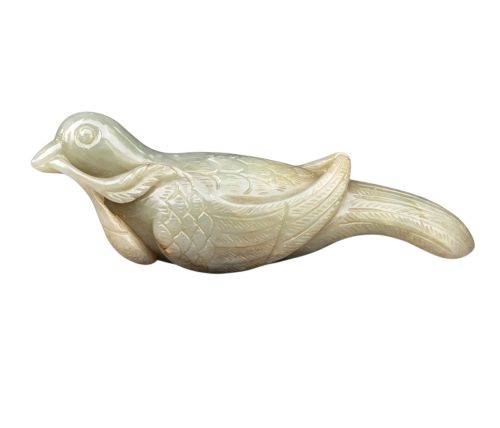
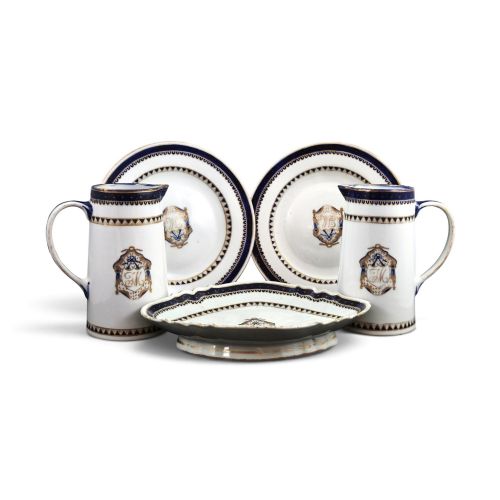
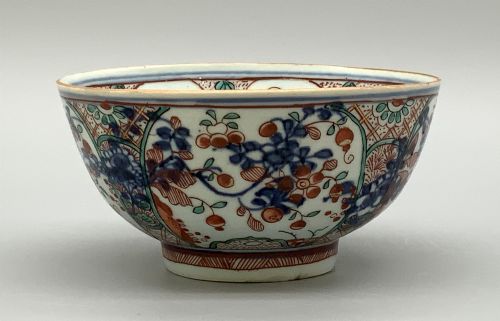
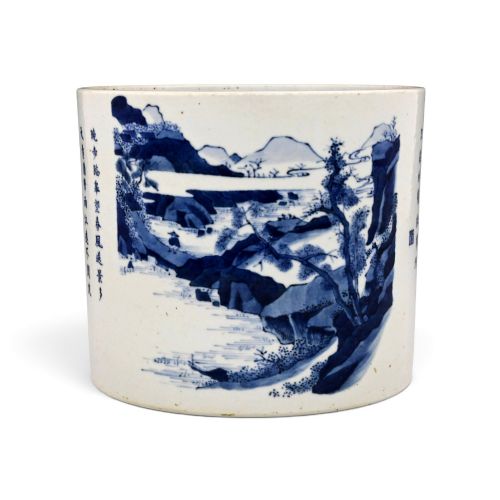
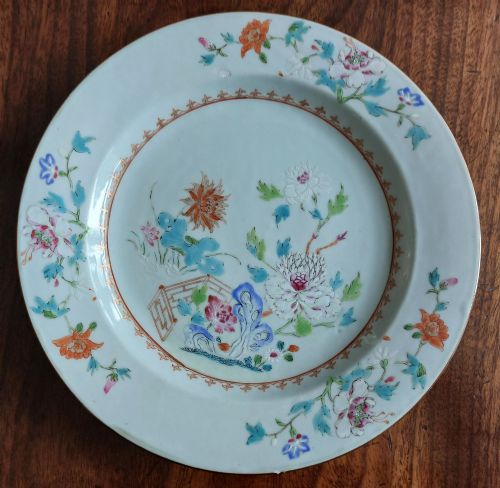
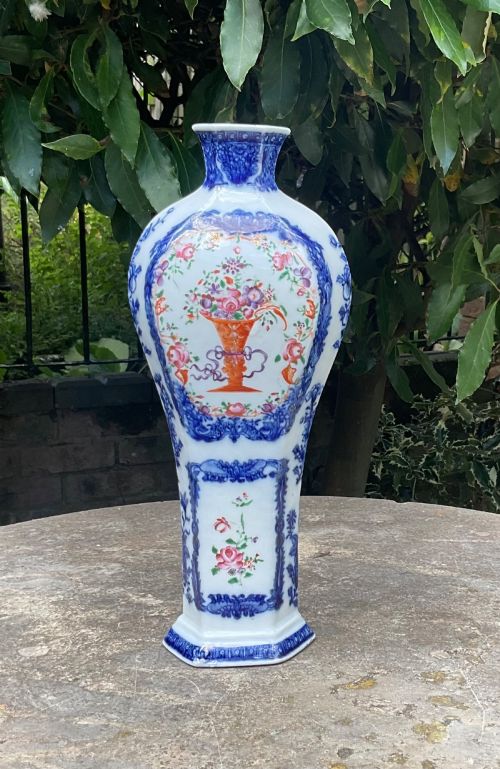
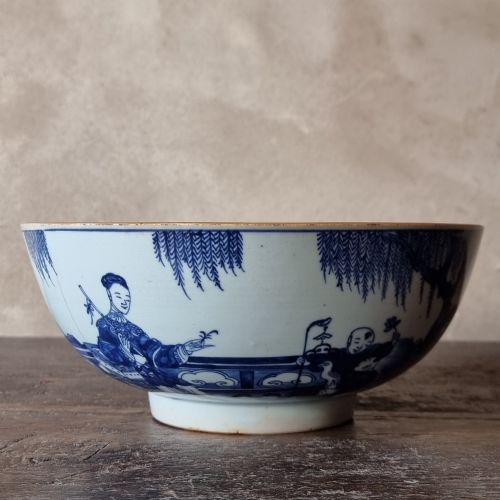
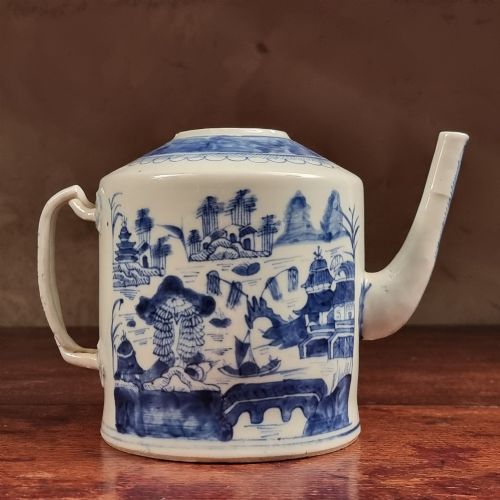
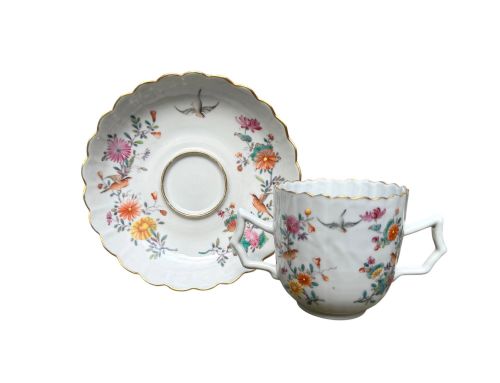
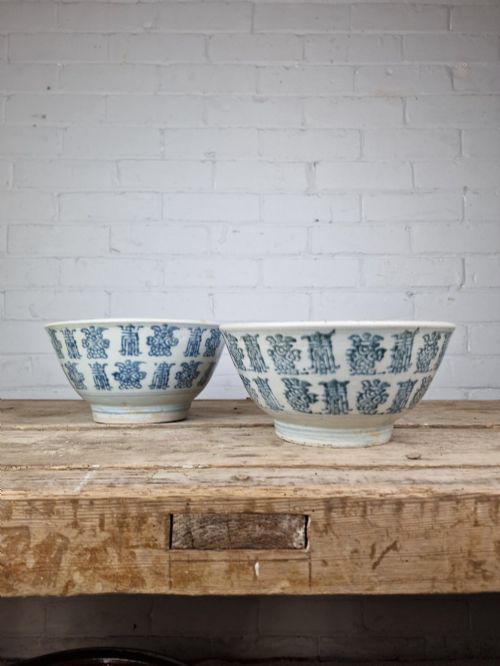
When you search for an 18th century chinese ceramic, you encounter objects created during the Qing Dynasty, specifically under the Qianlong reign. These include decorative plates, scholarly items such as brush washers, vases, punch bowls, and sauceboats.
The versions most commonly met on this page span both domestic production and Chinese Export wares destined for Western markets. They range from utilitarian serving vessels to high-status scholarly objects.
Materials and Manufacture
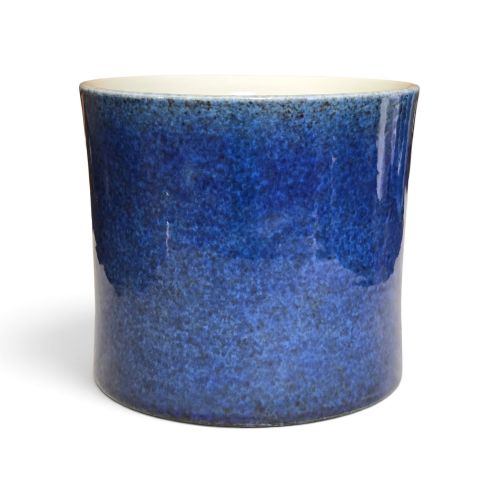
Potters shaped these items from fine porcelain, applying intricate cobalt glaze for blue and white designs or combining glaze with enamel and enamel glaze for polychrome palettes.
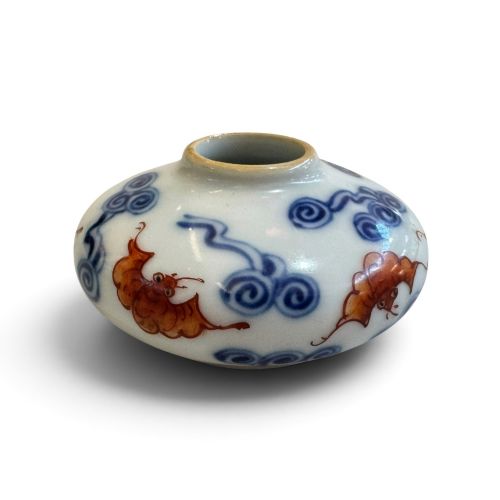
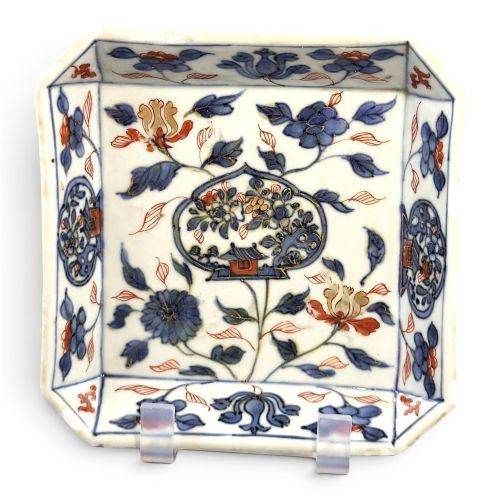
Firing techniques allowed for complex underglaze red details alongside cobalt blue, while overglaze enamels required subsequent low-temperature firings to set the vibrant hues.
Retail Price Guide 2026
Typical UK retail prices for 18th century chinese ceramic, calculated from the Sellingantiques database of over a million retail prices indexed since 2003. This retail price guide relies exclusively on Sellingantiques data; no external sources or auction records are used, so the figures do not describe the wider market.
Current listings feature porcelain utilising enamel, glaze, and cobalt glaze within the 18th Century period.
Assessing Quality and Execution
Quality separates through the precision of the brushwork and the control of the kiln temperature during the firing of cobalt glaze and underglaze red. Superior examples exhibit crisp outlines and balanced compositions without distortion.
The depth and brilliance of the enamel glaze distinguish finer pieces from simpler domestic wares. Master artisans achieved subtle gradations of tone that elevate standard forms into exceptional works.
The 18th Century Chinese Ceramic Glossary
- Qing Dynasty
- The final imperial dynasty of China, lasting from 1644 until 1912. It encompasses the key Qianlong period when much of this ceramic output was produced.
- Cobalt Glaze
- A blue pigment applied beneath the transparent glaze before high-temperature firing. It produces the characteristic deep blue decoration seen on porcelain.
- Famille Rose
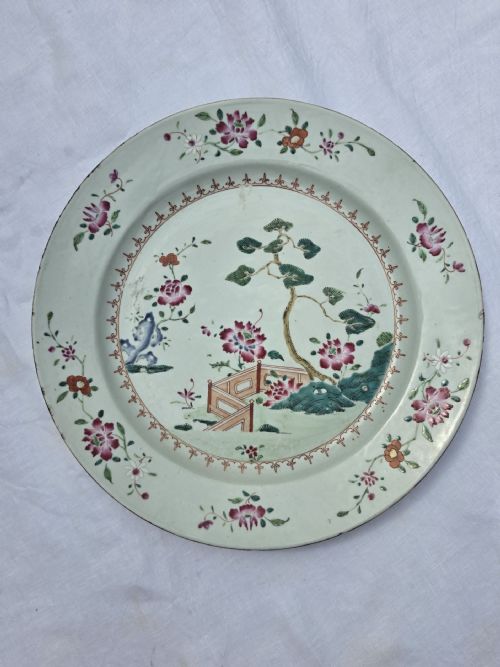
- A major palette of overglaze enamel colours introduced in the Qing Dynasty. It is distinguished by its opaque pink or rose colour derived from colloidal gold.
- Brush Washer
- A scholarly vessel designed for rinsing writing brushes. These practical yet refined objects form an important category of elite ceramic production.
- Chinese Export
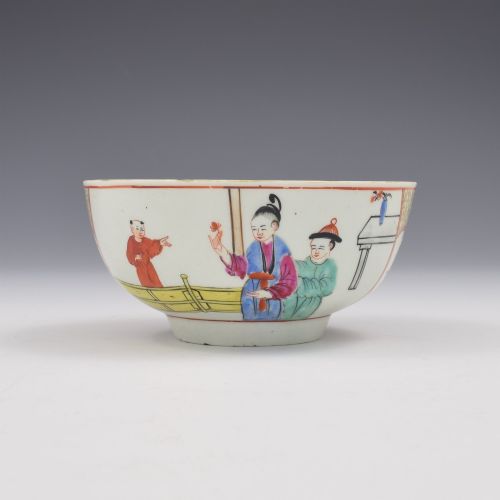
- Porcelain manufactured in China specifically for the European and American markets. These objects often combined traditional Eastern forms with Western heraldic or decorative motifs.
Frequently Asked Questions
How are these ceramics dated?
Dating relies on stylistic markers, imperial reign periods such as Qianlong, and the specific characteristics of the porcelain body and glazes.
Comparison with documented examples in museum collections helps confirm the production era.
Were these made for daily use?
While punch bowls and sauceboats served dining functions, scholarly items like brush washers held a contemplative purpose in the studio.
Export wares generally fulfilled decorative or dining roles in Western households.
What is Chinese export porcelain?
This category includes items ordered by Western trading companies, featuring shapes and patterns tailored to foreign tastes.
It bridges Eastern ceramic skill with Western decorative demand.
How should I clean my porcelain?
Gentle washing with warm water and mild soap is sufficient for stable surfaces.
Avoid abrasive materials that can harm delicate overglaze enamels.