




Antique Chinese Export China
These pieces of antique chinese export china are historic porcelain items and vessels made in the East for Western markets, prized for their intricate hand-painted palettes and rich maritime provenance.
Antique Chinese Export China
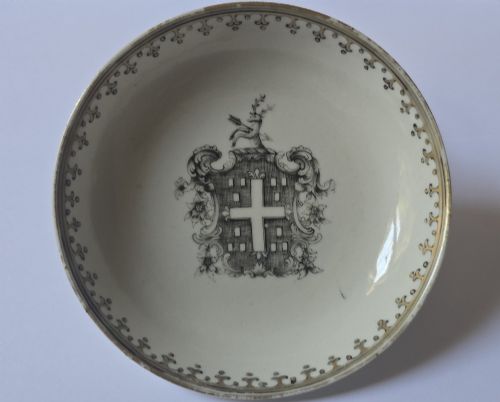
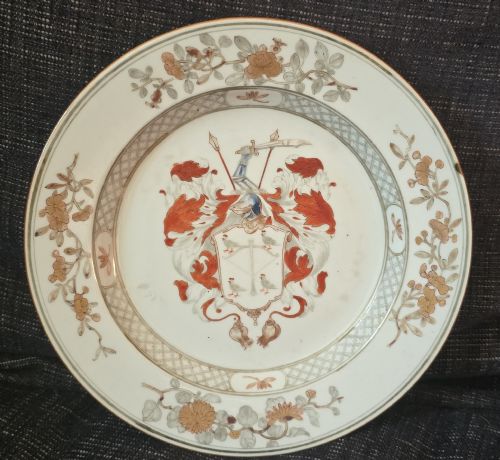
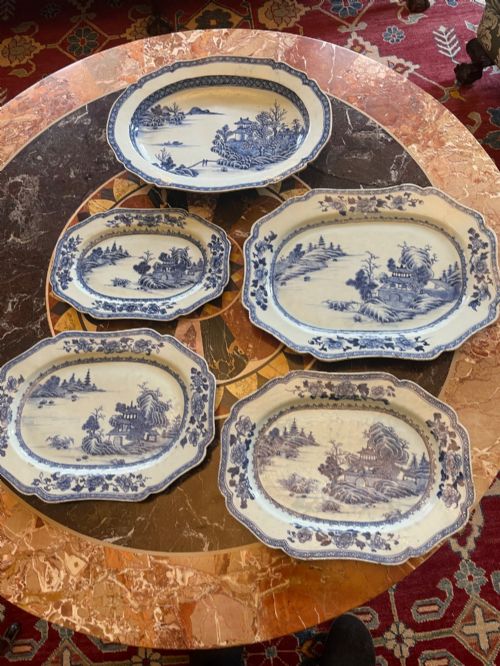
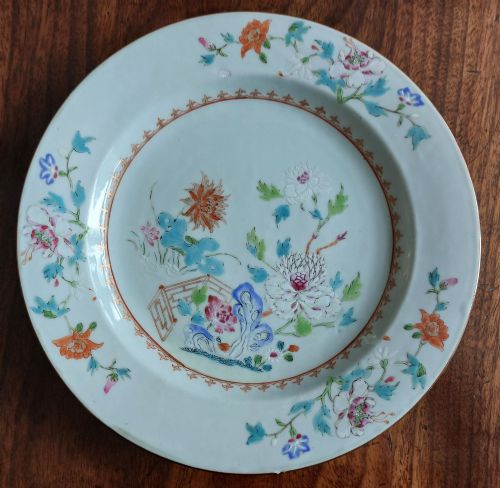
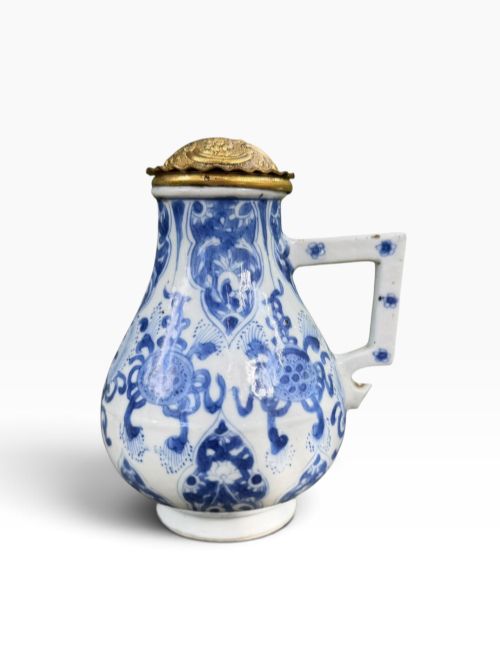
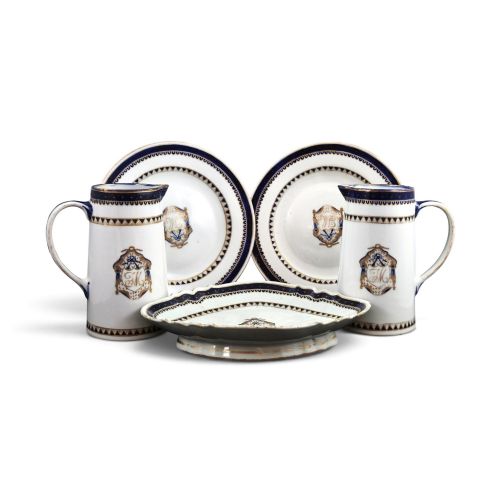
When you search for antique chinese export china, you encounter tableware, decorative bowls, and platters created centuries ago in the East specifically for households in Europe and Britain. These artefacts range from armorial plates commissioned by British families to large punch bowls and tea services intended for formal dining.
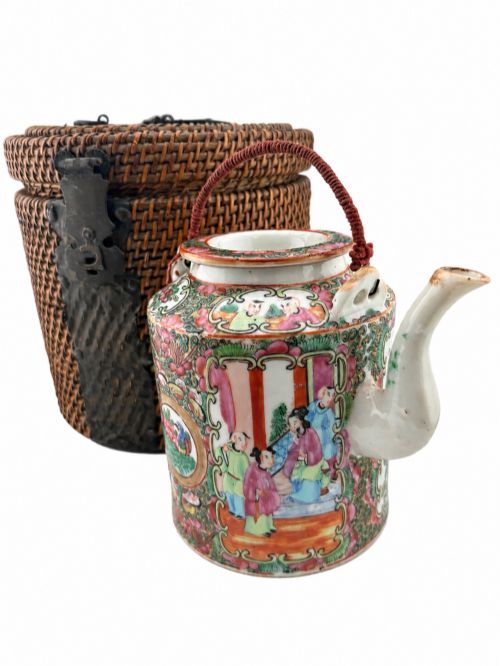
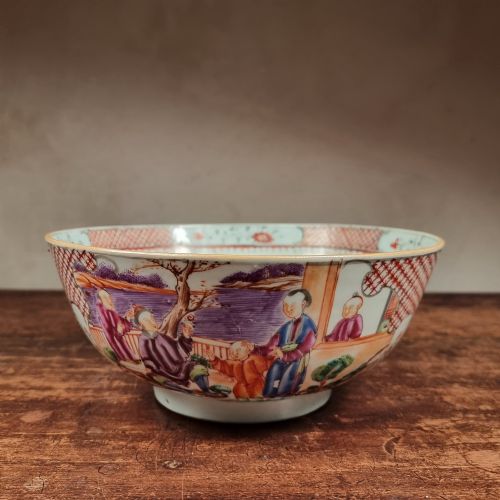
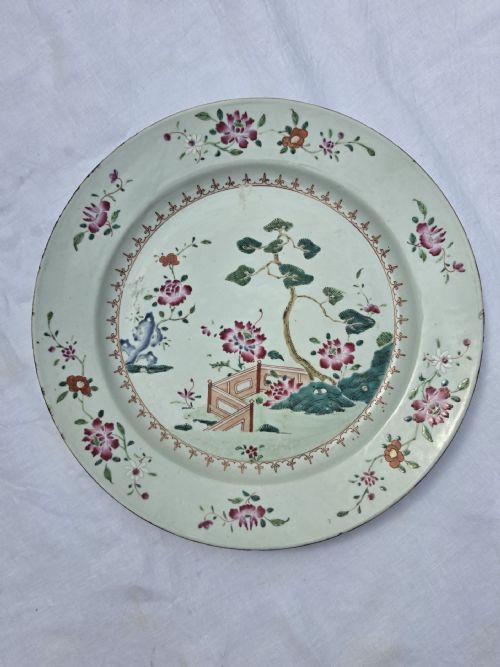
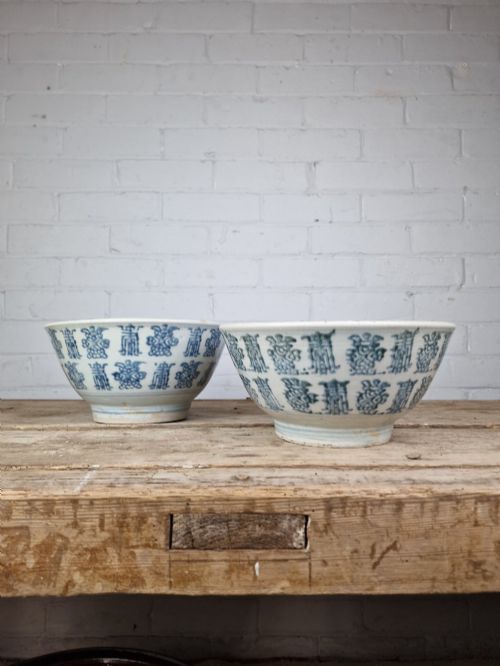
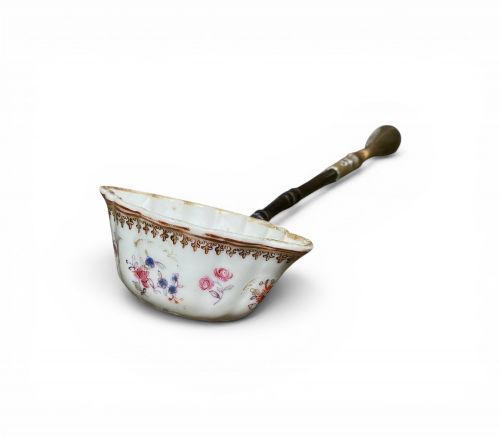
The objects on this page span several key eras, most notably the Qianlong period of the eighteenth century and the later nineteenth-century Canton and Qing Dynasty productions. You will frequently find punch bowls, chargers, teacups, and tureens decorated with floral motifs, figures, and heraldic crests.
How they were made
Potters shaped hard-paste porcelain before applying detailed overglaze enamel work, gold leaf, and cobalt blue pigments by hand. Many vessels received their initial form in Chinese kilns before certain pieces travelled to London workshops for specialised decoration.
Associated items in the trade include leather, brass, and wood utilised in China trade trunks and display cabinets built to transport and house these fragile wares. The combination of durable porcelain bodies and vibrant mineral pigments allowed these items to survive centuries of global transit.
Antique Chinese Export China Retail Price Guide 2026
Typical asking prices for chinese export china among the pieces listed under this phrase on Sellingantiques today, from the lower quarter to the upper quarter. They describe what is for sale here now, not the wider market.
Listings feature hard-paste porcelain, overglaze enamel, and gold leaf across eighteenth and nineteenth-century forms.
What varies in quality
Quality rests in the precision of the brushwork, the complexity of the palette, and the historical significance of the design. Armorial services bearing specific family crests or intricate Mandarin palette scenes demonstrate higher artistic ambition than standard provincial wares.
The crispness of the porcelain paste and the preservation of the overglaze enamels and gilding separate finer surviving examples from heavily worn pieces. Depth of colour and the structural integrity of large items like punch bowls and tureens further distinguish superior examples.
The Antique Chinese Export China Glossary
- Famille Rose
- A palette of opaque enamels dominated by pink or rose colours, introduced in the eighteenth century during the Qing Dynasty.
- Armorial
- Porcelain decorated with specific European family coats of arms, commissioned specially through trade networks.
- Mandarin Pallet
- A style of decoration depicting detailed Chinese figures in courtyard or garden settings, popular on eighteenth-century export wares.
- Qianlong Period
- The era of the Qing Dynasty spanning from 1736 to 1795, noted for prolific export porcelain production.
- Batavia-ware
- Porcelain featuring a characteristic coffee-coloured or chocolate-brown glaze on the exterior with painted interior reserves.
Antique Chinese Export China: Frequently Asked Questions
What is antique chinese export china?
These items are porcelain vessels and tableware manufactured in China from the eighteenth century onwards for export to Western buyers. They combine traditional Eastern ceramic techniques with Western-requested shapes and heraldry.
Such objects served practical dining and decorative functions in stately British homes, functioning as status symbols and everyday luxury tableware during the Georgian and Victorian eras.
How do I care for export porcelain?
Wash these fragile porcelain pieces gently by hand using lukewarm water and mild soap, avoiding dishwashers and harsh abrasive sponges. Protect the delicate overglaze enamels and gilt highlights from prolonged exposure to direct sunlight.
Display plates in stable racks or cabinets, and ensure heavier punch bowls rest on secure, level surfaces away from heavy household traffic.
How can I tell periods apart?
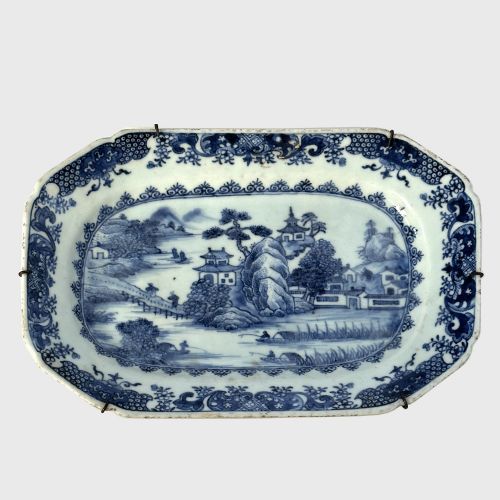
Eighteenth-century pieces, particularly from the Qianlong period, typically feature finer porcelain bodies and meticulous famille rose or blue and white painting. Later nineteenth-century Canton items often display denser, more colourful Rose Medallion patterns with generous gilding.
Examining the foot rim, glaze texture, and stylistic painting conventions helps distinguish earlier imperial and export periods from late Qing productions.
Were these items used daily?
Many pieces functioned as high-end dining service components for tea, soup, and main courses during formal meals and gatherings. Platters, tureens, and armorial plates were active parts of elite dining culture rather than purely ornamental objects.
Large punch bowls sat at the centre of social events, used for mixing and serving drinks during large domestic gatherings and banquets.