



Antique Porcelain Gravy Boat
An antique porcelain gravy boat brings the weight of the eighteenth and nineteenth centuries directly to the dining table.
Antique Porcelain Gravy Boat
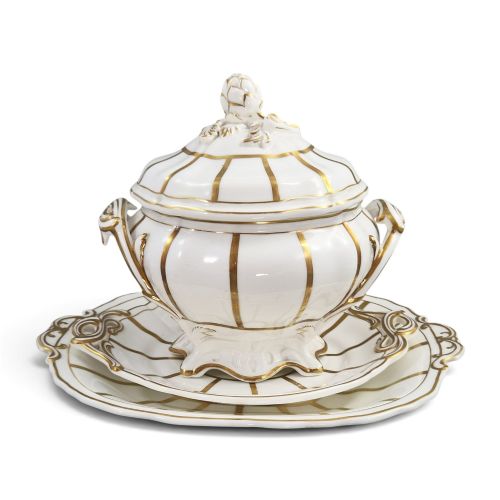
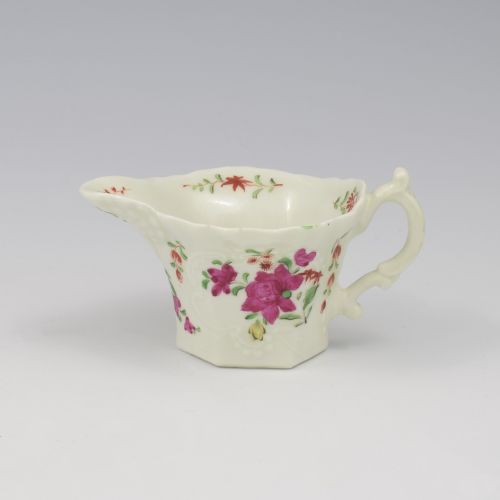
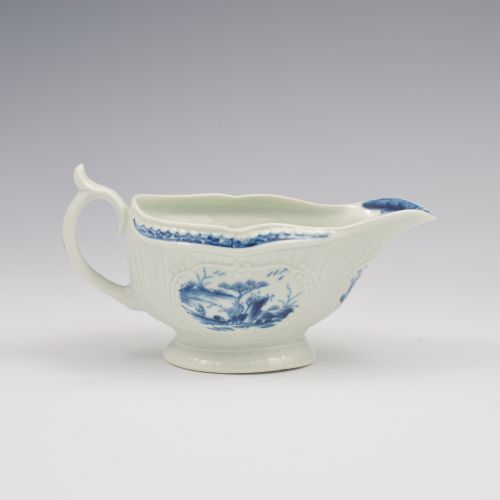
An antique porcelain gravy boat is a utilitarian vessel designed for serving sauces, gravies, and cream at the dining table. The pieces found here span the eighteenth and nineteenth centuries, taking forms such as sauce boats, sauce tureens, and jug shapes.
Makers and factories from English and European traditions produced these wares in styles ranging from Georgian Chinoiserie and Rococo to Victorian and Chinese Export. Buyers encounter fluted bodies, triangular platforms, and naturalistic leaf forms among the current selections.
What varies in quality
The precision of the hand-painted decoration separates standard production from exceptional examples, particularly in the fine detail of cobalt blue and polychrome enamels. Crisp moulding in forms such as fluting or leaf patterns indicates superior craftsmanship.
The composition of the body itself contributes to quality, with early soft-paste porcelain and well-potted bone china displaying distinct translucency and weight. Preservation of original gilding and glaze integrity also defines the upper tier of these pieces.
Antique Porcelain Gravy Boat Retail Price Guide 2026
Typical asking prices for porcelain gravy boat among the pieces listed under this phrase on Sellingantiques today, from the lower quarter to the upper quarter. They describe what is for sale here now, not the wider market.
Materials recorded across the inventory include soft-paste porcelain, bone china, ironstone, gold leaf, and enamel.
Bow Porcelain·Davenport Bone China·Chelsea Derby·Meissen
The Antique Porcelain Gravy Boat Glossary
- Soft-paste porcelain
- An artificial ceramic composition made from white clay, glass, and other minerals, fired at lower temperatures than hard-paste. This material appears frequently in eighteenth-century English vessels.
- Cobalt glaze
- A metallic oxide pigment used to produce a deep blue colour under the glaze before firing. It is the defining feature of much blue and white porcelain.
- Bone china
- A type of porcelain incorporating bone ash into the paste, creating a strong and slightly translucent material. It became standard in nineteenth-century British potteries.
- Chinoiserie
- A European artistic style reflecting Chinese motifs and imaginary landscapes, popular during the Georgian period. Painters applied these scenes to porcelain vessels in blue and white or polychrome enamels.
- Kakiemon style
- An asymmetrical Japanese enamel style featuring distinct floral and bird motifs, adopted by European factories like Derby. The Two Quails pattern exemplifies this decorative tradition.
Antique Porcelain Gravy Boat: Frequently Asked Questions
Can I still use these for serving food?
Many collectors prefer to use eighteenth and nineteenth-century vessels for special dining occasions, provided the glaze is stable and free from major structural cracks. Hand-washing is essential after any culinary use.
Glazes from the period may contain trace elements, so frequent daily use with acidic foods is generally discouraged by cautious owners.
How do I distinguish eighteenth-century pieces from Victorian ones?
Eighteenth-century examples often utilise soft-paste porcelain with hand-potted irregularities and early cobalt blue or polychrome painted scenes. Forms tend toward Rococo curves and moulded leaf shapes.
Victorian pieces frequently employ denser bone china or ironstone, reflecting industrial production methods alongside standard registry marks and pattern numbers.
What does Dr Wall Worcester mean?
The term refers to porcelain produced at the Worcester factory during the period when Dr John Wall managed the works. This early era is celebrated for fine blue and white printing and delicate potting.
Pieces from this timeframe often feature crescent or square marks on the base and sophisticated glaze consistency.
Why do some sauce boats have attached stands?
Attached stands or triangular platforms provided stability on the dining table and caught drips from the pouring lip. Potters moulded these elements directly into the body during shaping.
This form was particularly favoured in Georgian designs to add architectural presence and elegance to the table service.