


Blue White Sauce Boat
These blue white sauce boat examples range from soft-paste porcelain to ironstone, bringing historic table service charm straight to your dining room.
Blue White Sauce Boat
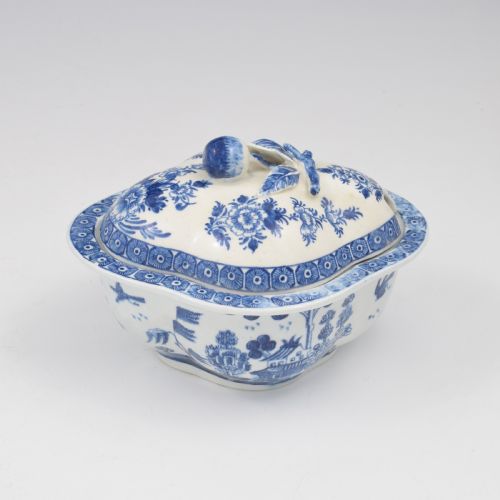
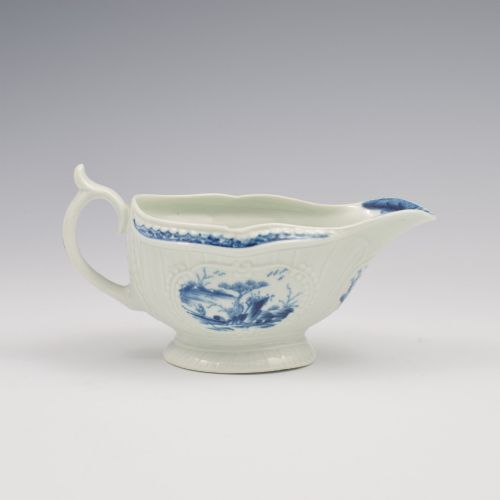
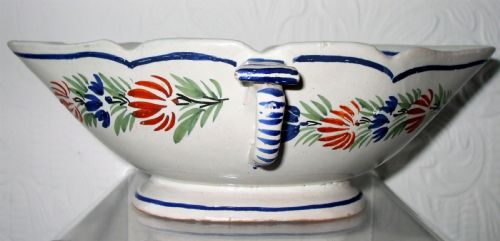
When you search for a blue white sauce boat, you are looking at functional tableware designed to hold gravies and sauces at the dining table. These vessels span the eighteenth and nineteenth centuries, taking the form of single boats, double-lipped tureens, and triangular platform designs.
You are most likely to meet eighteenth-century porcelain examples from English factories alongside nineteenth-century earthenware and ironstone pieces. The inventory includes works displaying chinoiserie patterns, floral motifs, and transfer prints like the bridge of lucano.
Many of these items survive from larger services, sometimes accompanied by matching stands, covers, or ladles. Their shapes draw upon Georgian rococo lines and French country styles, reflecting the changing tastes of dining across the periods.
How they were made
Makers utilised soft-paste porcelain, earthenware, faience, and ironstone to shape these vessels, often employing slip casting or moulding techniques. Potters then applied cobalt glaze by hand or used transfer printing to transfer intricate patterns onto the ceramic body.
Pieces like those from the eighteenth century received underglaze blue decoration before a clear glaze coat went over the surface for firing. Ironstone and earthenware versions from the nineteenth century relied on transfer printing methods to achieve crisp blue and white designs.
Elephants and lions occasionally peer out from nineteenth-century transfer prints, guarding the gravy with surprising domestic ferocity.
What varies in quality
The clarity and precision of the cobalt glaze application set better pieces apart from standard kitchenware. Hand-painted Chinese scenes and botanical motifs show the skill of the painter through steady brushwork and deep colour saturation.
The sophistication of the moulding, particularly in strap-fluted bodies or sculptural elements like lion head covers, indicates the workshop standard. Surviving matching components such as original stands, covers, and ladles elevate the integrity of the piece.
Derby Porcelain·Dr Wall Worcester·Quimper French Faience·Spode·Rogers·Wedgwood·Lockett Hume·Bow Porcelain·Masons Ironstone
The Blue White Sauce Boat Glossary
- Soft-paste porcelain
- An artificial porcelain composition made from white clay, glass, and ground minerals, fired at lower temperatures than hard paste. It produces a warm tone under the glaze.
- Cobalt glaze
- A metallic oxide pigment that turns a rich blue colour when fired under high temperatures. It formed the primary colouring agent for blue and white ceramics.
- Transfer print
- A decorative technique where an engraved copper plate transfers a design onto tissue paper, which is then pressed onto the ceramic body. This allowed factories to repeat complex scenes consistently.
- Ironstone
- A heavy, durable type of earthenware patented in the nineteenth century. It resists chipping and mimics the strength of porcelain while remaining practical for daily dining.
Blue White Sauce Boat: Frequently Asked Questions
How were sauce boats used?
These vessels held warm gravies, melted butter, and thin sauces to accompany roasted meats and vegetables at formal dining tables.
Servants passed them among guests or placed them centrally on stands so diners could ladle sauce onto their plates.
What is soft paste porcelain?
Soft-paste porcelain is an early ceramic composition created by mixing white clays with glass frit and ground minerals before kiln firing.
English factories used this formula extensively during the eighteenth century before discovering native hard-paste materials.
How do I date these pieces?
Dating relies on examining the ceramic body, glaze characteristics, and the style of the blue and white transfer print or hand-painted motif.
Early eighteenth-century items often show soft-paste bodies and hand-drawn chinoiserie scenes, whereas nineteenth-century pieces frequently utilise ironstone and transfer printing.
Why do some have stands?
Stands caught drips and protected fine dining linens from stains while adding an ornamental tier to the serving arrangement.
Many period sauce tureens and boats were sold as matched sets with their own shallow ceramic platters.