


Soft Paste Porcelain Boat
A soft paste porcelain boat brings eighteenth-century dining tables alive with the luminous glaze and cobalt blue painting characteristic of early English factories.
Soft Paste Porcelain Boat
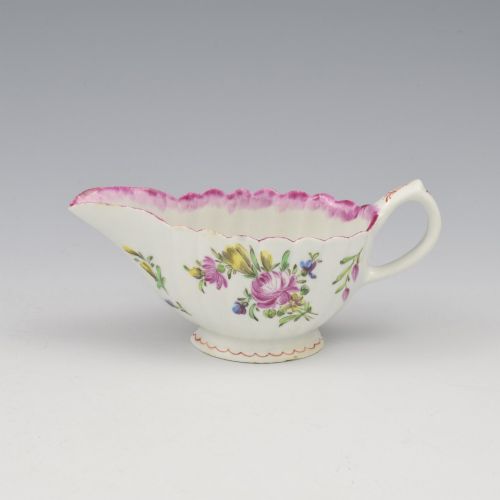
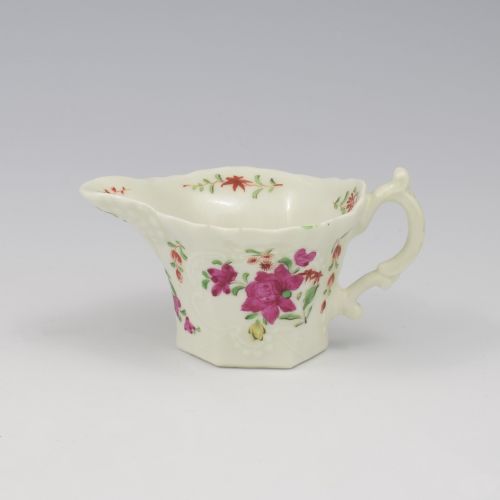
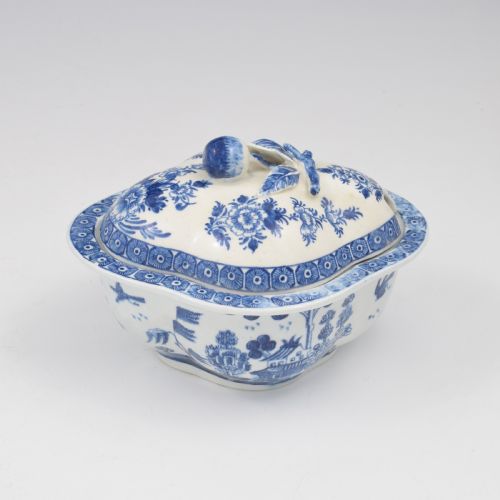
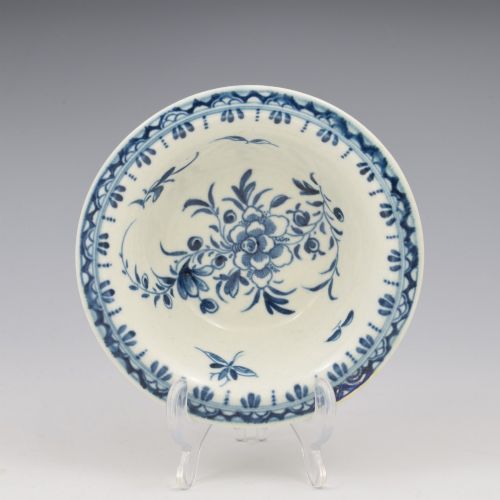
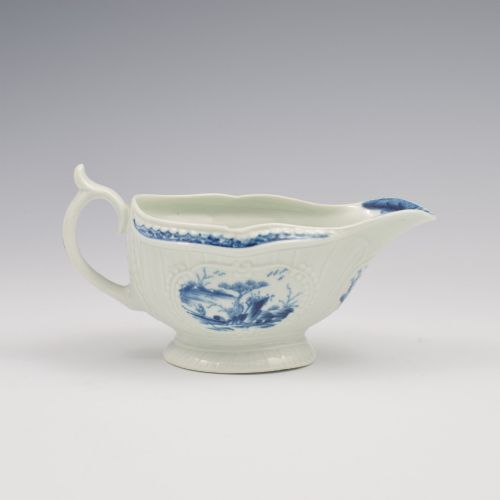
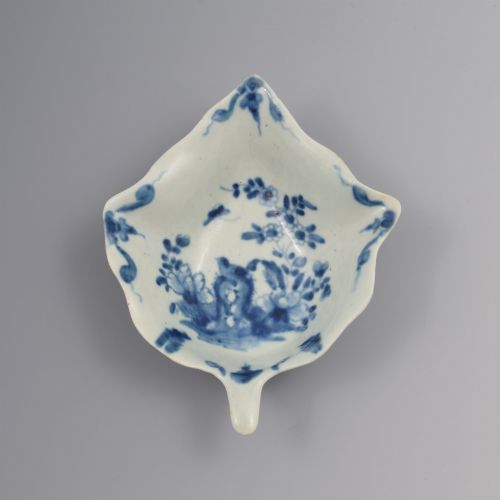
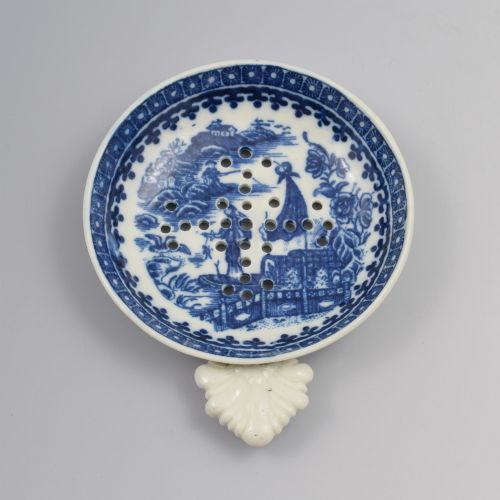
When searching for a soft paste porcelain boat, collectors encounter eighteenth-century tableware designed for sauces, cream, and condiments during Georgian dining. The pieces seen here span sauce boats, pickle dishes, cream boats, and sauce tureens produced across several decades.
The most common examples on this page are sauce boats and pickle dishes from eighteenth-century factories, featuring moulded forms like fluting, leaves, and dolphin handles. Georgian Chinoiserie and Georgian Rococo styles dominate the selection, reflecting the aesthetic preferences of the period.
Origins trace directly to major English ceramic works of the seventeen-fifties and sixties, employing soft-paste porcelain bodies. These tablewares served practical functions at elite dining tables before becoming cabinet pieces for modern collectors.
Manufacturing materials and methods
Makers formed these vessels using soft-paste porcelain, a vitreous ceramic composition fired at lower temperatures than hard paste, creating a warm, slightly creamy body. Potters combined white clays with glassy frits and other minerals to achieve this characteristic paste.
Decoration relied heavily on cobalt blue glaze applied beneath the glaze or hand-painted enamel colours over the surface. Artisans shaped pieces by hand or press-moulding into intricate forms such as leaf dishes and dolphin ewers, capturing detailed relief work.
Early potters occasionally gave graceful sauce boats enthusiastic lamprey handles, turning dinner table gravy into a marine adventure.
Evaluating quality and craftsmanship
Quality in these porcelain vessels rests upon the crispness of the moulded relief and the control demonstrated in the cobalt glaze painting. Finer pieces display sharp detailing on elements like leaves, fluting, and animal handles without blurring in the blue transfer or brushwork.
The translucency of the soft-paste body and the smoothness of the glaze surface also distinguish superior examples. Early potting technique variations mean that well-balanced proportions and stable glazing separate standard wares from the finest factory output.
Bow Porcelain·Derby Porcelain·Caughley Porcelain
The Soft Paste Porcelain Boat Glossary
- Soft-paste porcelain
- An early ceramic composition of clay, glass, and minerals fired at lower temperatures than true porcelain. It produces a distinctive warm body and creamy glaze.
- Cobalt glaze
- A rich blue metallic oxide applied under or over the ceramic glaze to create painted or printed decoration. It reacts with kiln heat to yield deep blue tones.
- Sauce boat
- A small vessel with a spout and handle used for serving sauces or gravies at the table. Eighteenth-century examples often feature moulded leaf or Rococo scroll designs.
- Pickle dish
- A small moulded dish, frequently shaped like a vine leaf or shell, used for serving pickles or small relishes. These items often match larger table services in pattern.
- Dolphin ewer
- A small cream jug or boat featuring a handle formed as a scrolling dolphin tail. This sculptural form appears frequently on mid-eighteenth-century English soft-paste vessels.
Soft Paste Porcelain Boat: Frequently Asked Questions
What is a soft paste porcelain boat?
A soft paste porcelain boat is an eighteenth-century ceramic vessel used for serving sauces, cream, or condiments at the dining table. These pieces were hand-formed or moulded in English factories using an early porcelain body.
They often feature cobalt blue painting, enamel decoration, and distinct shapes such as fluting, leaf patterns, or dolphin handles.
How do I date an eighteenth-century sauce boat?
Dating relies on identifying factory characteristics, paste composition, and painting styles recorded in the piece's history. Items from the seventeen-fifties and sixties often display specific cobalt blue motifs like Chinese figures or floral sprays.
Form also guides dating, as Rococo scrolls and naturalistic leaf mouldings were particularly popular during the middle decades of the eighteenth century.
How were these porcelain boats used originally?
These vessels functioned as practical tableware on elite Georgian dining tables for holding liquid condiments, melted butter, cream, or sauces. Servants passed them around the table during formal meals.
Over time, their decorative qualities and delicate painted scenes led to their preservation as cabinet and display pieces rather than everyday utensils.
How do I clean and display soft paste porcelain?
Soft paste porcelain requires gentle handling due to the porous nature of the body and historic glaze surfaces. Dusting with a soft, dry cloth is usually sufficient for maintenance, avoiding harsh detergents or soaking.
Display them away from direct sunlight and dramatic temperature fluctuations inside stable cabinets to protect the fragile ceramic structure.