
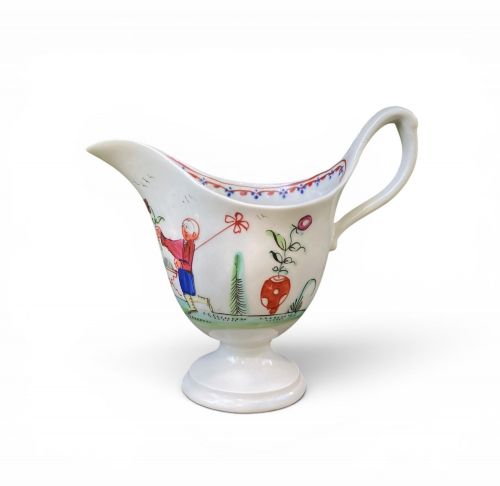


18th Century Sauce Boat
An 18th century sauce boat brings practical elegance to the table, designed for pouring gravy or sauce with refined period style.
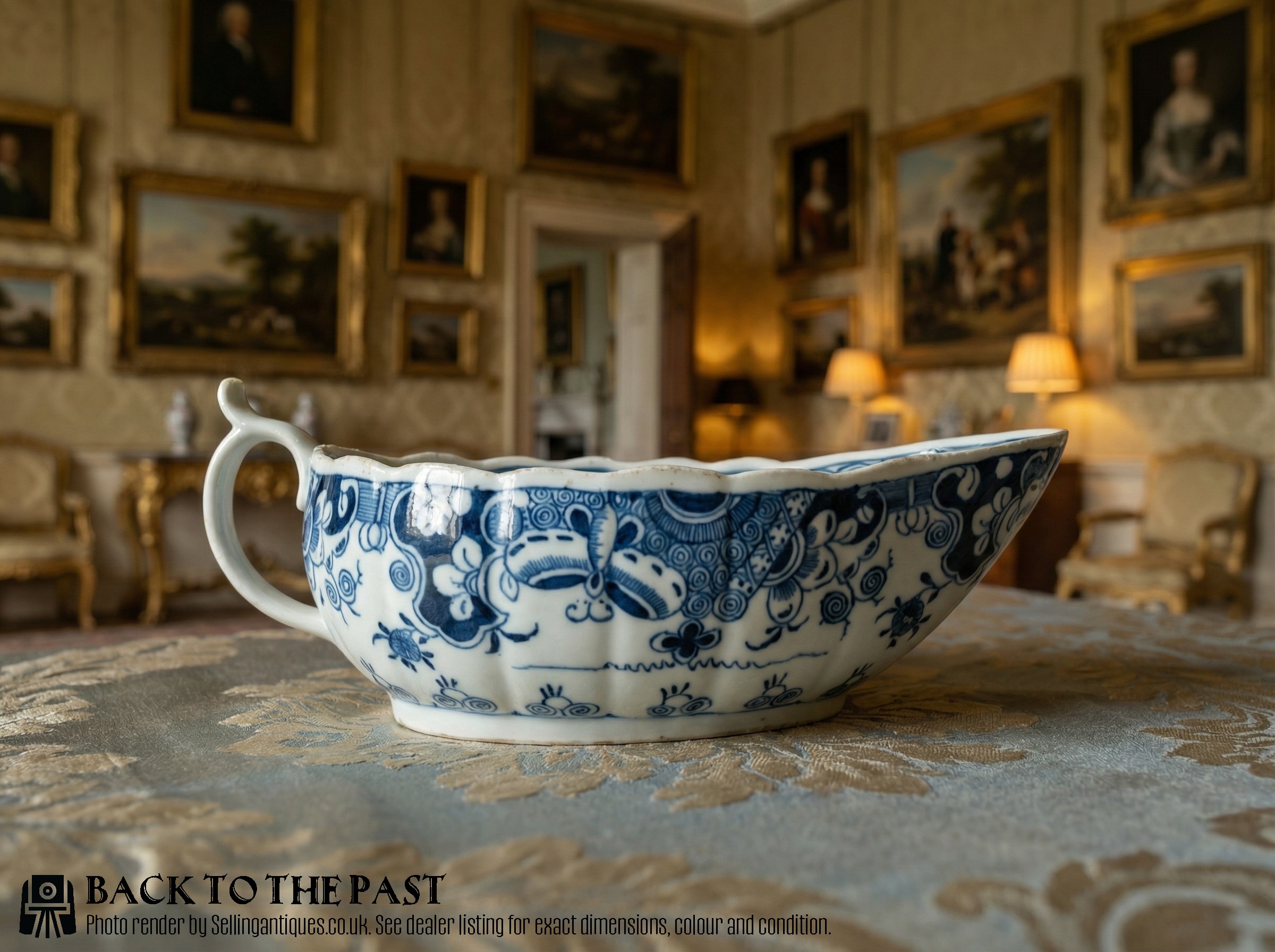
18th Century Sauce Boat
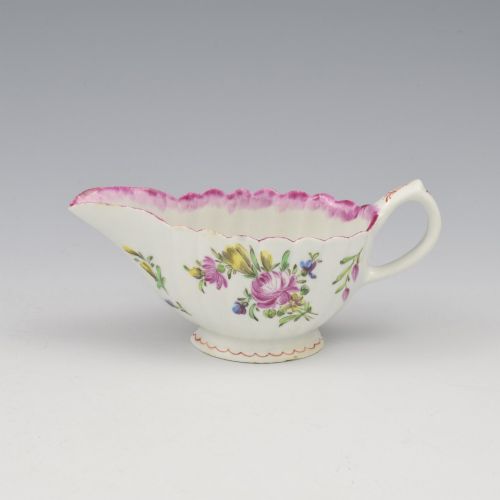
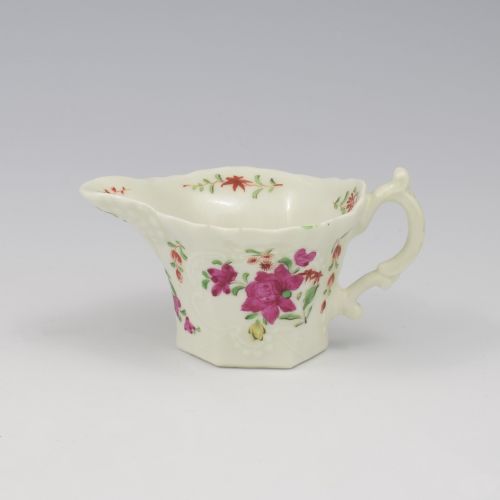
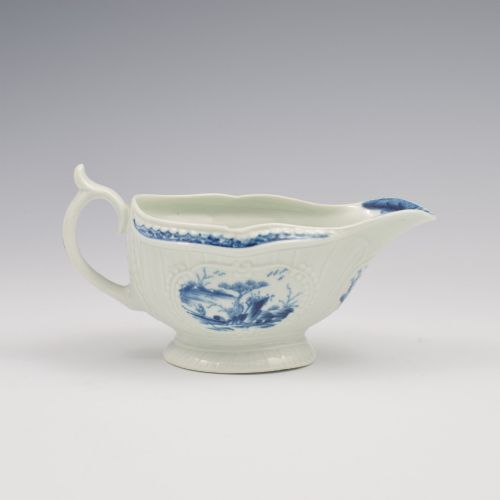
An 18th century sauce boat is a practical serveware vessel designed for holding and pouring gravies, melted butter, or sauces at the dining table. These pieces reflect the dining fashions of the Georgian era, appearing in porcelain, sterling silver, and enamel. Most examples you will encounter date from the mid to late decades of that century, often taking organic forms or classical silver shapes.
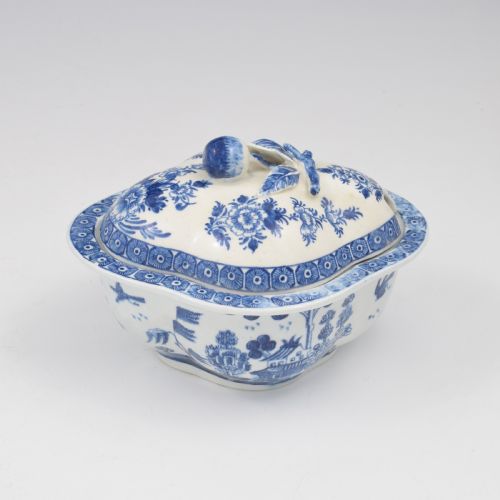
The porcelain versions span English factories such as Worcester, Bow, and Derby, alongside continental and Chinese export porcelain decorated with blue and white cobalt glaze, Chinese figures, or famille rose enamels. Silver iterations range from plain Georgian pedestal bowls to chased rococo creations by makers like James Welch and William Grundy. Alongside traditional sauce boats, the category includes sauce tureens, gravy warmers, and saucieres with matching plates.
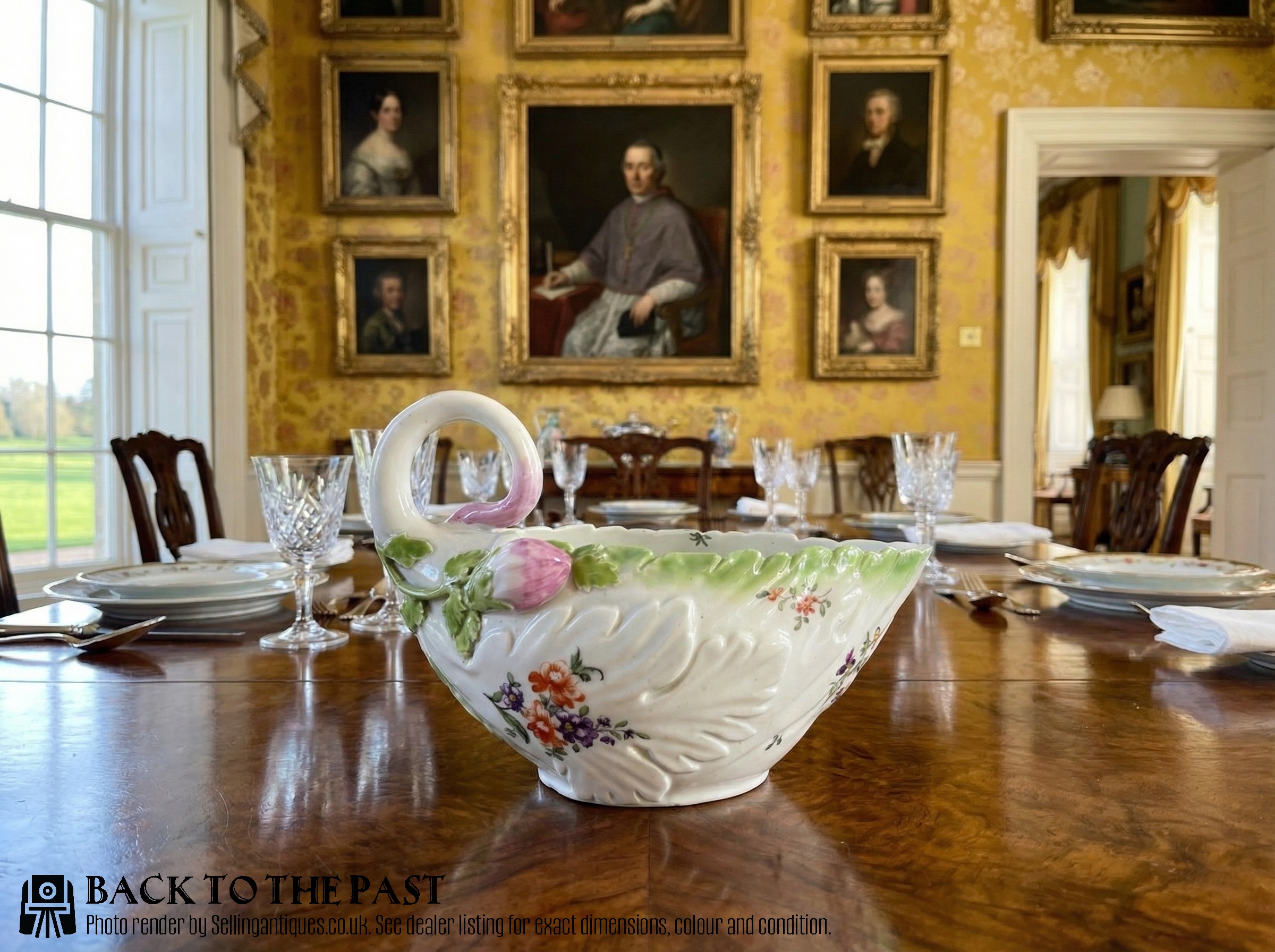
What Varies in Quality
Quality in an 18th century sauce boat depends heavily on the crispness of the moulding and the artistry of the decoration. Superior porcelain pieces display sharply defined fluting, clean cobalt painting without excessive smudging, and well-preserved overglaze enamels. In silver examples, the weight of the metal, the balance of the handle, and the precision of the silversmith's chasing separate standard domestic items from superior studio work.
Factory attribution also plays a role, with established works like First Period Worcester commanding attention for their refined body translucency and standard patterns. Secondary elements such as matching covers, undamaged leaf or pedestal bases, and clear hallmarks or factory marks elevate an individual piece above plain utilitarian vessels.
18th Century Sauce Boat Retail Price Guide 2026
Typical asking prices for 18th century sauce boat among the pieces listed under this phrase on Sellingantiques today, from the lower quarter to the upper quarter. They describe what is for sale here now, not the wider market.
Some 18th century sauce boats were moulded to mimic crisp lettuce leaves, turning practical gravy containers into delightfully leafy sculptures.
Bow Porcelain·Derby Porcelain·James Welch·William Grundy·Ambrose Boxwell·New Hall·Sevres
The 18th Century Sauce Boat Glossary
- Soft-paste porcelain
- A ceramic composition made from white clay, glass frit, and other materials, fired at lower temperatures than hard-paste porcelain. It is characteristic of many mid-18th century English factories.
- Cobalt glaze
- A deep blue metallic oxide pigment used under the glaze to decorate pottery before firing. It withstands high kiln temperatures without losing its intense colour.
- Famille rose
- A palette of opaque enamels dominated by pink or rose colours, introduced to Chinese export porcelain during the Qing Dynasty. It appears frequently on armorial pieces from the mid-18th century.
- Sauciere
- A French term for a sauce boat, often used to describe continental porcelain vessels. These sometimes include an attached or separate matching underplate.
- Argyll
- A covered gravy warmer designed to keep sauces hot at the table using an internal heating cylinder or compartment. It is an uncommon form of 18th century serveware.
18th Century Sauce Boat: Frequently Asked Questions
What is an 18th century sauce boat used for?
These vessels served gravy, melted butter, or thin sauces at formal Georgian dining tables. Their spouted forms allowed hosts to pour liquids cleanly without spilling.
Today, they function as decorative display items or practical serveware for special dinners, bringing historical character to modern dining rooms.
Are silver sauce boats marked?
British silver sauce boats from this era usually bear a maker's mark, a town mark, and a date letter stamped directly onto the base or body. These hallmarks identify the exact year of production and the silversmith responsible.
Irish silver and pieces by makers like James Welch or William Grundy carry these official stamps as a guarantee of metal standard.
Can I use an antique sauce boat daily?
While sturdy enough for occasional dining use, 18th century porcelain and silver require careful hand washing rather than dishwasher cleaning. Enamel and soft-paste ceramic surfaces can suffer from abrasive detergents or sudden thermal shock.
Many collectors prefer to display them safely or reserve them exclusively for special family gatherings.