
18th Century English Ceramics
These 18th century english ceramics comprise chargers, teapots, and figures made during the Georgian era that bring domestic history into modern interiors.
18th Century English Ceramics
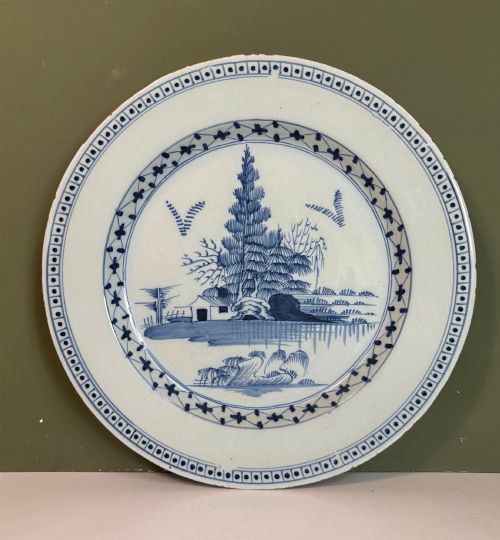
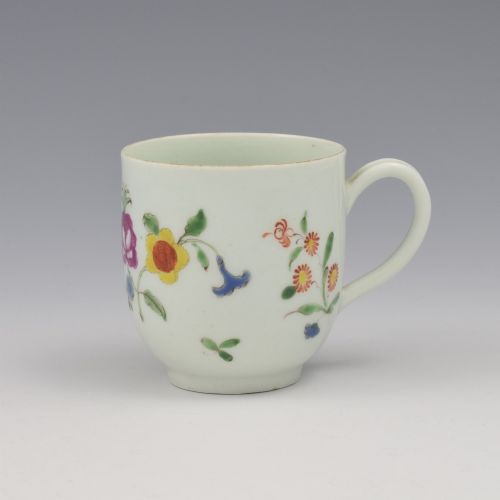
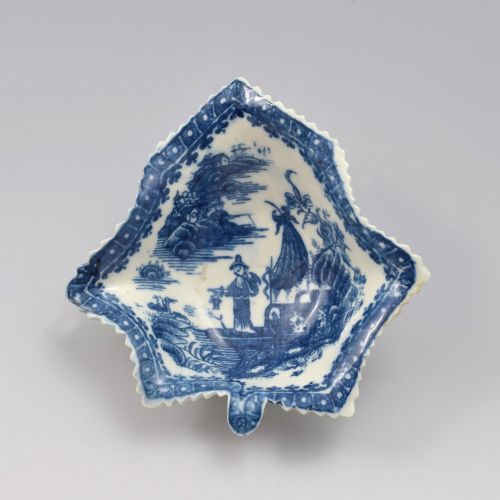
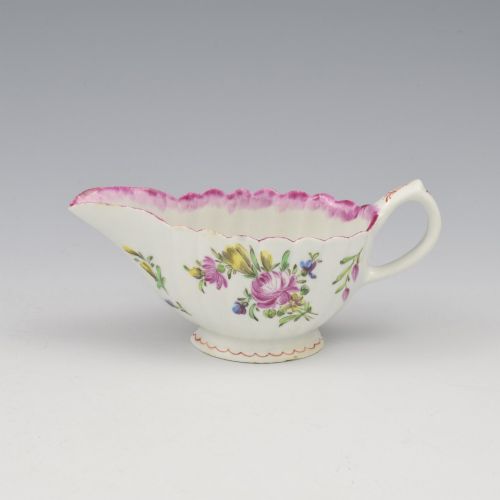
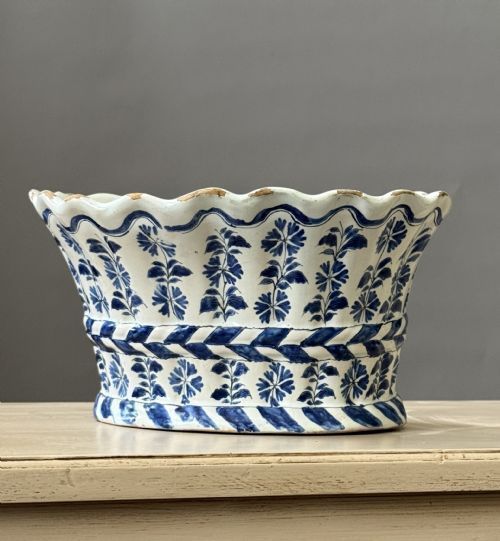
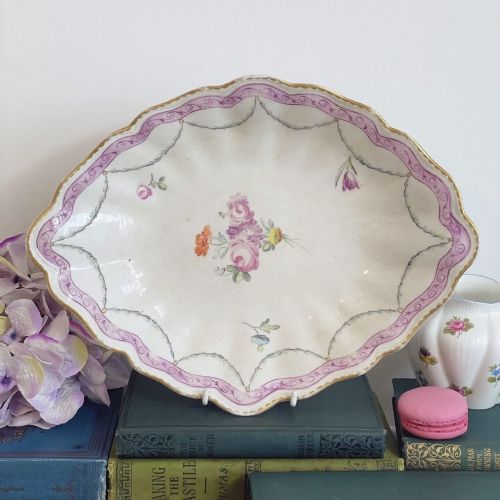
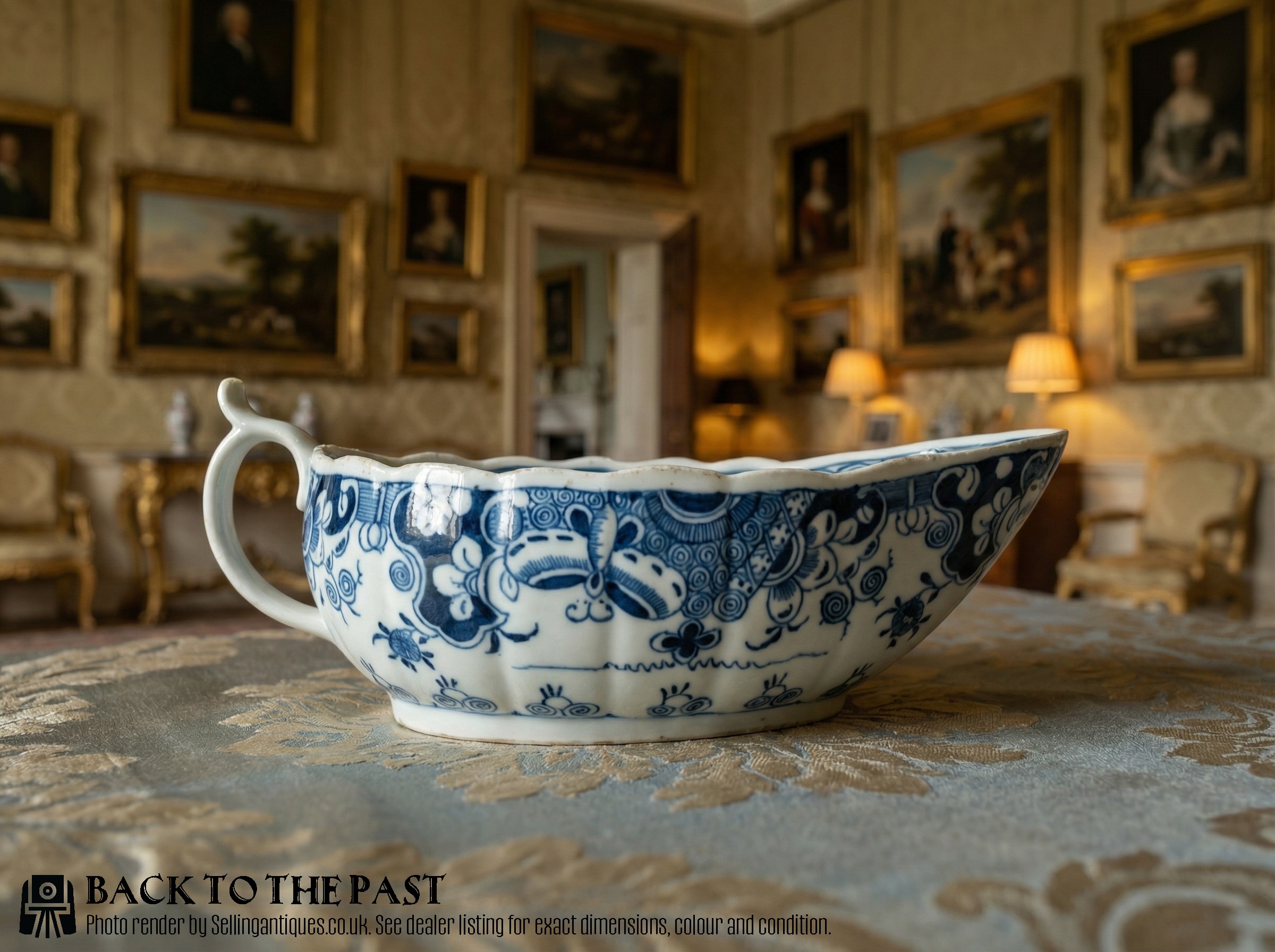
This grouping spans utilitarian vessels and decorative tableware created across the Georgian period, including tin-glazed earthenware and soft-paste porcelain. Domestic table use generated plates, pickle dishes, and sauce boats alongside larger display chargers.
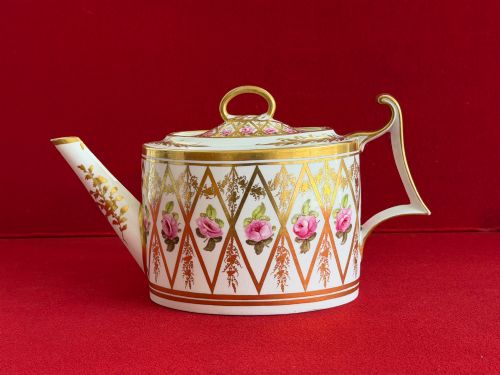
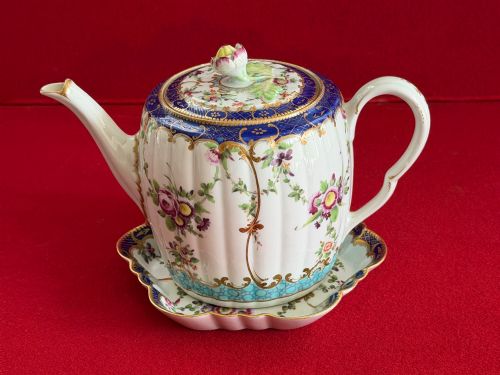
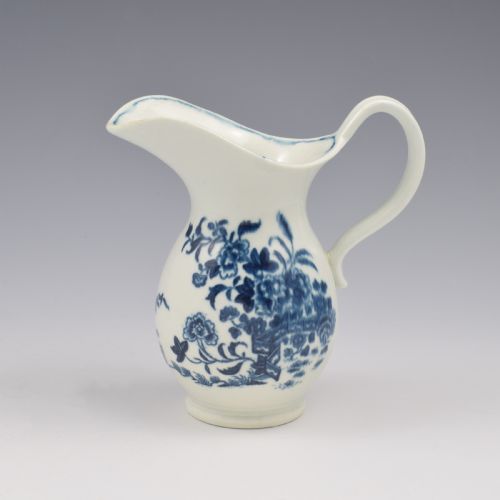
Factory production from Worcester, Derby, and Bow dominates the porcelain selection, often decorated with hand-painted polychrome florals or blue and white patterns. Earthenware examples encompass creamware dinner plates and slipware jugs from regional English potteries.
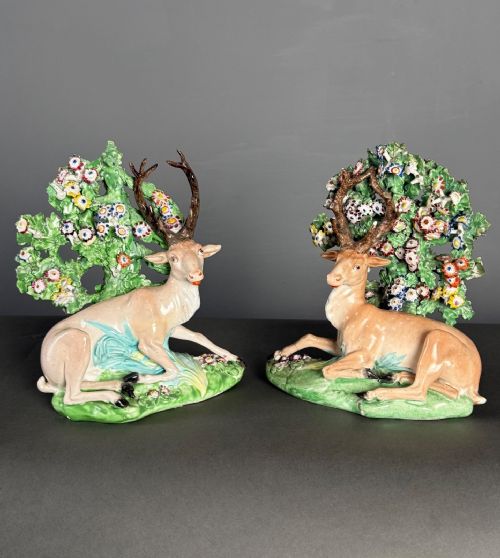
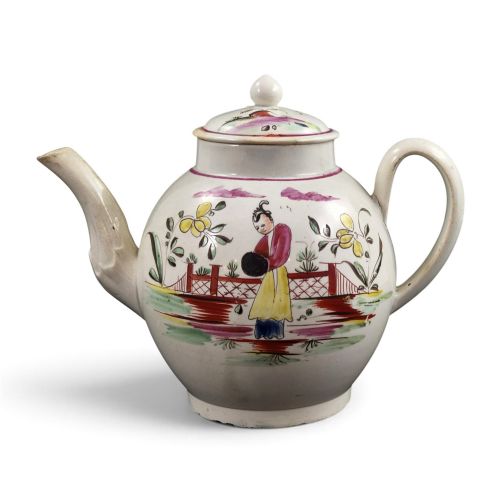
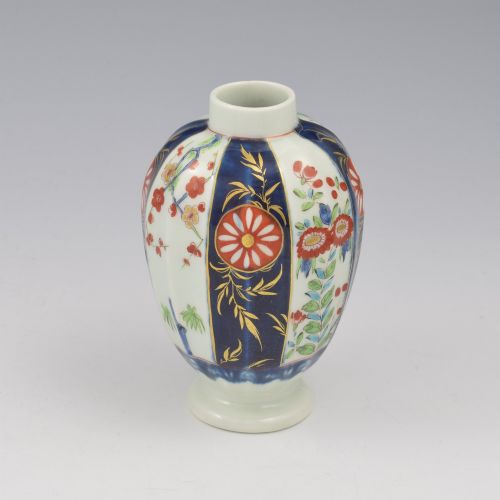
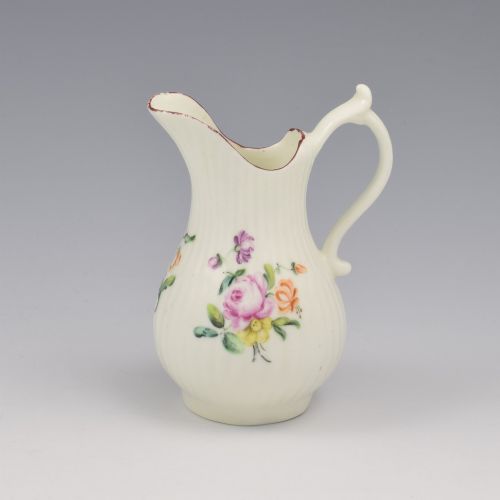
Domestic service pieces such as slop bowls, tea canisters, and milk jugs sit alongside ornamental figures like recumbent stags and biscuit allegorical pieces. These forms reflect the rising sophistication of English dining and tea habits during the seventeen-fifties and onwards.
Materials and Techniques
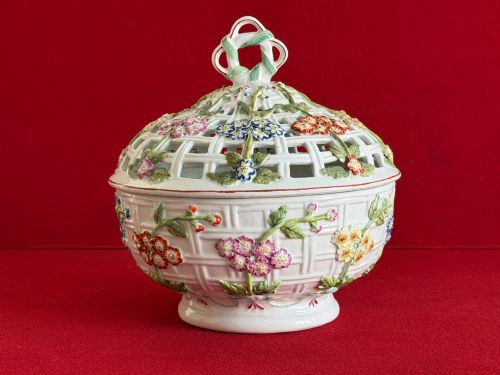
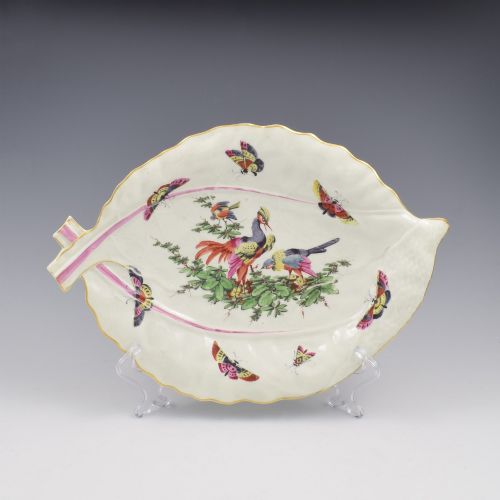
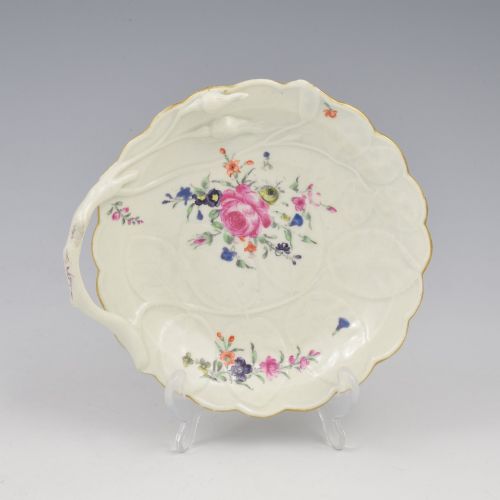
Potters shaped soft-paste porcelain and earthenware bodies on wheels or pressed them into moulds to create leaves, baskets, and fluted vessels. Tin-glazed earthenware received opaque white glazes that provided a smooth ground for hand-painted pigments.
Decoration relied on cobalt blue underglaze painting or overglaze enamel colours, sometimes accented with gilding or gold leaf. Creamware bodies utilised refined clays fired to a pale straw hue, finished with transparent lead glazes.
18th Century English Ceramics Retail Price Guide 2026
Typical asking prices for 18th century english ceramics among the pieces listed under this phrase on Sellingantiques today, from the lower quarter to the upper quarter. They describe what is for sale here now, not the wider market.
Recumbent stags gaze across porcelain tea canisters while mischievous birds perch on dessert dishes.
Variations in Quality
Execution of hand-painted decoration determines the visual success of a piece, separating hurried factory output from carefully rendered polychrome botanical or armorial motifs. Crispness in moulded details, such as wickerwork on baskets or feather edges on plates, reveals the condition of the original metal or plaster matrices.
Glaze purity and kiln stability separate exceptional productions from standard wares, visible in the evenness of tin-glaze or the translucency of soft-paste porcelain. Preservation of original gilding and enamel brilliance without excessive rubbing elevates the standing of individual table and display items.
Dr Wall Worcester·Richard Chaffers·Flight and Barr·Wedgwood
The 18th Century English Ceramics Glossary
- Creamware
- A refined light-coloured earthenware developed in Staffordshire and perfected by manufacturers like Wedgwood. It superseded heavier salt-glazed stonewares for everyday dining.
- Tin-Glazed Earthenware
- Pottery coated with a glaze containing tin oxide to produce an opaque white surface. It served as a canvas for painted colours before porcelain production dominated.
- Soft-Paste Porcelain
- An artificial porcelain mixture of clay, glass frit, and white sand fired at lower temperatures than hard-paste. It displays a warm, creamy translucency typical of English factories.
- Biscuit
- Unglazed fired porcelain or earthenware with a matte texture. Factories utilised this finish for sculptural figures to emphasise modelled form over glaze gloss.
- Charger
- A large decorative plate or dish intended primarily for display on sideboards or walls rather than for serving food at table.
18th Century English Ceramics: Frequently Asked Questions
How do I care for antique ceramic plates?
Wash these pieces by hand in warm water using mild soap, avoiding dishwashers and abrasive sponges entirely. Store them securely in stable display cabinets away from direct sunlight.
Inspect existing repairs or old hairline fractures periodically to ensure handling does not stress vulnerable areas. Gentle maintenance preserves the fragile enamel and gold leaf decorations.
Were tea sets used daily?
Wealthy Georgian households utilised porcelain teapots, cups, and saucers for formal social gatherings rather than rough everyday dining. These vessels formed the centrepiece of afternoon tea rituals.
Servants managed the preparation and cleaning while guests admired the hand-painted floral or Chinoiserie patterns. Consequently, many surviving tea wares retain excellent surface preservation.
Can I use creamware for serving food?
Original creamware dinner plates and pudding bowls remain structurally sound for occasional modern table use. However, historic pieces may have porous bodies or vulnerable historical glazes.
Hand washing prevents thermal shock and protects the delicate creamware surfaces from staining. Most collectors prefer to exhibit them as decorative table arrangements.
How do I distinguish soft-paste porcelain?
Soft-paste porcelain exhibits a warmer, slightly creamy tone when viewed against direct light compared to later hard-paste bodies. The glaze often shows tiny pooling or minor surface imperfections from early kiln firings.
Examinations of unglazed foot rims reveal a granular texture characteristic of frit-based porcelain mixtures. Early Worcester and Derby pieces provide clear examples of this distinct body type.