

Georgian Ceramic Plate
A georgian ceramic plate brings the sophisticated tablecraft of the eighteenth and early nineteenth centuries directly to your home.
Georgian Ceramic Plate
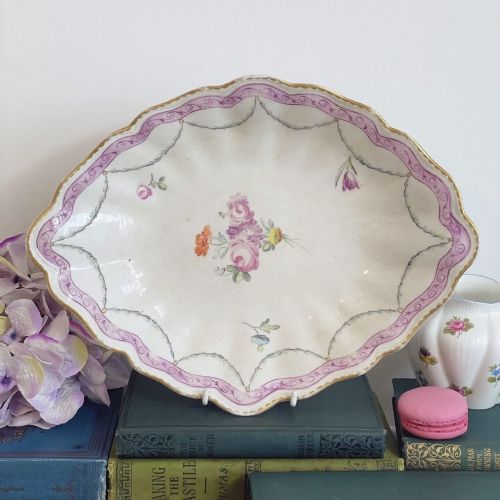
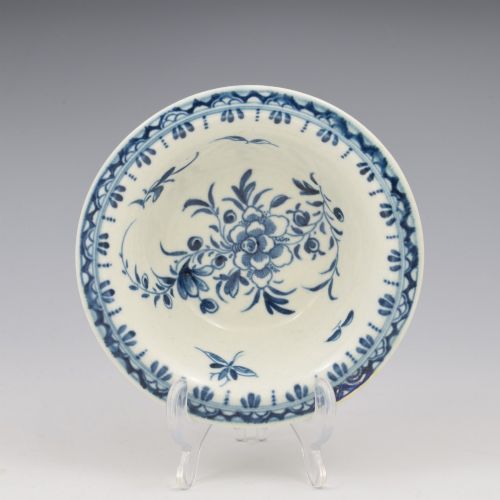
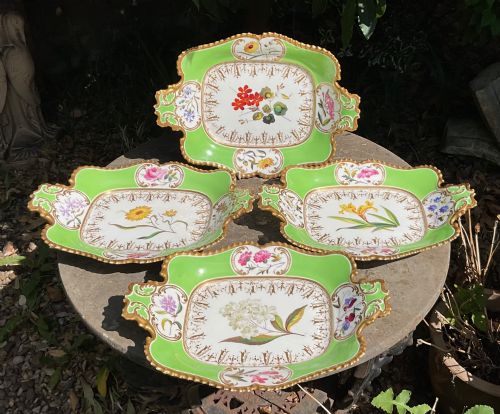
When searching for a georgian ceramic plate, buyers encounter a diverse selection of utilitarian and decorative tablewares spanning earthenware, porcelain, and stoneware. These pieces include chargers, dinner plates, dessert services, and serving dishes produced during the eighteenth and nineteenth centuries.
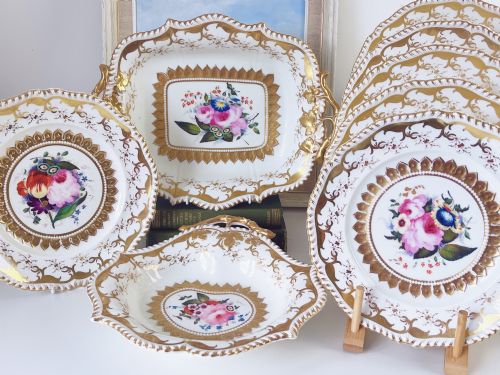
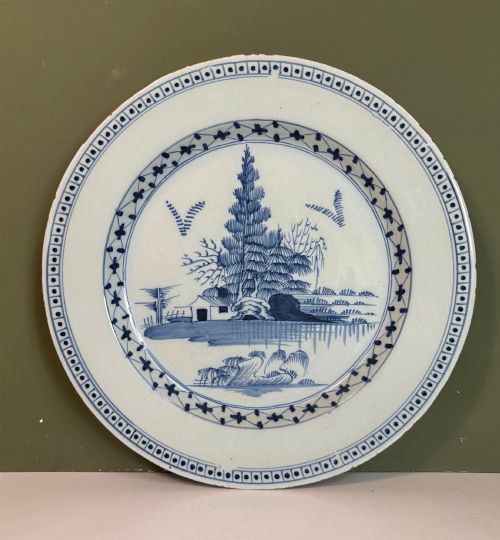
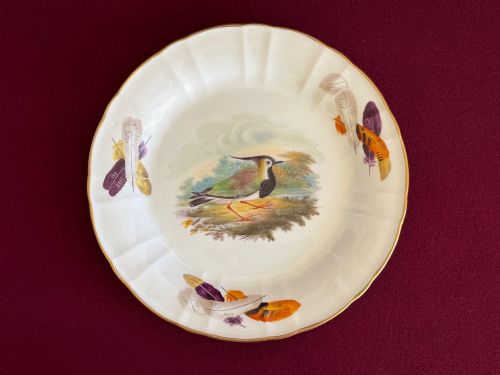
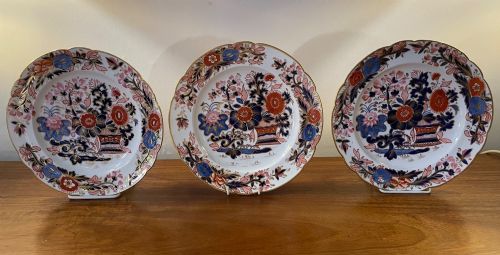
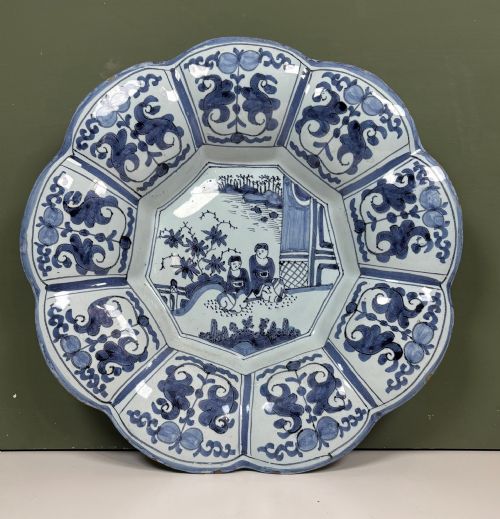
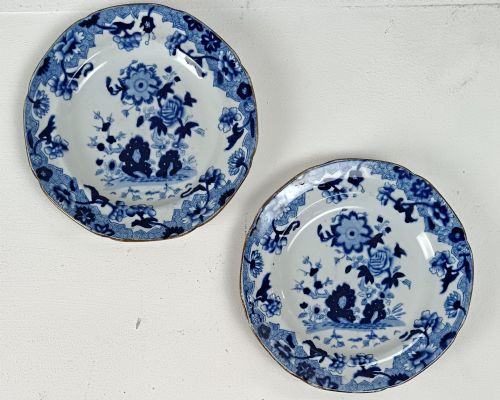
The most common versions met on this page range from tin-glazed delftware chargers to transfer-printed earthenware and painted porcelain plates. Makers utilised various styles including Chinoiserie, neoclassical designs, and Dutch Baroque influences.
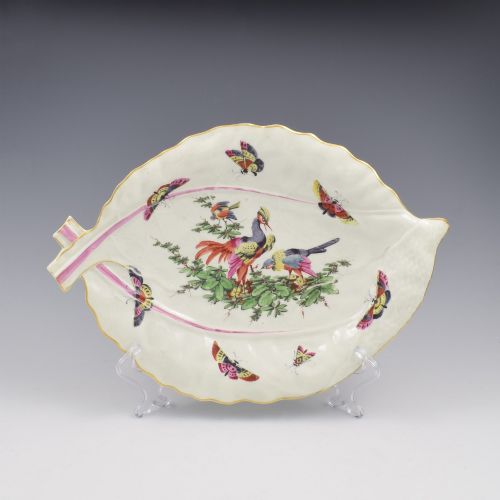
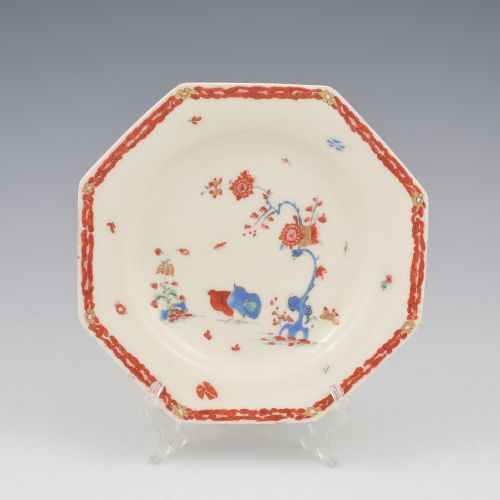
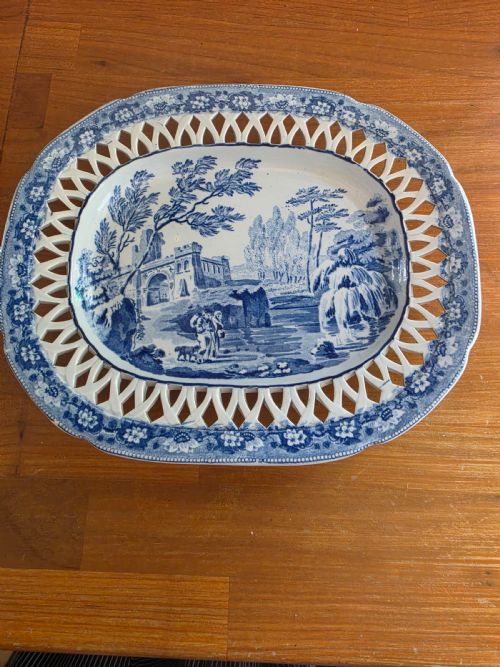
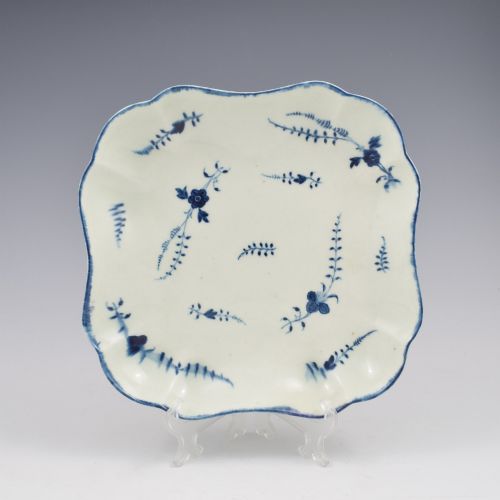
Forms extend from standard round dinner plates to lobed square dessert dishes, platters, and octagonal shapes. Examples stretch across the Georgian, Regency, and early Victorian eras.
Materials and Techniques
Potters constructed these objects using ceramic bodies such as creamware, bone china, soft-paste porcelain, and ironstone, finished with tin glaze, enamel, or transparent lead glazes. Artisans applied decoration through hand-painted polychrome brushwork, underglaze blue transfer printing, and occasional gold leaf highlights.
Factories formed wares either by throwing on a potter's wheel or pressing clay into moulds, particularly for complex shapes like leaf dishes and scalloped platters. Firing techniques evolved across the period, resulting in varied body densities from porous earthenware to vitrified stone China.
Georgian Ceramic Plate Retail Price Guide 2026
Typical asking prices for georgian ceramic plate among the pieces listed under this phrase on Sellingantiques today, from the lower quarter to the upper quarter. They describe what is for sale here now, not the wider market.
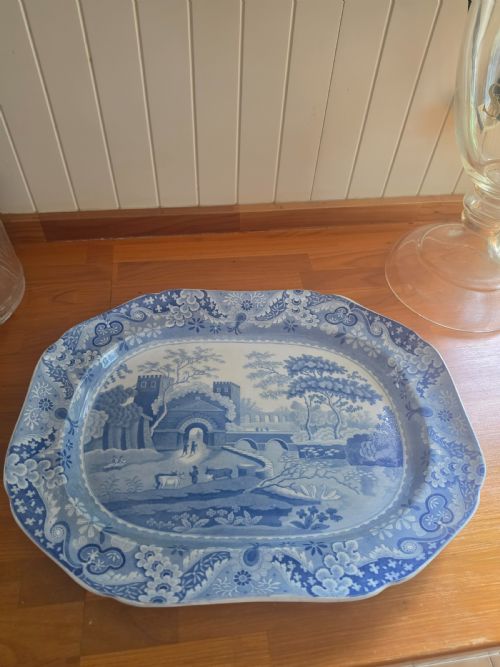
Plates record dramatic historical narratives, including hunting scenes, castles, and a rather grim depiction of a bear's demise.
Evaluating the Pieces
Quality in these ceramic pieces depends on the crispness of the transfer print or the brush control in hand-painted floral and pictorial scenes. Superior items exhibit careful glaze application with minimal kiln distortion and well-balanced compositions.
The sophistication of the paste and the prestige of the manufacturing house dictate the upper tiers of the market. Fine porcelain bodies and intricate armorial or pictorial subjects command greater attention than standard utilitarian earthenware.
Grainger Lee And Co·Wedgwood·Derby·Spode·Davenport·Chamberlains Worcester·Hicks And Meigh·Minton·John Rogers And Son·Stubbs
The Georgian Ceramic Plate Glossary
- Creamware
- A refined earthenware developed in the eighteenth century featuring a pale yellowish cream hue. Wedgwood became particularly famous for perfecting this light and durable body.
- Transfer printing
- A decoration technique where an engraved copper plate transfers a design onto tissue paper, which is then stamped onto the ceramic biscuit. This method allowed intricate blue and white landscapes to be reproduced rapidly.
- Soft-paste porcelain
- An artificial porcelain composition fired at lower temperatures than true hard-paste porcelain. It was widely used by eighteenth-century English factories before bone china became dominant.
- Ironstone
- A heavy, durable type of earthenware patented in the nineteenth century. It resists chipping and served as a strong medium for colourful Japan and Imari patterns.
Georgian Ceramic Plate: Frequently Asked Questions
How were georgian ceramic plates used?
These items served functional roles at elite dining tables for serving meats, soups, and desserts, as well as decorative display purposes. Chargers and large platters held central joints or mounds of food during formal courses.
Smaller tea plates and dessert services accommodated the final stages of a meal. Many pieces also acted as display items on sideboards to demonstrate the host's refined taste.
Can I use antique plates for dining?
Most collectors treat these historical ceramics as display pieces or decorative table elements rather than for daily meals. Glazes from the eighteenth and nineteenth centuries can be sensitive to modern dishwashers and cutlery marks.
Gentle hand washing in lukewarm water preserves the hand-painted enamels and delicate ceramic bodies. Avoiding thermal shock prevents crazing in the historical glaze layers.
How do I distinguish earthenware from porcelain?
Porcelain possesses a vitrified, dense body that often transmits light when held up to a bright source. It feels smooth and rings clearly when lightly tapped.
Earthenware is opaque, more porous, and generally heavier in the hand. Creamware and pearlware represent refined iterations of this earthenware tradition.
What does armorial mean on a plate?
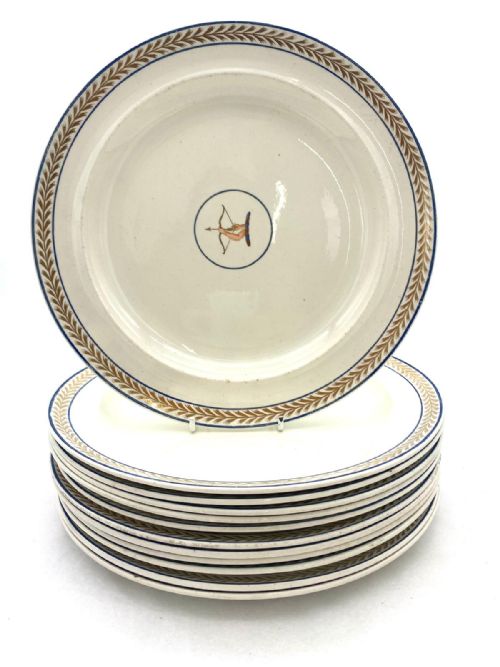
Armorial ceramics feature hand-painted or transferred coats of arms belonging to prominent families or institutions. Wealthy patrons commissioned these bespoke services to display lineage and social status.
Plates bearing these heraldic crests sit among the most documented and collected categories of eighteenth-century tableware.