




Cobalt Blue Ceramic
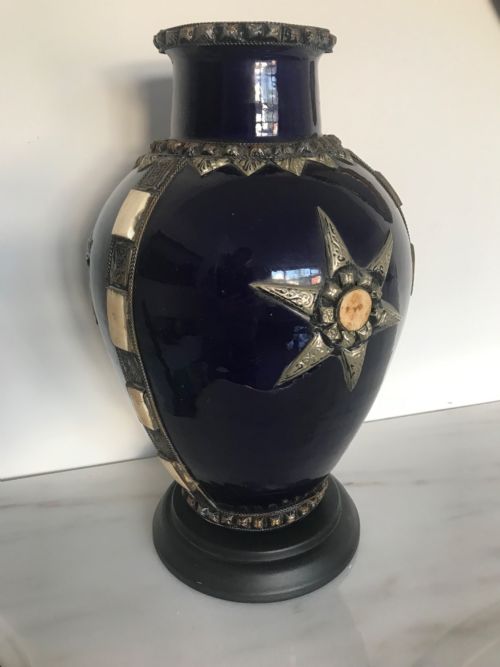
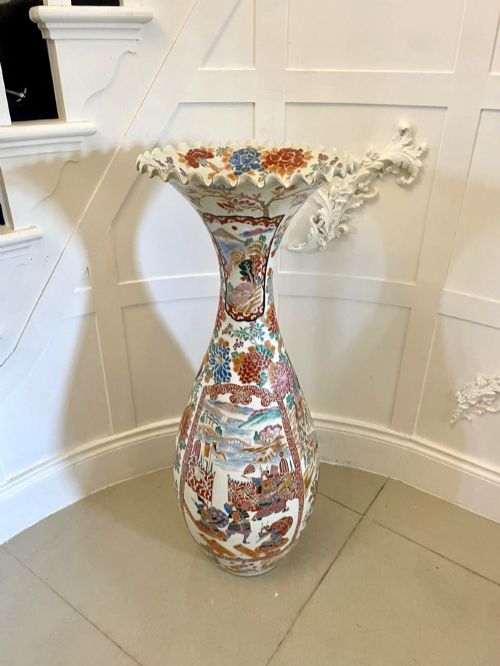
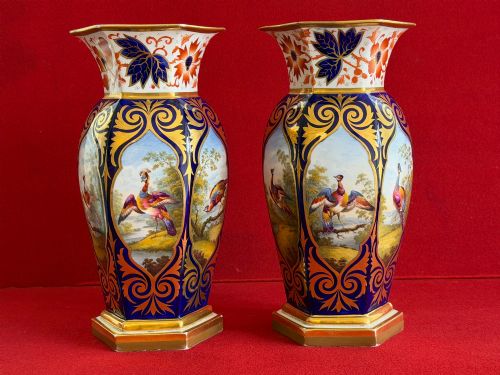
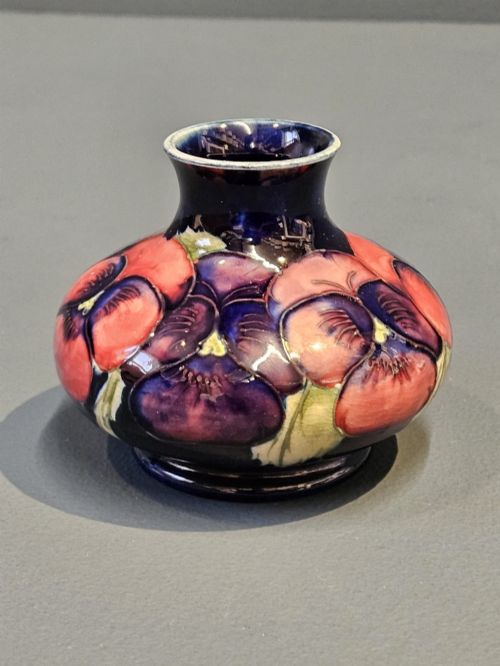
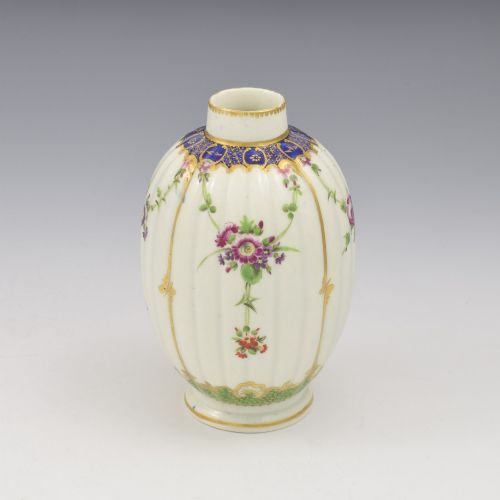
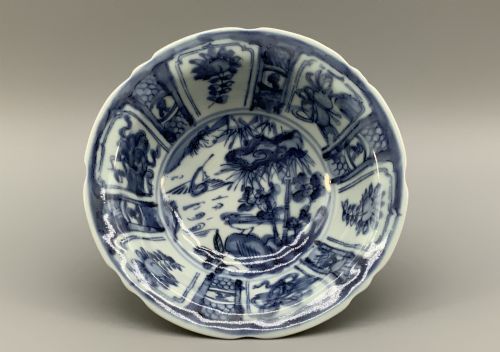
Cobalt blue ceramic pieces bring deep mineral hues and lasting craftsmanship to a room, spanning centuries of global artistry from English porcelain to Japanese Imari.
Cobalt Blue Ceramic
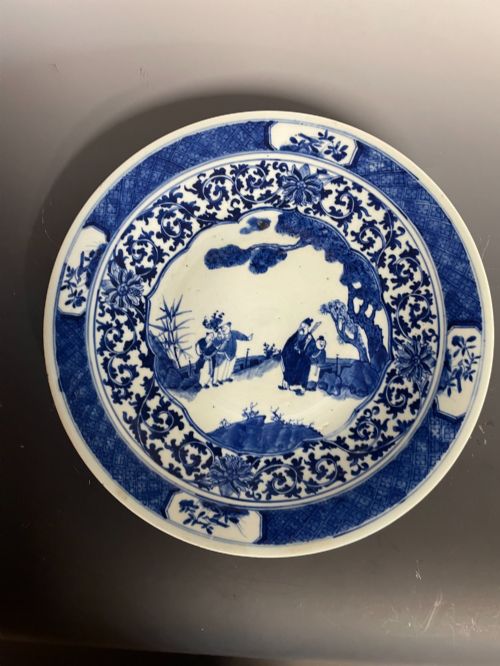
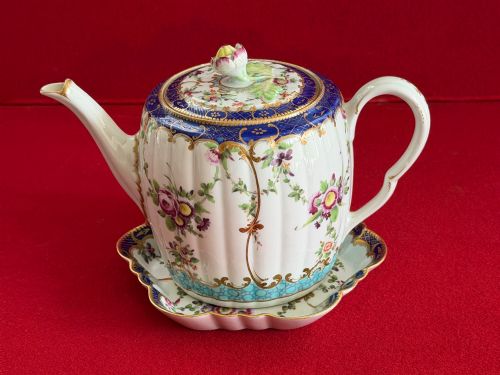
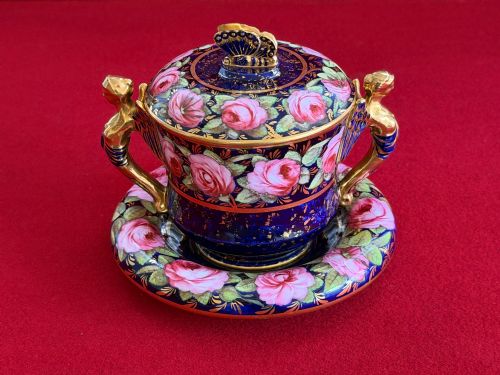
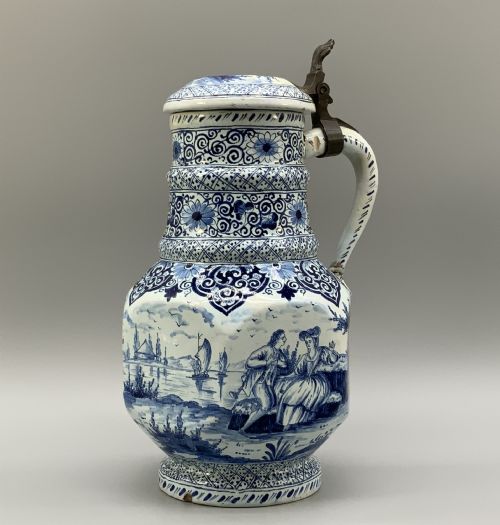
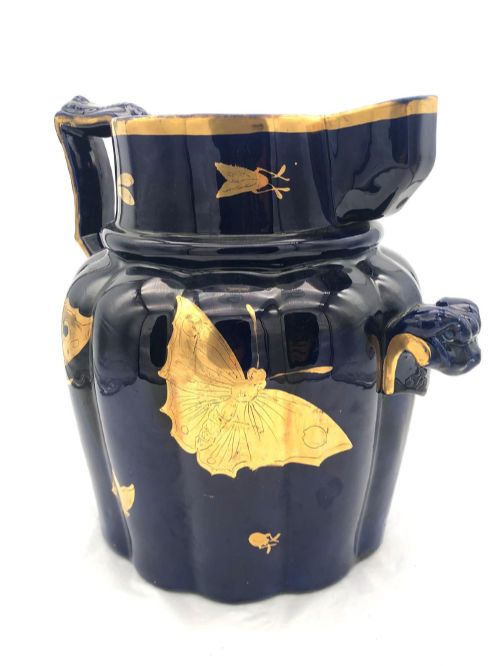
Cobalt blue ceramic encompasses a wide spectrum of functional and decorative wares, including chargers, vases, jugs, and tea services produced across Europe and Asia. When exploring this selection, buyers frequently encounter 18th-century Delft chargers, Japanese Imari plates, and Regency-era English cabinet porcelain.
The objects range from large floor-standing vases and footbaths down to delicate coffee cups and saucers. Pieces originate from diverse traditions such as Qing Dynasty China, Meiji period Japan, and historic European potteries like Worcester and Coalport.
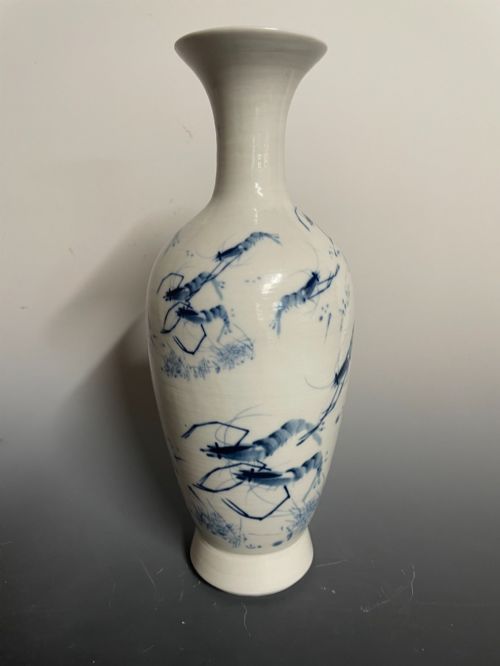
Vessels and plates in this group often display intense underglaze blue decoration applied before firing. This enduring palette unites centuries of diverse ceramic output into a single, highly recognisable aesthetic category.
Manufacturing methods and materials
Potters achieved the characteristic deep blue decoration by applying cobalt oxide beneath a clear glaze before firing the ceramic body at high temperatures. This technique ensured the pigment fused permanently with the glaze, creating a stable and luminous finish that resisted fading.
Many English and European pieces utilise refined porcelain, earthenware, or ironstone bodies, sometimes enhanced with gilding, gold leaf, or enamel highlights. Potters often combined cobalt underglaze painting with moulded details, pewter lidded mounts, or silver-plated additions to complete the vessels.
Cobalt Blue Ceramic Retail Price Guide 2026
Typical asking prices for cobalt blue ceramic among the pieces listed under this phrase on Sellingantiques today, from the lower quarter to the upper quarter. They describe what is for sale here now, not the wider market.
Assessing quality in cobalt blue ceramic
Quality in these ceramics rests on the crispness of the underglaze painting, the purity of the white ground, and the balance of the form. Superior examples display controlled brushwork and rich, uniform blue tones without bleeding or pooling.
The sophistication of the potting and the precision of any applied gilding or metal mounts distinguish finer production pieces from standard wares. Maker attribution and period specific details further elevate the standing of individual items.
Flight Barr And Barr·Moorcroft·Spode·Doulton Lambeth·Royal Crown Derby·Coalport·Minton·Fourmaintraux Courquin
The Cobalt Blue Ceramic Glossary
- Imari
- A style of Japanese export porcelain featuring deep cobalt blue, iron red, and gilt highlights. The palette originates from traditional kilns in Arita and gained immense popularity across Europe during the 18th and 19th centuries.
- Delft
- Tin-glazed earthenware produced in the Netherlands and England, typically decorated with cobalt blue motifs. This tin glaze creates an opaque white surface that mimics Chinese porcelain.
- Charger
- A large decorative plate intended for display on a sideboard or wall rather than for everyday dining. These sizeable pieces often showcase elaborate painted scenes or repeating borders.
- Underglaze
- A method of decorating pottery beneath a transparent glaze layer before firing. This protects the pigment from wear and gives the finished pattern a smooth, vitreous depth.
Cobalt Blue Ceramic: Frequently Asked Questions
How do I date an antique cobalt blue ceramic piece?
Dating relies on examining the glaze consistency, base marks, potting style, and stylistic indicators such as Regency or Meiji period motifs. Comparing the blue pigment application to known factory periods helps narrow the manufacturing window.
Pottery bodies and mounting hardware also provide vital clues, as metal mounts or pewter lids often reflect the prevailing tastes of their specific century.
Can I use these antique plates and bowls daily?
Most historic ceramics from these periods are best reserved for display or light decorative use rather than heavy daily dining. The glaze and body can be vulnerable to thermal shock, modern dishwashers, and sharp cutlery.
Gentle hand washing with mild soap preserves the delicate underglaze painting, enamel work, and any applied gilding or gold leaf.
What is the difference between Delft and porcelain?
Delft is a tin-glazed earthenware with a porous, opaque white body that tends to be heavier in the hand. Porcelain is a vitrified, dense ceramic material that rings when tapped and often appears translucent under strong light.
While both traditions utilise cobalt blue decoration, their manufacturing techniques and regional origins diverge significantly between Europe and Asia.
How should I display a large charger or floor vase?
Large chargers require secure plate stands or professional wall mounting brackets designed to support their weight safely. Floor-standing vases command presence in corners or entryways where they avoid foot traffic and accidental knocks.
Positioning pieces away from direct, harsh sunlight protects any enamel or gilded highlights from fading over extended periods.