

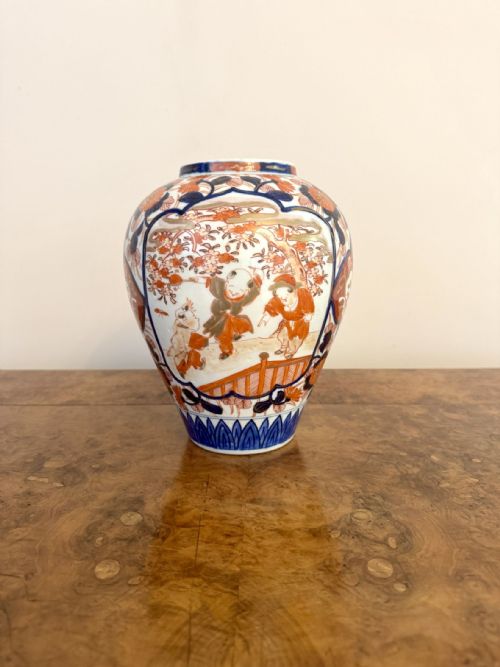
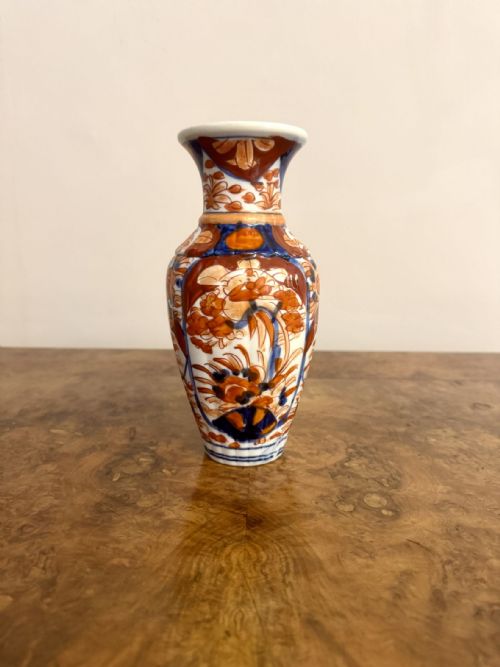
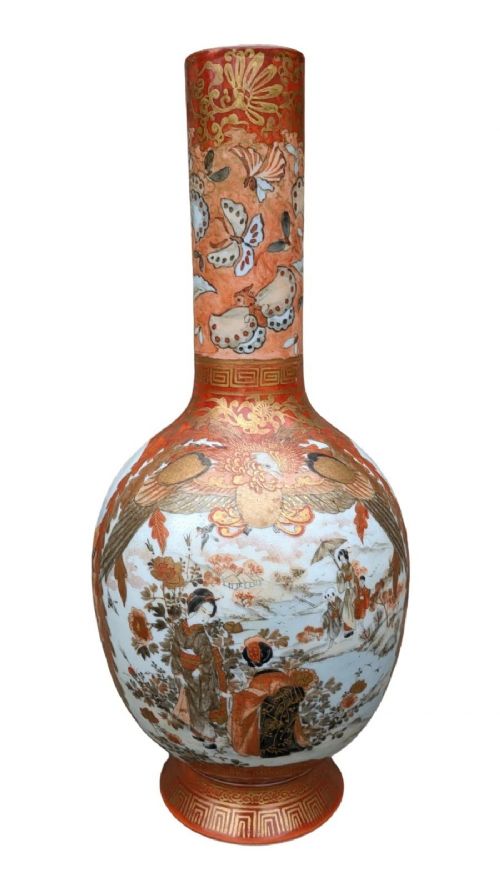
Oriental Porcelain Vessel
These oriental porcelain vessel examples are distinctive ceramic forms that bring centuries of Asian artistry and craftsmanship into your interior.
What these pieces are
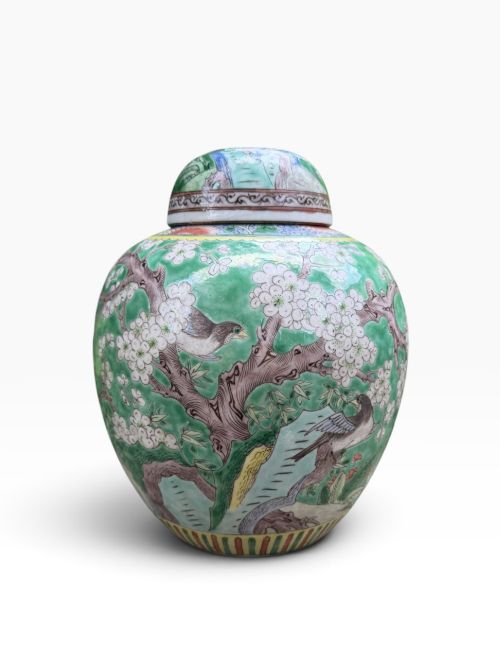
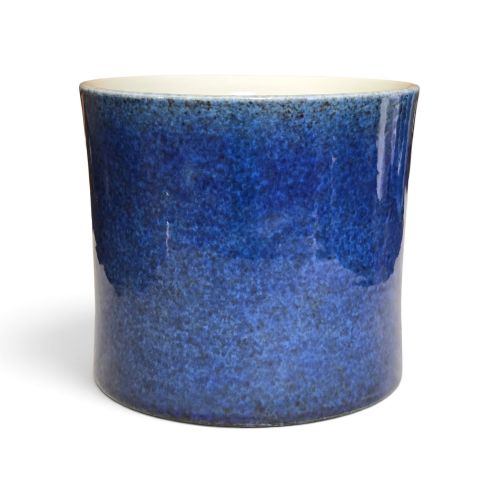
When searching for an oriental porcelain vessel, buyers encounter an array of forms spanning centuries of Asian ceramic production. The selection encompasses vases, teapots, and ginger jars originating from various periods and traditions.
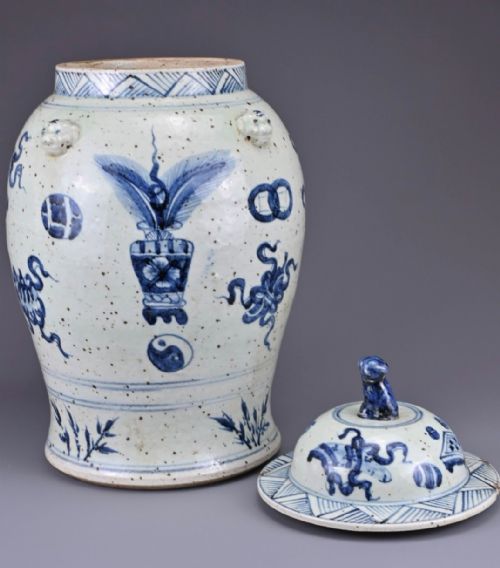
Vases represent the most common form on this page, appearing in diverse shapes such as the bottle vase with a flaring neck and the octagonal teapot with cover. Pieces range from the Kangxi period and the 17th century through to the 19th century, Edwardian era, 1900, and the Republic period.
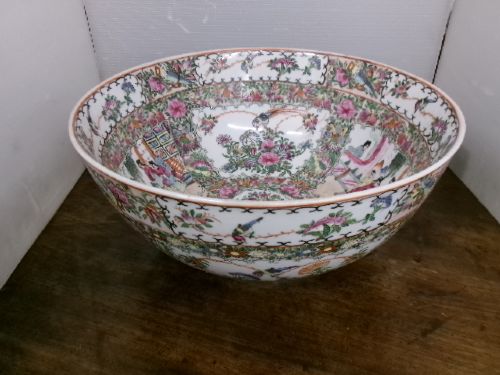
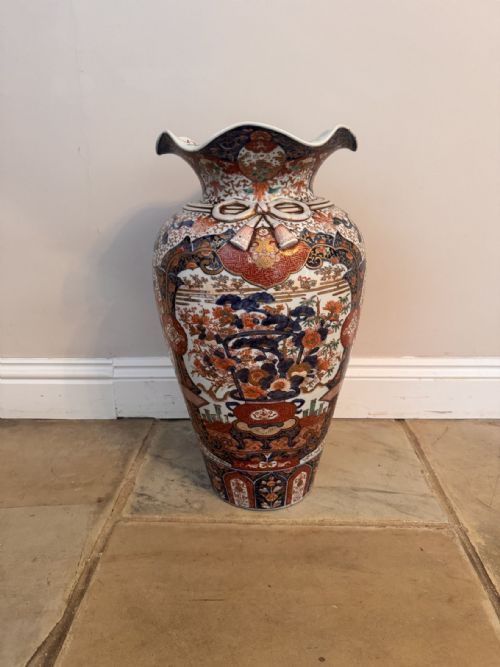
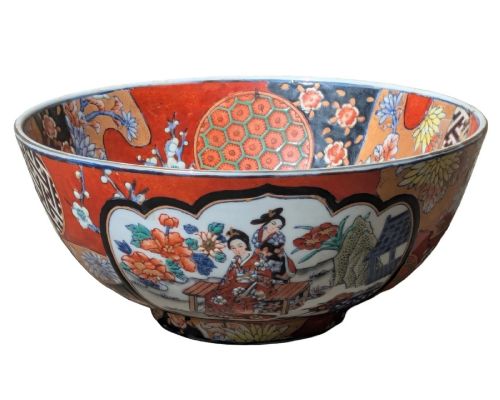
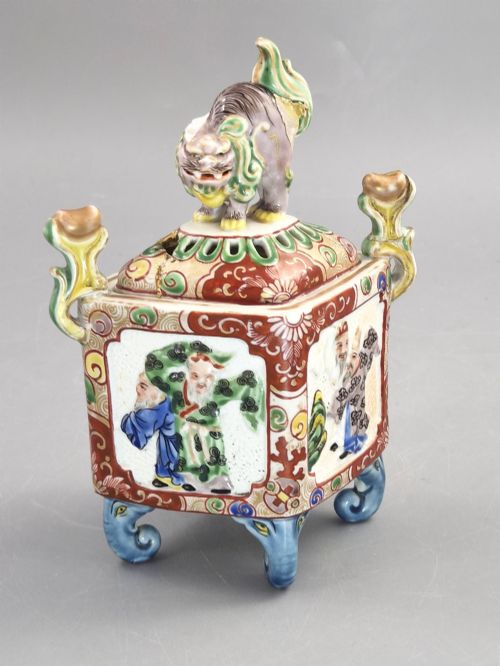
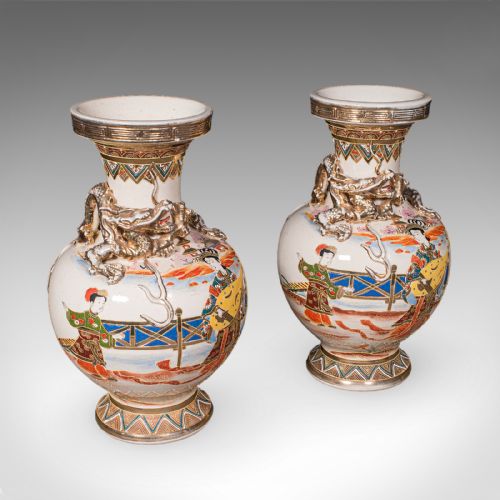
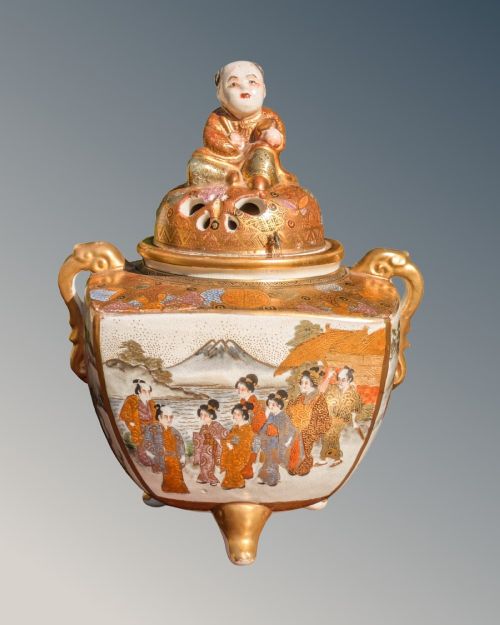
Stylistic influences include Chinese antique porcelain, Chinoiserie, Chinese provincial work, Japanese Imari, and Japanese Meiji period Satsuma wares. Buyers will find both Chinese blue and white creations and Japanese polychrome designs among the listings.
How they were made
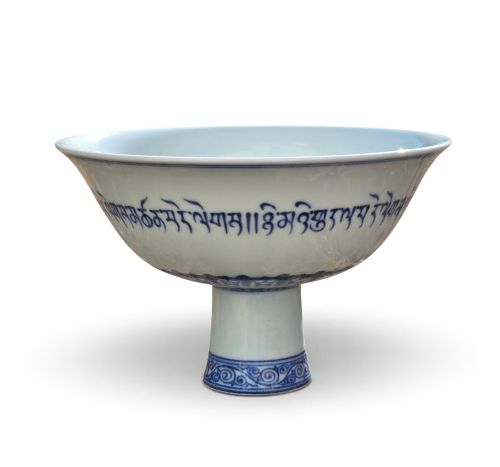
Makers utilised fine porcelain and earthenware as the primary ceramic bodies for these vessels, shaping them on the wheel or forming them into specific geometries like octagonal profiles. Cobalt underglaze was applied to create deep blue designs before firing.
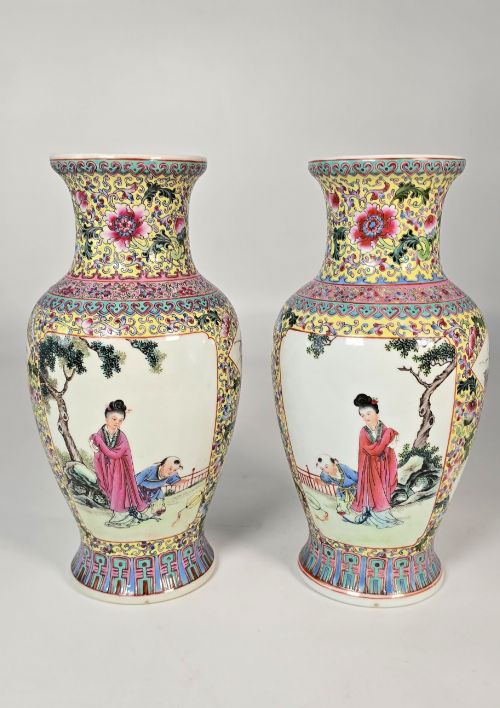
Enamel, enamel glaze, and gold leaf were frequently added over the glaze to introduce vibrant polychrome detail and metallic highlights. Some pieces feature specific marks, such as a Qianlong seal mark in underglaze blue, while others bear artist signatures like that of Gao Hengsheng.
Retail Price Guide 2026
Typical UK retail prices for oriental porcelain vessel, calculated from the Sellingantiques database of over a million retail prices indexed since 2003. This retail price guide relies exclusively on Sellingantiques data; no external sources or auction records are used, so the figures do not describe the wider market.
Current listings feature porcelain and earthenware vessels from the 17th century through to the 1930s, including pieces from the Kangxi and Republic periods.
What varies in quality
The distinction between standard examples and the finest works lies in the precision of the hand-painted brushwork and the clarity of the cobalt or enamel glazes. Superior items exhibit crisp lines, balanced proportions, and expertly applied gold leaf details that enhance the ceramic contours.
The sophistication of the form and the integrity of the period glazes dictate desirability, particularly in pieces featuring complex pictorial scenes or detailed imperial marks. Rarity of shape, such as an octagonal teapot with cover, elevates the standing of an individual vessel.
Gao Hengsheng
The Oriental Porcelain Vessel Glossary
- Bottle vase
- A ceramic vessel characterised by a globular body and a narrow neck resembling a bottle. This form is frequently seen in blue and white porcelain.
- Ginger jar
- A storage jar with a broad shoulders and a short neck originally used for spices. These containers often feature underglaze blue or polychrome enamel decoration.
- Imari
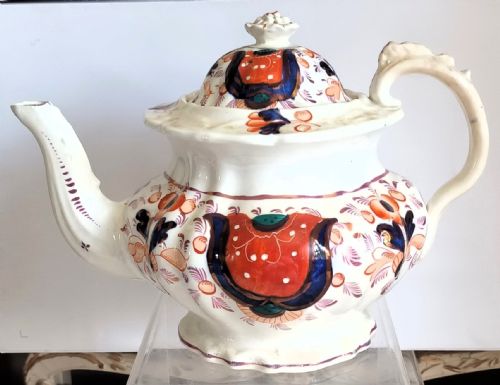
- A style of Japanese export porcelain decorated in underglaze blue, iron red, and gold. It gained prominence through European trade during the Edo period.
- Satsuma
- A type of Japanese earthenware featuring a crackle glaze and ornate polychrome and gilt decoration. These pieces were largely produced during the Meiji period.
- Underglaze
- A method of decorating pottery in which pigments are applied to the unfired ceramic body before glazing and firing. Cobalt is the most common pigment used in this technique.
Frequently Asked Questions
What is a ginger jar?
A ginger jar is a ceramic container with a rounded body and a domed lid, originally used in ancient China for storing spices.
Over time, these vessels became valued purely for their decorative qualities, featuring prominently in Chinese and Japanese export trade.
How do I identify Imari ware?
Imari ware is identified by its distinctive palette of cobalt blue, iron red, and gold leaf applied over a white ceramic ground.
This Japanese export style often combines complex floral and geometric motifs across vases and decorative plates.
What is Satsuma pottery?
Satsuma pottery is a Japanese earthenware tradition known for its distinctive ivory-coloured body covered in a fine network of crackled glaze.
These pieces are typically heavily decorated with intricate enamel paintings and gold leaf depicting figures, landscapes, and floral patterns.
How were blue and white vessels decorated?
Potters applied cobalt oxide pigment directly onto the unglazed ceramic body before covering the piece in a clear glaze and firing it at high temperatures.
This technique locked the deep blue pigment permanently beneath the glossy surface, protecting the design from wear.