





19th Century Imari Vase
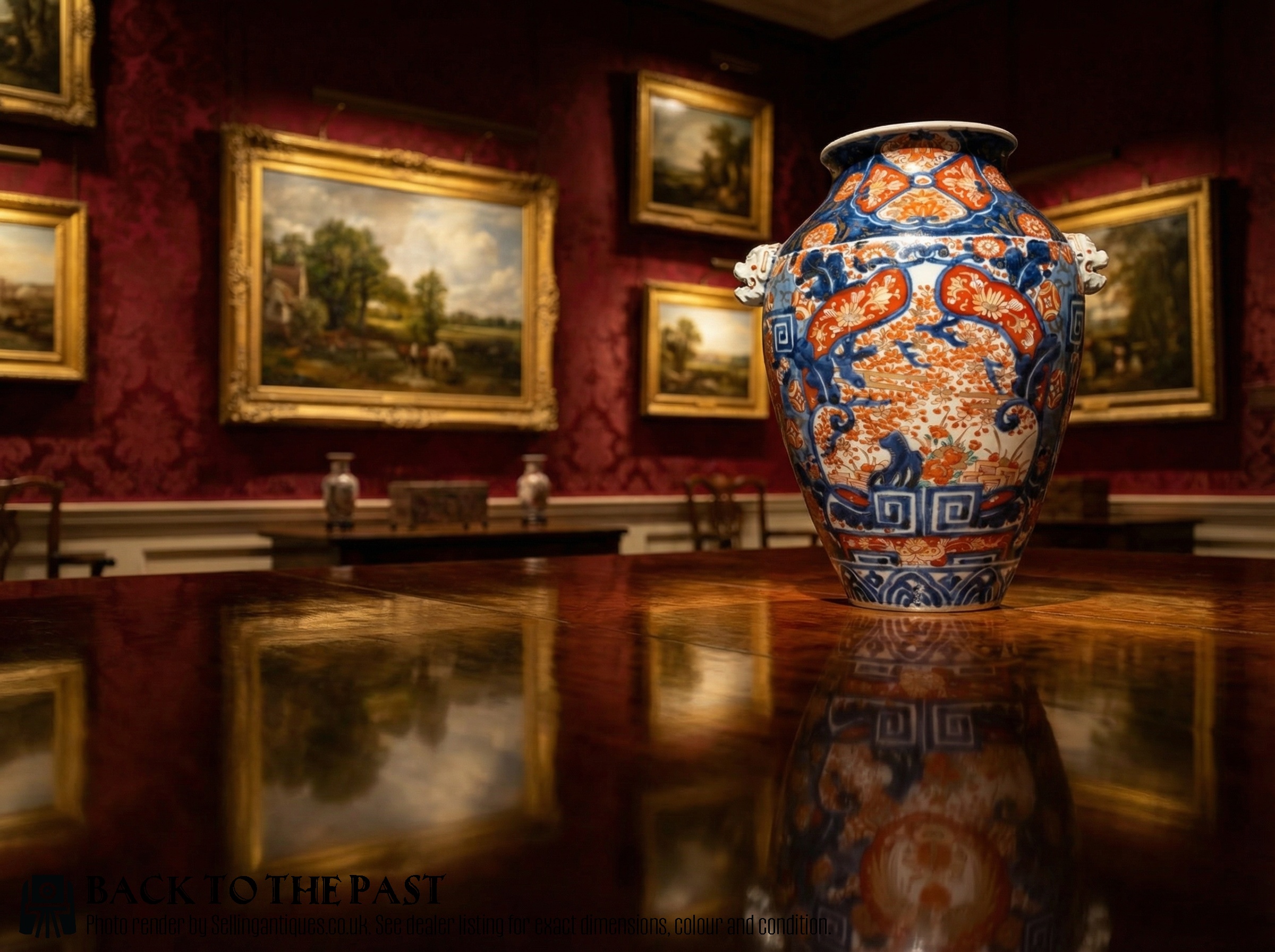
When evaluating a 19th century imari vase, collectors find striking ceramic forms decorated in distinct traditional palettes that bring vibrant visual weight to interiors.
19th Century Imari Vase
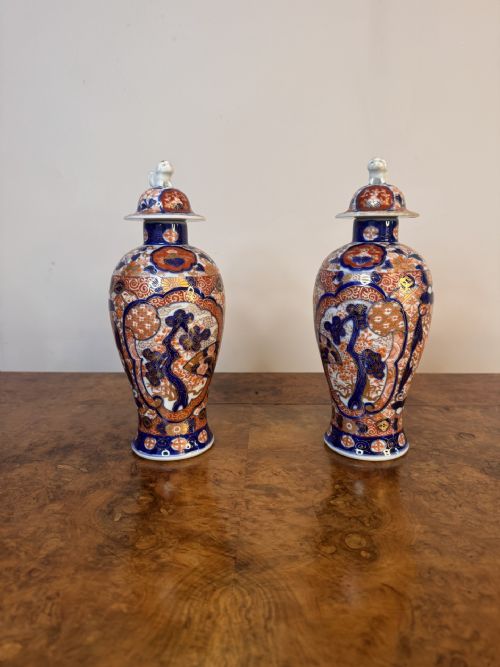
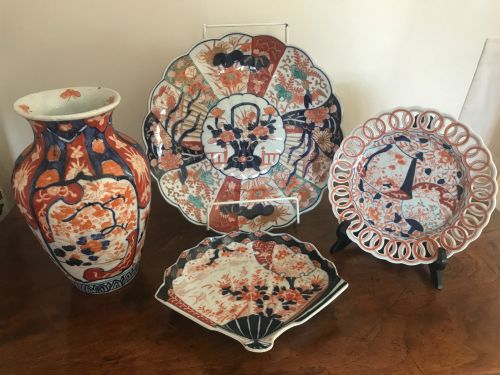
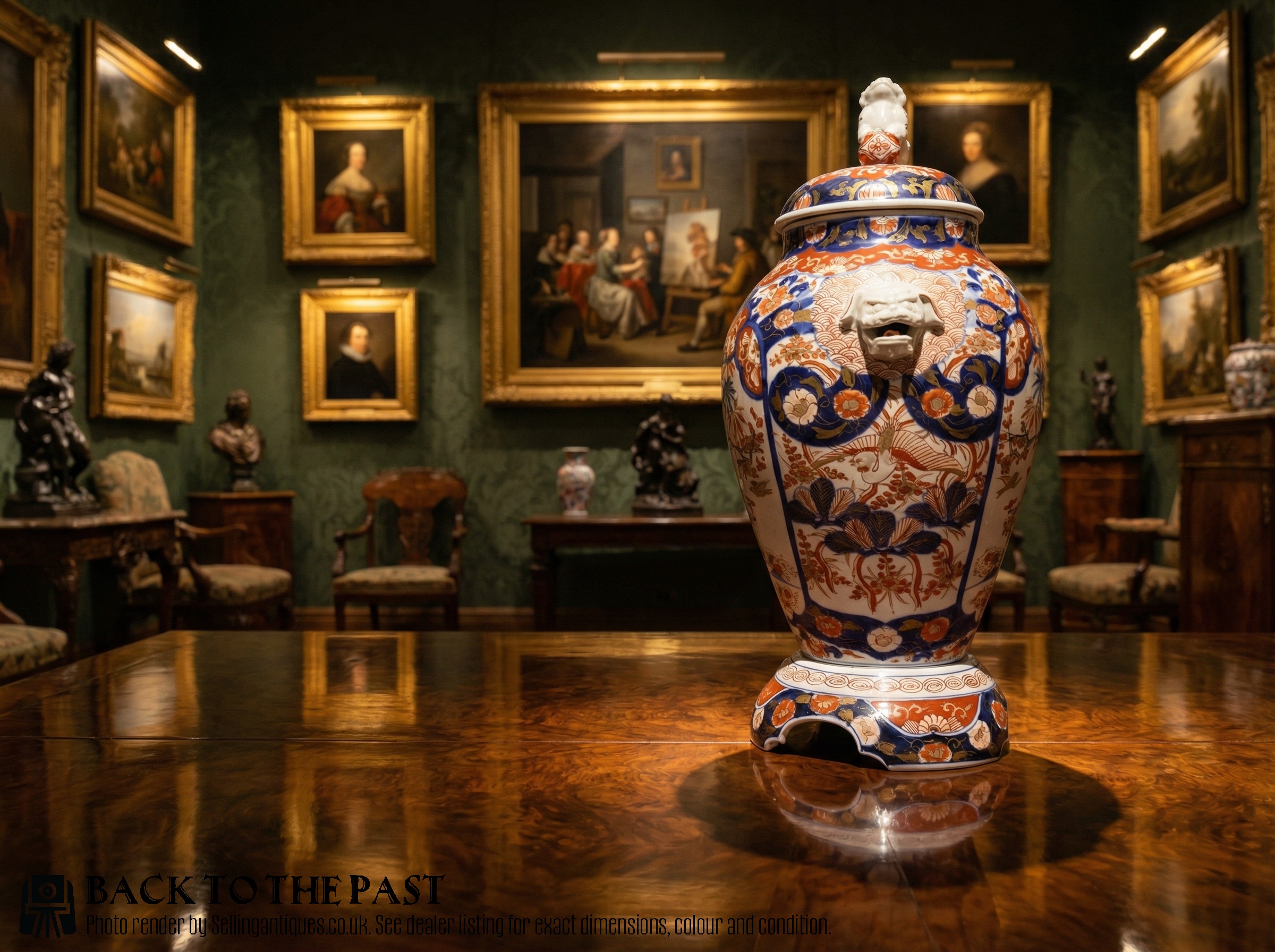
The 19th century imari vase encompasses a variety of forms including lidded ginger jars, floor-standing vessels, spill vases, and double gourd shapes originating primarily from Japan during the Meiji period, alongside select English interpretations.
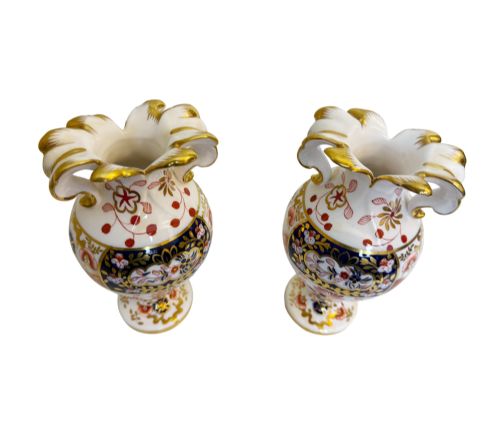
Most examples found on this page date from the middle to the late decades of the nineteenth century, reflecting both traditional Japanese export wares and Victorian adaptations produced by European potteries.
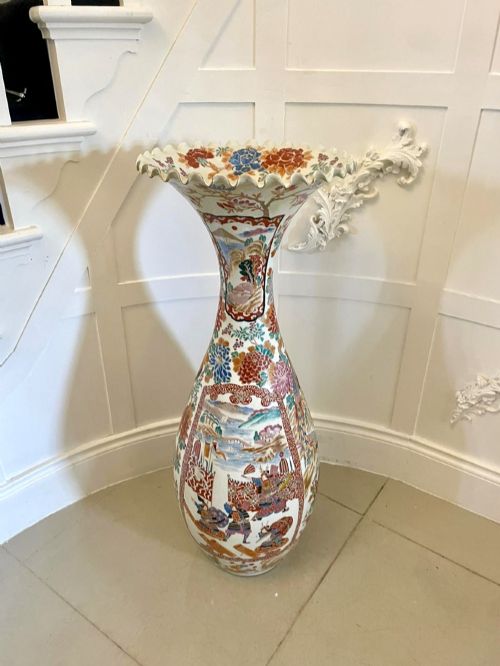
These ceramic pieces range from modest cabinet vessels to monumental floor-standing items exceeding one metre in height, often supplied as pairs or garnitures.
Materials and Techniques
Potters utilised high-fired porcelain and ironstone as the primary bodies for these vessels, shaping them on the wheel or in moulds before applying underglaze blue pigments.
Overglaze enamel colours, including iron red and supplementary gilding or gold leaf, were subsequently applied in secondary firings to build up the characteristic dense floral and panelled surface designs.
19th Century Imari Vase Retail Price Guide 2026
Typical asking prices for 19th century imari vase among the pieces listed under this phrase on Sellingantiques today, from the lower quarter to the upper quarter. They describe what is for sale here now, not the wider market.
Several towering floor vases stand taller than the average collector.
Assessing Quality and Execution
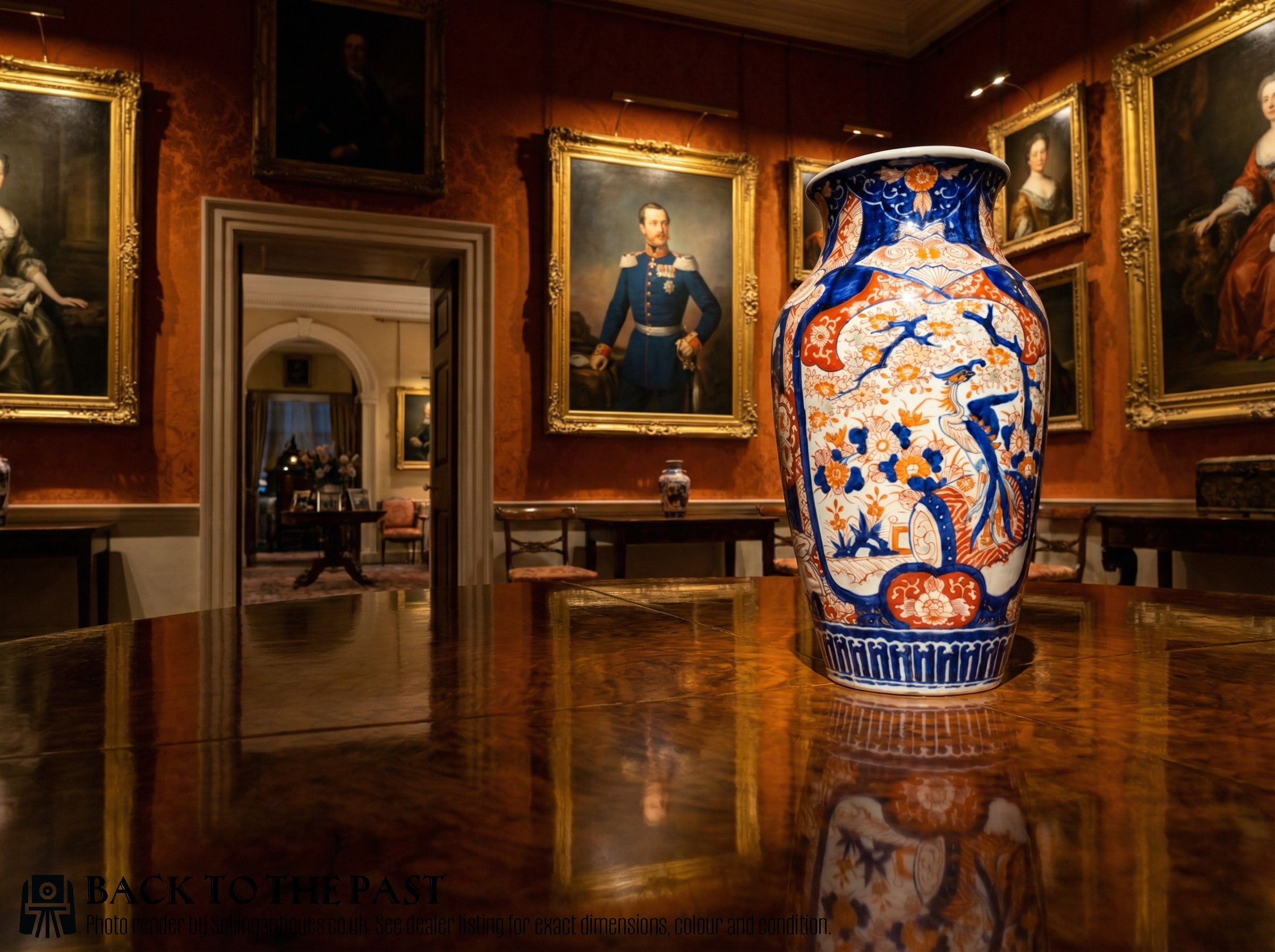
Superior examples display crispness in the underglaze cobalt blue painting and precision in the hand-applied enamel details, whereas lesser pieces show muddiness or misalignment in the multi-fired patterns.
The weight, throwing consistency, and overall structural balance of the porcelain body dictate the calibre of the vessel, with heavily potted floor standing jars requiring exceptional technical skill to prevent warping during kiln firing.
Stevenson and Hancock·Fukagawa
The 19th Century Imari Vase Glossary
- Imari
- A style of Japanese export porcelain characterised by a palette of underglaze blue, iron red, and gilt highlights. The name derives from the port of shipment in Hizen province.
- Meiji Period
- The era in Japanese history spanning from 1868 to 1912, corresponding with the reign of the Emperor Meiji. Pieces from this time often exhibit elaborate decorative schemes.
- Garniture
- A set of matched vases or jars designed to be displayed together on a mantelpiece or cabinet top. They typically comprise varying heights in a unified decorative pattern.
- Ginger Jar
- A ceramic vessel with a broad shoulder and a domed lid, originally designed for storing spices and later adapted purely for decorative display.
- Ironstone
- A type of durable heavy earthenware patented in the nineteenth century as a robust alternative to porcelain. It frequently accepted brightly coloured enamel transfers and hand-painted motifs.
19th Century Imari Vase: Frequently Asked Questions
How do I identify a Meiji period imari vase?
Meiji period imari vases generally date between 1868 and 1912, displaying dense hand-painted iron red and blue decoration often accented with gold leaf. They reflect the booming export market of late nineteenth-century Japan.
Closer inspection of the base may reveal kiln marks or signatures associated with specific Japanese production centres and workshops active during this expansive era.
Were imari vases made in Europe?
European potteries frequently copied the distinct Japanese aesthetic during the nineteenth century. English makers produced ironstone and porcelain versions inspired by Eastern export goods.
These domestic interpretations often utilise similar red and blue palettes on earthenware bodies, reflecting the widespread Victorian fascination with Japanese design.
Can these vases be used as lamps?
Many nineteenth-century ceramic vessels have been safely converted into table lamps over time. This practice allows collectors to utilise antique porcelain within contemporary interior lighting schemes.
Conversions often preserve the original body without permanent damage, though professional rewiring ensures modern electrical safety.