








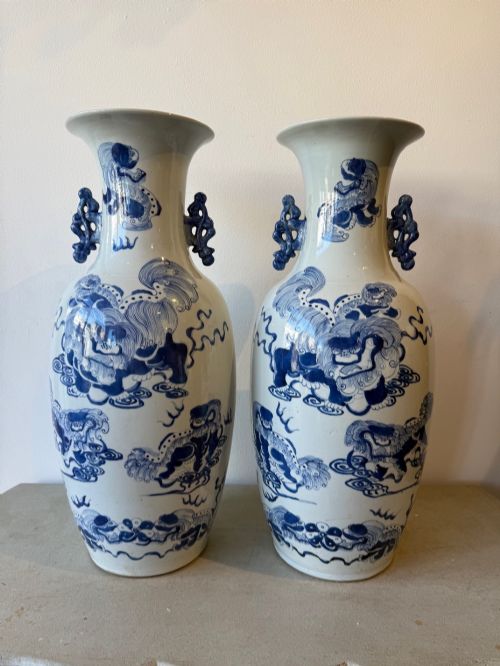
Oriental Porcelain Baluster Vase
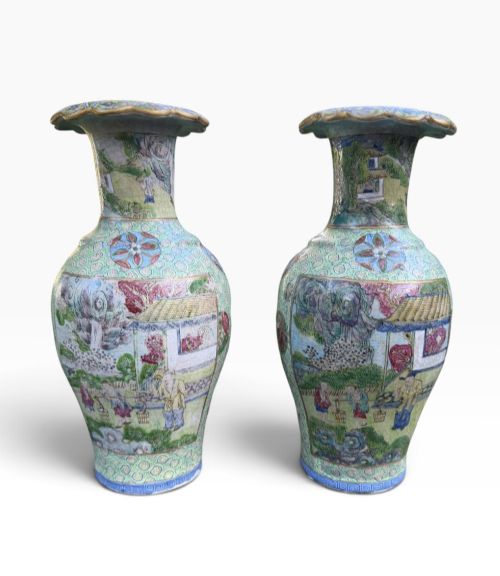
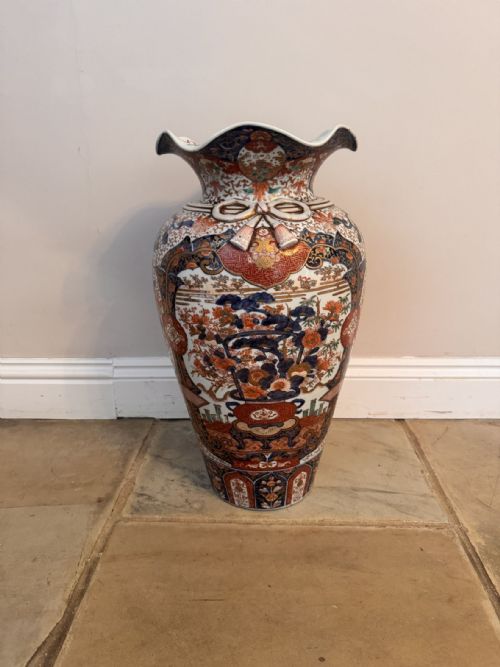
An oriental porcelain baluster vase brings a commanding silhouette to a room, defined by rich enamel and unmistakable Japanese Imari palettes.
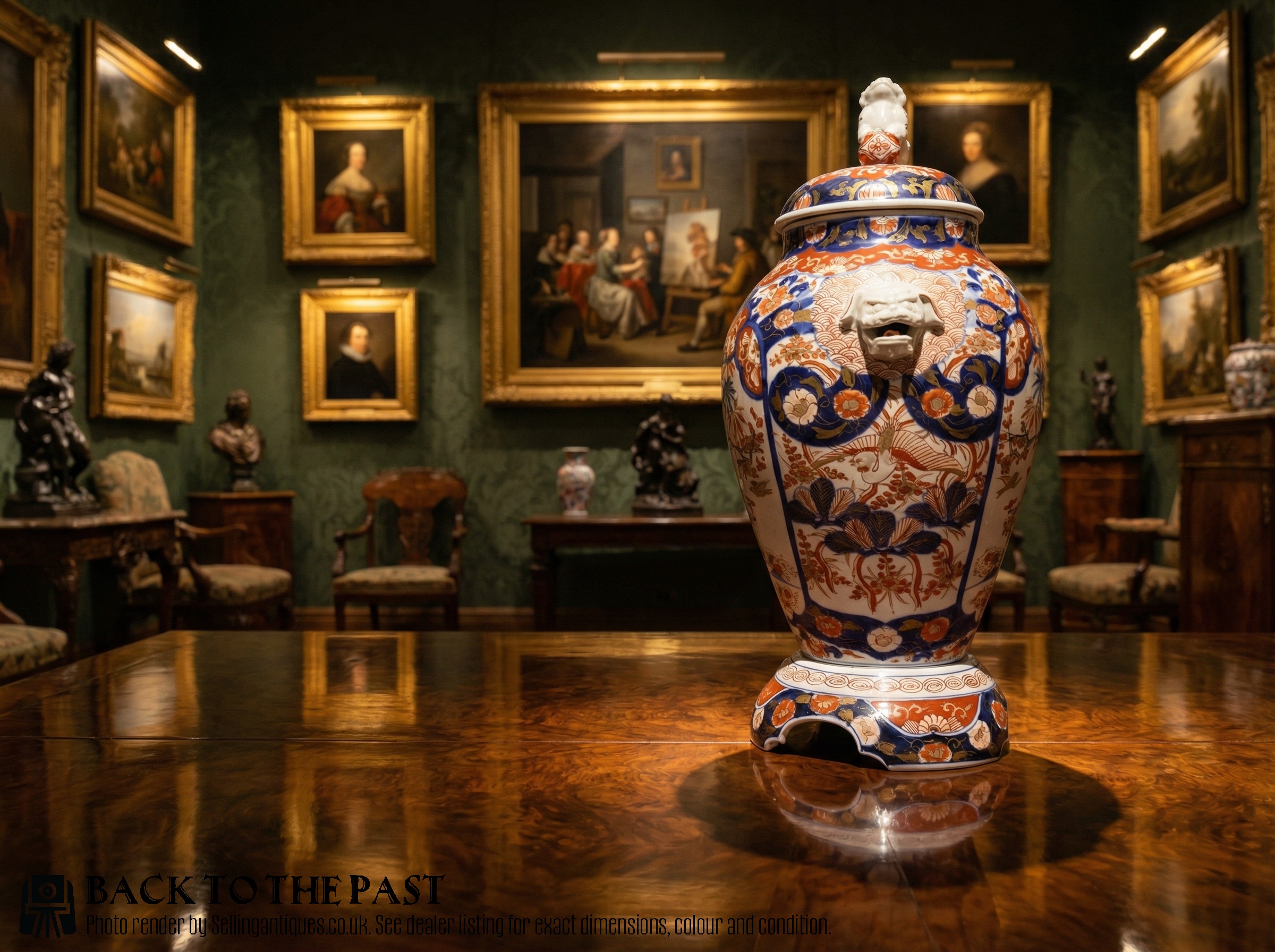
Oriental Porcelain Baluster Vase
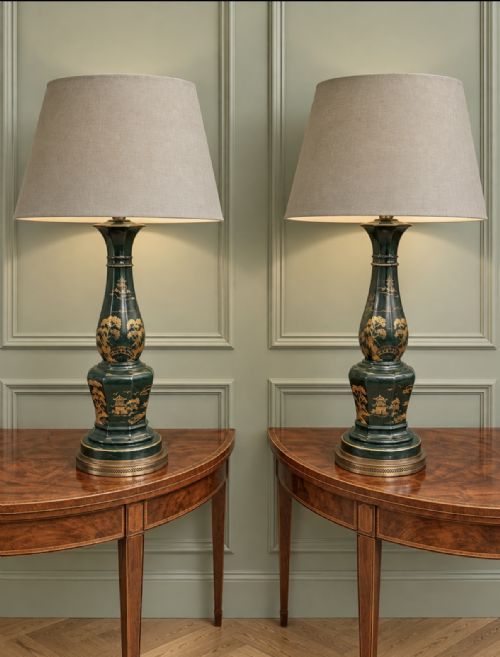
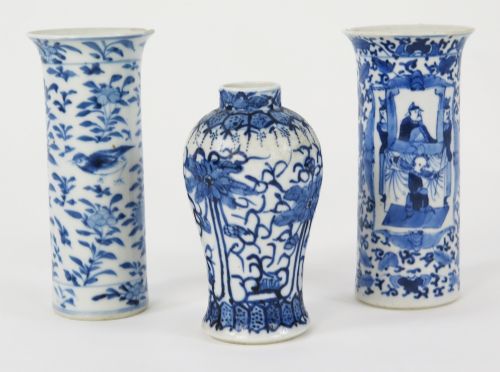
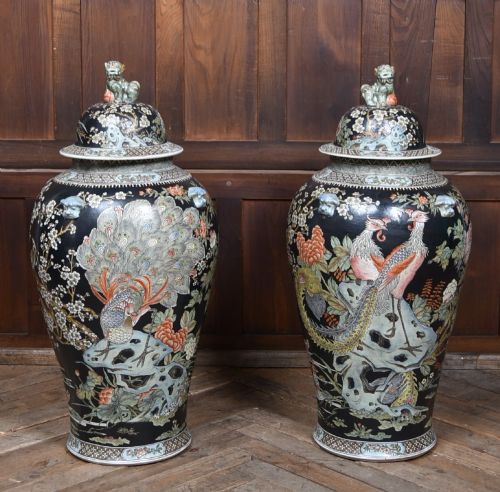
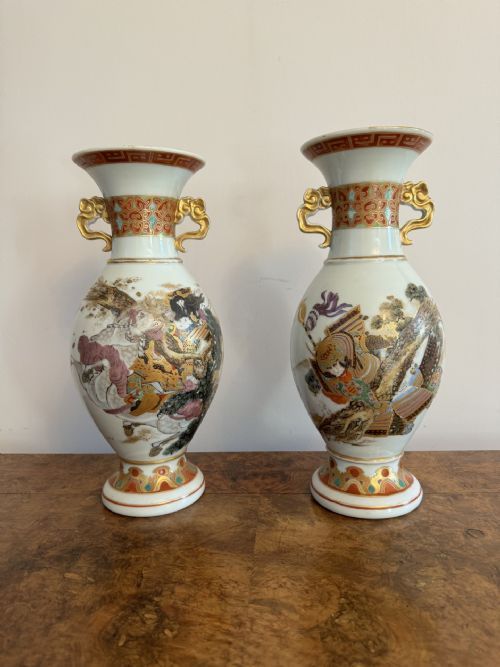
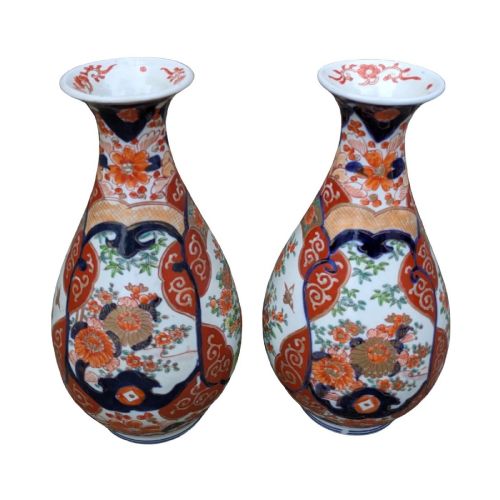
When you search for an oriental porcelain baluster vase, you encounter robust ceramic vessels designed with a distinctive curved profile that swells gently near the base before tapering toward the neck. The examples seen here belong entirely to the Japanese Imari tradition, originating from the nineteenth century and the year nineteen hundred.
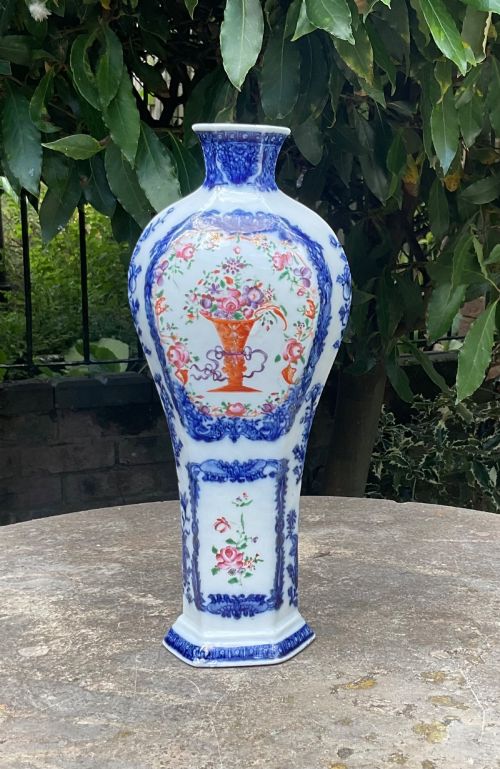
Forms span large standing vessels, lidded urns, and hexagonal shapes that showcase intricate patterns. These pieces demonstrate the distinctive aesthetic of nineteenth-century export wares, combining bold cobalt blue underglaze with rust red enamel and gold leaf accents.
Buyers meeting these pieces on this page find objects originally created for display in stately interiors. Their proportions remain exceptionally well suited for placement on large tables, pedestals, or mantels.
How They Were Made
Makers shaped high-fired porcelain into distinct geometric forms, such as hexagonal vessels, alongside traditional rounded baluster silhouettes. The ceramic body provides a sturdy white foundation capable of supporting heavy decoration.
Artisans applied vibrant glaze, enamel, and gold leaf by hand to achieve the characteristic Imari look. Underglaze blue work was typically fired first before the application of supplementary red enamel and metallic highlights in subsequent firings.
Oriental Porcelain Baluster Vase Retail Price Guide 2026
Typical asking prices for oriental porcelain baluster vase among the pieces listed under this phrase on Sellingantiques today, from the lower quarter to the upper quarter. They describe what is for sale here now, not the wider market.
Every listed piece utilises porcelain, enamel, gold leaf, and glaze within the Japanese Imari style.
What Varies in Quality
The distinction between ordinary and superior pieces rests upon the precision of the hand-painted brushwork and the richness of the enamel and gold leaf application. Finer examples display tightly controlled botanical and geometric motifs that cover the porcelain surface without appearing overcrowded.
Intact lidded elements and crisply defined hexagonal angles elevate certain nineteenth-century vessels above standard rounded forms. The clarity of the original glaze and the vibrancy of the cobalt blue underglaze dictate the visual strength of the piece.
The Oriental Porcelain Baluster Vase Glossary
- Baluster vase
- A tall ceramic vessel characterised by a curved body that swells near the lower portion and narrows towards the top. This silhouette derives its name from the architectural baluster.
- Imari
- A traditional style of Japanese export porcelain featuring a distinct palette of underglaze blue, iron red, and gold leaf. These wares gained immense popularity across Europe during successive centuries.
- Enamel
- Opaque vitreous material applied over fired porcelain to introduce vibrant colour to the design. Artisans utilised this technique to build up complex decorative surfaces.
- Gold leaf
- Extremely thin sheets of beaten gold applied to the ceramic surface for ornamentation. This material catches the light and accentuates key motifs within the Imari pattern.
- Glaze
- A glassy coating fused to the porcelain body through high-temperature firing to seal the ceramic. It provides a smooth, protective finish that preserves the underlying colours.
Oriental Porcelain Baluster Vase: Frequently Asked Questions
How do I date a nineteenth-century vase?
Dating these ceramics involves examining the specific characteristics of the porcelain body, the composition of the glazes, and the style of the hand-painted enamel decoration. Nineteenth-century examples often display the robust potting and vibrant palettes typical of Japanese export wares.
Comparing the decorative motifs and baseline materials to documented pieces helps narrow down the period of manufacture.
Where should I display these vases?
These substantial vessels sit best on sturdy surfaces such as heavy wooden tables, mantelpieces, or dedicated display pedestals where their height and weight can be safely accommodated. Their intricate Imari patterns demand a setting with adequate space to be fully appreciated.
Avoid placing them in high-traffic hallways where accidental contact might occur, given their ceramic and enamel construction.
What does Imari mean?
Imari refers to a style of Japanese porcelain exported through the port of Imari during the Edo period and beyond. The aesthetic is defined by a strong combination of cobalt blue, iron red, and gold leaf.
This distinct visual language makes these nineteenth-century pieces instantly recognisable among antique ceramics.