




Traditional Japanese Pottery
Traditional Japanese pottery brings hand-painted porcelain and earthenware into your home, offering centuries of artistry.
Traditional Japanese Pottery
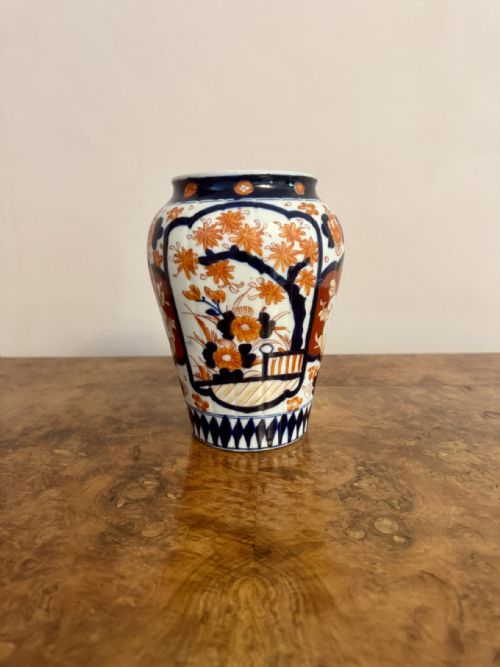
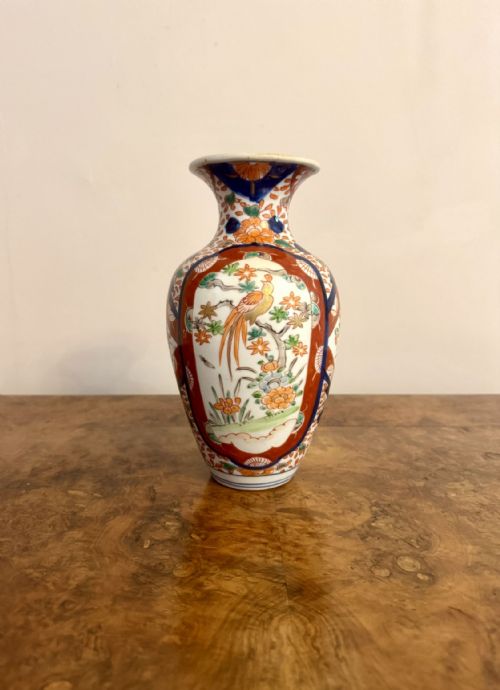
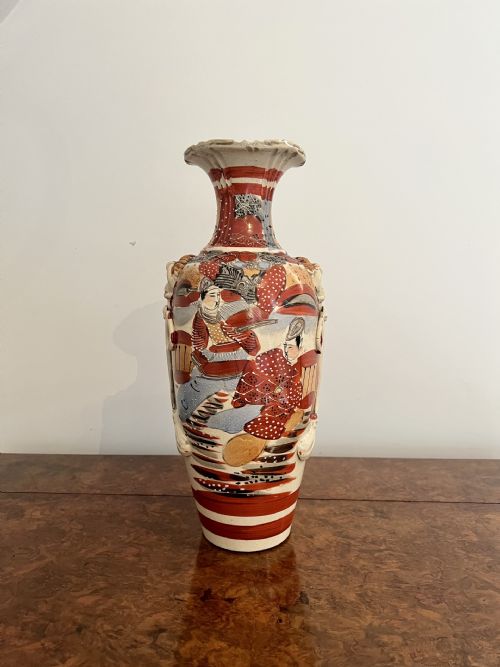
Traditional Japanese pottery encompasses decorative vases, floor vases, plates, figurines, and table lamps originating from various historical eras. When you search for traditional Japanese pottery, you encounter distinct pieces shaped by skilled hands during the nineteenth century and early twentieth century. The selection frequently includes Imari wares, Satsuma wares, and Kutani wares, reflecting diverse aesthetic traditions.
The objects span multiple forms, from large floor vases and hexagonal vessels to sets of porcelain plates and okimono figures. Many pieces date from the Meiji period, representing both export markets and domestic craftsmanship. Buyers regularly find pairs of vases alongside individual vessels accompanied by storage boxes.
How traditional Japanese pottery was made
Potters utilised porcelain and earthenware as the primary bases for these vessels, shaping clay before firing. Artisans applied intricate hand-painted designs using enamel, glaze, and gold leaf to decorate the surfaces. Gilt accents and iron details frequently enhanced the visual depth of Imari and Satsuma pieces.
Wooden elements sometimes complemented the ceramic bodies, as seen in storage boxes accompanying plate sets. The combination of meticulous painting and controlled kiln firing produced durable items adorned with rich colour palettes. Craftspeople relied on traditional techniques passed down through generations to achieve these finishes.
Listings feature porcelain and earthenware across the nineteenth century and early twentieth century, incorporating wood and iron elements.
What varies in quality
The refinement of the hand-painted decoration distinguishes one piece from another, particularly in the precision of Satsuma figural work and Imari patterns. Scale and proportion also influence the standing of a vessel, with large pairs and floor vases demonstrating significant ambition in ceramic production. Artisanal control over glaze application and the integration of gold leaf determine the overall visual harmony.
The presence of original fitted wooden boxes adds a distinct layer of preservation to plate sets and select vessels. Condition and completeness within multi-piece collections alter how a set presents itself today. The depth of the enamel work and the crispness of the porcelain form define the upper tier of these works.
The Traditional Japanese Pottery Glossary
- Imari
- A style of Japanese porcelain characterised by underglaze blue and overglaze red, gold, and green decorations. These wares were widely produced for both domestic use and export.
- Satsuma
- A type of earthenware originating from the Satsuma province, typically featuring a ivory-coloured, crackled glaze and elaborate polychrome enamels with gilt highlights.
- Kutani
- A style of Japanese porcelain renowned for bold colours and intricate pictorial designs. Kutani wares often display rich greens, blues, purples, and reds.
- Okimono
- A Japanese decorative figurine designed for display in a household alcove or on a shelf. These carved or modelled objects depict figures, animals, and mythological subjects.
- Meiji Period
- The era in Japanese history spanning from 1868 to 1912, marked by rapid modernisation and an explosion of decorative arts destined for international markets.
Traditional Japanese Pottery: Frequently Asked Questions
What is Satsuma pottery?
Satsuma pottery is a distinct type of earthenware featuring a characteristic ivory glaze covered in a fine network of crackles. Artisans then decorated these surfaces with detailed polychrome enamels and gold leaf.
These pieces often depict human figures, such as bijin, alongside natural motifs. Their refined appearance made them popular collector items during the late nineteenth century.
How do I identify Imari ware?
Imari ware is primarily identified by its distinctive palette, which traditionally combines underglaze cobalt blue with iron red and gilt overglaze. The patterns frequently feature floral arrangements, brocade motifs, and panels.
Most Imari pieces seen today are porcelain plates and vases produced during the nineteenth and early twentieth centuries. The style remains one of the most recognisable exports from Japan.
Where were these ceramics made?
These ceramics were produced in various kilns and pottery centres across Japan, each associated with specific regional techniques. Areas such as Arita produced Imari porcelain, while Kutani generated its own brightly coloured wares.
Many of these items were created specifically for export to Western markets during the Meiji period, satisfying a strong international demand for Japanese craftsmanship.
How should I display a vase lamp?
A vase lamp integrates a traditional ceramic vessel into a functional lighting fixture without altering the main body. Placing these lamps on sturdy side tables allows the porcelain or earthenware base to catch ambient light.
Ensure the lamp is positioned away from high-traffic areas to protect both the wiring and the antique ceramic surface. Pairing them with neutral shades lets the original hand-painted decoration remain the focal point.