



Terracotta Japanese Vases
Terracotta japanese vases bring hand-modelled clay and rich regional glazes into an interior, offering tactile relief and distinct historic character.
Terracotta Japanese Vases
When searching for terracotta japanese vases, collectors encounter a diverse selection spanning the late nineteenth and early twentieth centuries, alongside earlier traditions. The grouping includes earthenware and porcelain bodies shaped as floor vessels, lidded pieces, and pitchers.
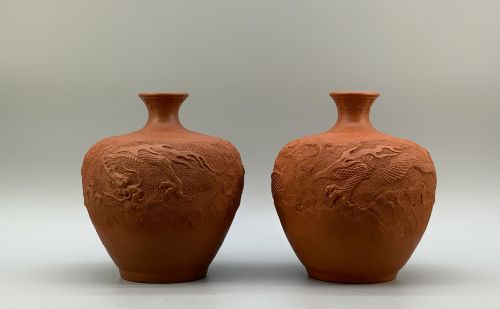
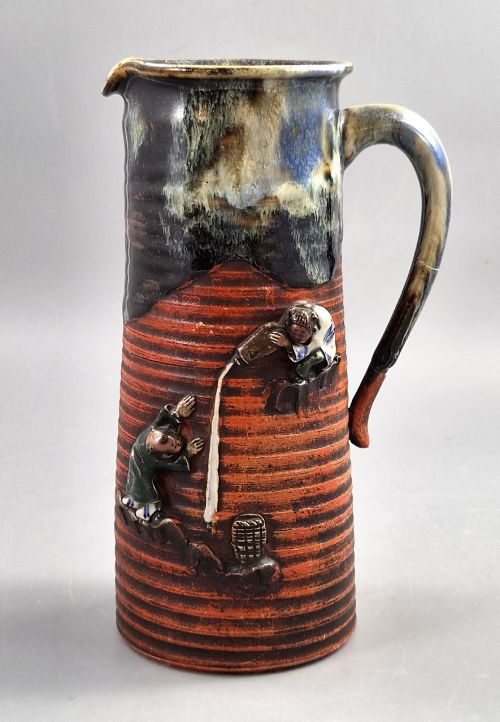
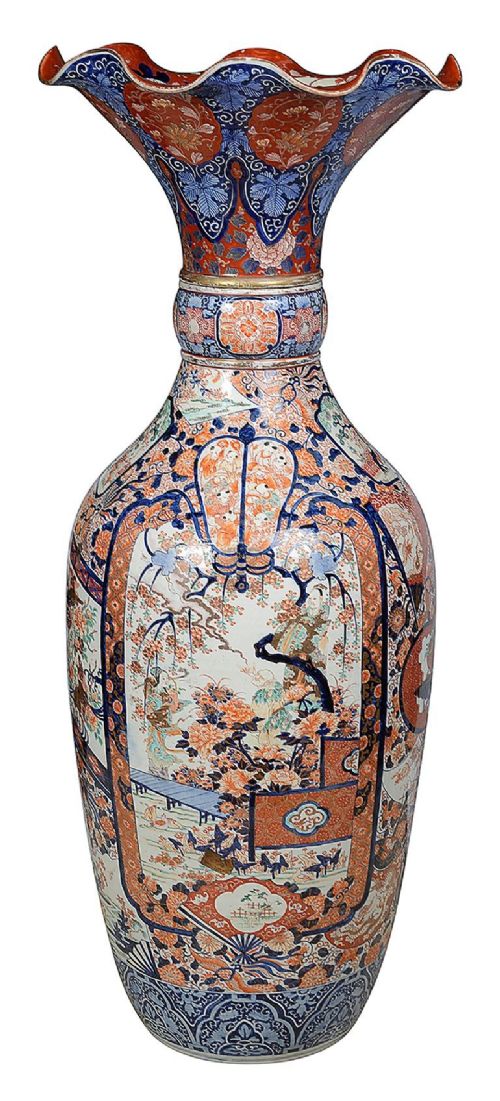
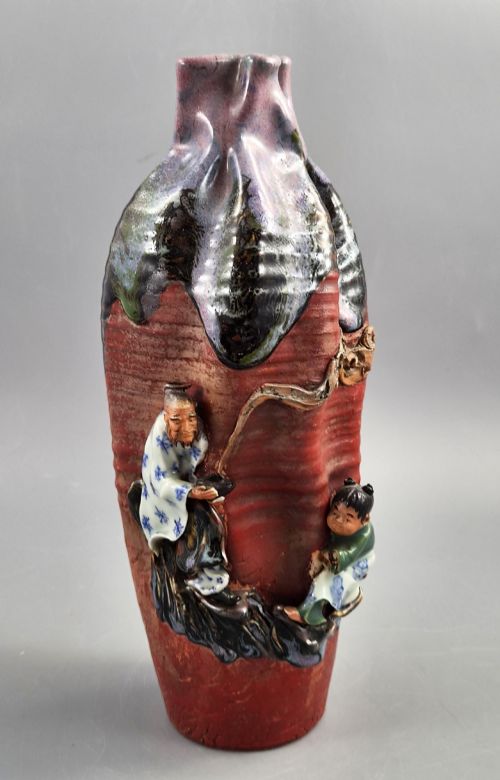
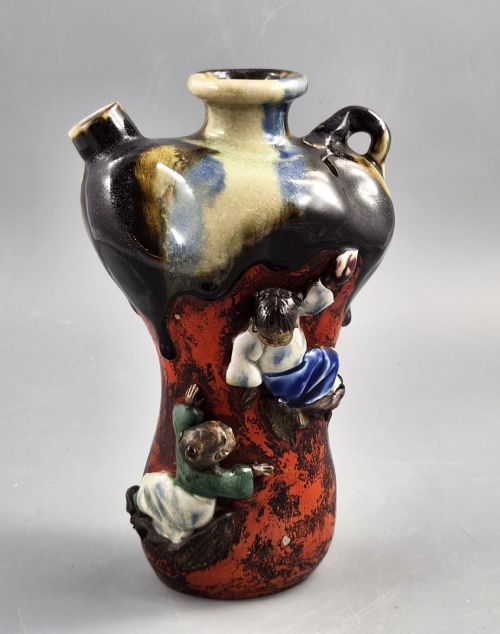
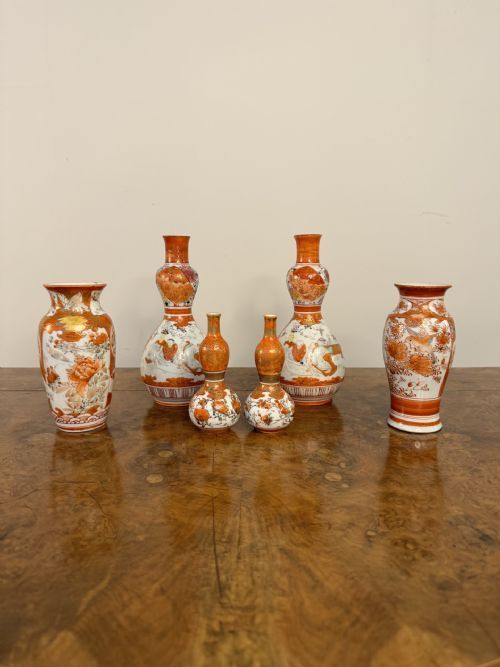
Many examples emerge from the Meiji and Taisho periods, showcasing regional outputs such as Sumida Gawa pottery with applied figures. Alongside these, red clay Tokoname pieces sit beside porcelain forms from Kutani, Imari, and Satsuma workshops.
How they were made
Potters shaped native red clays and refined porcelains by hand or on the wheel, applying tactile slip, intricate relief figures, and molten glazes. Workshops utilised vibrant enamel colours, gold leaf accents, and lacquer over-painting to enrich the ceramic surface.
Firing techniques produced varied finishes, from lavender and oxblood flambé glazes to crisp underglaze cobalt and polychrome hand-painted scenes depicting sages, dragons, and children.
Listings span the eighteenth to the twentieth centuries, featuring earthenware, porcelain, and applied glazes.
What varies in quality
Quality rests upon the crispness of modelled relief work, the depth and control of the glaze, and the precision of hand-painted details. Signed pieces by recognised makers demonstrate superior artistry in composition and execution.
Proportion and scale also distinguish standard production items from monumental floor vases and finely matched pairs that retain their original covers or stands.
Ban ni·Hiroshi·Inoue Ryosai
The Terracotta Japanese Vases Glossary
- Sumida Gawa
- A style of Japanese pottery characterised by heavily textured, melting glazes and applied clay figures in high relief. This ware typically originates from workshops near Tokyo around the turn of the twentieth century.
- Kutani
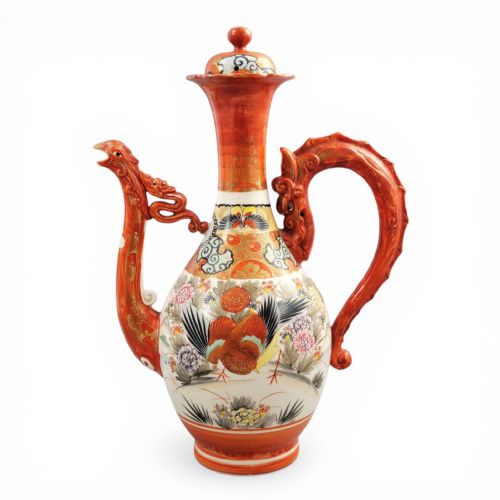
- A style of Japanese porcelain known for vibrant polychrome enamel decoration, often dominated by iron red and gold. These pieces frequently depict figures, birds, and intricate geometric borders.
- Imari
- A traditional Japanese porcelain style featuring underglaze blue and overglaze iron red, complemented by gilt highlights. The designs commonly incorporate floral and brocade motifs.
- Satsuma
- A type of earthenware with a fine, ivory-coloured crackle glaze, usually decorated with elaborate polychrome and gilt enamels. It gained significant popularity for export during the Meiji period.
- Meiji Period
- The era of Japanese history lasting from 1868 to 1912, marked by opening trade with the West and a surge in highly detailed decorative arts. Pieces from this time show exceptional technical mastery.
Terracotta Japanese Vases: Frequently Asked Questions
How do I identify Kutani ware?
Kutani ware is easily recognised by its rich, heavy enamel palette, where iron red and gold frequently dominate floral and figural compositions. The bodies range from small decorative vessels to large ewers and lamps.
Many bear painted marks on the base, though earlier export pieces often rely on distinctive stylistic traits rather than formal signatures.
Are these vases glazed earthenware or porcelain?
The selection encompasses both porous earthenware bodies, including red clay terracotta and Sumida Gawa pieces, and hard-fired porcelains like Imari and Kutani. Each material dictates a different method of surface decoration.
Earthenware often relies on textured reliefs and thick running glazes, while porcelain serves as a smooth canvas for precise hand-painted enamels.
How should I display large floor vases?
Monumental floor vases and paired vessels require stable placement away from high-traffic areas to protect their historic glazes and applied elements. Placing them directly on the floor or on sturdy stands highlights their scale.
Allowing adequate space around each piece lets the complex relief work and hand-painted details be fully appreciated.
What defines Meiji period ceramics?
Meiji period ceramics showcase a period of intense artistic experimentation driven by international exhibition demands. Makers refined traditional techniques while adapting forms for foreign markets.
This era produced everything from finely detailed Satsuma earthenware to bold, sculptural terracotta and porcelain pieces.