
Red Porcelain Vase
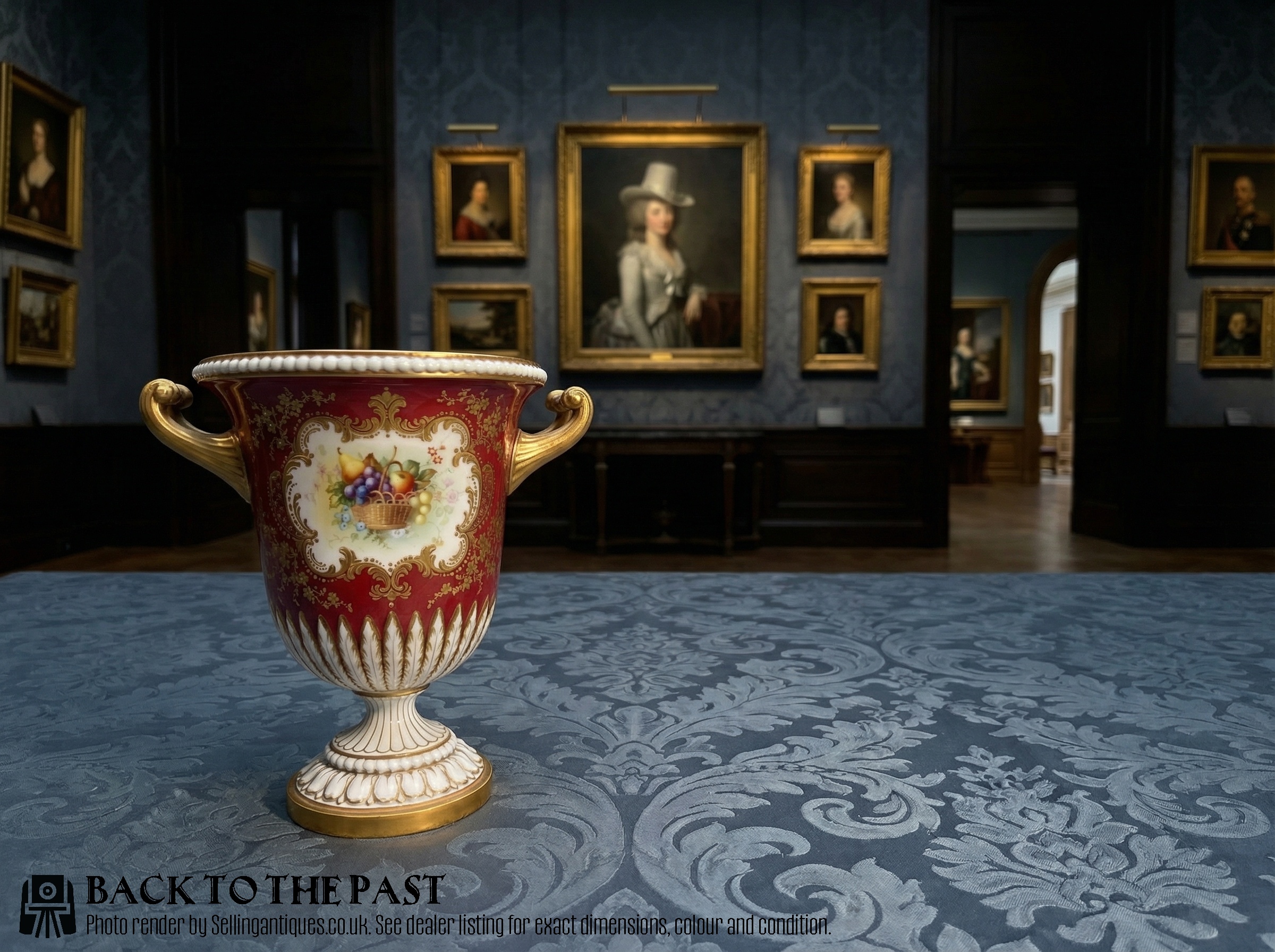
A red porcelain vase brings warmth and striking colour to a room, offering a rich focal point for floral displays or mantelpiece decoration.
Understanding the red porcelain vase
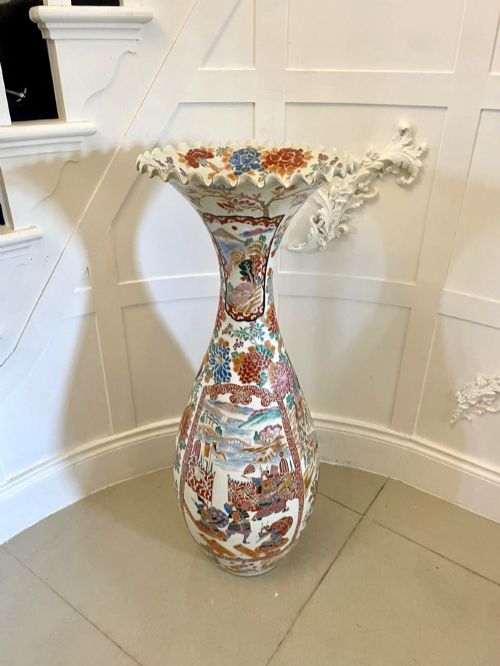
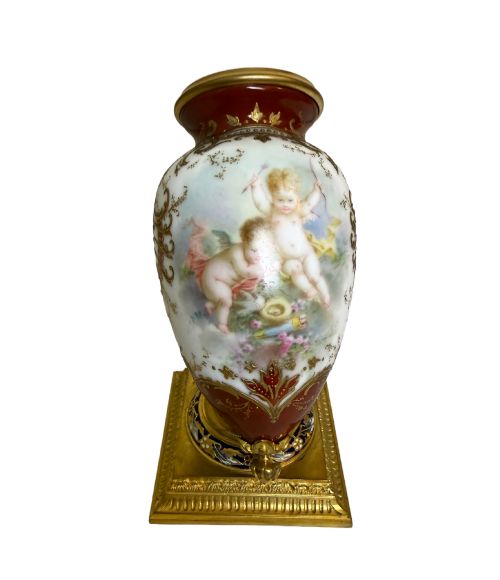
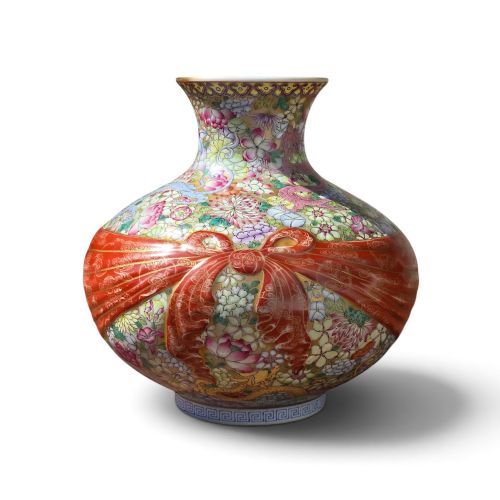
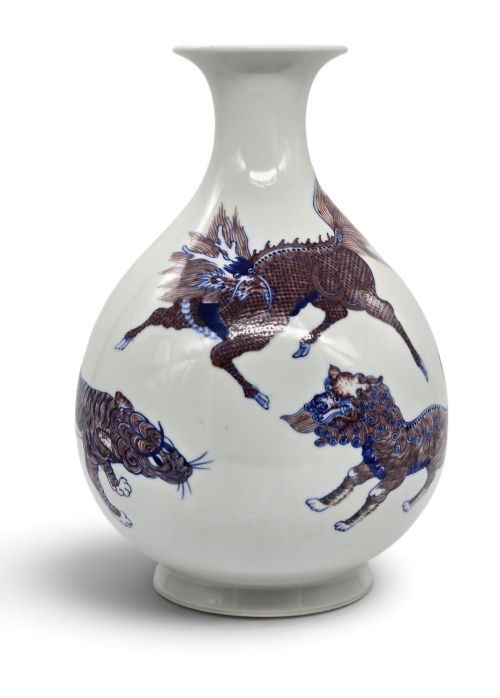
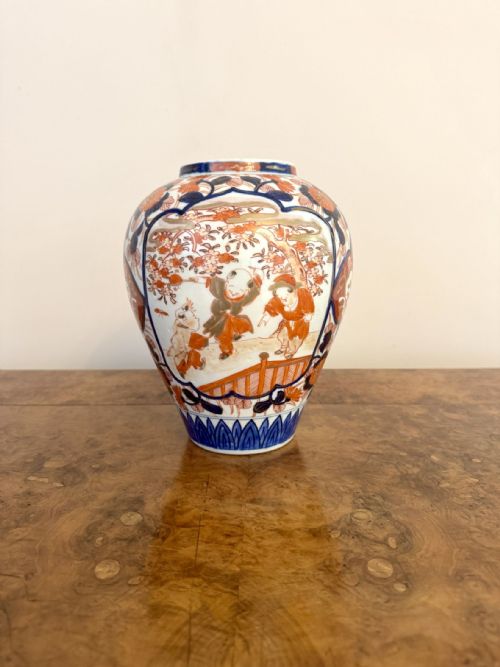
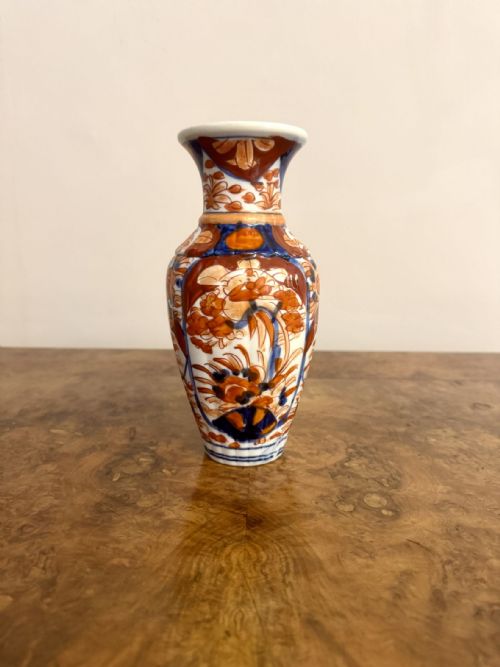
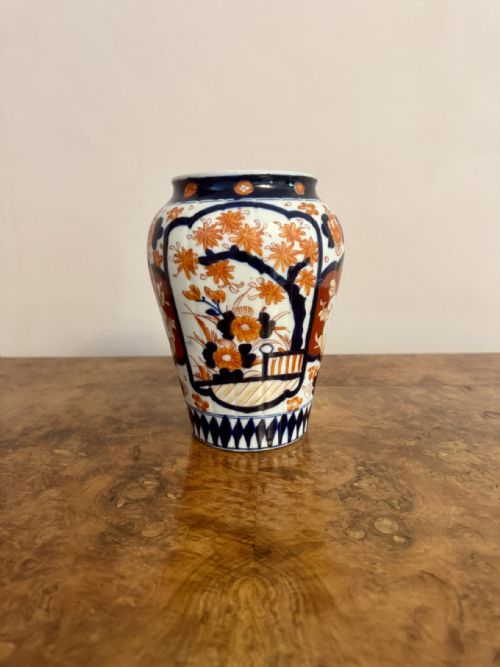
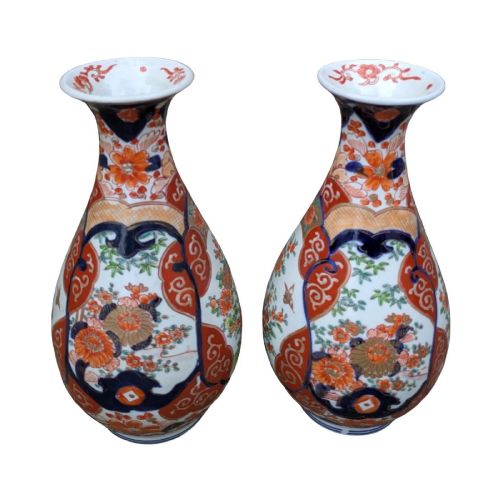
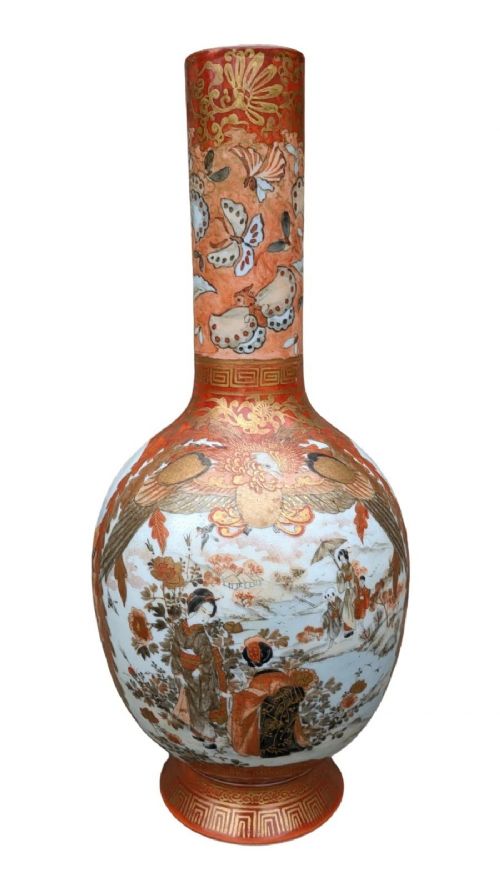
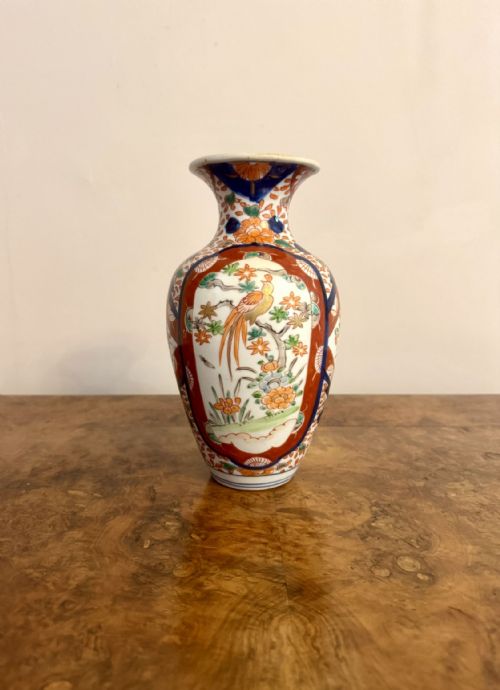
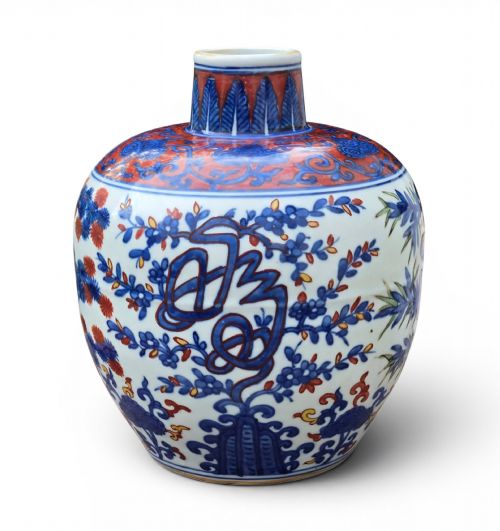
A red porcelain vase encompasses pieces shaped from ceramic clay and finished with vibrant red glazes, enamel paintwork, or rich iron-red pigments. When searching for a red porcelain vase, buyers encounter items ranging from European cabinet pieces to Japanese export wares.
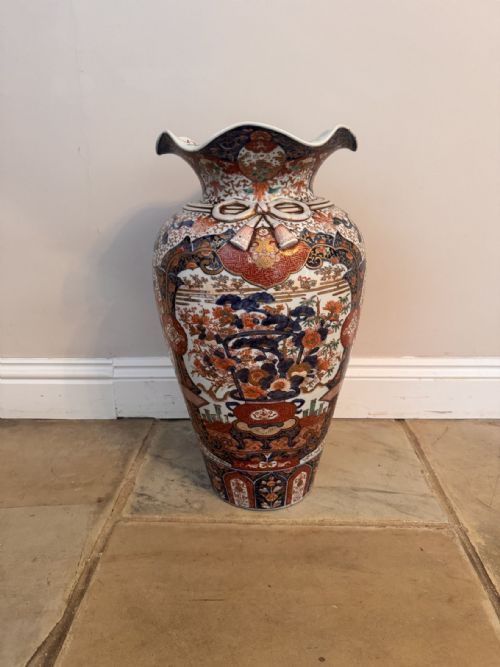
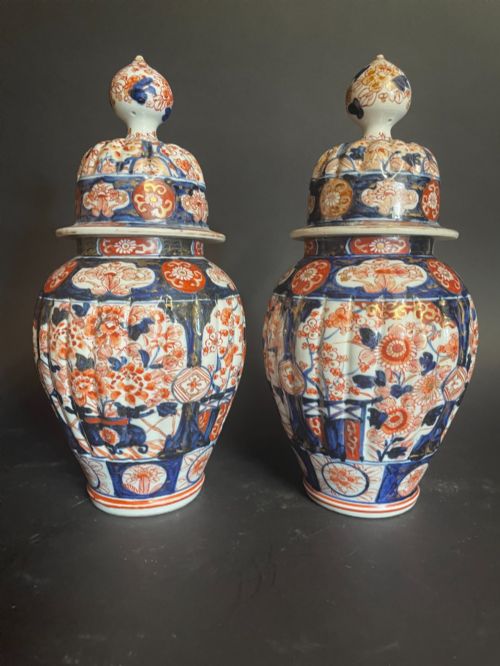
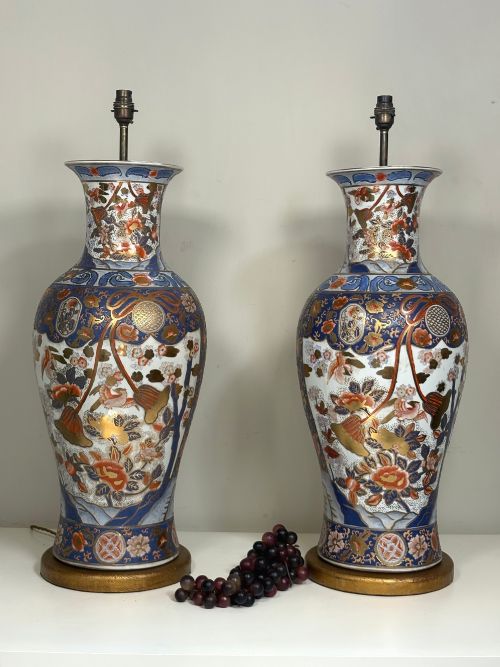
The selections span the nineteenth century, including Victorian creations and Meiji period Japanese works. Common forms include large covered vases, flared spill vases, and pairs resting on hardwood stands.
Origin points vary widely across the inventory, taking in English potteries such as Royal Worcester, Derby, and Coalport, alongside continental factories like Limoges and Dresden, and East Asian workshops.

Materials and production methods
Makers shaped refined ceramic clay into vases and urns before applying mineral glazes and enamel colours. Surface decoration frequently incorporates hand-painted floral medallions, moriage relief work, and delicate gilding with gold leaf.
Some examples feature applied details such as lion handles, grotesque handles, or gargoyle sea monster masks. Certain items are paired with fitted wooden stands or have been adapted into table lamps with electrical wiring.
Retail Price Guide 2026
Typical UK retail prices for red porcelain vase, calculated from the Sellingantiques database of over a million retail prices indexed since 2003. This retail price guide relies exclusively on Sellingantiques data; no external sources or auction records are used, so the figures do not describe the wider market.
Some nineteenth-century porcelain vases feature amphibious handles and gargoyle sea monster masks keeping watch over the mantelpiece.
Assessing quality and execution
Quality reveals itself in the precision of the hand-painting, the evenness of the glaze, and the crispness of moulded or applied relief details like moriage. Superior examples display controlled brushwork on floral motifs and finely executed gilding.
The presence of named factory marks or decorator signatures elevates certain pieces, whilst the structural integrity of lids, handles, and fitted wooden stands distinguishes finer survivals.

Royal Worcester·Martial Redon·Alfred Stellmacher·Grainger and Co·Jacob Petit
The Red Porcelain Vase Glossary
- Moriage
- A Japanese ceramic technique using piped clay slip to create raised, textured surface patterns. This method adds a tactile, three-dimensional quality to the vessel.
- Imari
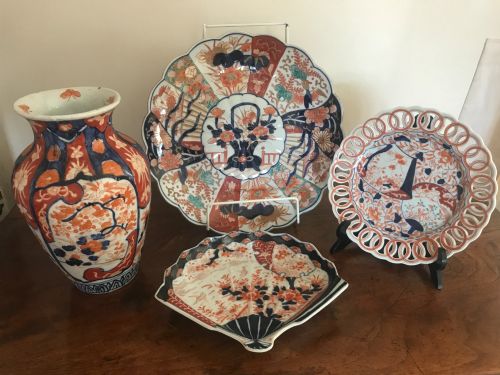
- A traditional style of Japanese export porcelain featuring characteristic iron-red, cobalt blue, and gilt decoration. These pieces were widely produced during the Meiji period.
- Gilding
- The application of gold leaf or gold powder to ceramic surfaces for decorative emphasis. It highlights rims, handles, and painted scenes.
- Spill vase
- A tall, narrow vessel historically designed to hold wooden spills used for lighting candles and fires. They often appear in matched pairs.
- Enamel
- Opaque glass-like paint fused to the porcelain body through firing. It provides vibrant, durable colours across floral and figural designs.
Frequently Asked Questions
How do I care for an antique red porcelain vase?
Dust the surface gently with a soft, dry cloth to prevent scratching the glaze and delicate gilt or enamel work. Avoid using chemical cleaners or immersing pieces with applied stands or old electrical fittings in water.
Keep the vessel away from direct sunlight to preserve the richness of the red glazes and painted pigments over time.
Where were most of these red porcelain vases made?
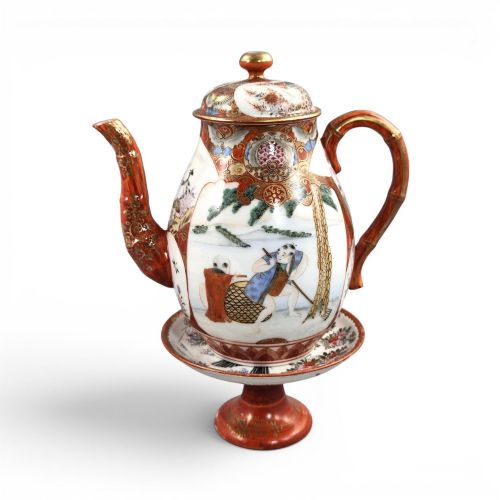
The available pieces originate from a mix of European ceramic centres and Japanese export kilns. English factories like Royal Worcester and continental houses such as Limoges produced decorated wares alongside Japanese Kutani and Imari workshops.
Each region employed distinct decorative vocabularies, ranging from European floral enamel work to Japanese iron-red pigments and gold leaf accents.
Can I use these vases for fresh flowers?
Many antique vases can hold water, but those with old repairs, internal hairline cracks, or delicate interior surfaces are best reserved for dried arrangements or display. Inspect the inside of the vessel for water resistance before filling.
For pieces converted into table lamps or fitted with wooden components, moisture should be kept entirely away from the base and wiring.
How do I date a nineteenth-century porcelain vase?
Dating relies on factory backstamps, painted signatures, style periods such as Victorian or Meiji, and the specific nature of the glaze and enamels. Stylistic clues like the presence of moriage or specific handle designs help narrow the timeline.
Comparing the potting technique and colour palette to documented factory examples provides further confirmation of the production era.