
Japanese Porcelain Urns
Japanese porcelain urns bring striking Meiji period artistry to a room, offering rich colours and traditional hand-painted forms that collectors prize.
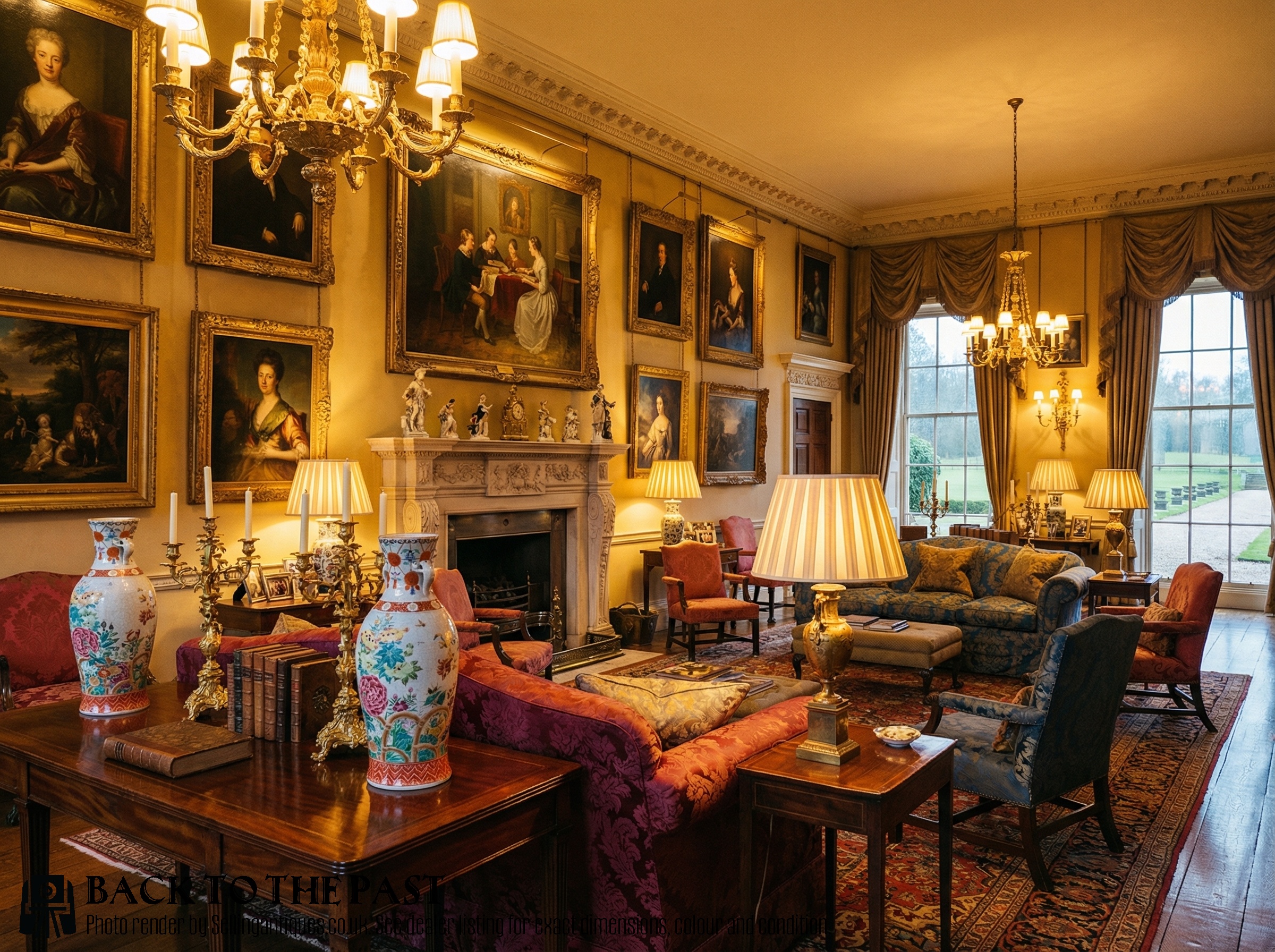
What Japanese porcelain urns are
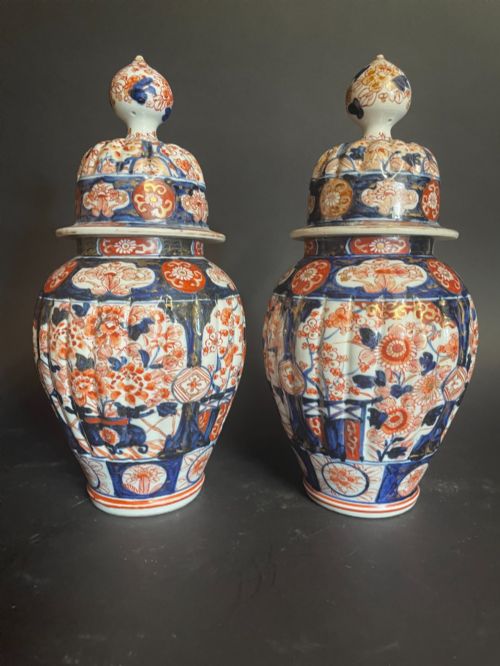
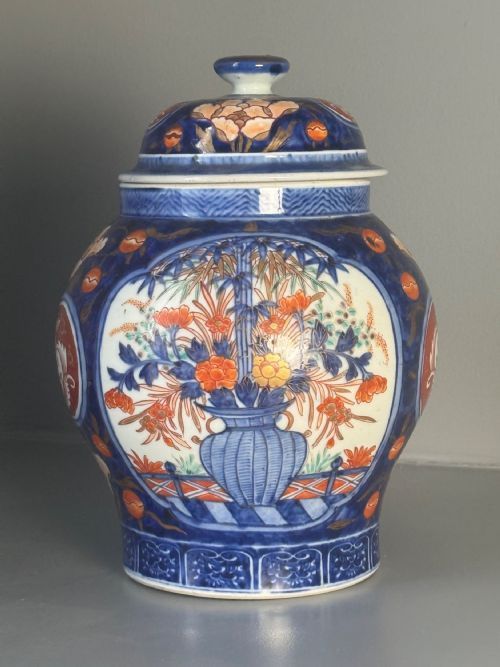
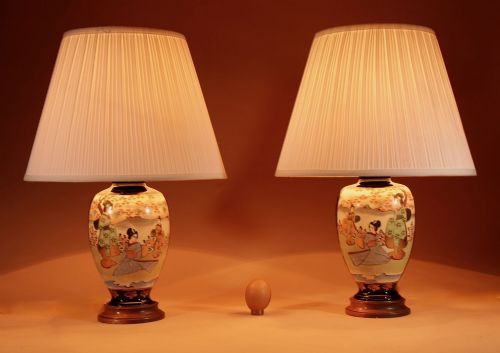
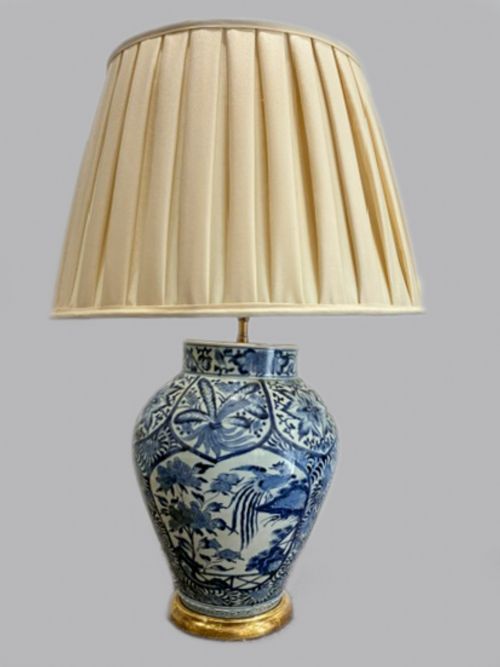
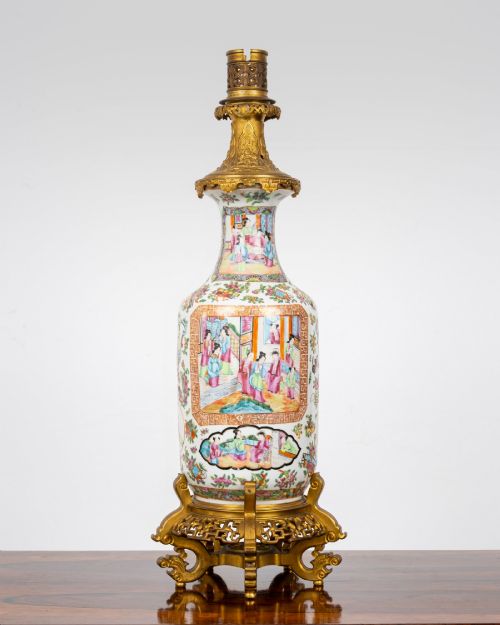
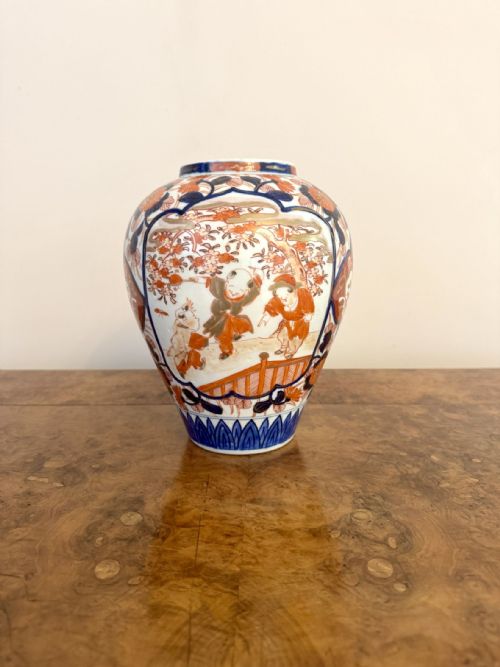
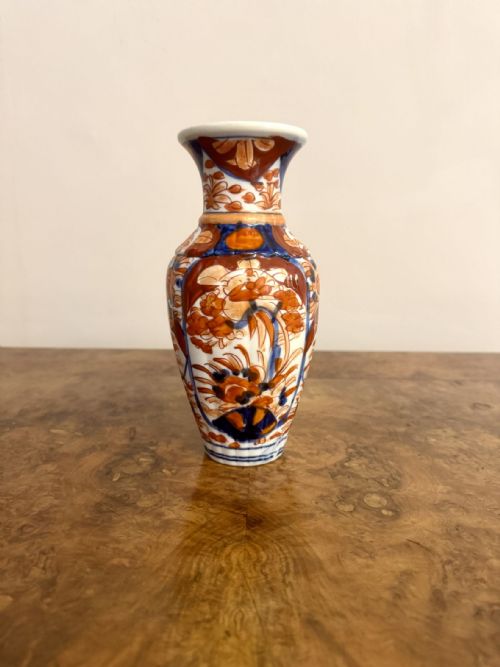
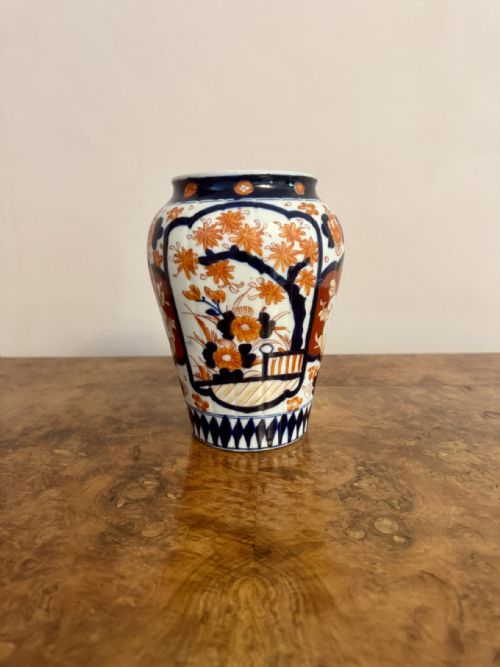
Japanese porcelain urns encompass decorative vases and vessels originating primarily from the Meiji period and the nineteenth century. These pieces showcase distinctive regional aesthetics, including traditional Imari and Kutani styles.
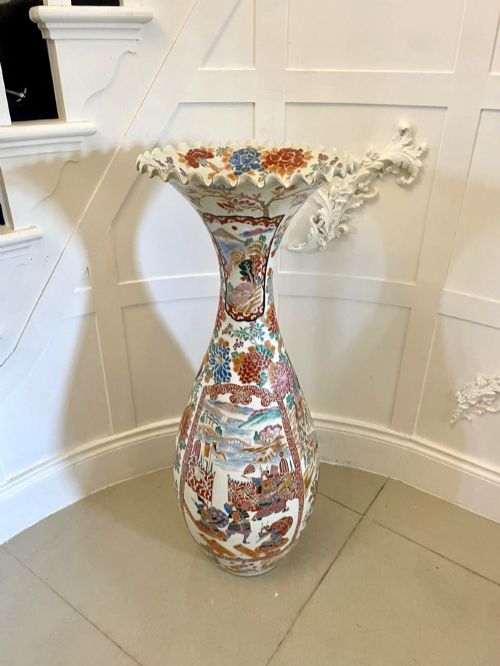
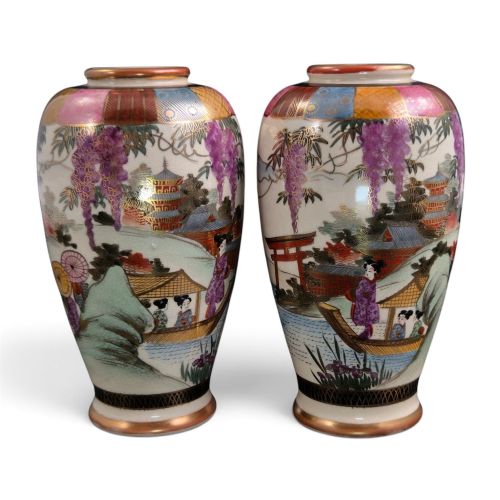
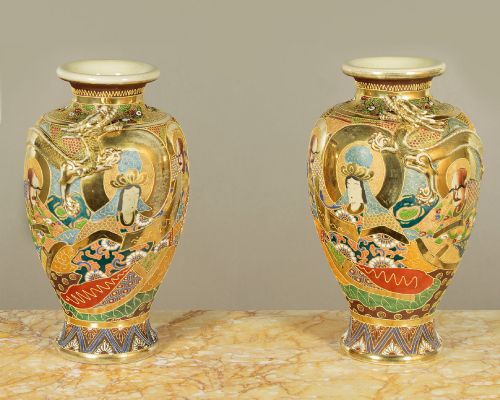
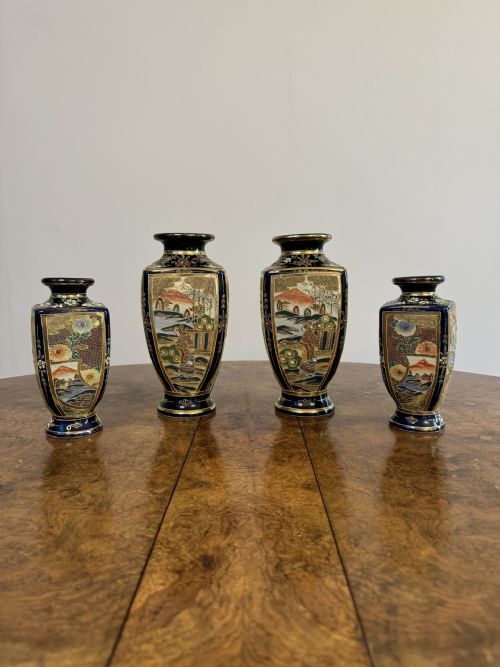
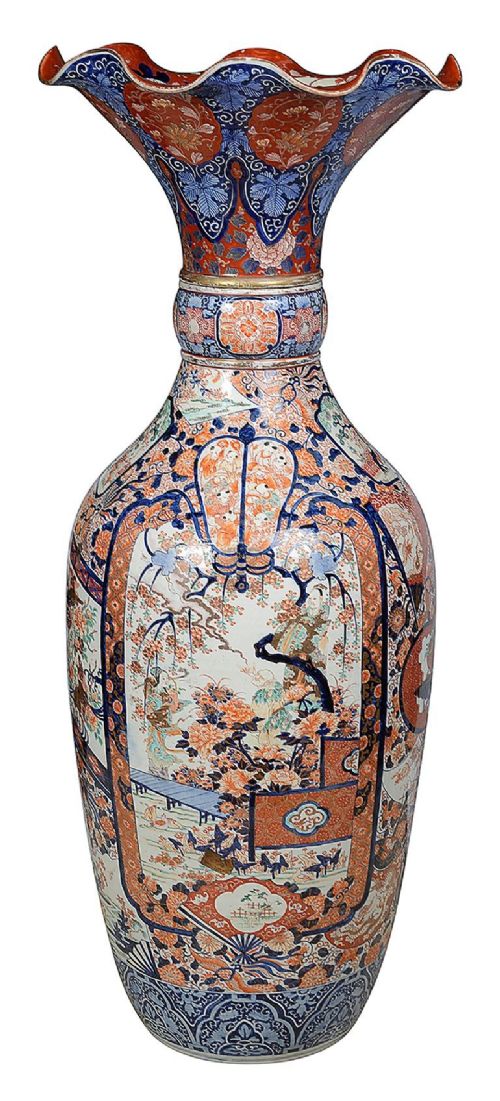
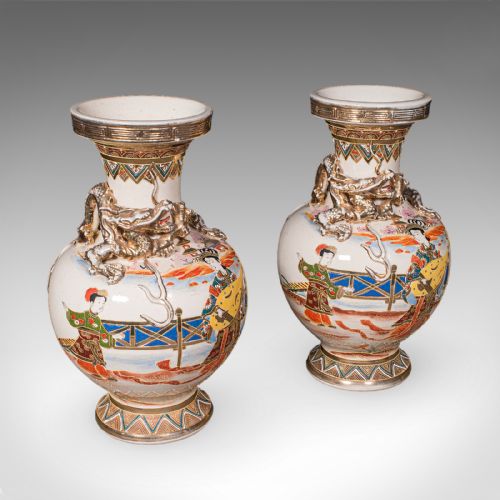
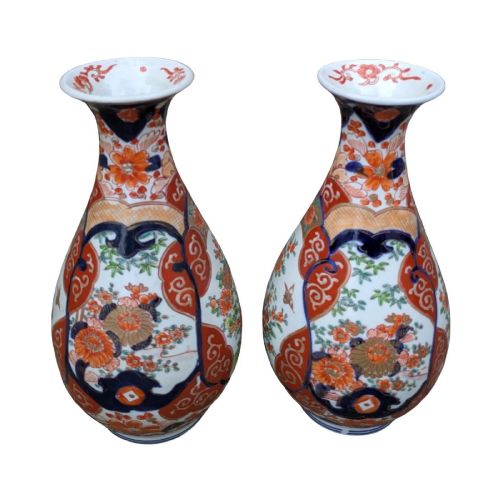
Buyers on this page will frequently encounter pairs of vases, collections of smaller vessels, and large flared neck examples. The forms serve purely decorative purposes rather than practical storage functions.
The selection draws on periods spanning from eighteen ninety to nineteen hundred, capturing a prolific era of ceramic production. Each item reflects the established artistic output of Japanese kilns during this historical window.

How they were made
These items utilise a ceramic body of porcelain or earthenware, shaped into distinct vase forms. Artisans then applied intricate surface treatments to the clay bodies.
Decoration relies heavily on hand-applied glaze, vibrant enamel, and rich gold leaf details. Painters built up complex patterns across the surface using traditional brushwork techniques.
Retail Price Guide 2026
Typical UK retail prices for japanese porcelain urns, calculated from the Sellingantiques database of over a million retail prices indexed since 2003. This retail price guide relies exclusively on Sellingantiques data; no external sources or auction records are used, so the figures do not describe the wider market.
The object forms recorded on this page are strictly limited to decorative vases, including matched pairs and small multi-piece collections.
What varies in quality
The sophistication of the painted enamel and the precision of the gold leaf application determine the visual impact of each piece. Superior examples display meticulous brush control and balanced compositions.
The clarity of the porcelain glaze and the crispness of the moulded form separate standard production pieces from finer studio work. Depth of colour and complexity of pattern indicate the skill of the original workshop.
Kutani·Imari·Satsuma
The Japanese Porcelain Urns Glossary
- Porcelain
- A hard, white ceramic material fired at high temperatures to achieve a vitrified, non-porous body. It forms the smooth base for delicate painted decoration.
- Imari
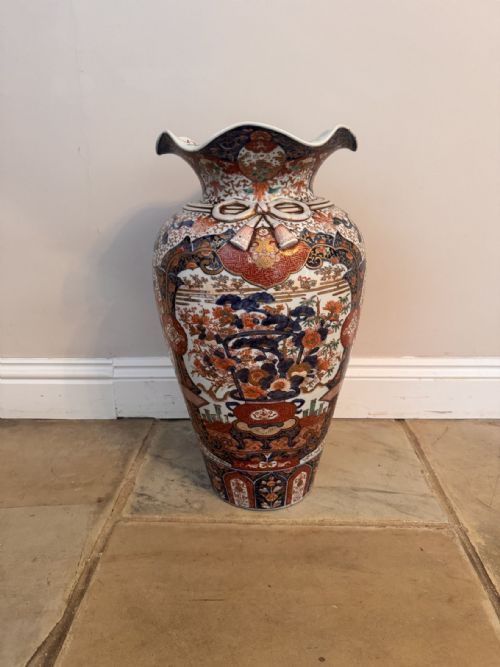
- A traditional Japanese ceramic style characterised by a distinct palette of underglaze blue, iron red, and gilt. The patterns often feature intricate floral and brocade motifs.
- Kutani
- A style of Japanese pottery and porcelain known for bold pictorial designs and heavy enamel colours. Greens, yellows, and purples frequently dominate the palette alongside gold highlights.
- Meiji Period
- The historical era in Japan spanning from eighteen sixty-eight to nineteen twelve, marked by extensive international trade and artistic export. Ceramics from this time often show refined decorative detail.
- Gold Leaf
- Extremely thin sheets of beaten gold applied to the ceramic surface to add metallic highlights. This material catches the light and accentuates specific patterns within the glaze.
Frequently Asked Questions
How do I identify Meiji period pieces?
Meiji period items date from eighteen sixty-eight to nineteen twelve, aligning with the nineteenth century pieces seen in this category. They typically display intricate enamel work and refined stylistic details.
Look for specific regional styles like Imari and Kutani within the decorative scheme. The complexity of the hand-painted motifs often reflects the standards of this prolific manufacturing era.
How were these vases displayed?
Historically, these vessels served as decorative accents in domestic interiors, often arranged in symmetrical pairs on mantelpieces or cabinets. Their vibrant enamel and gold leaf designs were intended to catch natural light.
Collections of smaller vases or large flared neck examples provided visual focal points in a room. They functioned purely as ornamental art objects rather than utilitarian containers.
What is the difference between Imari and Kutani?
Imari ceramics traditionally rely on a specific combination of underglaze blue, iron red, and gold leaf. The patterns often incorporate dense floral and geometric arrangements.
Kutani pieces utilise a broader, heavier palette of enamel colours, including distinct greens and yellows. Their designs frequently focus on pictorial scenes and elaborate border motifs.