
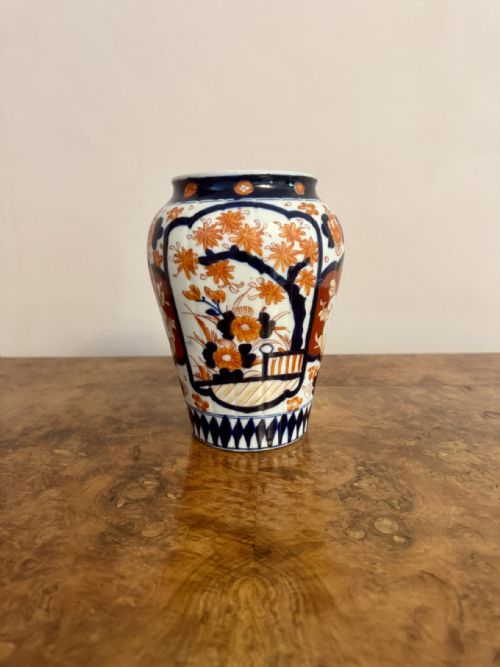
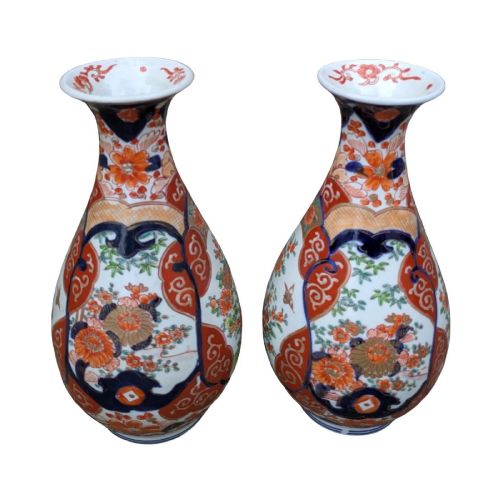
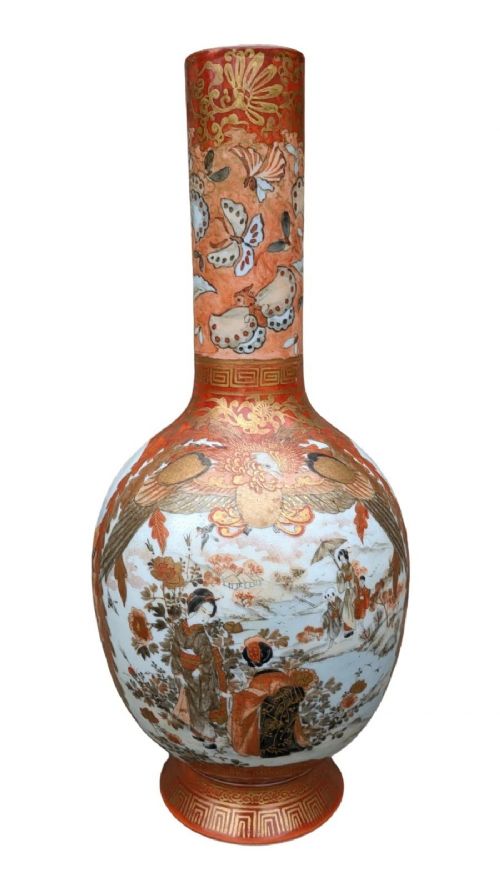
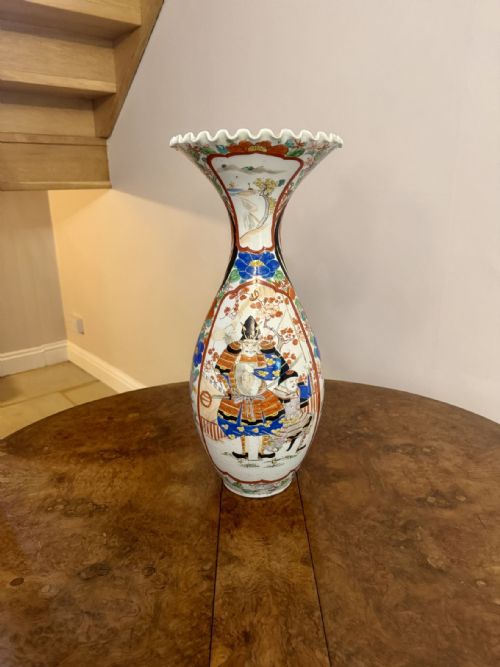
Hand Painted Japanese Vases
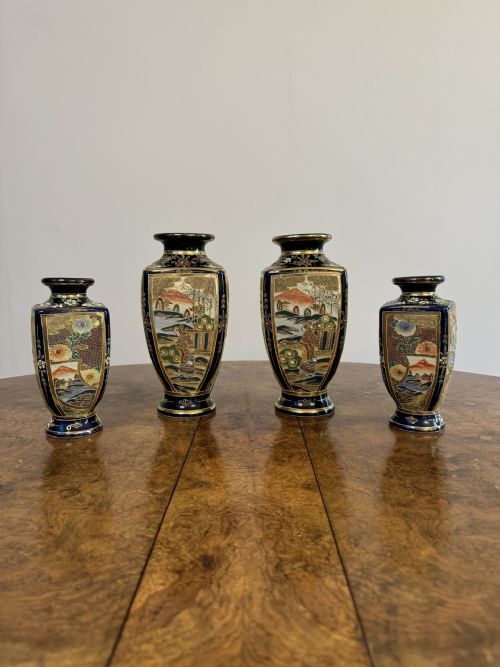
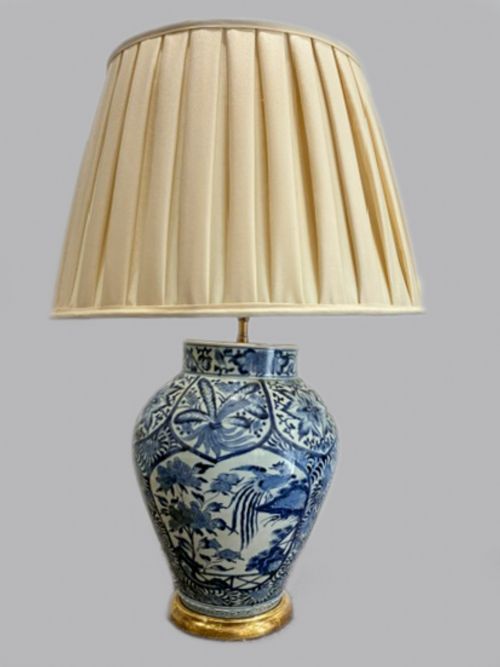
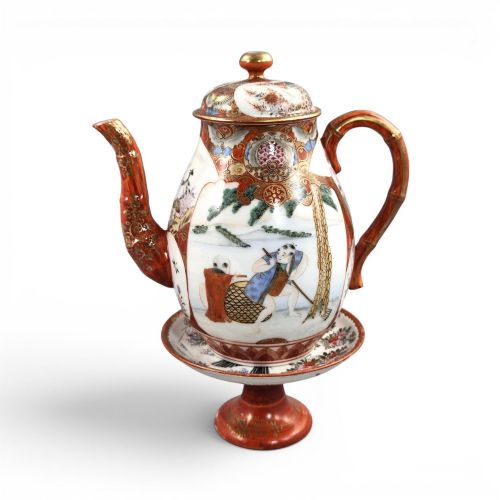
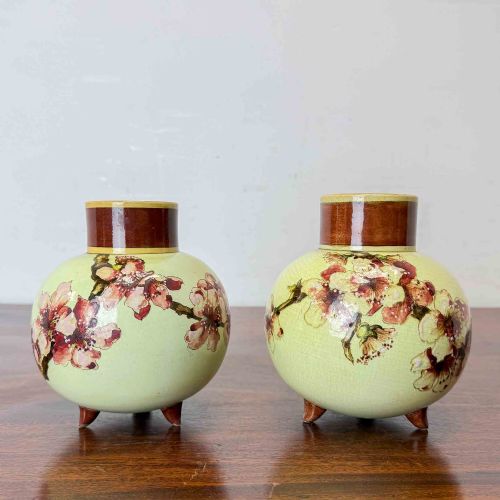
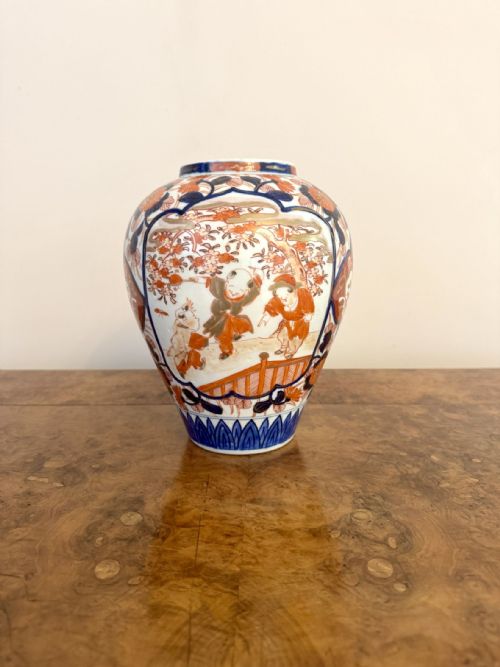
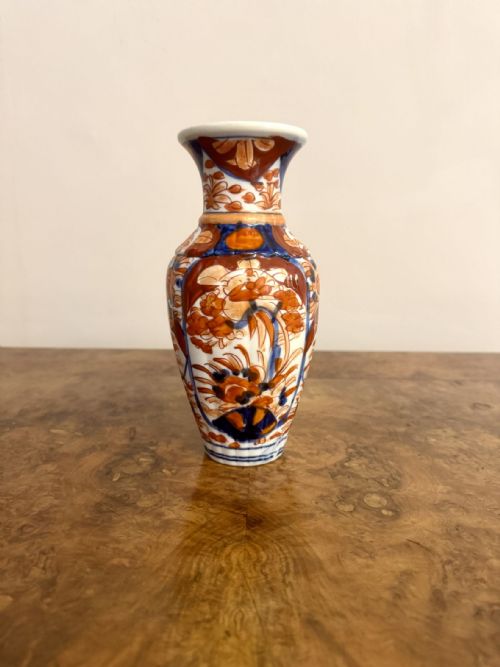
Hand painted japanese vases bring vibrant narrative scenes and rich decorative patterns into a room, offering striking focal points for a mantelpiece or floor.
What hand painted japanese vases are
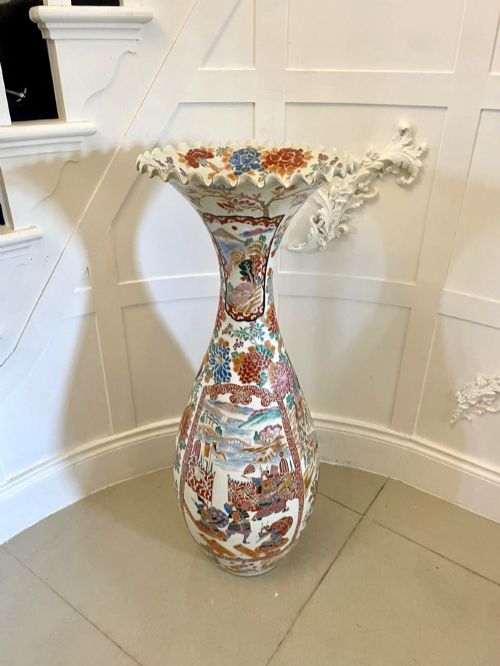
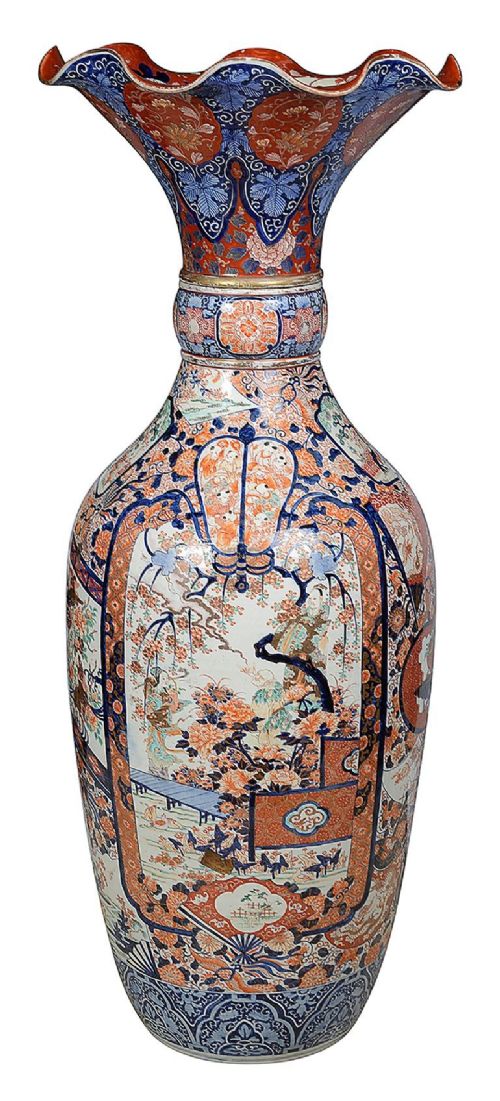
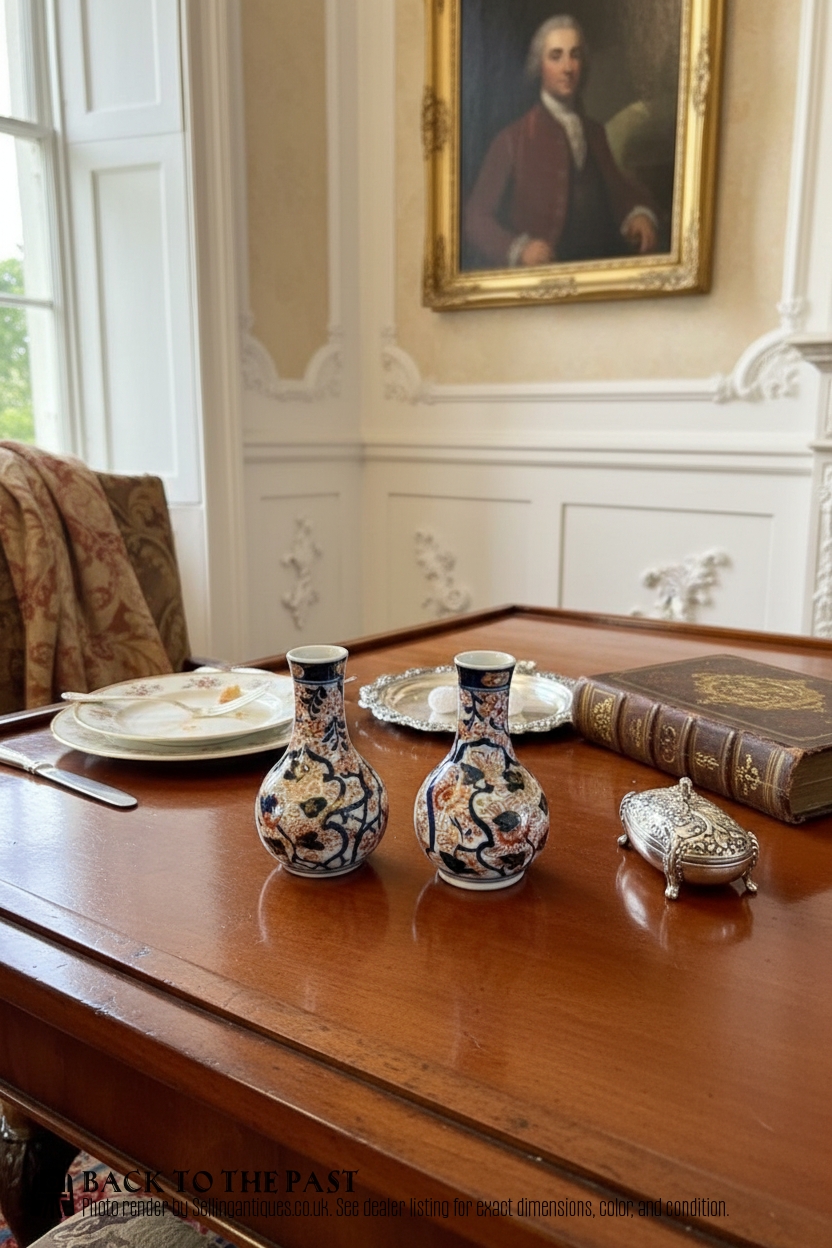
Hand painted japanese vases span the nineteenth century and the early decades of the twentieth century, including pieces from the Meiji period and the Edwardian era. Buyers encounter various forms on this page, ranging from small decorative vessels to large floor vases.
Makers such as Shozan and Fukagawa represent particular workshops and studios associated with these ceramic traditions. Forms include flared neck vessels and substantial floor-standing pieces.
How they were made
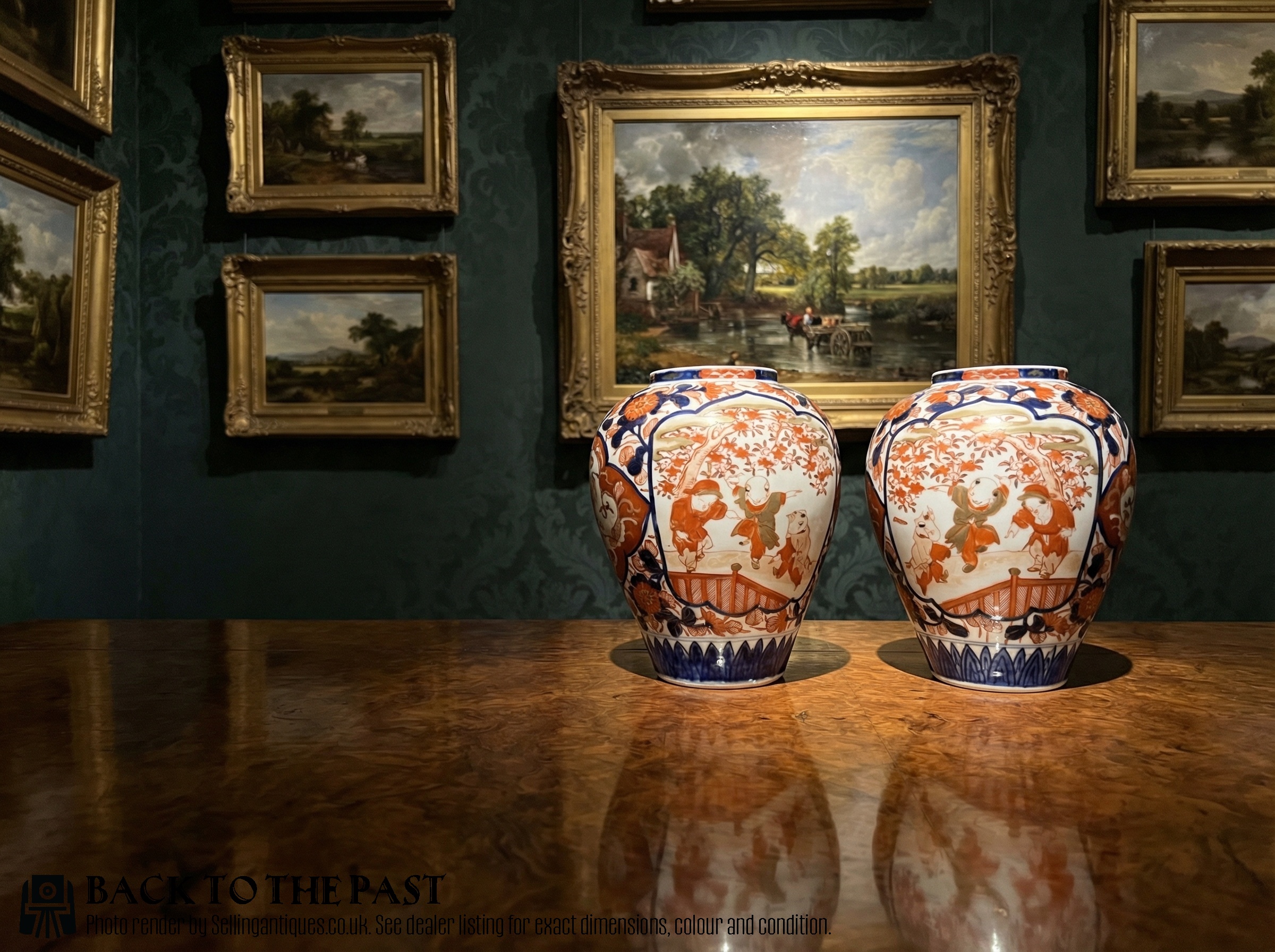
Potters utilised materials such as porcelain and earthenware as the primary base for these vessels. Artisans then applied intricate hand painting techniques directly onto the ceramic surface.
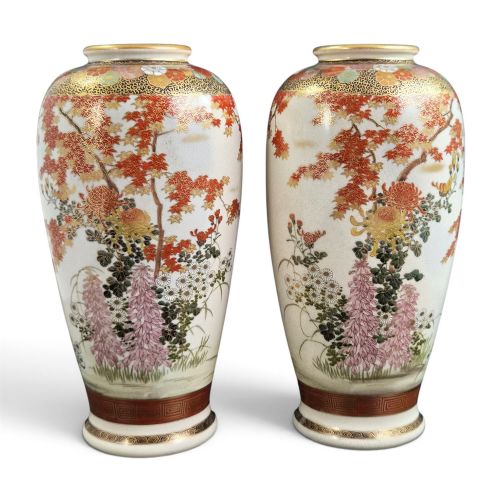
Decoration often incorporated enamel pigments alongside gold leaf and gilt detailing to create luminous decorative effects. Firing and painting methods reflected established regional traditions across different potteries.
Retail Price Guide 2026
Typical UK retail prices for hand painted japanese vases, calculated from the Sellingantiques database of over a million retail prices indexed since 2003. This retail price guide relies exclusively on Sellingantiques data; no external sources or auction records are used, so the figures do not describe the wider market.
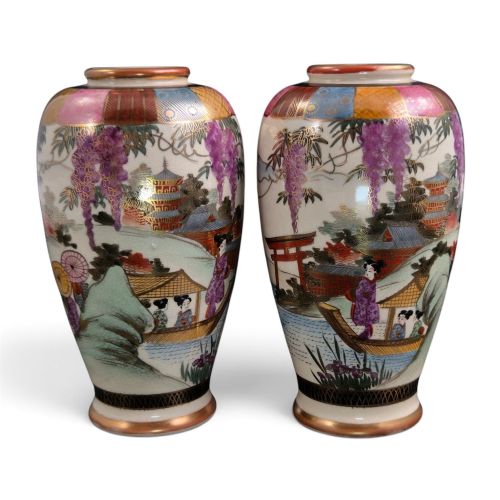
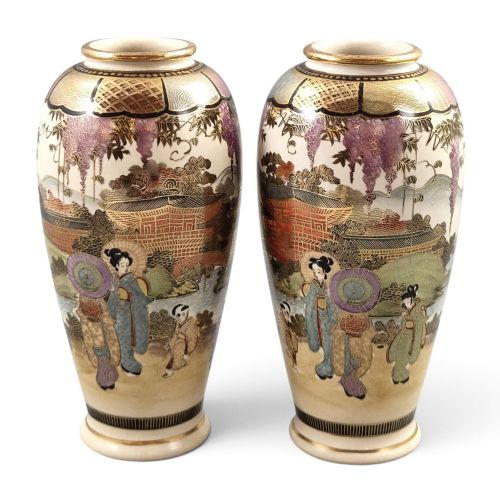
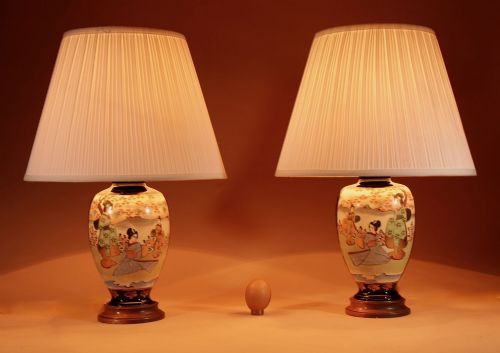
Some pairs depict women and children sharing quiet moments, frozen in enamel for over a century.
What varies in quality
The refinement of the hand painting determines the visual depth of the scene, separating standard production from finer studio work. Precision in the application of enamel and gold leaf indicates the skill of the artist.
Scale and ambition also differentiate the pieces, with large floor vases requiring greater technical mastery during the forming and firing stages. The reputation of specific makers and potteries adds distinction to particular examples.
Shozan·Fukagawa
The Hand Painted Japanese Vases Glossary
- Imari
- A traditional style of Japanese export ceramics characterised by distinctive blue, iron-red, and gilt colour palettes. These patterns often feature intricate floral and geometric motifs.
- Satsuma
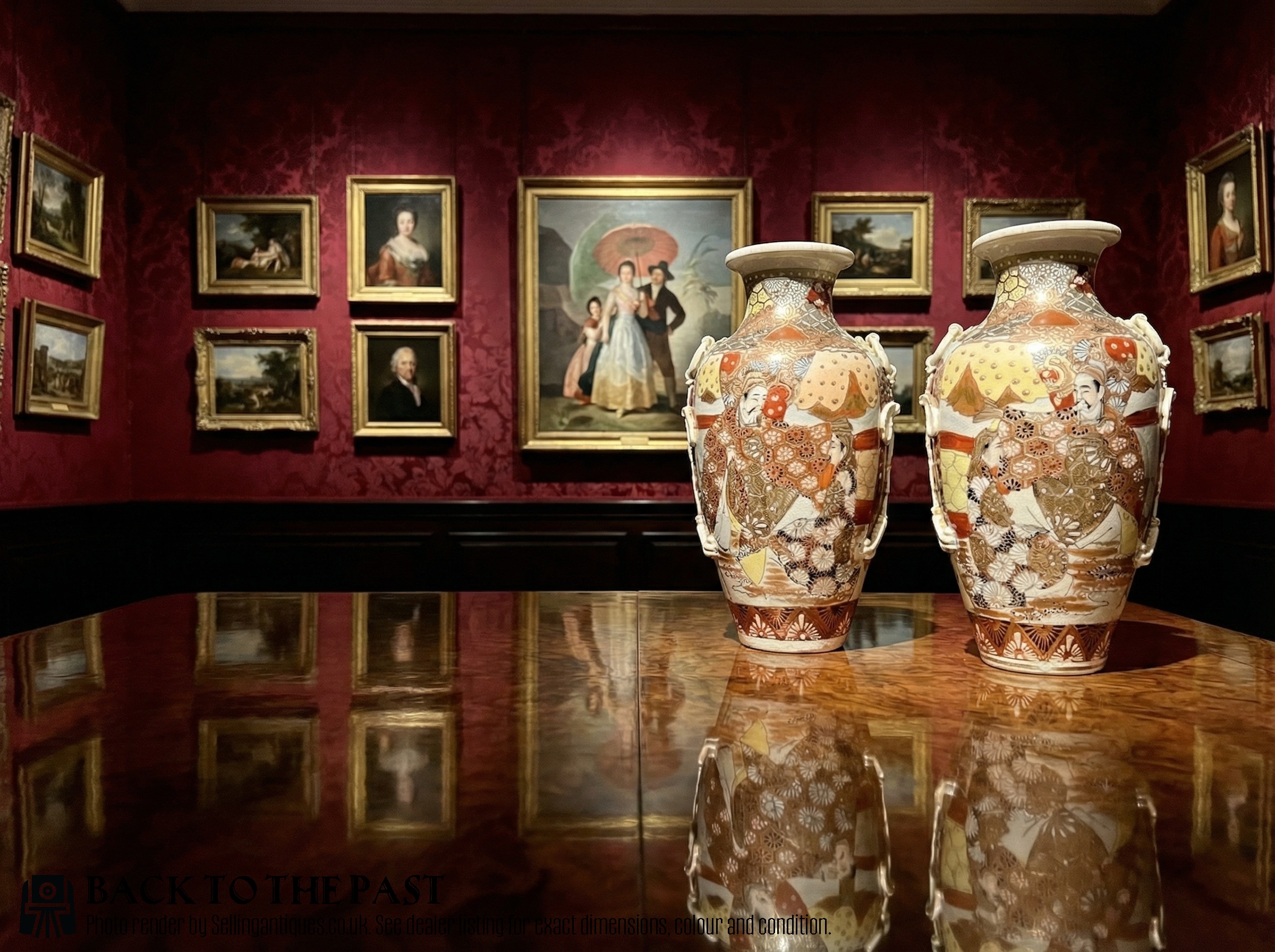
- A type of Japanese earthenware featuring a crackled ivory glaze and elaborate polychrome enamel painting. Designs frequently incorporate figures, gold leaf, and narrative scenes.
- Kutani
- A style of Japanese pottery known for bold colour schemes and detailed pictorial designs. Fukagawa. A notable Japanese porcelain manufacturer associated with fine artistic production during the Meiji period.
- Meiji Period
- The historical era in Japan spanning from eighteen sixty-eight to nineteen twelve, marked by significant artistic output for export. Pieces from this time often display exceptional technical refinement.
- Gilt
- A thin layer of gold or gold-like material applied to the surface of ceramics for decorative accent. This technique highlights specific areas of the painted design.
Frequently Asked Questions
What are hand painted japanese vases?
These ceramic vessels feature detailed hand-applied decoration created in Japan during the nineteenth and early twentieth centuries.
They encompass distinct regional styles such as Satsuma, Imari, and Kutani, produced for both domestic use and export.
How were they used historically?
Many of these vessels served as decorative interior objects designed to showcase fine ceramic artistry and rich pictorial scenes.
Large floor vases and paired pieces were typically placed in prominent interior spaces to create visual symmetry.
How should I live with them?
Place them in stable locations away from high-traffic areas, especially when displaying larger floor vases or delicate porcelain pairs.
Ensure they are positioned where adequate lighting can highlight the fine enamel and gold leaf details.