

Oriental Porcelain Urns
Oriental porcelain urns bring striking ceramic artistry and rich regional character straight into your home.
Oriental Porcelain Urns
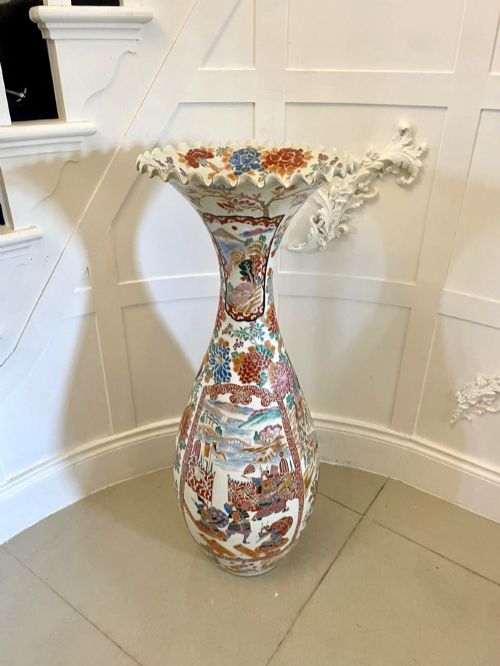
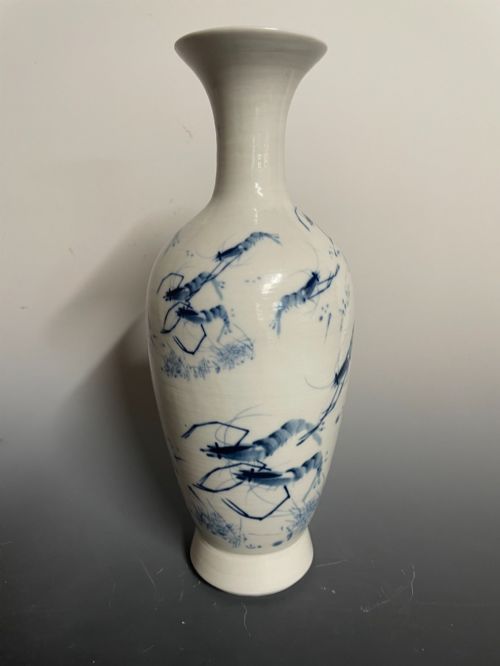
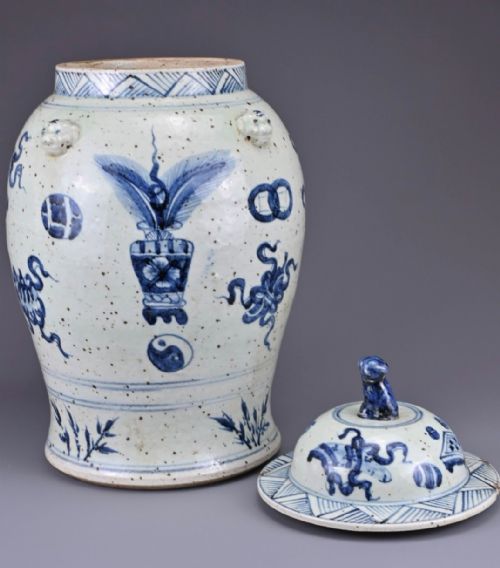
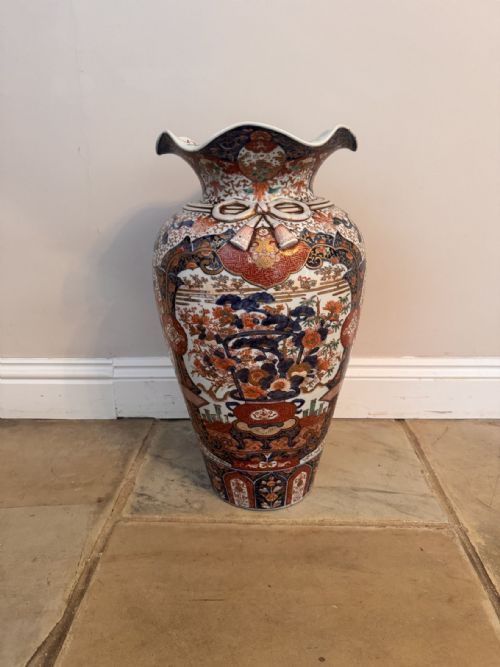
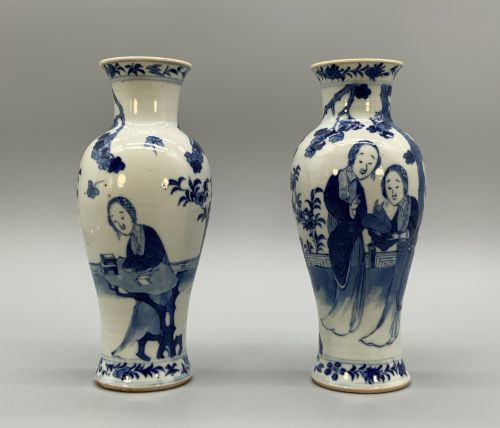
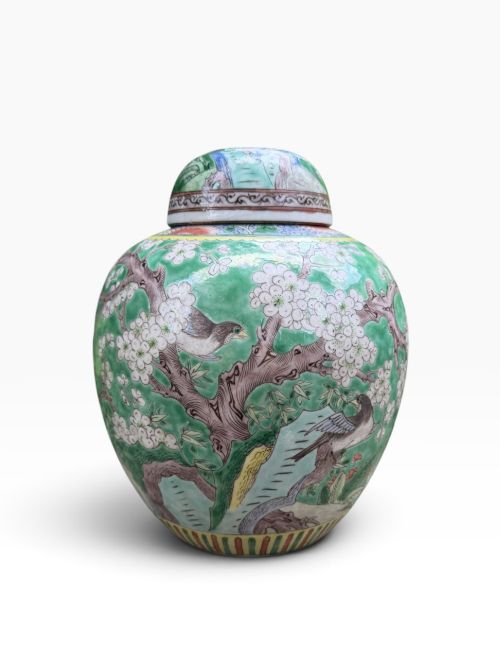
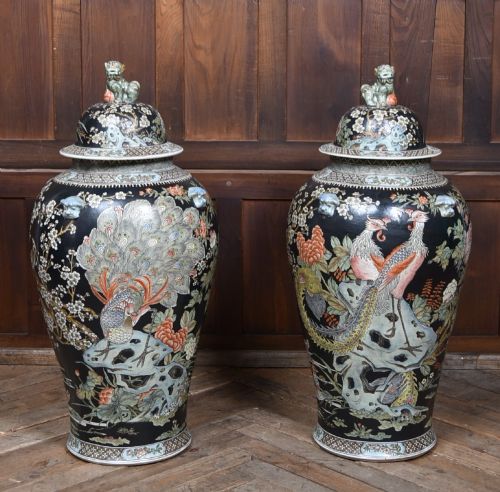
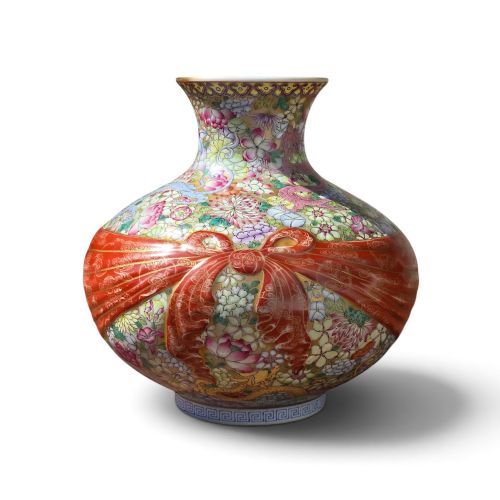
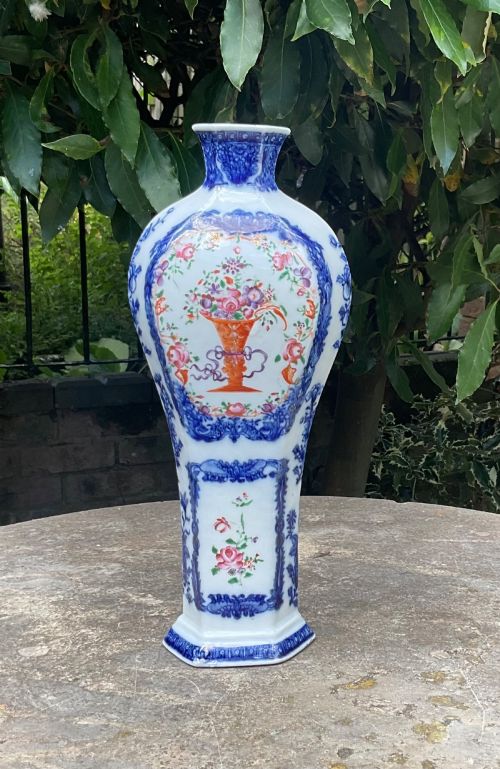
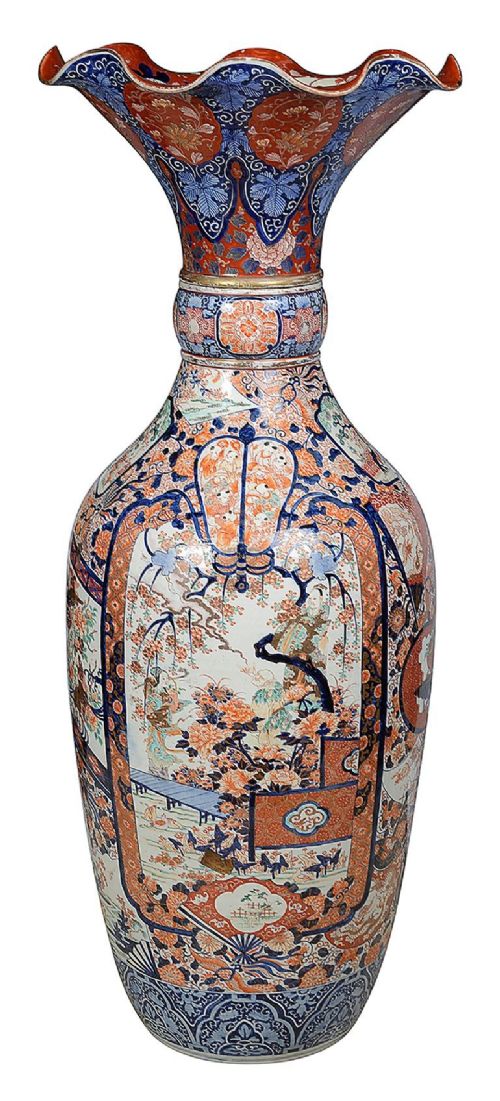
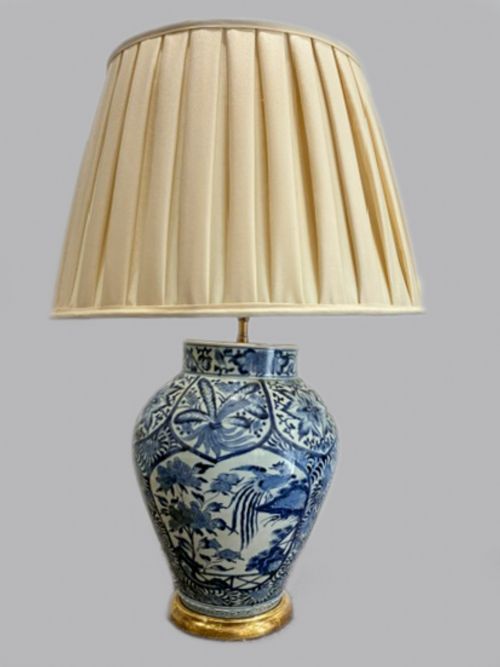
When you search for oriental porcelain urns, you encounter substantial ceramic vessels originating from Chinese and Japanese traditions. These pieces predominantly take the form of decorative vases spanning the nineteenth and early twentieth centuries, including the Victorian, Edwardian, Meiji, and Taisho periods.
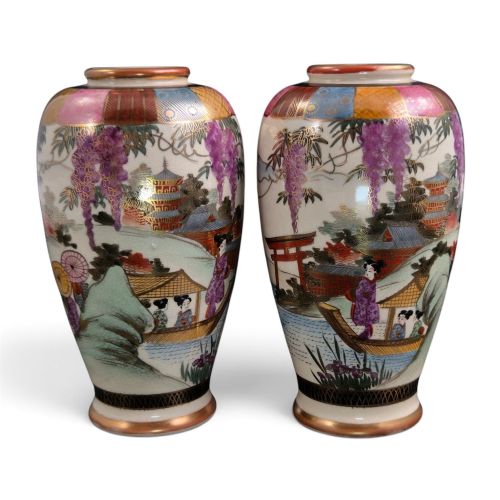
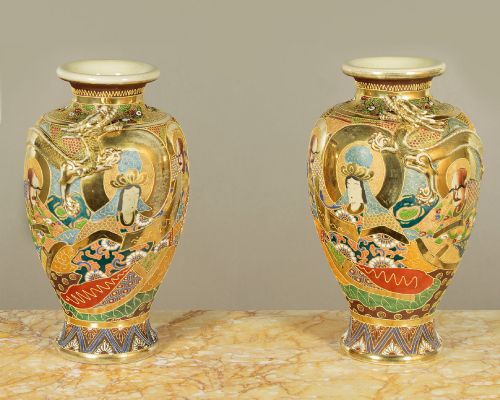
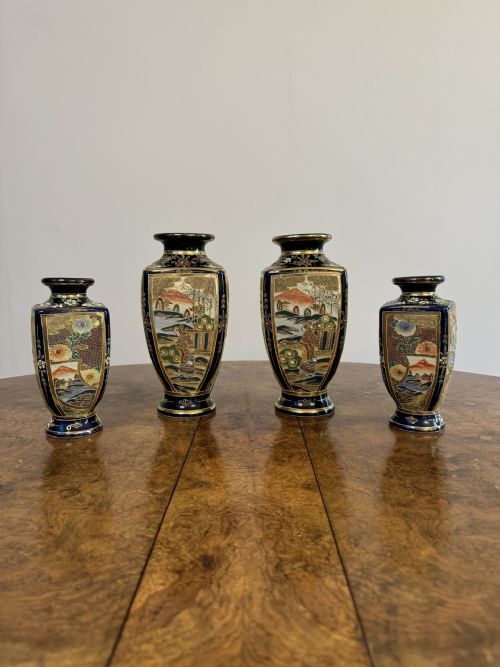
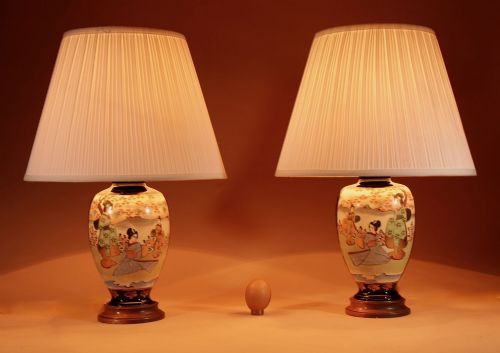
The selections available here showcase distinct regional styles such as Satsuma, Kutani, and Seto wares. Makers utilised traditional forms often created as pairs, featuring intricate painted scenes and elaborate stands.
Materials and Techniques
Potters shaped these vessels using porcelain, earthenware, and ceramic bases finished with smooth glazes and specialised cracked glaze effects. Kiln work required careful temperature control to achieve stable structural forms before any surface decoration began.
Artisans applied detailed enamel pigments alongside gold leaf and heavy gilt highlights. Skilled painters rendered natural landscapes, wisteria, and figurative scenes by hand directly onto the fired ceramic surfaces.
Retail Price Guide 2026
Typical UK retail prices for oriental porcelain urns, calculated from the Sellingantiques database of over a million retail prices indexed since 2003. This retail price guide relies exclusively on Sellingantiques data; no external sources or auction records are used, so the figures do not describe the wider market.
Several pairs arrived safely tucked inside their original vintage boxes, proving that nineteenth-century packaging could outlive most modern furniture.
Assessing Quality
Finely executed examples display exceptional control in their gilding and enamel work, maintaining crisp lines and rich colour saturation across the painted scenes. Superior pieces often retain their original matching stands and retain immaculate surface preservation.
The distinction between standard commercial output and masterwork production lies in the subtlety of the brushwork and the complexity of the glaze effects. Signature pieces by recognised workshops demonstrate superior balance in proportion and greater depth in decorative composition.
The Oriental Porcelain Urns Glossary
- Satsuma
- A type of Japanese earthenware featuring a fine ivory-coloured crackle glaze decorated with enamel and gilt. It originated in Satsuma Province and became immensely popular for export during the Meiji period.
- Kutani
- Japanese porcelain noted for its vibrant colour palette, particularly strong greens and reds, applied in pictorial designs. This ware has a long history originating in the Ishikawa prefecture.
- Gilt
- A thin layer of gold applied to the surface of ceramics to create luminous decorative accents. High quality pieces use thick gold leaf that resists tarnishing over time.
- Crackled glaze
- A intentional network of fine microscopic cracks in the ceramic glaze created during the cooling process. Chinese potters developed this aesthetic effect, which later influenced Japanese makers.
Frequently Asked Questions
Where should I display oriental porcelain urns?
Position these ceramics on stable surfaces away from high traffic areas to protect their delicate enamel and gilt decoration from accidental knocks. Good natural light enhances the subtle details in the painted landscapes and cracked glazes.
Avoid placing them in direct, harsh sunlight for extended periods to preserve the richness of the historical pigments. Using their original stands where provided ensures proper weight distribution and authenticity of presentation.
How do I identify the Meiji period?
The Meiji period corresponds to the reign of the Meiji Emperor in Japan, lasting from eighteen sixty-eight to nineteen twelve. Pieces from this era often reflect the opening of Japanese trade to Western markets, leading to highly ornate export styles.
Look for intricate hand-painted motifs, rich Satsuma earthenware bodies, and signatures from notable workshops or individual artists active during these decades.
Are these pieces functional or decorative?
These items were created almost exclusively as decorative works of art rather than functional vessels for holding water or cut flowers. The porous nature of certain earthenware bodies like Satsuma means they are unsuited for holding liquids.
Their value lies entirely in their sculptural form, historical significance, and the intricate skill of the painter and potter who produced them.