


Antique Satsuma Pottery
Antique satsuma pottery pieces are finely finished ceramic works designed to bring intricate Japanese artistry and gold detail into a room.
What antique satsuma pottery is
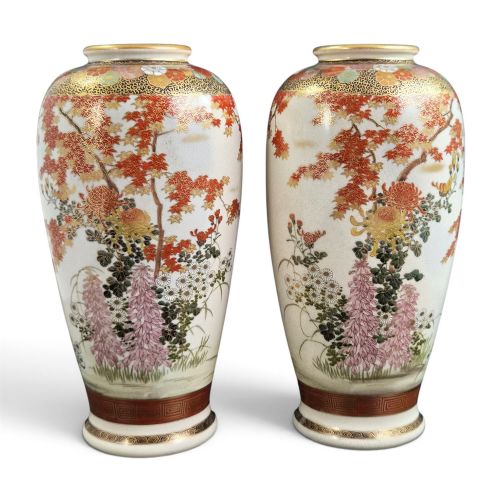
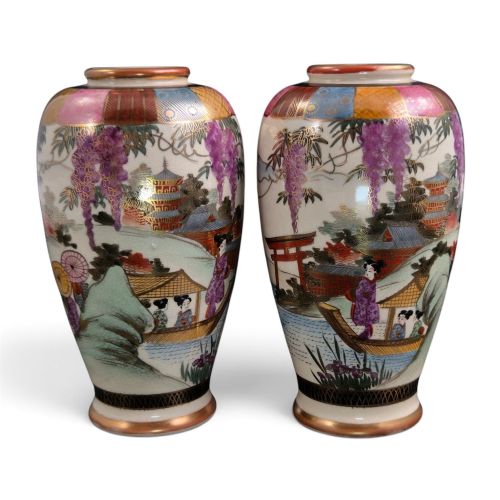
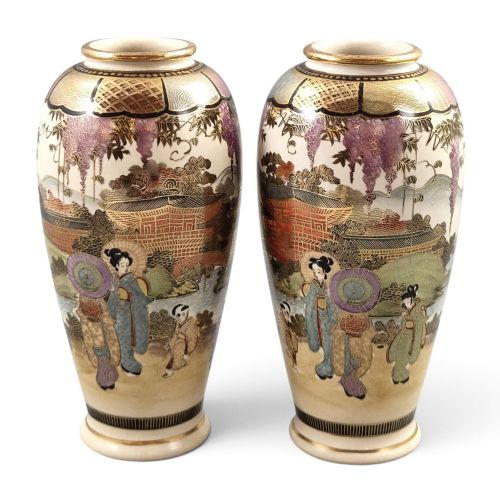
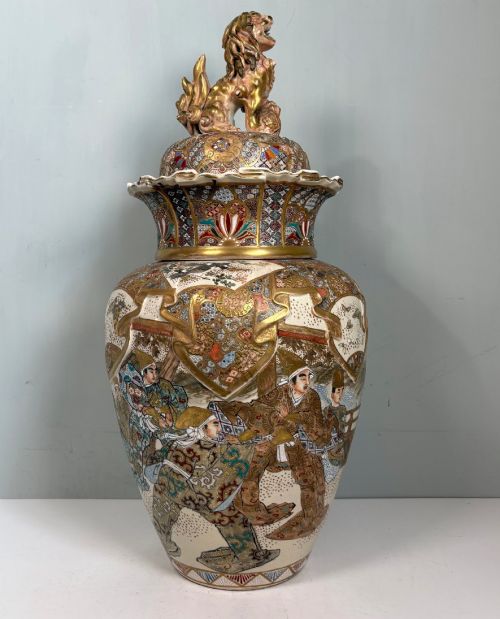
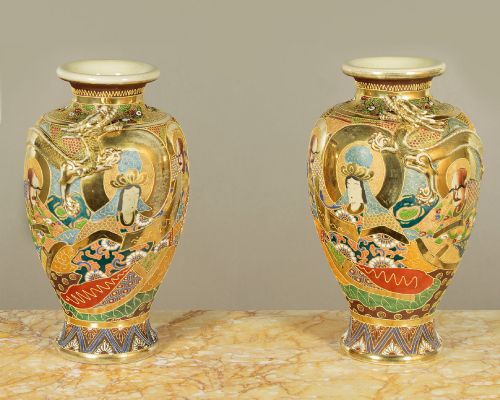
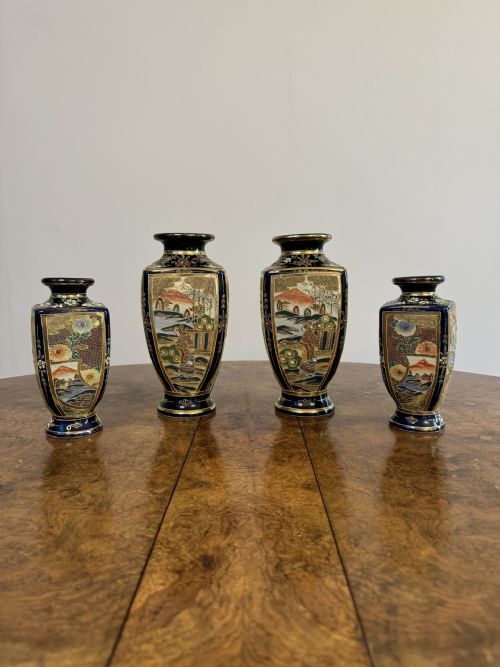
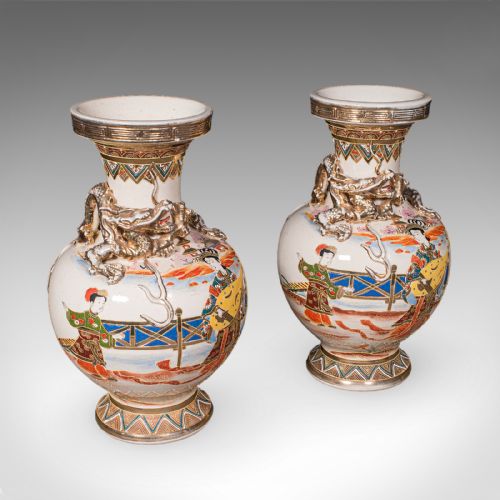
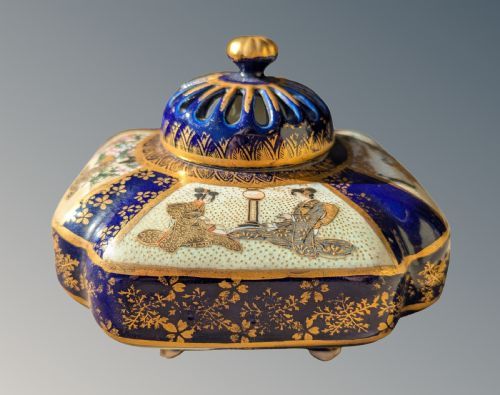
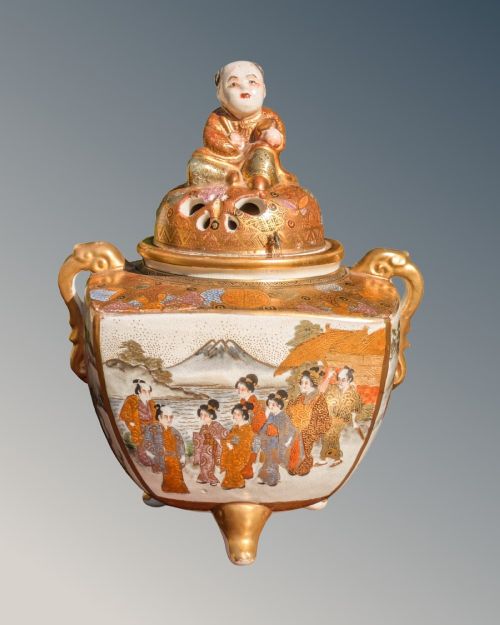
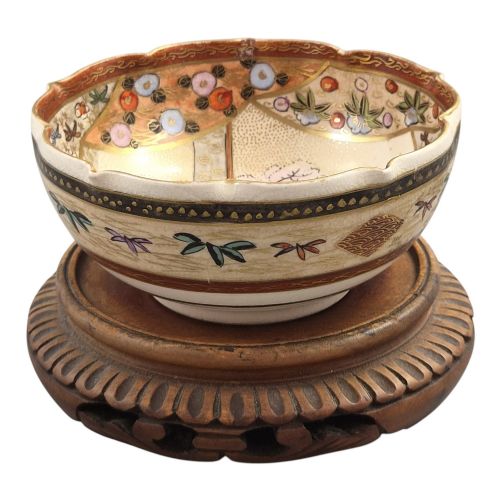
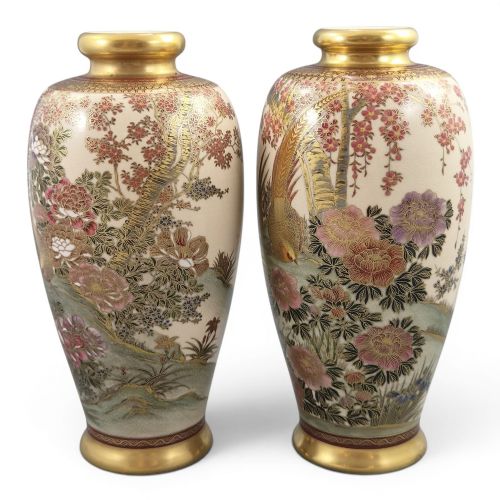
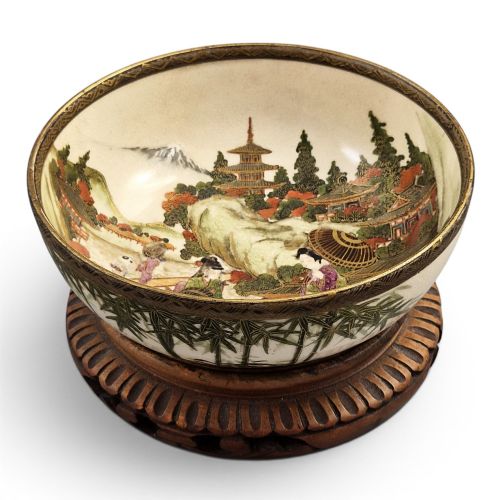
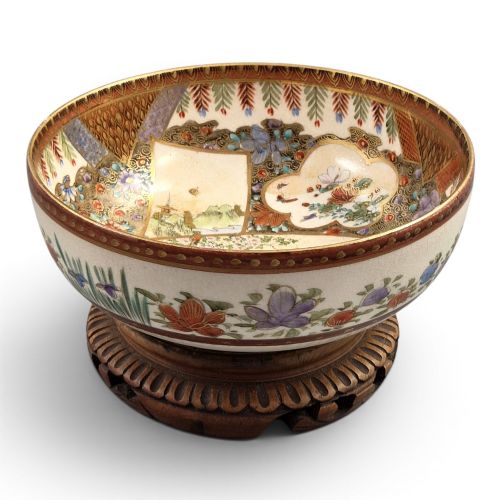
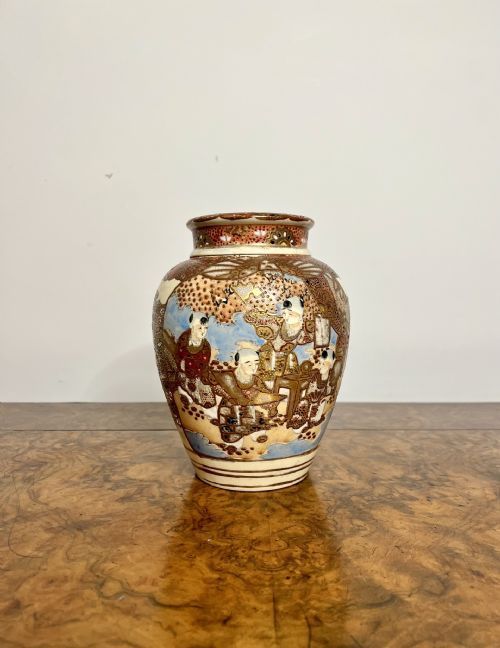
When you search for antique satsuma pottery, you encounter a distinct category of earthenware vessels produced during the nineteenth century, the Edwardian era, and the Taisho period. These items typically take the form of vases, ginger jars, decorative bowls, shaped vessels, miniature vases, and footed dishes.
The objects originate from Japanese production centres and span both the Meiji and Taisho periods. You find pairs of vases decorated with landscapes, covered ginger jars, and small signed pieces that reflect traditional aesthetic choices.
How they were made
The makers formed these pieces using earthenware clay bodies as the primary substrate. Artisans applied detailed enamel painting across the surface to build up complex figurative and natural scenes.
Makers integrated gold leaf, gilt, and gold gilt highlights alongside the enamel work. This combination of materials created the characteristic rich metallic detailing associated with the ware.
Retail Price Guide 2026
Typical UK retail prices for satsuma pottery, calculated from the Sellingantiques database of over a million retail prices indexed since 2003. This retail price guide relies exclusively on Sellingantiques data; no external sources or auction records are used, so the figures do not describe the wider market.
Some miniature vases are so small they sit comfortably in the palm of your hand, yet contain entire painted landscapes.
What varies in quality
The refinement of the painted decoration separates the standard examples from the finer items. Pieces linked to recognised workshops or specific circles display a higher degree of precision in their enamel and gold application.
Form and proportion also define the range, with carefully shaped vases and marked pieces showing greater attention to detail by the maker. Signed examples and those with associated boxes represent the upper tier of production.
Kinkozan Circle·Hododa Yokohama·Shuzan
The Antique Satsuma Pottery Glossary
- Earthenware
- A porous pottery body fired at lower temperatures, serving as the base for Satsuma wares. It requires a glaze to hold liquids.
- Enamel
- Opaque or translucent glass-like paint applied to the ceramic surface in multiple colours. It provides the vibrant pictorial details on these vessels.
- Gilt
- A thin layer of gold or gold-coloured material applied to the surface to accentuate rims, panels, and motifs. It creates the characteristic metallic shimmer.
- Meiji Period
- A historical era in Japan spanning from 1868 to 1912, known for a surge in decorative arts created for export. Many items on this page date from this time.
Frequently Asked Questions
What is antique satsuma pottery?
Antique satsuma pottery consists of Japanese earthenware vessels decorated with enamels and gold leaf. These items include vases, bowls, and jars.
The pieces date from the nineteenth century through the Edwardian and Taisho eras, reflecting traditional craftsmanship intended for display.
How do I date these pieces?
Dating relies on stylistic markers associated with the Meiji and Taisho periods, alongside periods noted in records like Edwardian or nineteenth century.
Signatures and marks on the base often help narrow down the production window to specific decades.
Were these items used?
Most surviving pieces served decorative purposes rather than everyday domestic utility. Vases, ginger jars, and footed dishes were designed to showcase Japanese artistic skill.
Their delicate earthenware bodies and gold detailing made them display objects in domestic interiors.
How should I display them?
Place these vessels away from direct sunlight to protect the enamel colours and gold gilt details. Stable surfaces prevent accidental knocks to fragile earthenware.
Allowing sufficient space around each vase or bowl highlights the intricate painted scenes and individual shapes.