
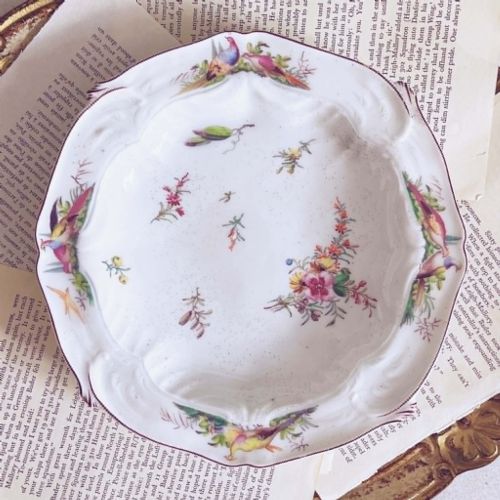
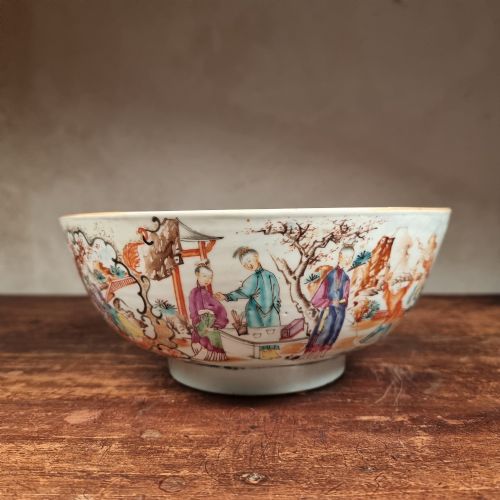
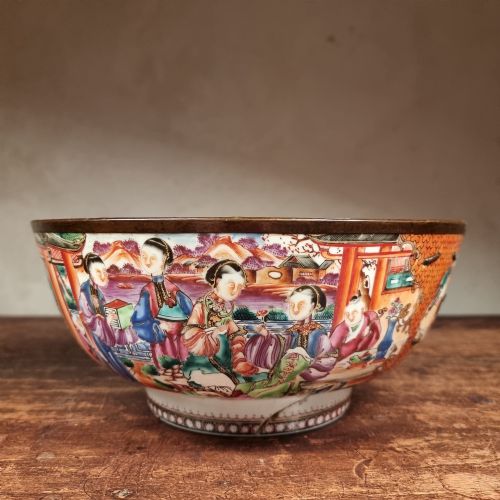
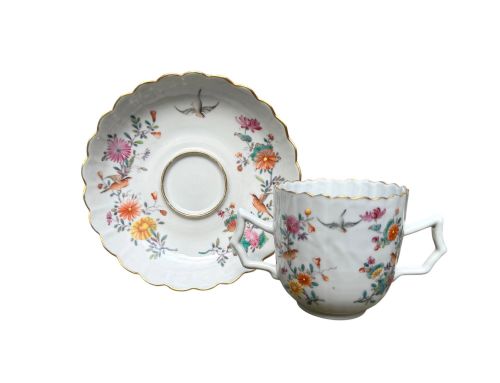
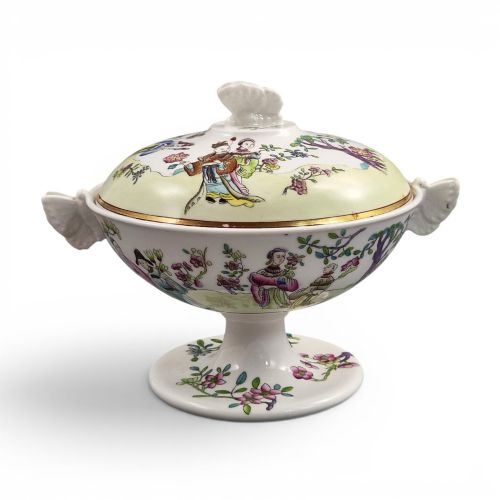
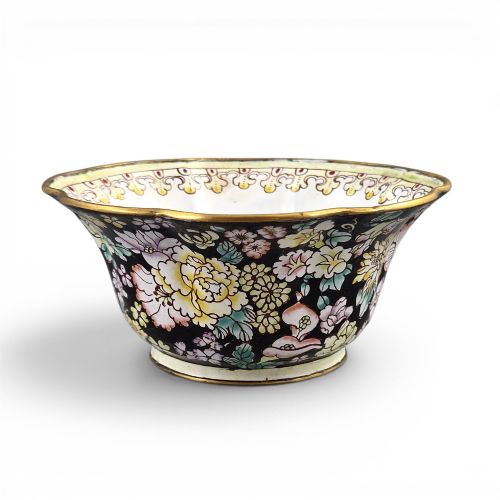
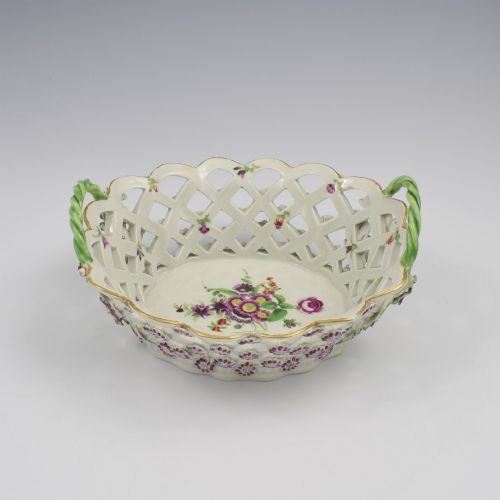
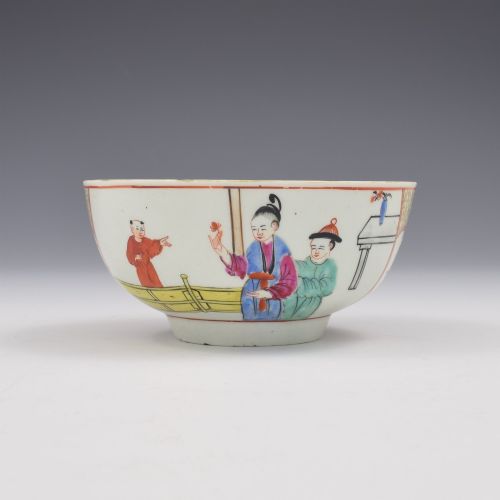
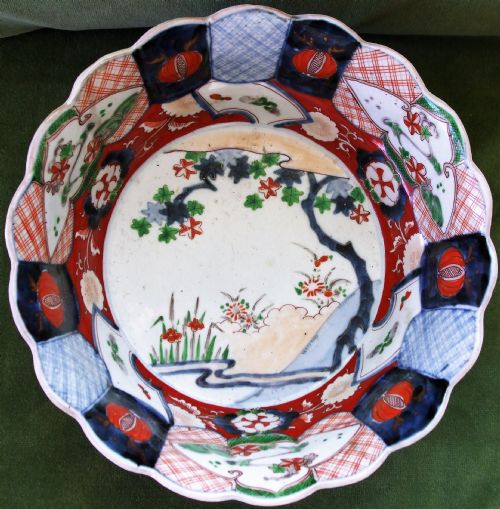
Polychrome Ceramic Bowl
When you search for a polychrome ceramic bowl, you encounter richly coloured vessels created across centuries in Europe and Asia.

Polychrome Ceramic Bowl
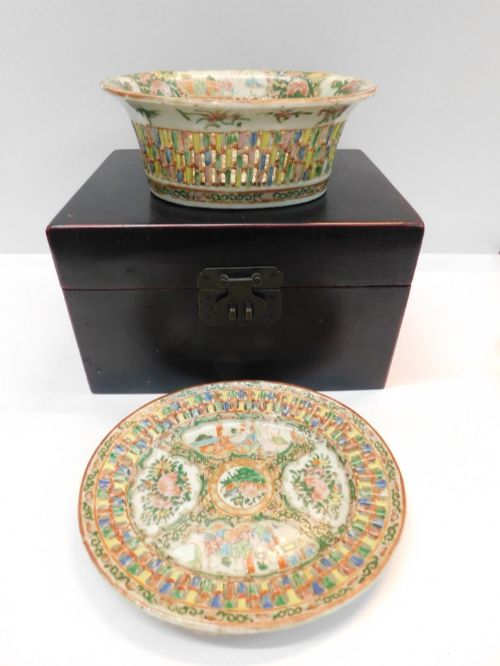
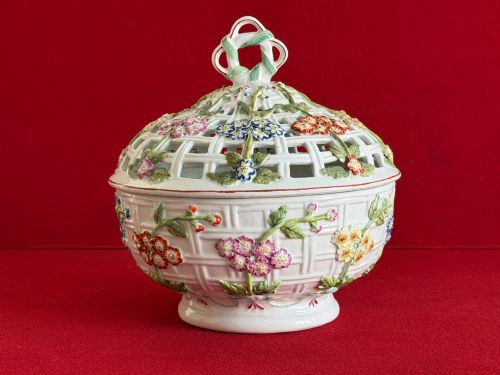
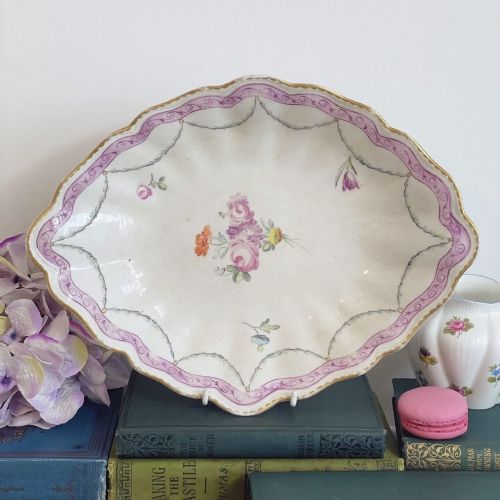
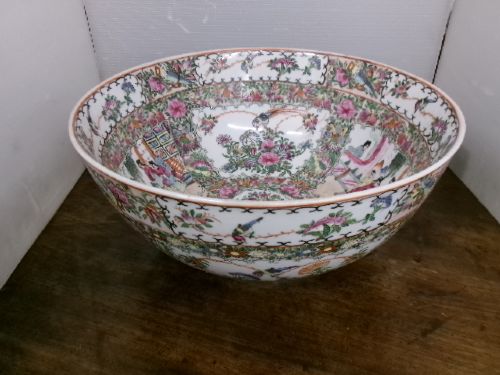
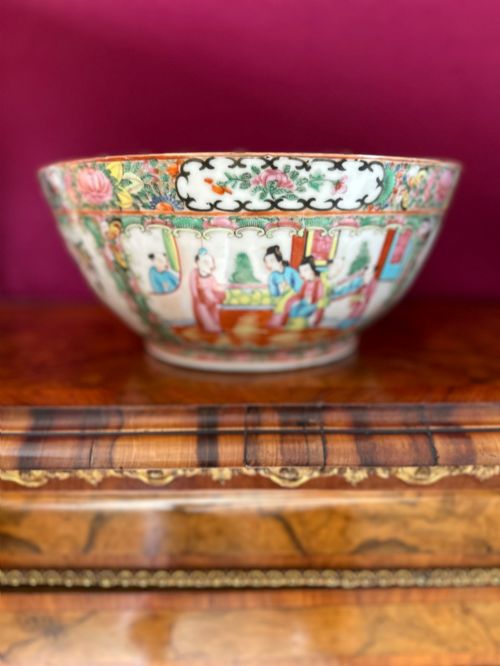
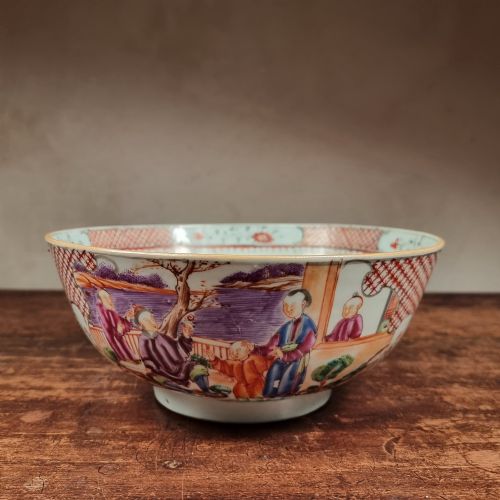
A polychrome ceramic bowl encompasses a wide range of decorative and functional vessels, from Chinese Canton porcelain pieces to English earthenware and soft-paste porcelain. Buyers searching this phrase meet everything from large punch bowls and centrepieces to smaller chestnut baskets, sugar bowls, and slop bowls.
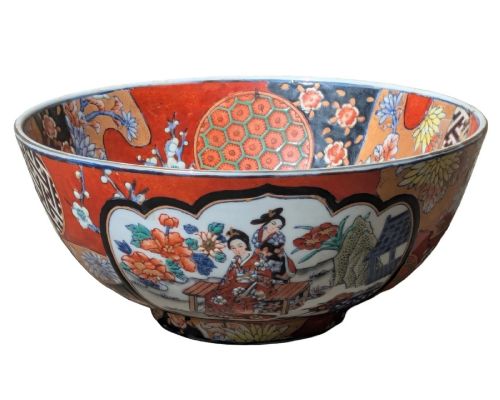
The material record spans centuries, featuring Chinese export wares alongside European manufactories like Derby, Worcester, Meissen, and Spode. Japanese Imari and Satsuma ceramics also form a significant portion of what appears, bringing distinct regional palettes and motifs to the selection.
How they were made
Potters shaped these vessels using clay, earthenware, soft-paste porcelain, and ironstone, before applying glazes and hand-painted mineral pigments. Many examples incorporate enamel, gold leaf, and gilt detailing fired onto the ceramic body to achieve rich surface decoration.
Techniques varied by region and period, from the intricate famille rose enamelling on Chinese porcelain to the moulded ironstone and majolica work of 19th-century English kilns. Japanese pieces utilised specialised underglaze and overglaze painting methods, sometimes combined with copper or ormolu mounts.
Polychrome Ceramic Bowl Retail Price Guide 2026
Typical asking prices for polychrome ceramic bowl among the pieces listed under this phrase on Sellingantiques today, from the lower quarter to the upper quarter. They describe what is for sale here now, not the wider market.
Listings span the 18th, 19th, and early 20th centuries, uniting English earthenware, European soft-paste porcelain, and Asian export ceramics.
What varies in quality
Quality rests primarily in the crispness and precision of the hand-painted brushwork, the vibrancy of the enamel palette, and the delicacy of the ceramic body, such as eggshell porcelain. Superior examples display confident, detailed execution of figures, florals, or traditional patterns without muddiness in the colours.
The sophistication of the form and the preservation of secondary elements, such as covers, stands, or gilt highlights, also distinguish finer pieces from standard domestic wares. Makers known for rigorous standards and artistic innovation consistently command greater appreciation among collectors.
Derby Porcelain·Dr Wall Worcester·Meissen·Spode·Mason·Mann And Co
The Polychrome Ceramic Bowl Glossary
- Polychrome
- Decorated in multiple colours. This term describes ceramics featuring varied pigment palettes rather than monochrome or blue-and-white schemes.
- Famille Rose
- A major palette of Chinese ceramic enamel colours introduced in the Qing dynasty. It is characterised by pink opaque enamel derived from colloidal gold.
- Imari
- A type of Japanese porcelain decorated in underglaze blue and overglaze red, gold, and other colours. The style originated in Arita and was heavily exported to Europe.
- Soft-paste porcelain
- A ceramic material composed of clay and glass frit fired at lower temperatures than hard-paste porcelain. It was widely used in 18th-century European factories like Derby and Worcester.
- Ironstone
- A type of heavy, durable earthenware patented in the 19th century. Mason's ironstone is a prominent example known for its utility and capacity for intricate Chinoiserie decoration.
Polychrome Ceramic Bowl: Frequently Asked Questions
What is a polychrome ceramic bowl used for?
Historically, these vessels served various domestic and ceremonial functions, from large punch bowls and fruit display to sugar storage and table service. Today, collectors typically utilise them as decorative centrepieces or display items within a room.
Because many retain their original vibrancy and form, they function well as standalone focal points on tables, sideboards, or open shelving.
How do I identify Chinese export bowls?
Chinese export pieces intended for Western markets often combine traditional Asian forms and motifs with shapes requested by European buyers, such as punch bowls and chestnut baskets. Look for characteristic famille rose enamelling, Canton or Nanking styles, and typical porcelain bodies dating from the 18th and 19th centuries.
Examining the foot ring, glaze pooling, and hand-painted brushwork helps distinguish these historical export wares from later reproductions.
How do I care for antique ceramic bowls?
These pieces require gentle handling, washing only by hand in lukewarm water with mild soap when necessary. Avoid harsh abrasives, soaking, or placing them in modern dishwashers, which can damage delicate enamels and gold leaf.
Display them away from direct sunlight and areas subject to sudden temperature shifts to protect the glaze and ceramic body over time.
How can I tell Japanese Imari from Chinese porcelain?
Japanese Imari typically employs a distinctive palette of deep underglaze blue, iron red, and gilt, often featuring dense floral and brocade patterns on a crisp white body. Chinese porcelain of similar eras, such as famille rose wares, tends to utilise a wider range of opaque enamel colours including pinks, greens, and yellows.
Clay composition, weight, and potting style also provide clues, as Japanese bodies often feel slightly drier at the unglazed foot ring compared to Chinese export equivalents.