
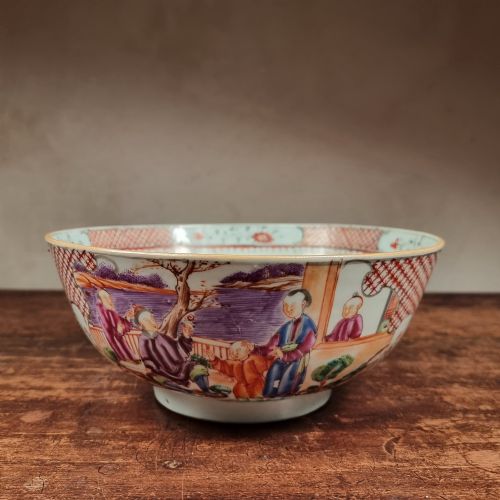
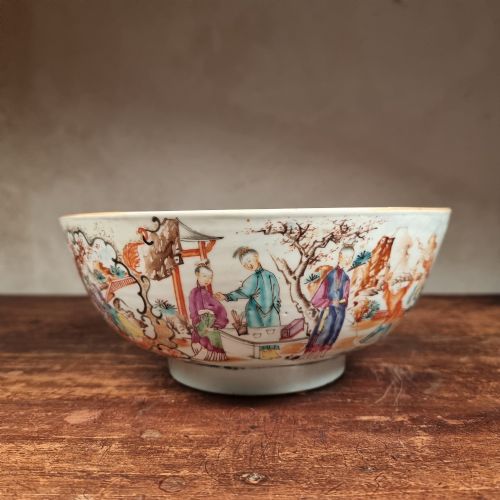
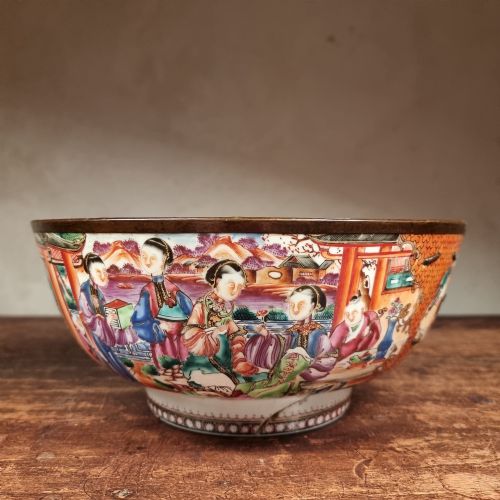
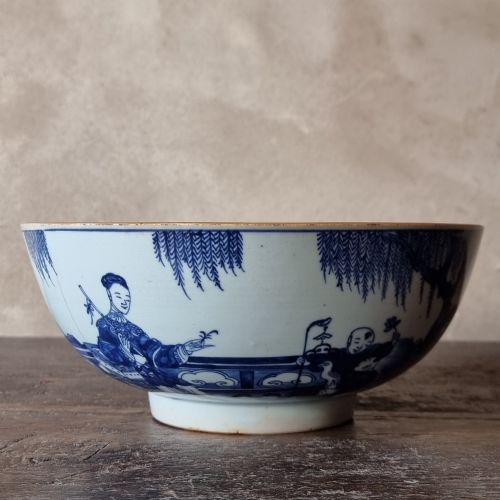

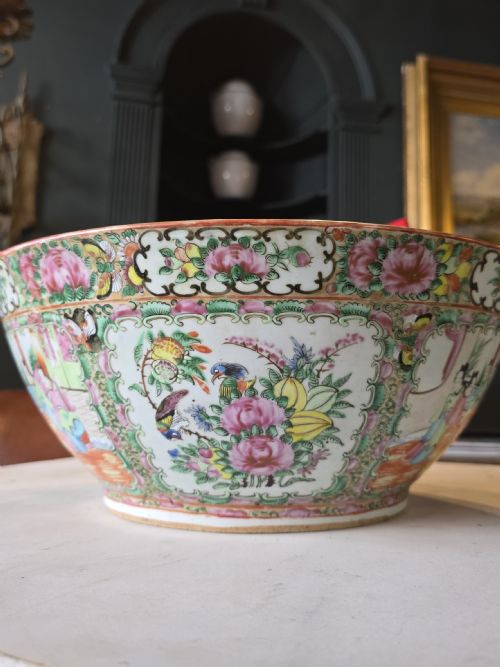


Chinese Porcelain Punch Bowl
A Chinese porcelain punch bowl brings deep history and hand-painted artistry to a room, serving as a striking focal point for any table.

Chinese Porcelain Punch Bowl
When you search for a chinese porcelain punch bowl, you are looking at substantial vessels made for serving mixed drinks at historic gatherings, which now function as decorative centrepieces. The examples you encounter span several centuries, with the majority originating from the eighteenth and nineteenth centuries.
The forms range from traditional circular punch bowls and larger centrepiece bowls to pieces mounted with ormolu or paired with stands. These items reflect various eras of production, including Qing Dynasty wares and Chinese Export pieces designed for Western markets.
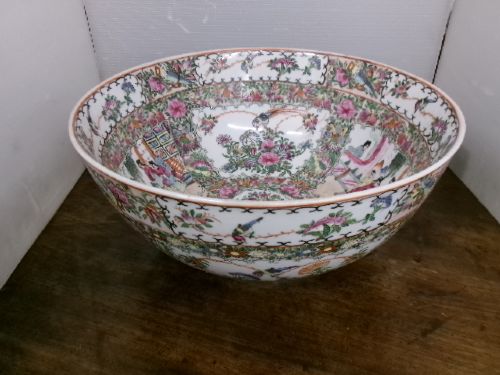
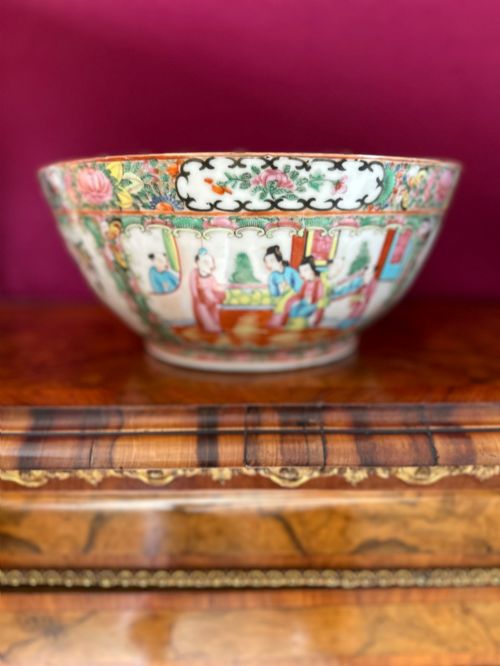
You will also find items associated with specific decorative traditions, such as Cantonese Famille Rose, Rose Medallion, and blue and white scholar designs. Each piece carries the distinct stylistic traits of its period, from Kangxi interpretations to Edwardian and later revivals.
How they were made
These vessels are formed from ceramic porcelain and finished with glazes, including cobalt blue and overglaze enamel decoration. Artisans applied hand-painted motifs using mineral pigments, sometimes incorporating gold leaf or gilding to highlight intricate patterns.
Techniques varied from traditional Chinese throwing and glazing to specific European-decorated imports, where plain porcelain blanks received embellishment in London. Makers utilised careful kiln firing to set the cobalt glaze before adding coloured enamels in subsequent firings.
Chinese Porcelain Punch Bowl Retail Price Guide 2026
Typical asking prices for chinese porcelain punch bowl among the pieces listed under this phrase on Sellingantiques today, from the lower quarter to the upper quarter. They describe what is for sale here now, not the wider market.
Listings feature porcelain vessels spanning the sixteenth-century Ming dynasty through to Victorian and Edwardian revival periods.
What varies in quality
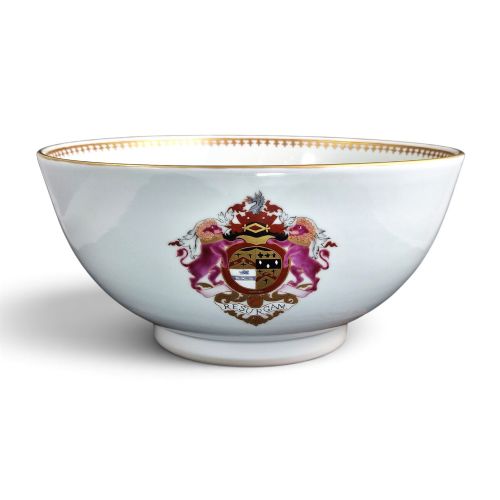
The distinction between ordinary and exceptional pieces lies in the precision of the hand-painted brushwork and the complexity of the narrative or floral scenes. Finer examples display meticulous detail in figures, butterflies, and armorial motifs, whereas simpler items rely on repetitive geometric borders.
Scale and proportion also define the upper tier of the range, particularly with large punch bowls that maintain structural balance and clear, vibrant enamel colours without muddiness. The integration of period mounts, such as ormolu fittings, adds another layer of craftsmanship that elevates the standing of the vessel.
James Giles·Samson Of Paris
The Chinese Porcelain Punch Bowl Glossary
- Famille Rose
- A palette of opaque pink and rose enamels introduced in the Qing dynasty. It allowed artists to render soft gradients in floral and figural scenes.
- Chinese Export
- Porcelain made in China specifically for Western markets from the sixteenth to the nineteenth centuries. These items often combined traditional Eastern techniques with shapes and crests requested by European buyers.
- Ormolu
- Gilded bronze mounts applied to the rim or base of a ceramic vessel. This decorative hardware became popular on nineteenth-century pieces destined for grand European interiors.
- Imari
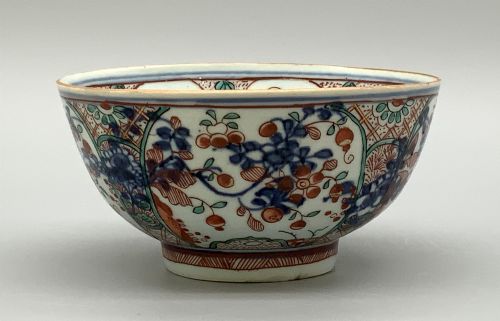
- A style of ceramic decoration featuring underglaze blue and overglaze red and gold. It originated in Japan but heavily influenced Chinese export porcelain designs during the Kangxi period.
- Armorial
- A ceramic design painted with a European family coat of arms. Wealthy patrons commissioned these bespoke services through trade companies.
Chinese Porcelain Punch Bowl: Frequently Asked Questions
What is a chinese porcelain punch bowl?
A chinese porcelain punch bowl is a large ceramic vessel originally created for mixing and serving punch at large social gatherings. Over time, these bowls transitioned from active dining service into decorative centrepieces displayed on tables or stands.
They are characterised by deep, rounded walls and elaborate hand-painted decoration, ranging from floral patterns to complex figural scenes.
How do I tell an 18th century bowl from a 19th century one?
Distinguishing between eighteenth and nineteenth-century pieces involves examining the depth of the enamel colours, the weight of the porcelain, and the style of the hand-painted motifs. Eighteenth-century examples often exhibit finer, more translucent bodies and subtle palette choices associated with the Qing dynasty.
Nineteenth-century items, such as Cantonese Famille Rose or Rose Medallion pieces, frequently display denser, brighter enamel work and heavier overall construction.
Were these bowls used for food?
In their original historical context, these large vessels served alcoholic punch drinks during communal dining and social events. Liquid ingredients and citrus mixtures filled the bowl, often accompanied by ladles for sharing.
Today, due to their age and collector value, they are primarily used for display rather than culinary service.
How should I display a large centrepiece bowl?
A large bowl works best as a focal point on a sturdy dining table, sideboard, or dedicated stand where its painted interior and exterior remain visible. Ensuring the supporting surface is level and stable is essential given the substantial diameter and weight of these pieces.
Keeping them away from direct sunlight helps preserve the vibrancy of the overglaze enamels and gilding over time.