

White Porcelain Bowl
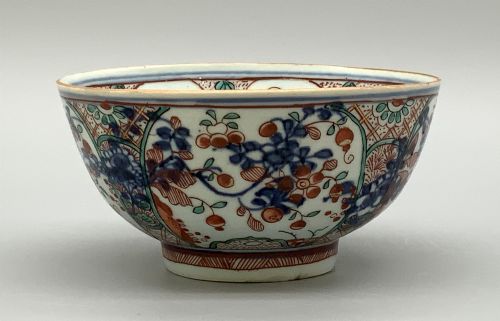
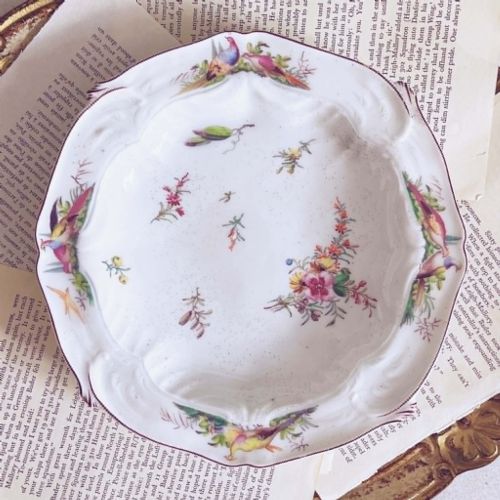
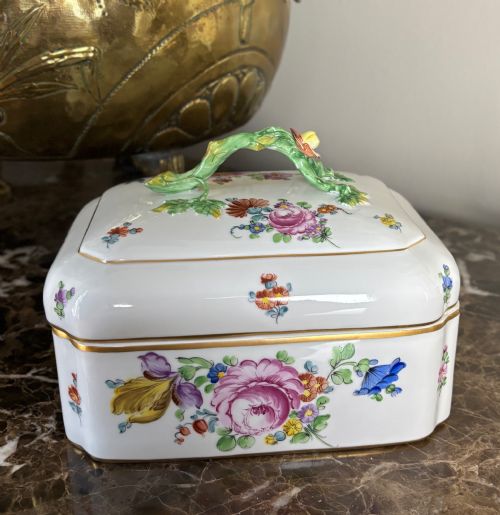
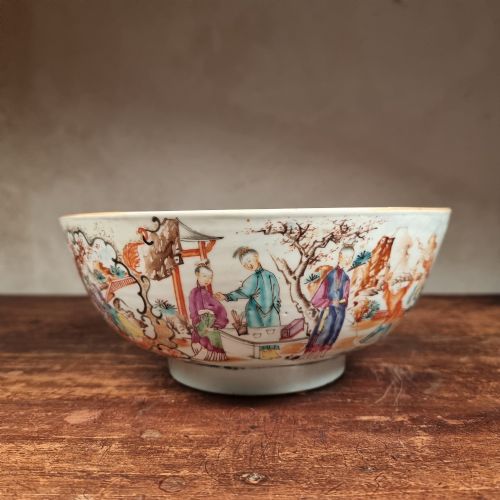
These white porcelain bowl examples range from Ming Dynasty pieces to Meissen ceramics, offering centuries of craftsmanship for the collector.
What a white porcelain bowl is
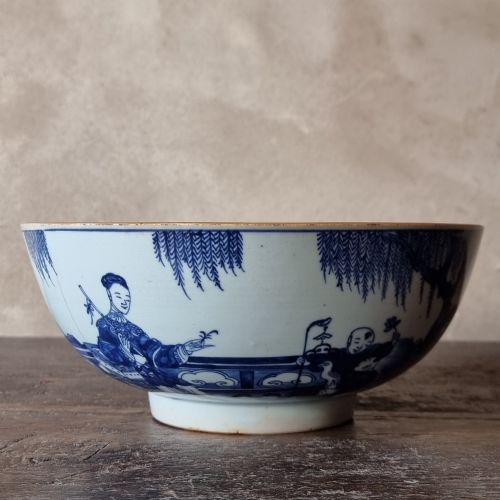
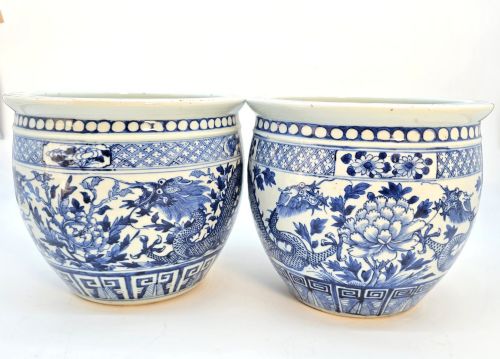
A white porcelain bowl encompasses a variety of ceramic vessels made across centuries, spanning Chinese dynasties and European factories. Buyers searching this phrase encounter forms ranging from punch bowls and decorative bowls to eggshell bowls and large jardinières.
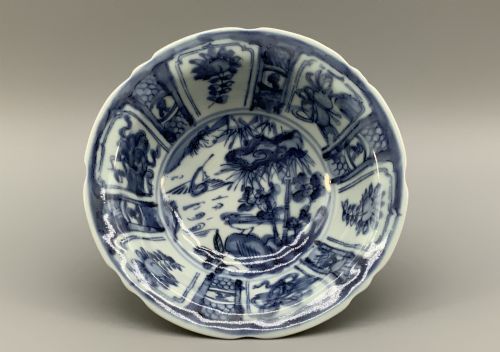
The pieces listed here represent diverse origins, including Qing Dynasty and Ming Dynasty Chinese wares alongside 18th Century Continental and Meissen productions. These items showcase traditional potting traditions from both Asian and European makers.
Most items you meet on this page date from the 18th Century and 19th Century, though earlier 16th Century examples also appear. Forms include both simple utilitarian shapes and elaborate decorative items featuring hand-painted enamels.
How they were made
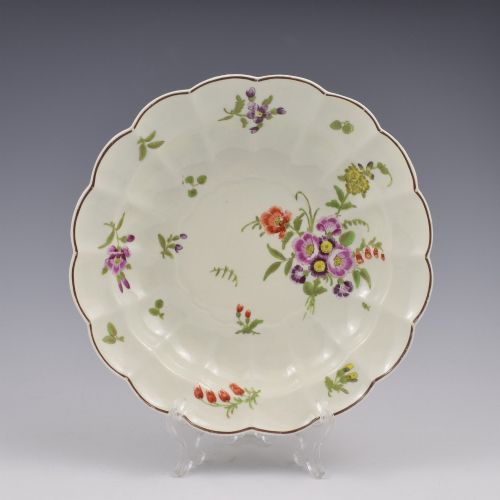
The primary material across these listings is porcelain, often finished with ceramic bodies and hand-painted enamels. Makers utilised specialised clay preparation to achieve the characteristic white ground required for fine vessel production.
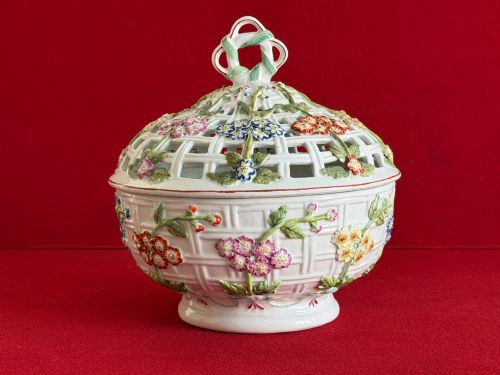
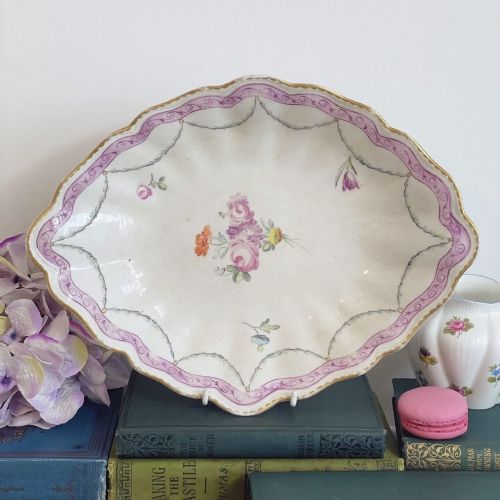
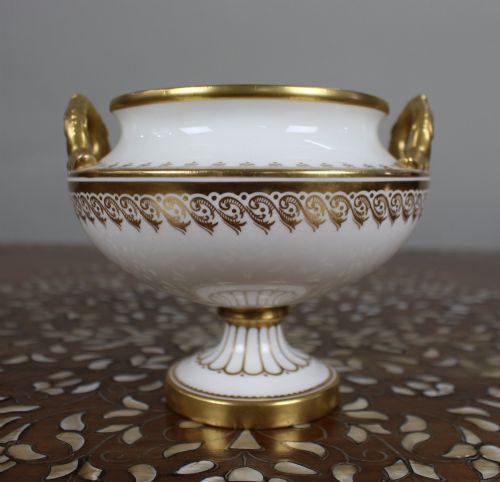
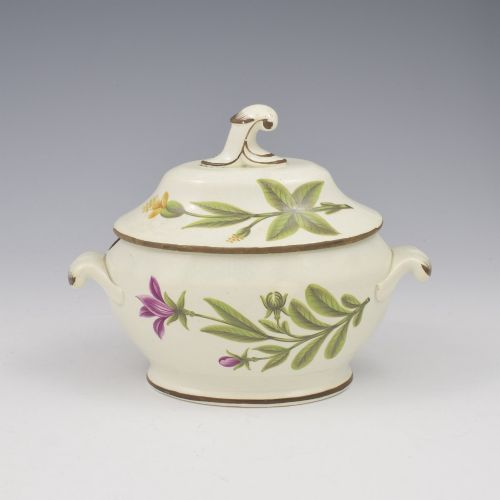
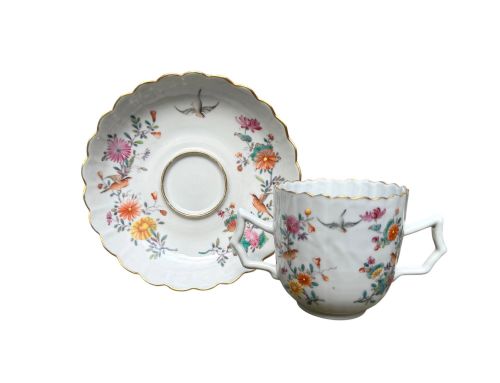
Decoration techniques include delicate hand-painting, underglaze work, and the application of gold leaf, gilding, and gilt highlights. Some European examples incorporate structural elements such as a half-pierced gallery.
Retail Price Guide 2026
Typical UK retail prices for white porcelain bowl, calculated from the Sellingantiques database of over a million retail prices indexed since 2003. This retail price guide relies exclusively on Sellingantiques data; no external sources or auction records are used, so the figures do not describe the wider market.
Listings feature porcelain pieces spanning the 16th Century to the 20th Century, utilising enamel, gold leaf, and gilding across various styles.
What varies in quality
Quality in a white porcelain bowl rests upon the fineness of the potting and the precision of the hand-painted enamels. Thinner eggshell bodies and carefully controlled kiln temperatures separate standard production items from exceptional workshop output.
The sophistication of the decoration, whether a detailed dragon motif or intricate floral patterns with gold leaf and gilding, dictates the standing of the piece. Markings associated with specific periods and reigns also influence the standing of the object among collectors.
Meissen·Worcester
The White Porcelain Bowl Glossary
- Porcelain
- A hard, fine-grained ceramic material fired at high temperatures to achieve a vitrified, non-porous body. It forms the essential substrate for all the bowls seen in these listings.
- Eggshell
- An extremely thin, delicate variety of porcelain that allows light to pass through the body. This technique demands exceptional skill from the potter during the throwing and firing stages.
- Enamel
- Opaque or translucent vitreous material applied to the surface of the ceramic for decoration. Hand-painted enamels provide the colourful motifs seen on many Chinese and European vessels.
- Gilding
- The application of gold leaf or powdered gold to the surface of the porcelain. It highlights rims, motifs, and structural details on refined bowls.
- Jardiniere
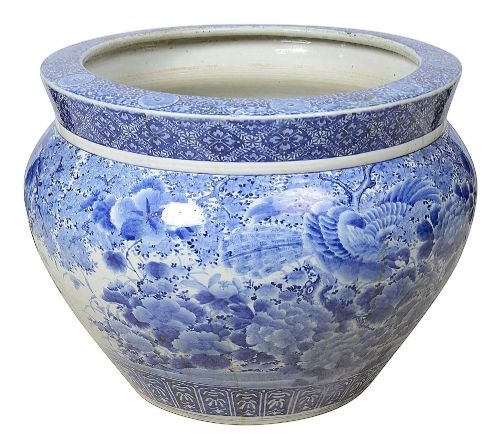
- A large ornamental pot or bowl designed to hold plants or flowers. These substantial vessels appear alongside smaller table bowls in the inventory.
Frequently Asked Questions
What is a white porcelain bowl used for?
Historically, these vessels served various functions ranging from punch service and dining to decorative display. Large examples functioned as punch bowls or jardinières for floral arrangements.
Today, collectors primarily display them as cabinet pieces or decorative focal points in a room. Their varied origins make them versatile objects for interior presentation.
How do I date a white porcelain bowl?
Dating relies on examining the characteristics of the ceramic body, the style of decoration, and any reign marks or factory stamps present on the base. Chinese pieces often bear period marks from dynasties such as the Ming or Qing.
European examples may feature factory marks, such as those from Worcester or Meissen. Comparing the potting technique and enamel palette to established examples helps confirm the period.
Are all white porcelain bowls Chinese?
No, while many notable pieces originate from Chinese dynasties, European factories also produced significant quantities of white porcelain. The inventory includes items from Continental makers and English manufacturers.
Each region developed distinct painting styles and potting techniques. This allows collectors to differentiate between Asian export wares and European factory production.
How do I care for a porcelain bowl?
Care requires gentle handling and avoiding abrasive cleaners that might damage the surface glaze or delicate gilding. Dusting with a soft, dry cloth is usually sufficient for maintenance.
Keep pieces away from direct sunlight and areas prone to sudden temperature changes. If washing is necessary, use lukewarm water and mild soap without submerging vulnerable gilt elements for extended periods.