
19th Century Porcelain Bowl
A 19th century porcelain bowl brings the height of international ceramic artistry and domestic dining ritual directly to the table.
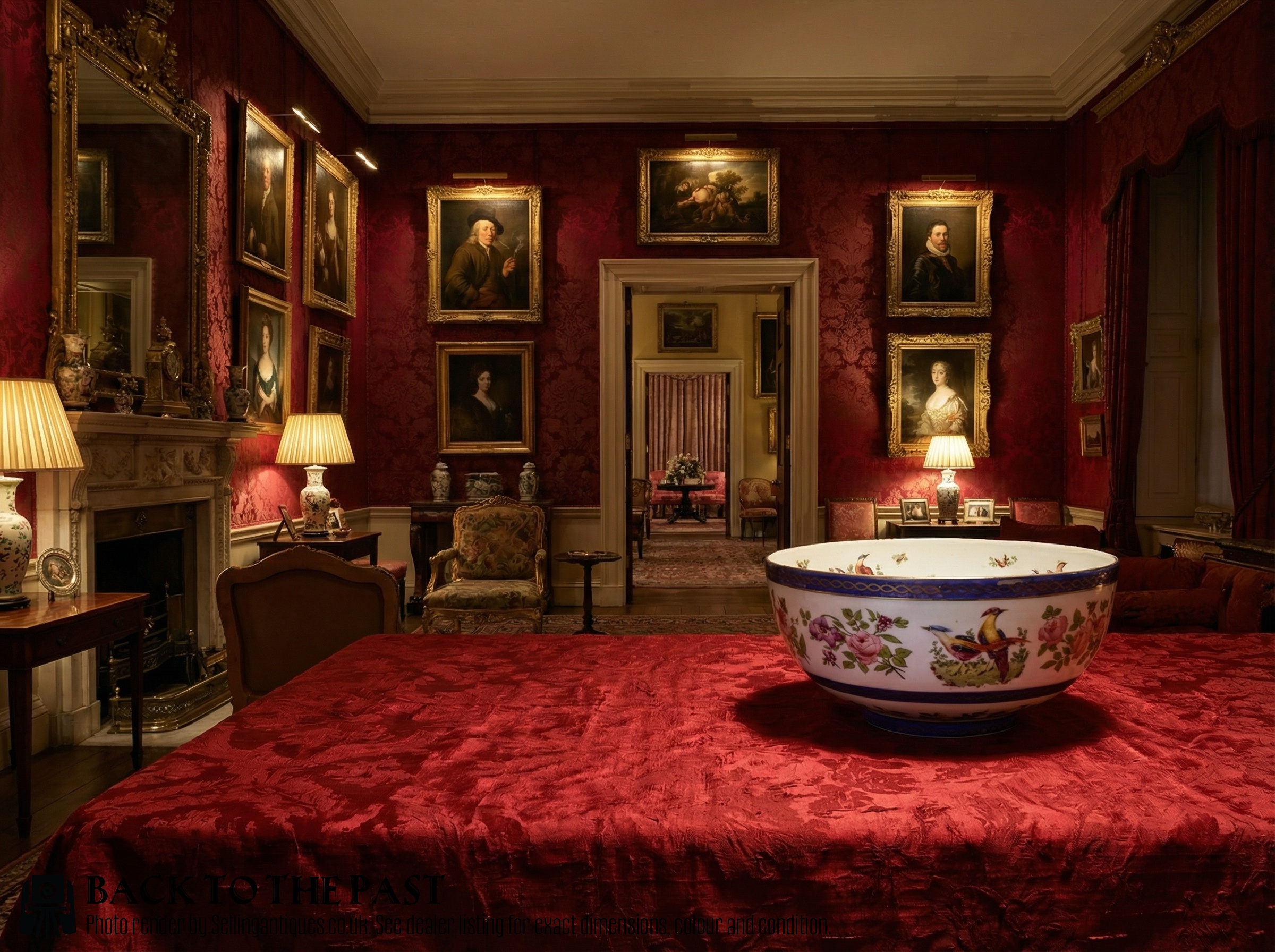
19th Century Porcelain Bowl
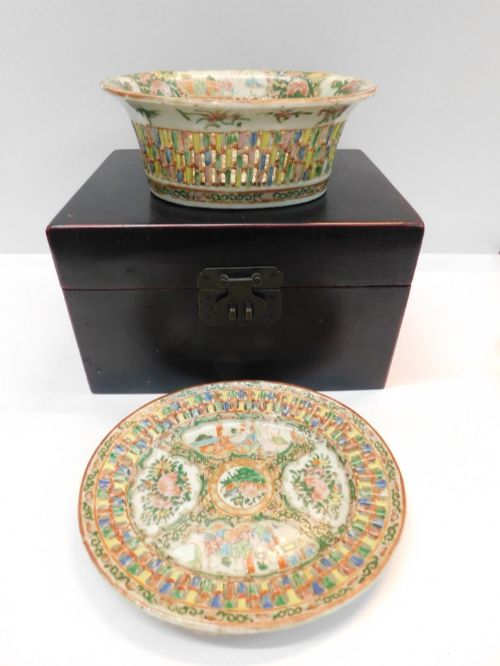
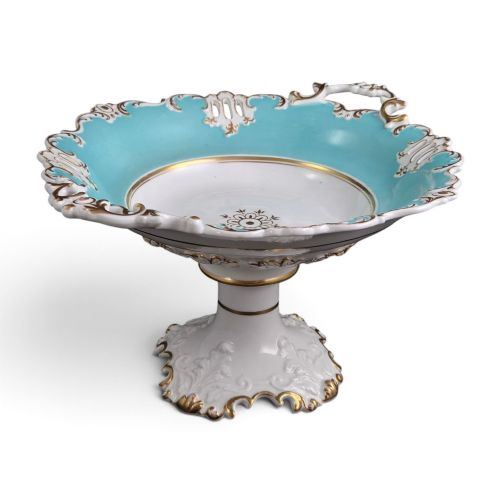
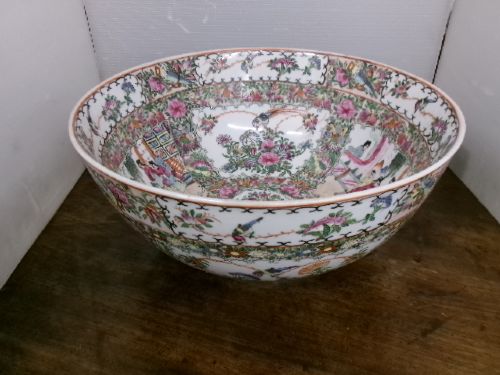
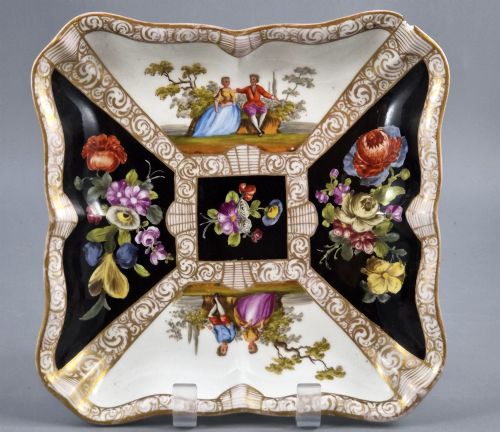
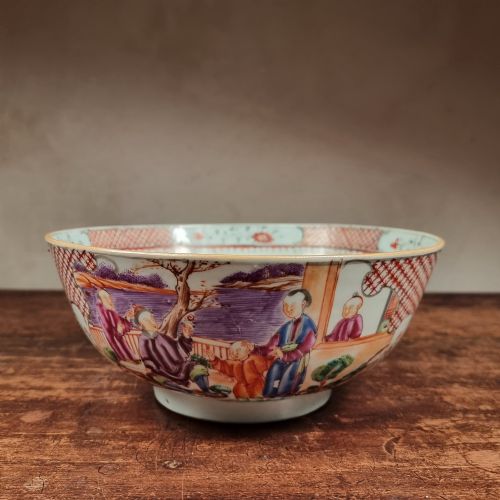
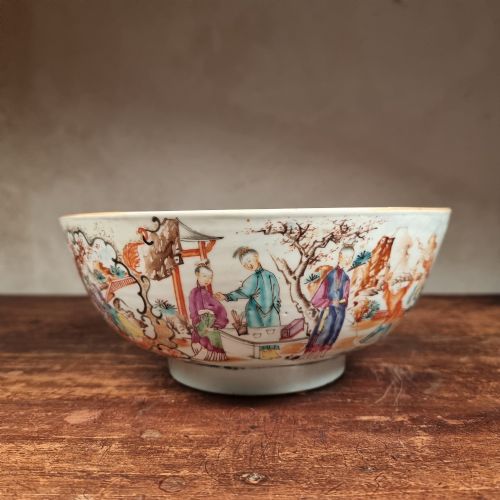
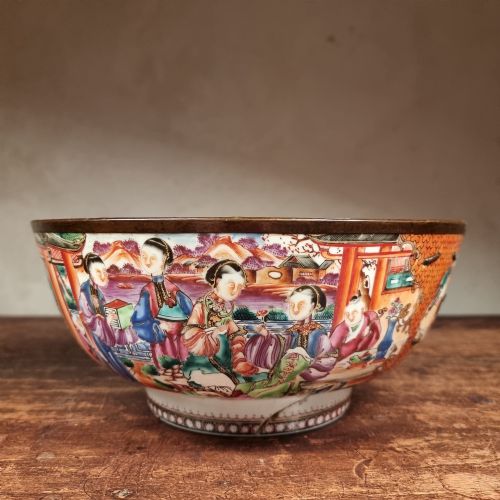
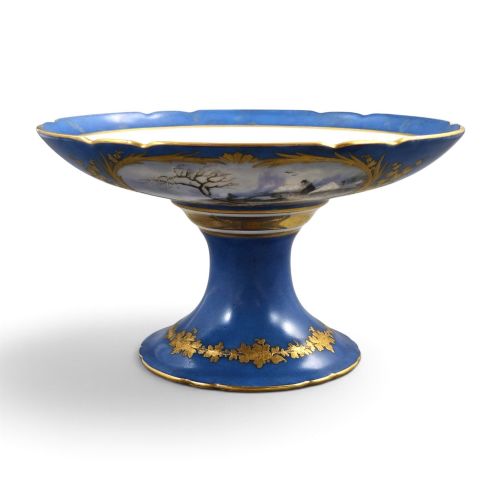
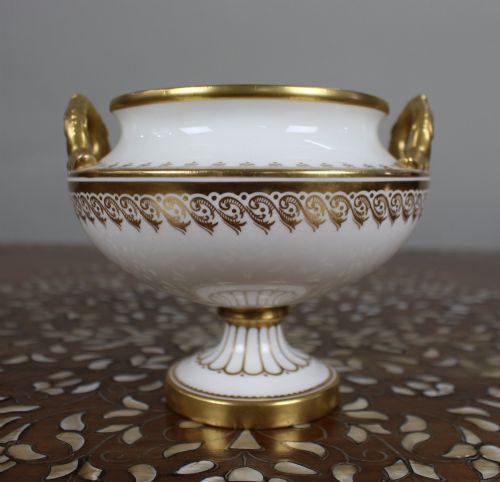
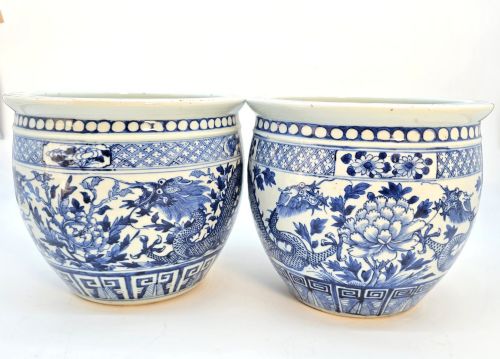
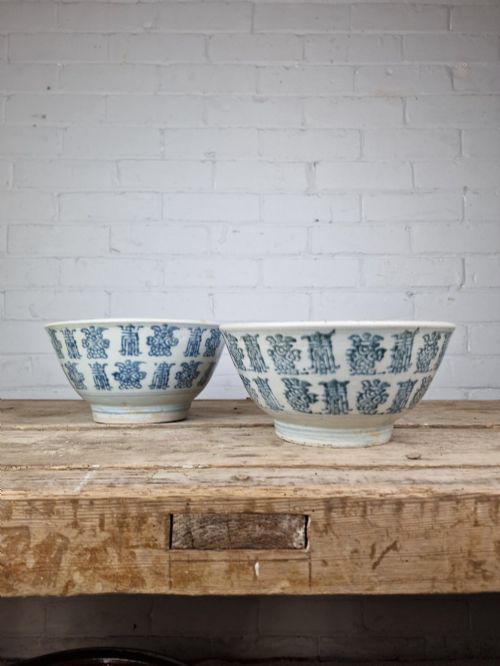
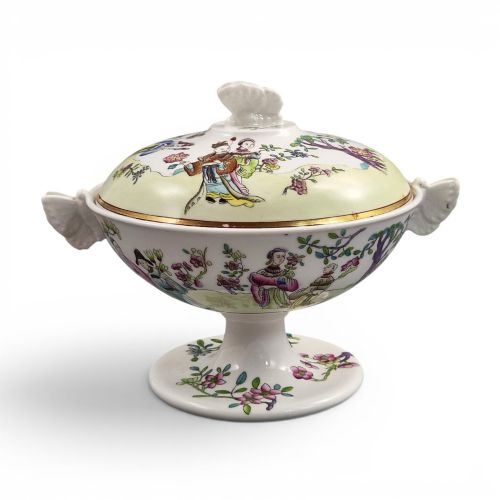
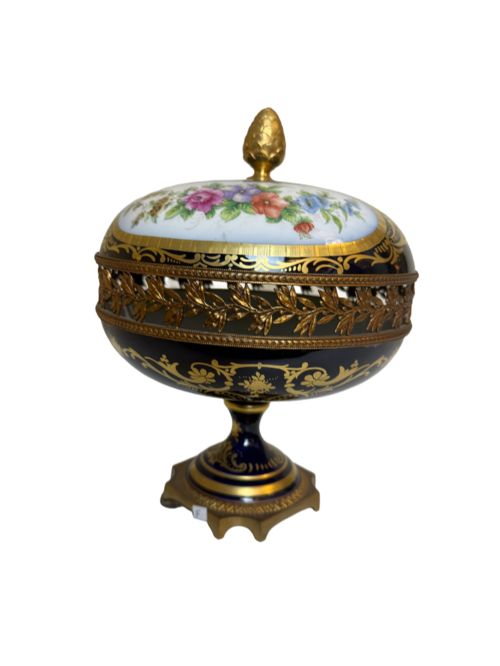
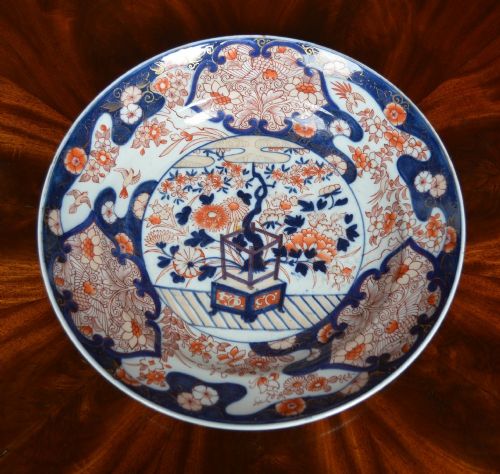
A 19th century porcelain bowl encompasses a diverse array of utilitarian and decorative vessels spanning English factories, European houses, and East Asian kilns. Buyers encountering these pieces will find everything from large Chinese punch bowls and Canton jardinières to delicate English bone china dessert dishes and French centrepieces.
The selection ranges widely across stylistic influences, moving from Qing Dynasty export wares with intricate famille rose palettes to Regency, Victorian, and Rococo Revival domestic productions. These objects served various historical functions, functioning as punch bowls, sugar basins, fruit dishes, and footed presentation pieces.
Materials and Manufacture
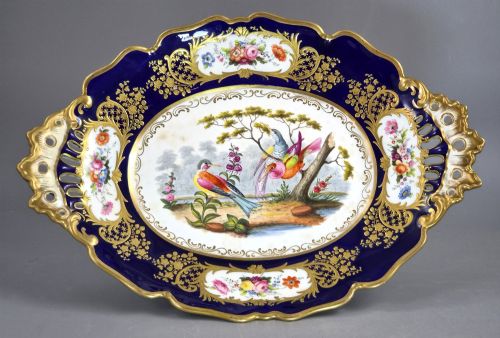
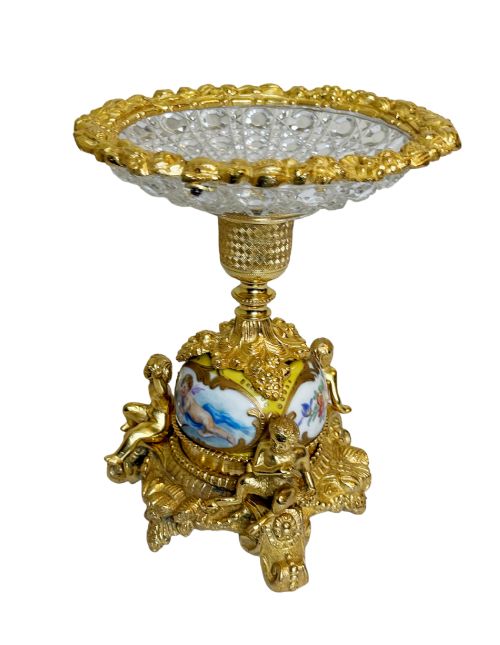
Makers utilised high-fired ceramic and bone china bodies, applying detailed hand-painted enamels, cobalt blue underglazes, and raised gilding to the surfaces. Many European and Asian examples incorporate metalwork elements, uniting the ceramic body with gilt bronze mounts, ormolu, and champleve enamel.
Kiln techniques allowed for complex forms such as reticulated chestnut baskets, flower-encrusted baskets, and footed tazzas. Painters built up scenes using ironstone, gold leaf, and polychrome palettes, often firing the pieces multiple times to set the vibrant ground colours and gilt details.
Listings feature porcelain, enamel, gold leaf, gilt bronze, bone china, and ceramic forms spanning Georgian, Victorian, and Qing Dynasty periods.
Assessing Quality
Quality rests upon the crispness of the hand-painting, the precision of the gilding, and the delicacy of the porcelain body. Superior pieces display finely delineated brushwork in figures and botanical motifs, avoiding the stiffer execution found in mass-produced later variants.
The sophistication of the mounting and the depth of the glaze further distinguish standard items from exceptional studio and factory outputs. Integration between bronze mounts and porcelain bowls, along with well-preserved enamel colours, marks the higher tier of production.
Coalport·Meissen·Sèvres·Spode·Wedgwood·Chamberlains Worcester·Samson·Masons·Worcester·Dresden
The 19th Century Porcelain Bowl Glossary
- Famille Rose
- A palette of opaque rose-pink enamel introduced to Chinese ceramics during the Qing Dynasty. This distinctive colour scheme defines many export bowls and plates from the period.
- Gilding
- The application of gold leaf or powdered gold to the surface of porcelain. It often highlights rims, handles, and painted borders on European and Asian wares.
- Jardinier
- A decorative ceramic pot or bowl intended to hold plants or flowers. These large vessels frequently feature prominent handles or pedestals.
- Tazza
- A shallow bowl or saucer raised upon a central foot or pedestal. Victorian and Georgian makers used these forms extensively for serving fruit and desserts.
- Reticulated
- Describes ceramic work featuring an openwork, netted, or pierced lattice design. This demanding technique appears on baskets and decorative bowls.
19th Century Porcelain Bowl: Frequently Asked Questions
How were these bowls used historically?
These vessels held punch, fruit, or sugar at formal dining tables and served as decorative centrepieces in drawing rooms. Larger jardinières accommodated indoor plants, while smaller basins functioned within tea sets.
Over the course of the century, dining rituals shifted, moving certain bowls from functional service to purely ornamental display on sideboards and pedestals.
How do I distinguish Chinese export from European copies?
Chinese export porcelain typically exhibits the characteristic body, iron-foot rims, and specific famille rose or blue and white pigment signatures unique to kilns in Canton and Jingdezhen. European houses often adopted these motifs, producing their own interpretations.
European factories like Samson and Meissen frequently applied their own distinct paste characteristics, weight distributions, and occasionally factory marks that separate them from original Qing Dynasty imports.
What periods are represented?
The inventory spans the Georgian, Regency, William IV, and Victorian eras, alongside the broader nineteenth century and the Qing Dynasty in China. This encompasses early century bone china and felspar porcelain alongside late century productions.
Stylistic movements such as French Rococo Revival and Chinese Export heavily influence the dating, aligning with factory operating windows and dynastic reigns.