

Hand Painted Floral Bowl
A hand painted floral bowl brings botanical colour to a room, drawing on centuries of porcelain and ceramic traditions.
Hand Painted Floral Bowl
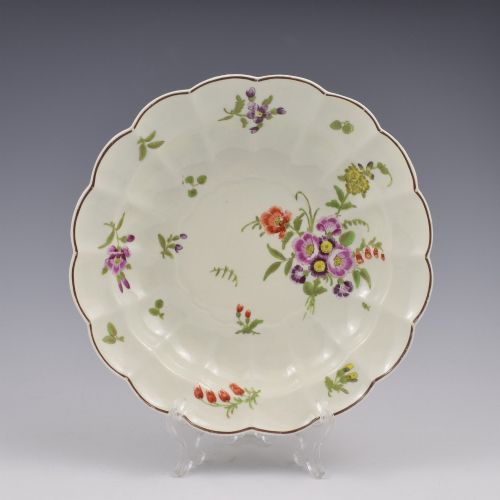
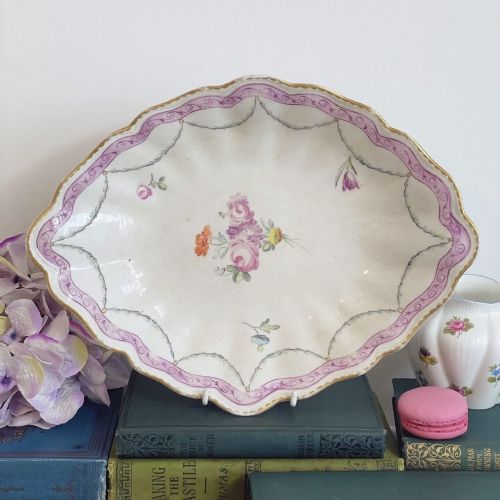
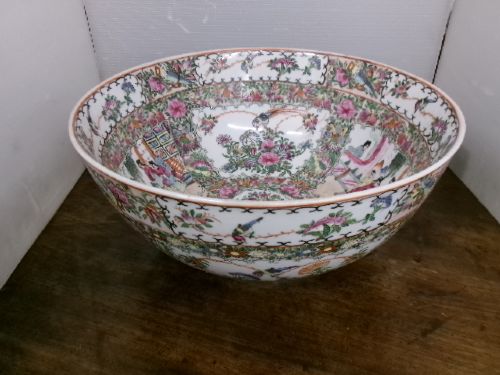
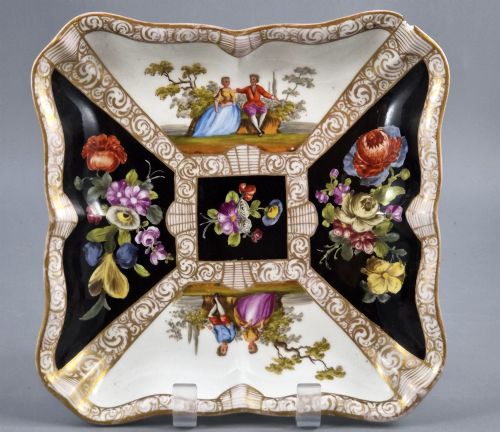
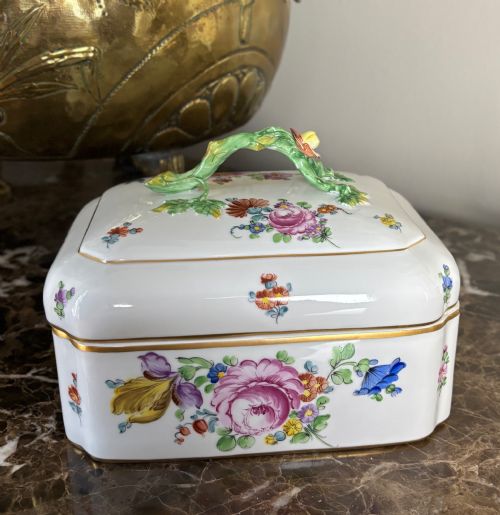
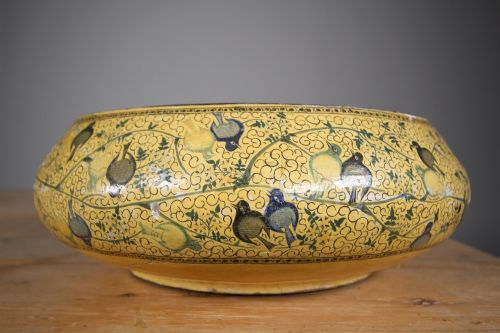
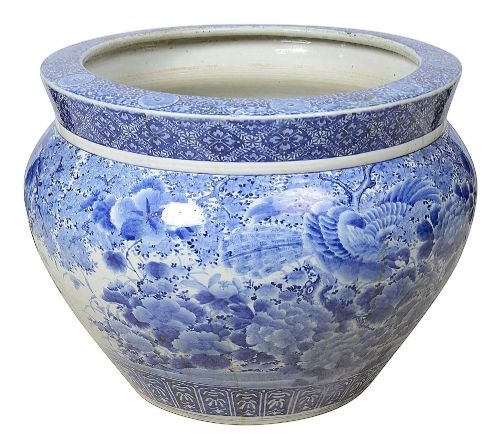
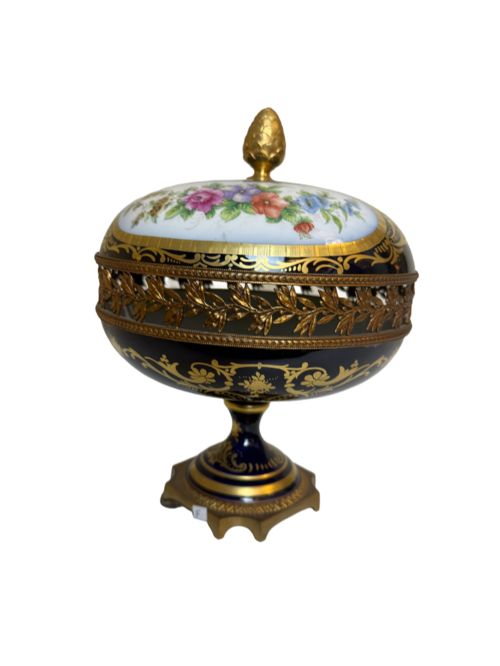
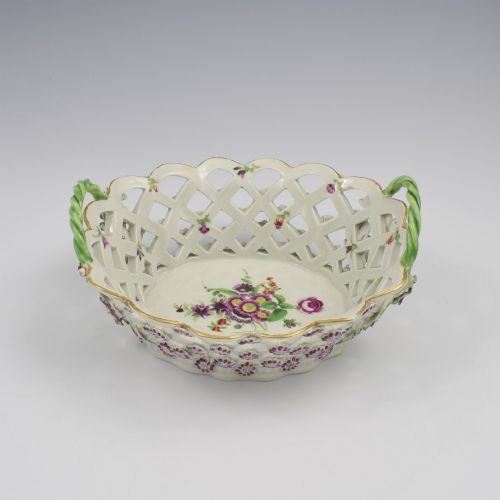
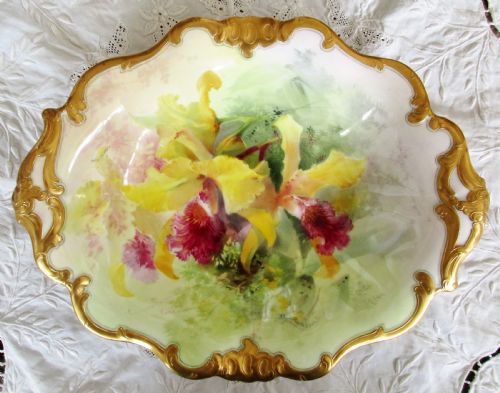
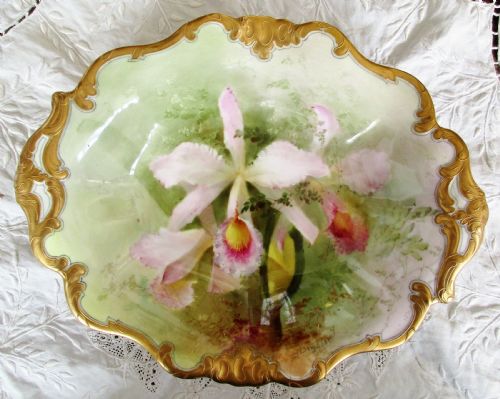
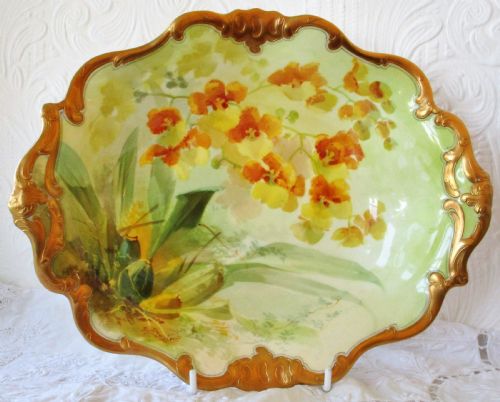
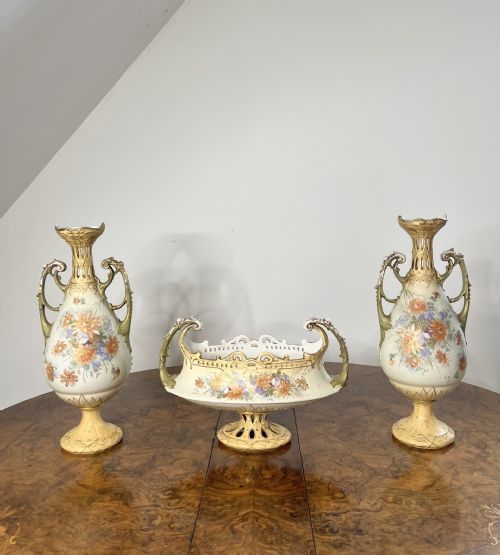
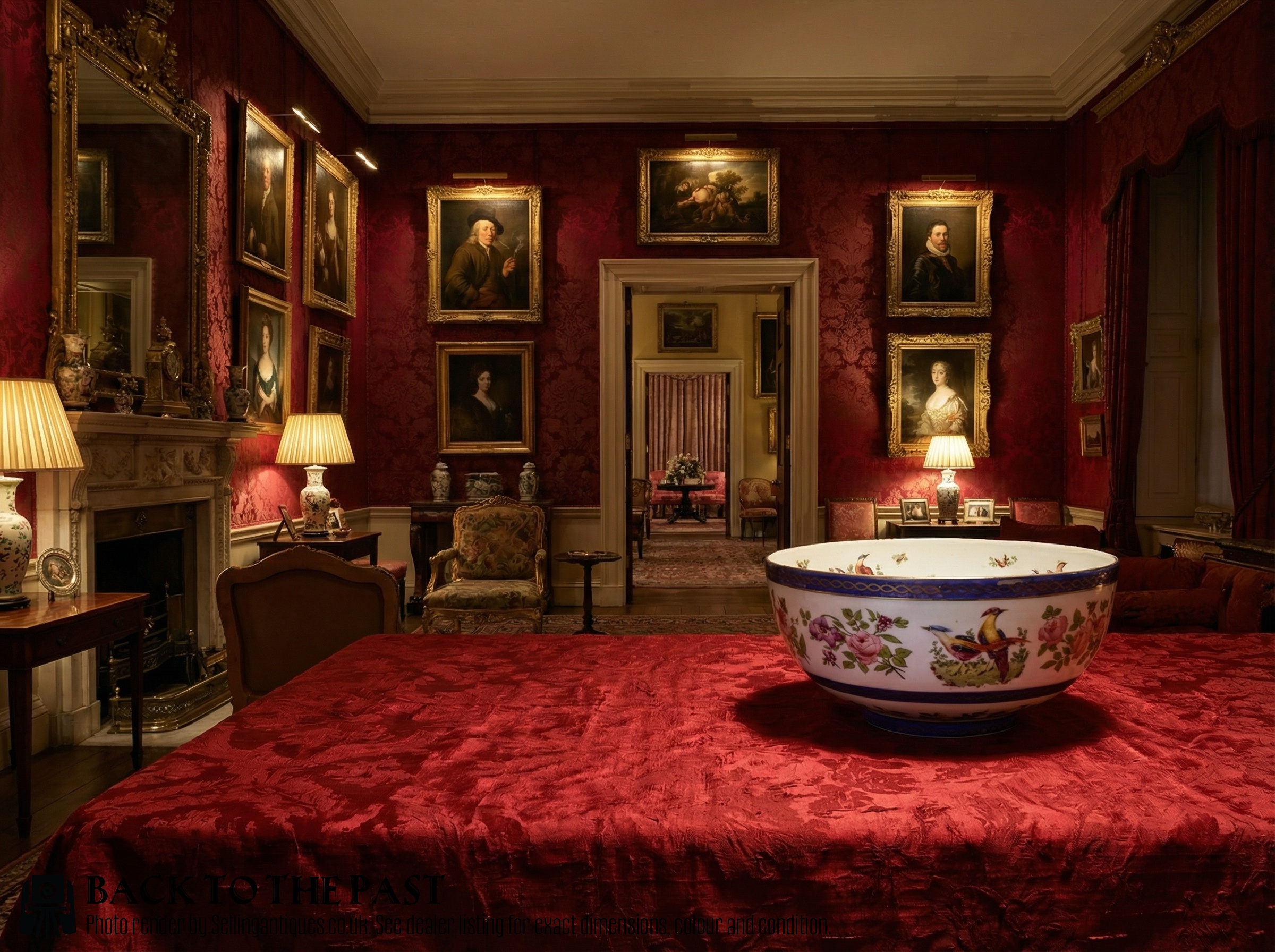
A hand painted floral bowl encompasses decorative dishes, serving vessels, and centrepieces produced across the eighteenth, nineteenth, and early twentieth centuries. These pieces display botanical motifs executed by hand across various international traditions.
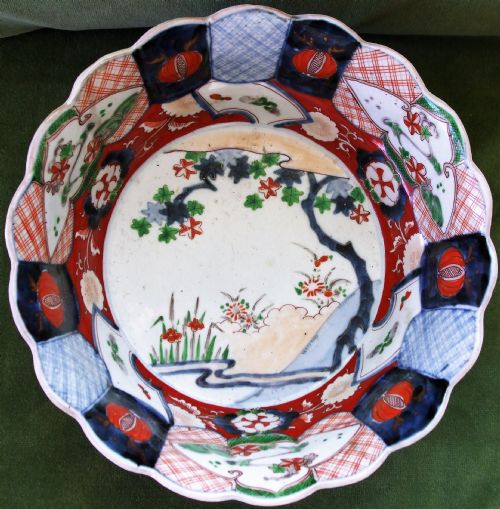
The selections encountered here range from eighteenth-century English porcelain and delftware to Japanese Imari and Satsuma wares, alongside continental European factories such as Meissen and Dresden. Porcelain and earthenware dominate the forms, supplemented by occasional glass vessels.
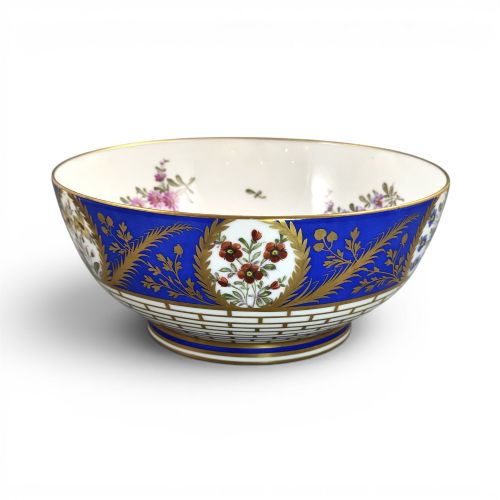
Makers utilised techniques spanning underglaze blue, polychrome enamel painting, and gilding to render floral and foliage arrangements. Buyers find these vessels in various scales, from miniature bowls to large garden jardinieres and punch bowls.
Materials and production methods
Makers formed these pieces primarily from porcelain, earthenware, and ceramic bodies, shaping them into bowls, dishes, and centrepieces before applying glazes. Kiln firing fixed the foundational body and base glaze prior to hand painting.
Artists then applied enamel colours, polychrome pigments, and gold leaf by hand to create floral sprays, botanical studies, and birds. Subsequent low-temperature firings bonded the decorative pigments and gilding to the glazed surface.
Hand Painted Floral Bowl Retail Price Guide 2026
Typical asking prices for hand painted floral bowl among the pieces listed under this phrase on Sellingantiques today, from the lower quarter to the upper quarter. They describe what is for sale here now, not the wider market.
Listings feature porcelain, earthenware, ceramic, and glass materials across eighteenth and nineteenth-century periods.
Distinctions in quality
Quality reveals itself in the precision of the brushwork, where delicate shading and confident botanical detail distinguish superior painting from mechanical repetition. The complexity of the floral compositions and the integration of gilding indicate the level of craftsmanship involved.
The purity of the porcelain body, the evenness of the glaze application, and the presence of factory or artist signatures contribute to the standing of an individual piece.
Royal Doulton·Paul Müller Selb·Mann & Co
The Hand Painted Floral Bowl Glossary
- Imari
- A style of Japanese porcelain featuring a palette of underglaze blue, iron red, and gilt. It gained popularity in Europe during the export periods.
- Polychrome
- Decorated in many colours. This term describes ceramic pieces featuring varied enamel palettes.
- Jardinieres
- Large ornamental pots designed to hold plants. They frequently appear in ceramic and porcelain forms.
- Enamel
- Vitreous material fused to the surface of ceramics or glass for decoration. It provides bright, permanent colour.
- Gilt
- Covered thinly with gold leaf or gold paint. It highlights rims, handles, and painted motifs.
Hand Painted Floral Bowl: Frequently Asked Questions
What periods do these bowls come from?
The pieces span the eighteenth century through to the early twentieth century, encompassing Georgian, Victorian, and Edwardian eras. Different decades introduced distinct painting styles and ceramic bodies.
European factories and Japanese kilns each contributed specific aesthetic movements during these active periods.
How were floral designs applied to the porcelain?
Artists painted the botanical motifs by hand using ceramic enamels and pigments on glazed surfaces. Guilds and factories employed skilled painters for these detailed botanical studies.
Gold leaf and gilt accents were often added in a secondary stage and fired again to secure the metal.
Can these bowls be used for serving food?
While many historical pieces function as decorative cabinet dishes or centrepieces, certain earthenware and porcelain bowls were originally designed for service. Modern use depends on the fragility and age of the specific glaze and enamel.
Delicate antique pieces are frequently displayed purely for their visual artistry.