

Antique Porcelain Bowl
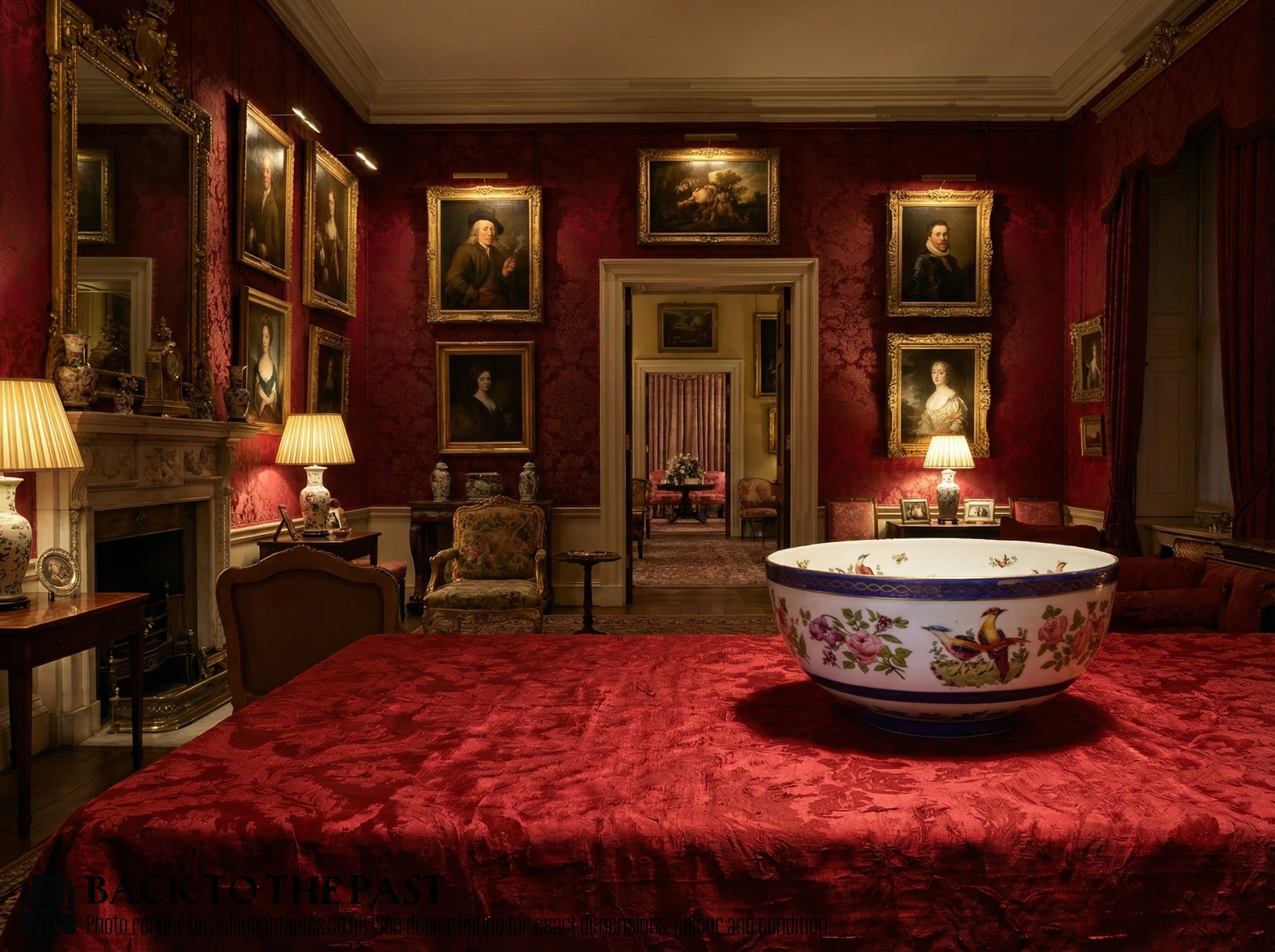
An antique porcelain bowl brings centuries of fired clay, cobalt underglaze, and handpainted enamel into a modern room.
Antique Porcelain Bowl
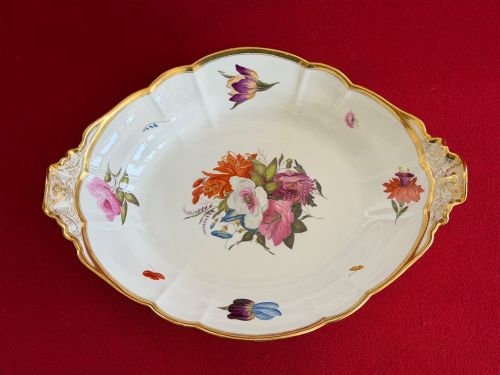
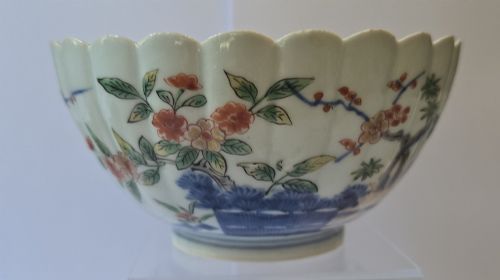
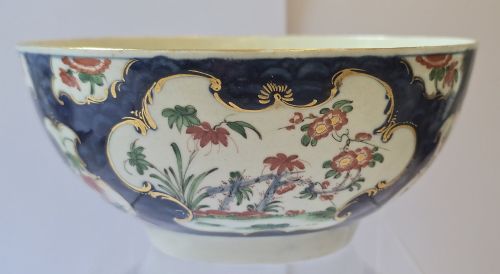
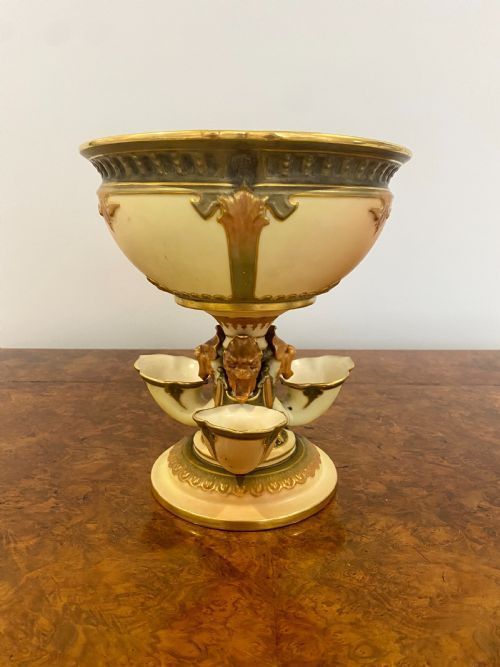
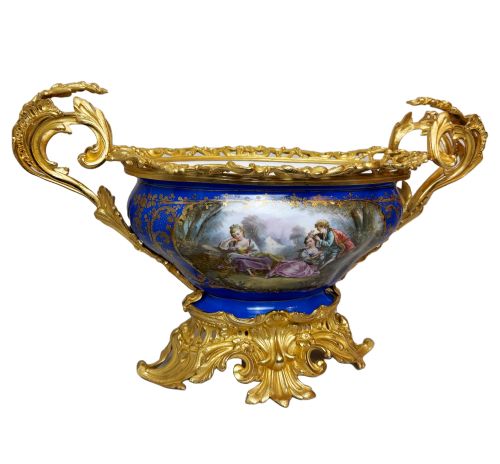
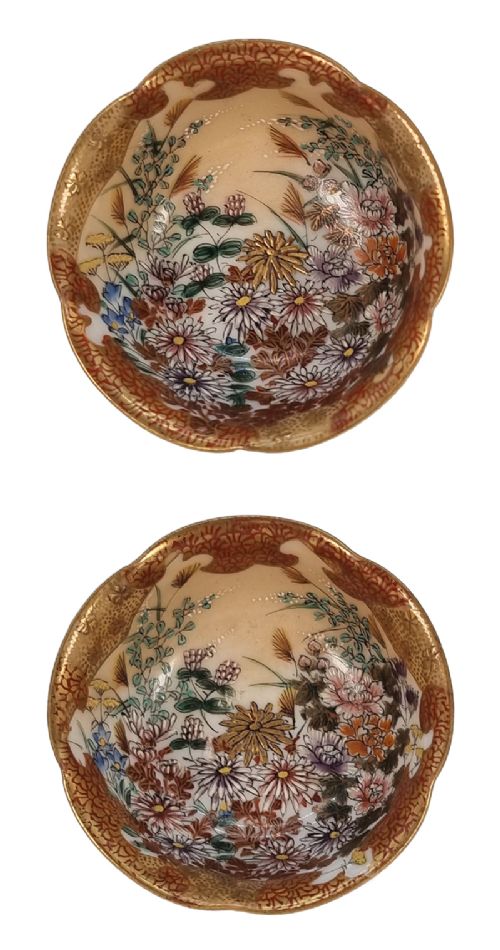
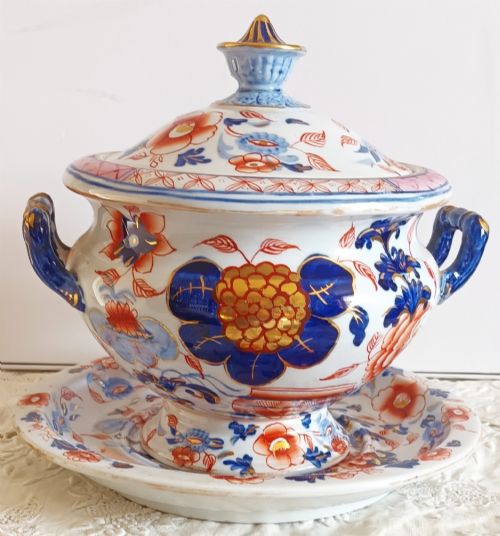
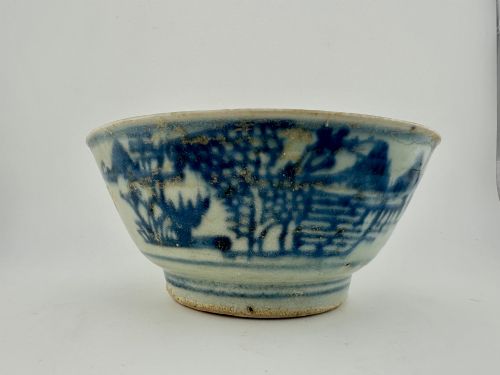
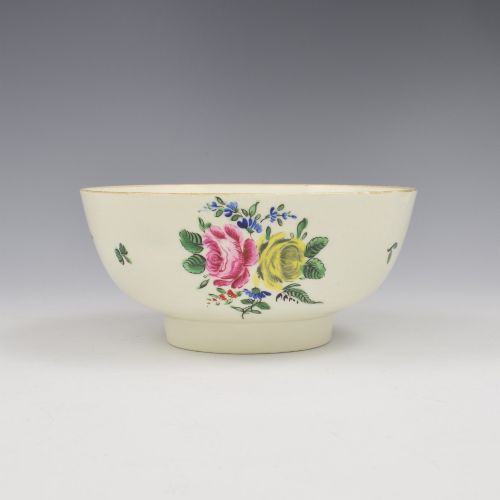
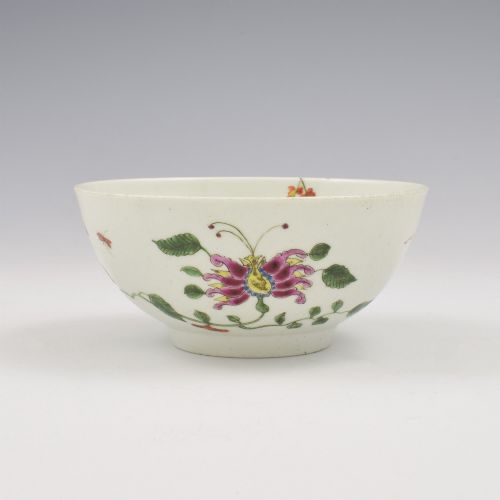
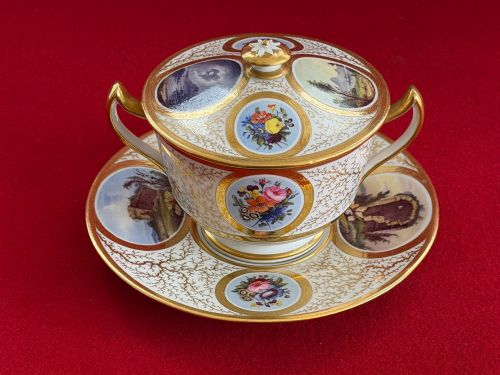
When you search for an antique porcelain bowl, you encounter vessels shaped for tea, fruit, punch, and display across English, European, and East Asian traditions. The pieces on this page span from the Ming dynasty and the Kangxi period through Georgian and Victorian workshops, encompassing both domestic earthenware and fine porcelain.
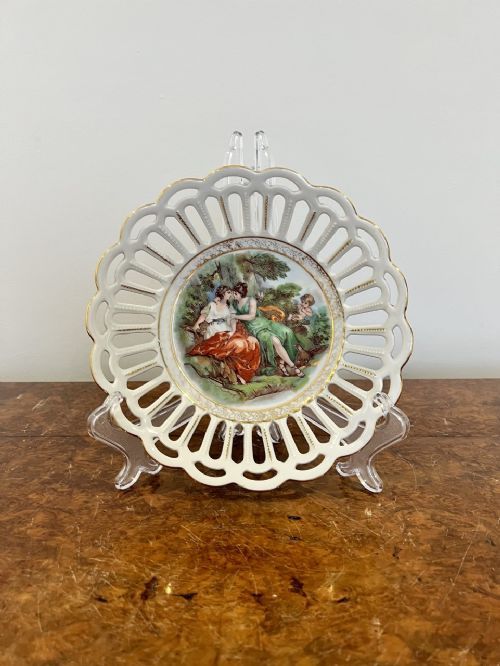
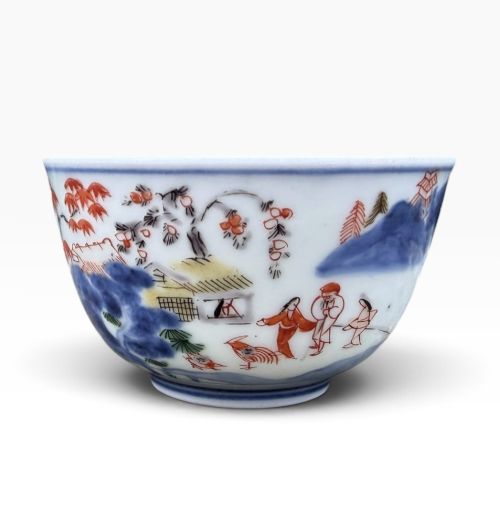
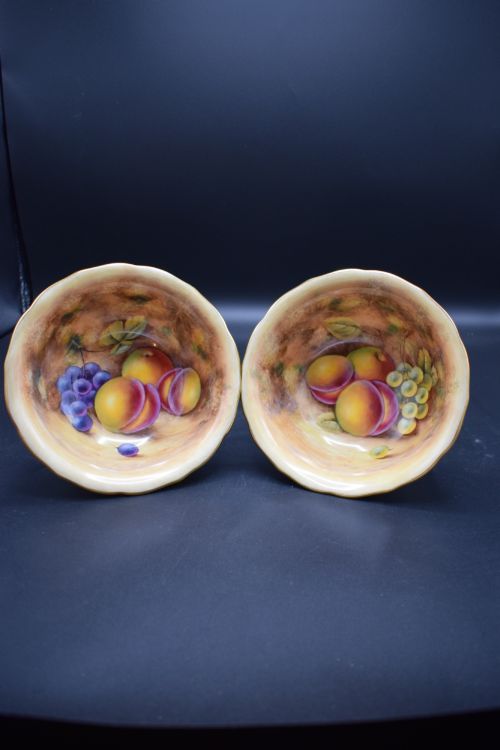
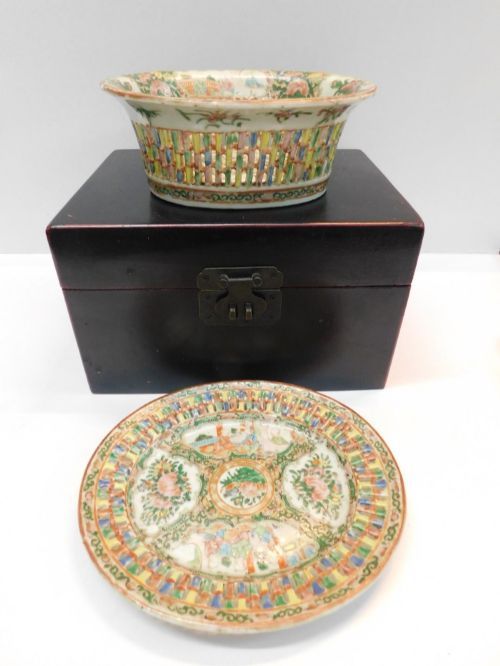
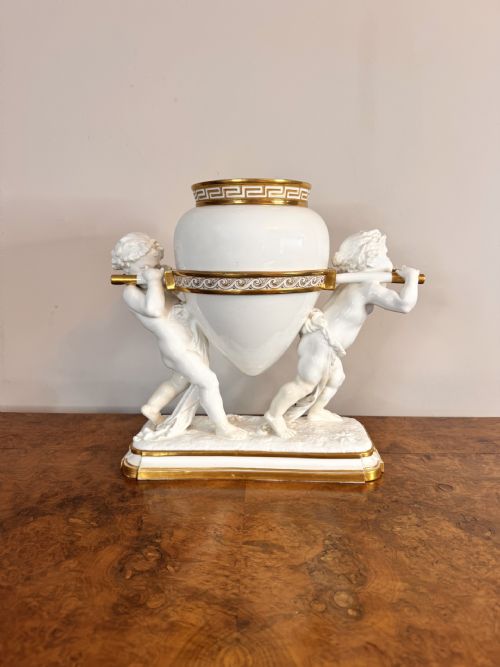
You will find large blue and white jardinières, reticulated chestnut baskets with stands, lobed dessert bowls, and Imari serving dishes. The selection balances utilitarian kitchenwares from earlier centuries with decorative cabinet pieces from the nineteenth century.
How they were made
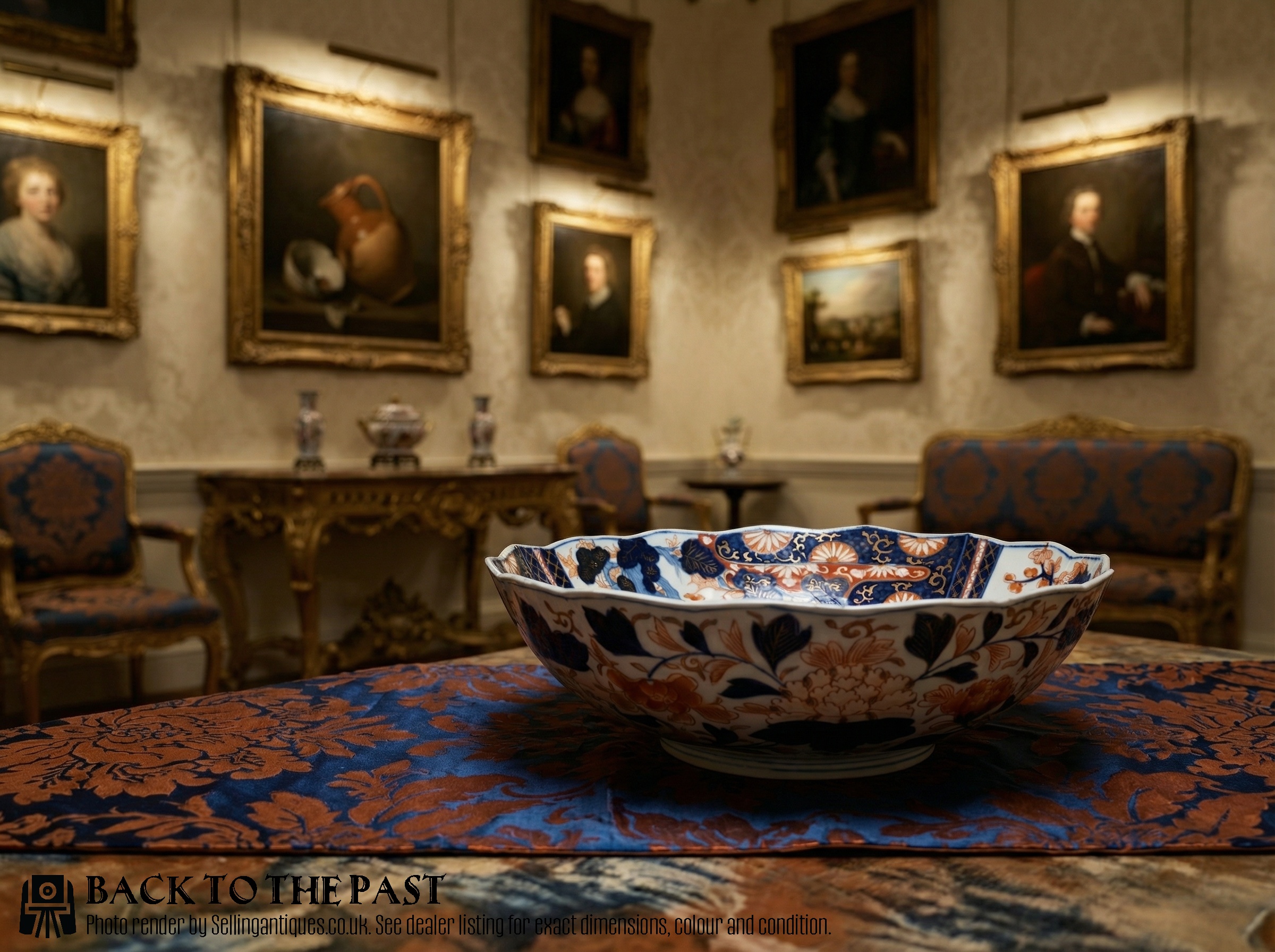
Potters shaped kaolin clay on the wheel or pressed it into moulds, applying cobalt underglaze before the initial high-temperature firing. Enamel colours and gold leaf were often added in subsequent low-heat firings to fix the detailed polychrome scenes.
English factories such as Coalport, Worcester, and Spode utilised bone china and soft-paste porcelain, while continental works like Sèvres and Meissen developed distinct body formulas and glaze grounds. Chinese and Japanese makers relied on native mineral deposits to achieve characteristic celadon, blue and white, and Imari effects.
Antique Porcelain Bowl Retail Price Guide 2026
Typical asking prices for porcelain bowl among the pieces listed under this phrase on Sellingantiques today, from the lower quarter to the upper quarter. They describe what is for sale here now, not the wider market.
Listings feature eighteenth-century pieces alongside nineteenth-century Victorian and Meiji period wares, utilising porcelain, earthenware, and soft-paste bodies.
What varies in quality
Quality rests in the crispness of the moulding, the stability of the glaze, and the precision of the handpainted decoration. Early pieces with well-defined cobalt brushwork or intricate reticulation demonstrate greater technical control by the potter.
The sophistication of the enamel palette and the retention of original gilding distinguish standard utility wares from exhibition pieces. Maker marks, period attribution, and the preservation of matched stands or covers also influence the standing of an individual vessel.
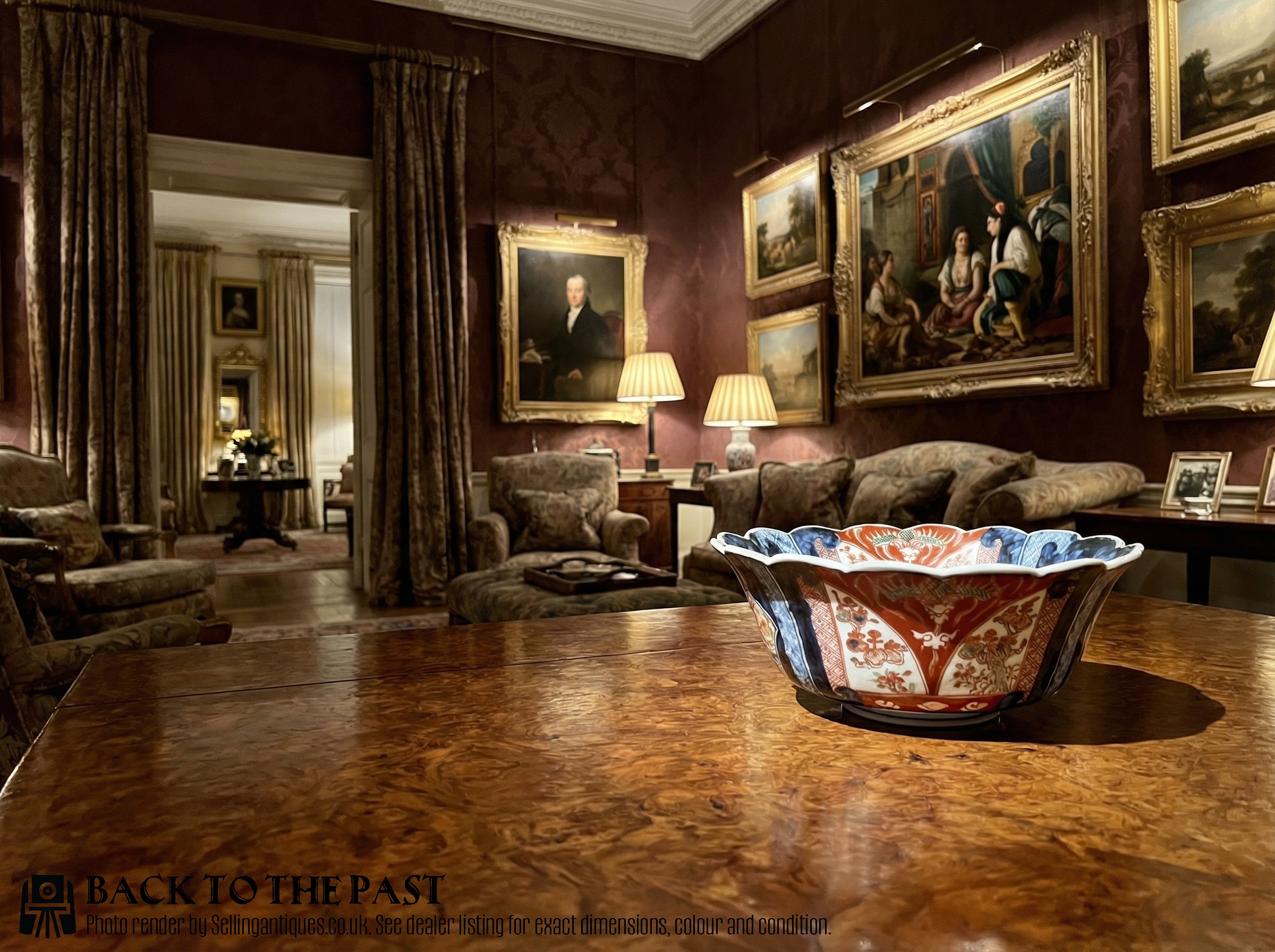
Coalport·Derby·Dr Wall Worcester·Meissen·Sèvres·Spode·Wedgwood
The Antique Porcelain Bowl Glossary
- Cobalt Underglaze
- A blue pigment applied to pottery before glazing and firing, which reacts to high temperatures by fusing permanently beneath the glassy surface.
- Imari
- A style of Japanese export porcelain characterised by deep underglaze blue combined with iron red, green, and gilt overglaze decorations.
- Soft-paste Porcelain
- An artificial porcelain body composed of white clay and ground glass, fired at lower temperatures than true hard-paste porcelain.
- Reticulated
- Openwork patterns formed by cutting or piercing the clay wall before firing to create a lattice or basket effect.
- Tazza
- A shallow ornamental bowl or cup mounted on a stem and foot, used historically for serving fruit or sweetmeats.
Antique Porcelain Bowl: Frequently Asked Questions
Can I use these bowls for serving food?
Many of these vessels were originally formed for dining, tea, or punch, but age and historic glaze composition require caution. Wares from earlier centuries can have microscopic crazing that absorbs liquids and oils.
It is safer to display them as decorative objects rather than using them for daily meals. If you do serve dry food, wash the piece gently by hand afterwards.
How do I distinguish Chinese export porcelain from European copies?
Examine the foot ring and the physical weight of the porcelain body. Chinese pieces often display specific iron spots in the glaze and lighter, more resonant bodies due to local kaolin deposits.
European factories developed distinct paste formulas and marked their wares with factory symbols, whereas export pieces made for Western markets frequently relied on stylistic brushwork rather than formal stamps.
What does First Period Worcester mean?
This term refers to porcelain produced at the Worcester factory from its founding in the mid-eighteenth century until the management changes in the late seventeen-hundreds. These pieces are celebrated for fine blue and white printing and delicate polychrome painting.
Items from this era often carry open crescent or disguised numeral marks on the base. Collectors prize them for their translucent soft-paste bodies.