

Edwardian Decorative Bowl
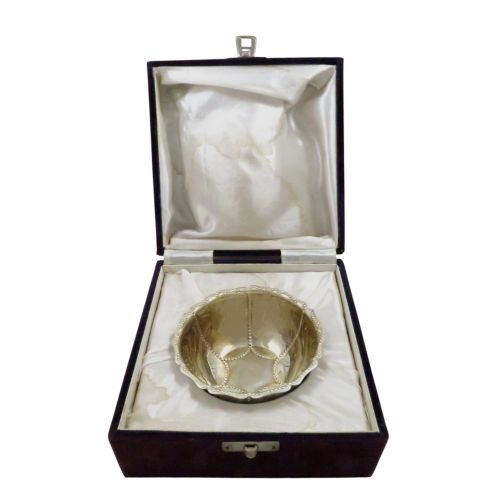
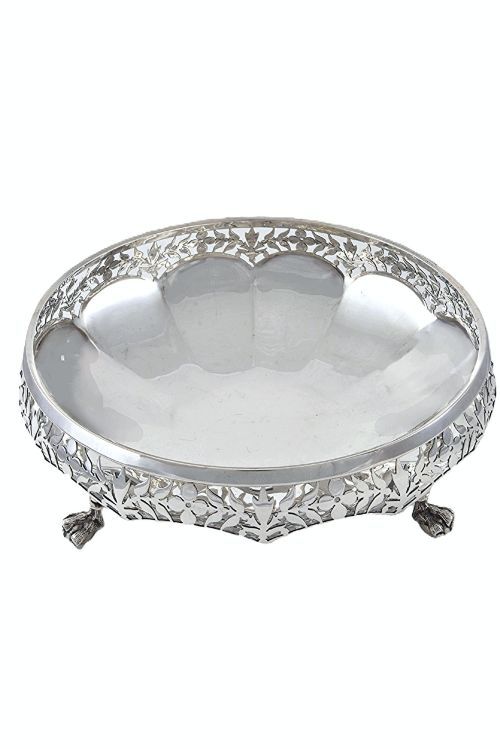
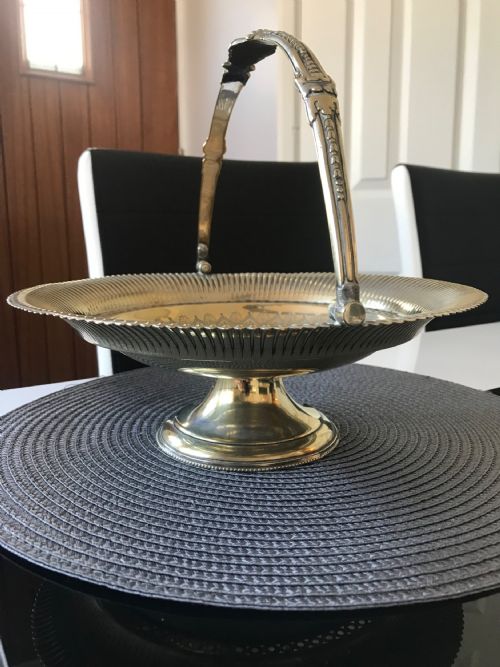
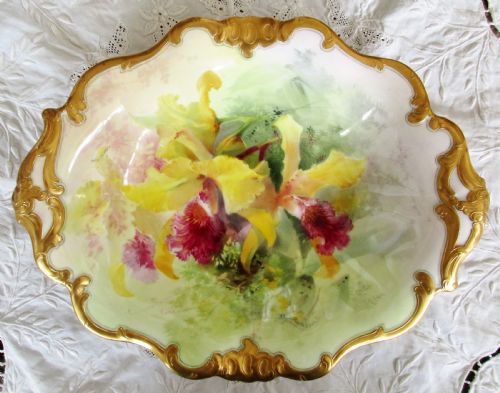
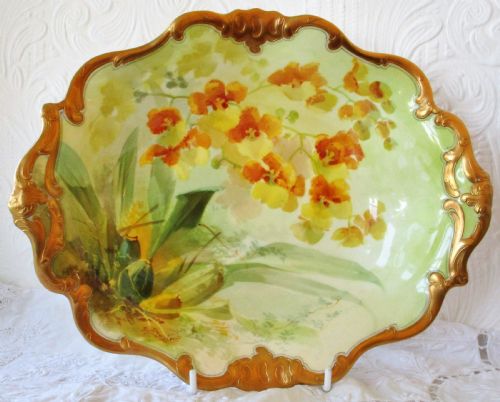
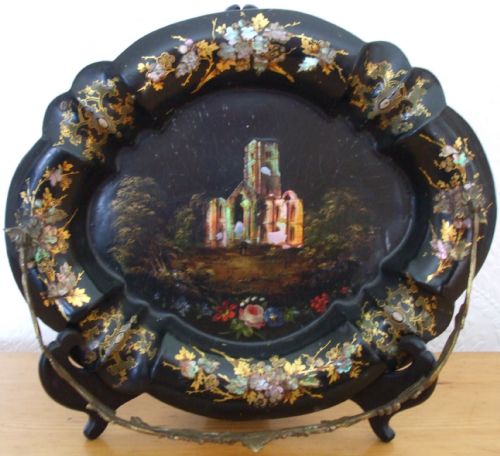
When you search for an edwardian decorative bowl, you encounter versatile vessels spanning porcelain, sterling silver, lustre glaze, and cut glass made for display.
Edwardian Decorative Bowl
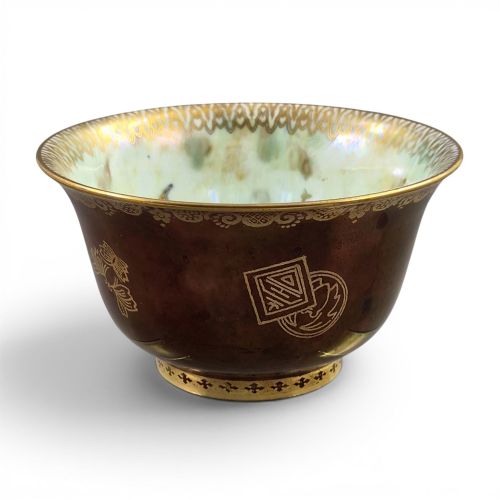
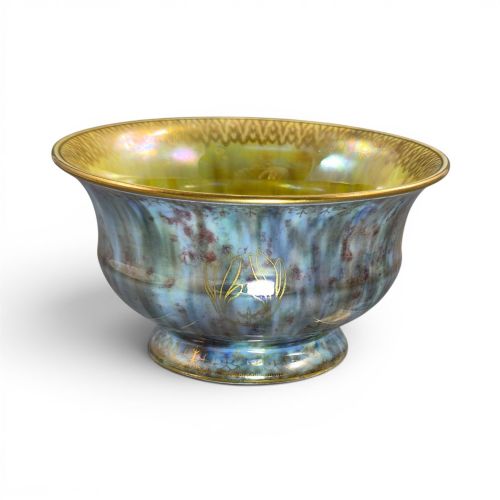
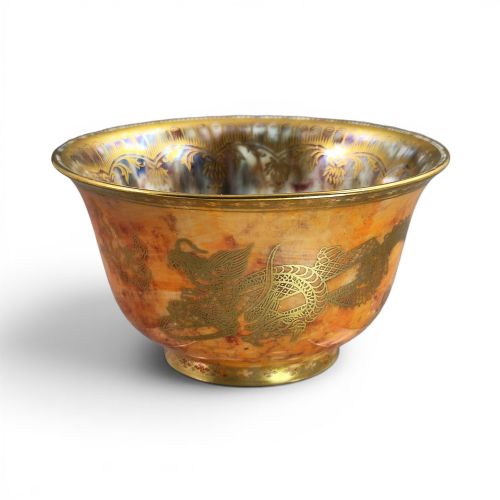
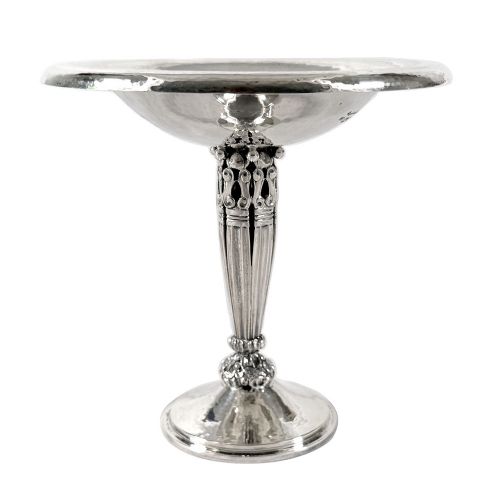
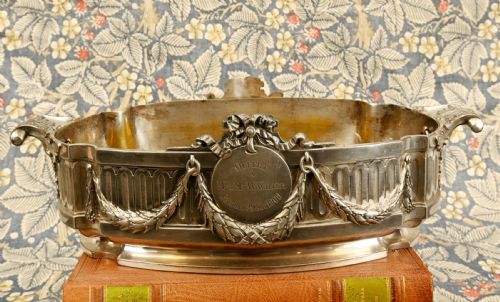
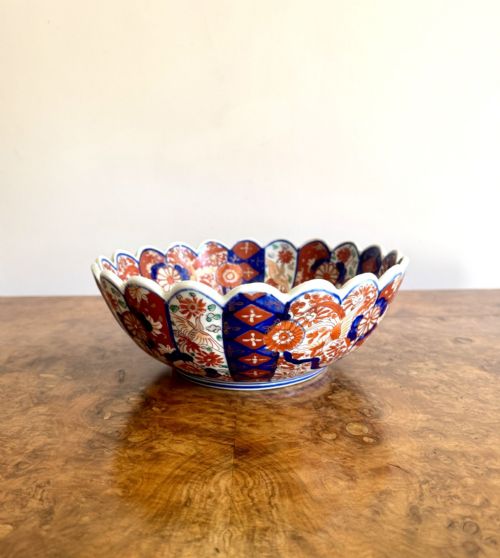
An edwardian decorative bowl encompasses a wide range of vessels made primarily around the early twentieth century, including porcelain cabinet dishes, silver centrepieces, and lustre bowls.
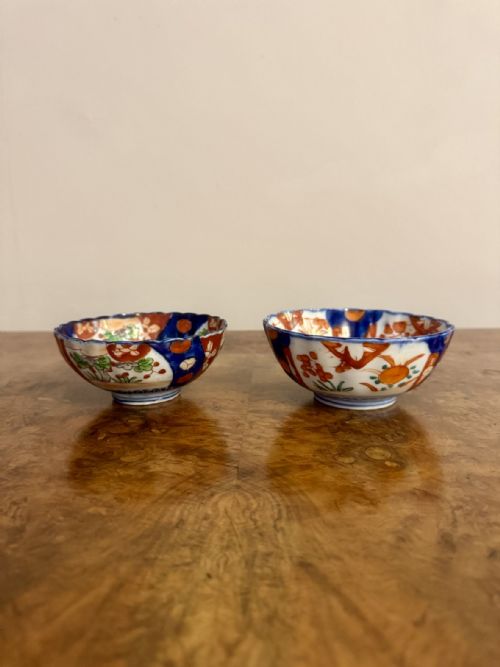
The selections on this page bridge multiple eras, stretching from nineteenth-century Japanese Imari porcelain and Victorian silver items to later pieces from the 1920s and 1930s.
Forms vary significantly, moving from deep pedestal bowls and jardinières to shallow scallop-edge dishes, fruit baskets, and small tazza designs intended to draw the eye in any room.
How they were made
Maker techniques rely heavily on refined materials, pairing sterling silver and silver plate with cut glass, or shaping bone china and porcelain with hand-painted glazes, gold leaf, and enamel.
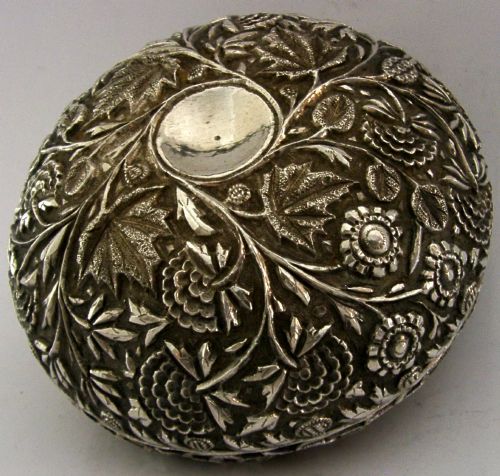
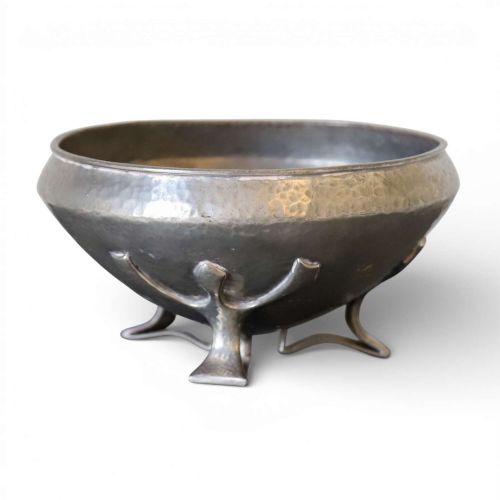
Metal items utilise casting, hammering, and repoussé methods in pewter, copper, and bronze, often incorporating champlevé enamel or applied cabochons for texture.
Ceramic works combine throwing or moulding with intricate hand-painted decorative schemes, lustre glazes, and detailed cobalt and iron-red pigments seen in Imari or Wedgwood wares.
Listings feature porcelain, sterling silver, copper, and cut glass spanning the Victorian, Edwardian, and Art Deco periods.
What varies in quality
Quality rests upon the crispness of the modelled form and the precision of the hand-applied decoration, whether in the fine brushwork of a painted bird scene or the deep clarity of cut glass.
Material substance and weight dictate the presence of a piece, from solid sterling silver and heavy bronze mounts down to lighter silver-plated wares and standard ceramics.
Design distinction separates standard production items from signed studio pieces and marked works by notable makers, where artistic ambition elevates the entire object.
Liberty & Co·Oliver Baker·Royal Doulton·David Dewsberry·Daisy Makeig-Jones·Charles Boyton·Royal Worcester·J Southall·Schierholz·James Hodgkiss·Elkington & Co
The Edwardian Decorative Bowl Glossary
- Centrepiece
- A large ornamental bowl or dish placed in the middle of a table or cabinet as the focal point of a room.
- Lustre Glaze
- A ceramic finish incorporating metallic oxides that produce an iridescent, glowing sheen when fired in a kiln.
- Imari
- A style of Japanese porcelain decorated in underglaze blue and contrasting iron-red, gold, and other enamel colours.
- Tazza
- A small shallow bowl or cup raised on a high foot and stem, frequently utilised for serving fruit or small dishes.
- Champlevé
- An enamel technique where troughs or cells are hollowed out of a metal surface and filled with vitreous paste before firing.
Edwardian Decorative Bowl: Frequently Asked Questions
What is an edwardian decorative bowl used for?
These vessels were originally designed to hold fruit, flowers, or visiting cards, functioning as social ornaments within the home.
Today, they serve equally well as standalone display items on sideboards, mantelpieces, or central tables.
How do I identify an edwardian piece?
Look for hallmarks on silver and pewter, maker stamps on porcelain bases, and distinct stylistic cues leaning towards Art Nouveau or early Arts and Crafts.
Comparing the manufacturing technique and decorative motifs with known timeline markers helps narrow down the decade of production.
Are these bowls made of solid silver?
The materials vary widely across the selection, encompassing solid sterling silver alongside silver-plated copper, brass, and mixed-metal mounts.
Checking for official hallmarks on the metal components will confirm whether a piece is solid precious metal or plated.