

Vintage Porcelain Bowl
A vintage porcelain bowl brings tangible history to a table, offering the refined weight of centuries of ceramic artistry.
Vintage Porcelain Bowl
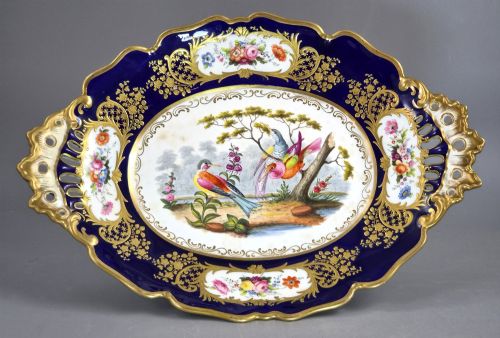
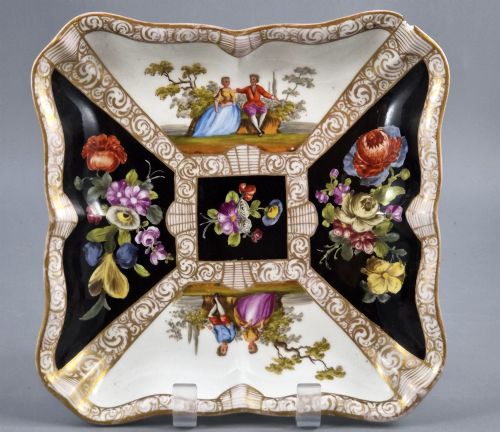
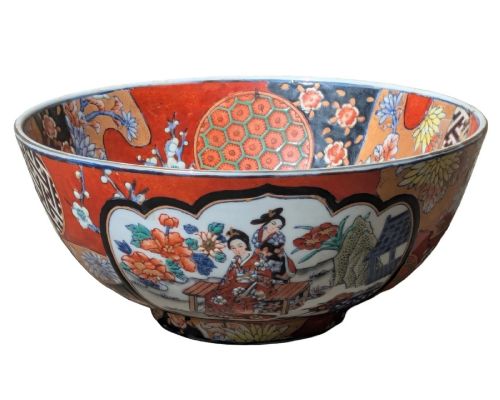
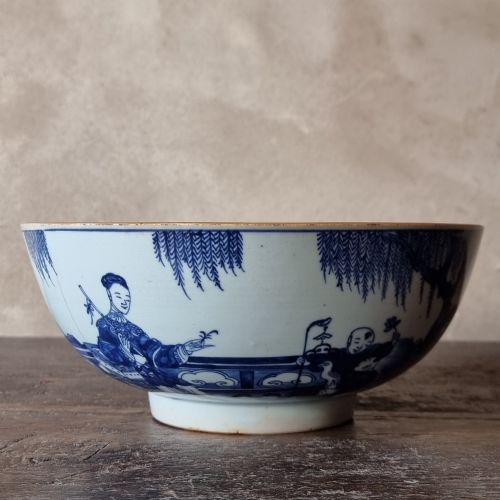
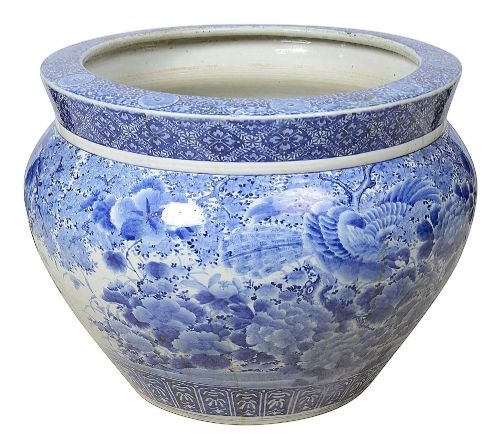
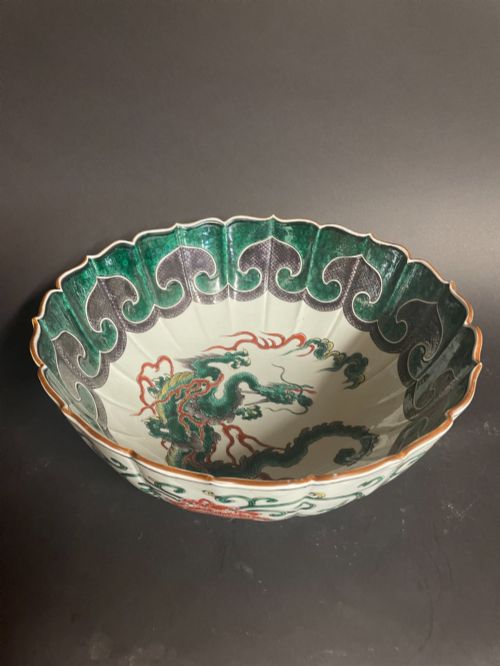
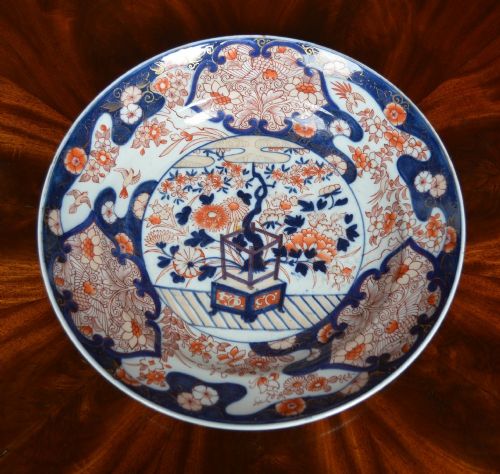
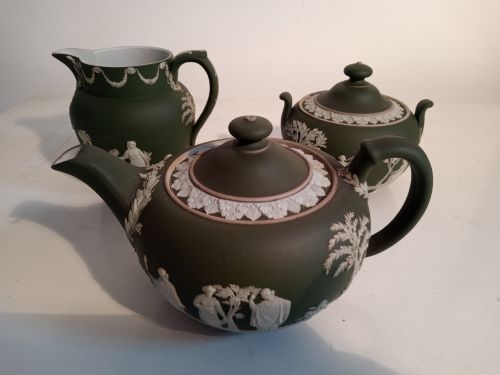
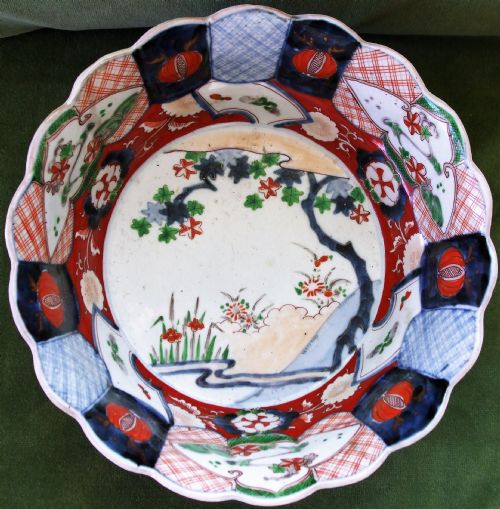
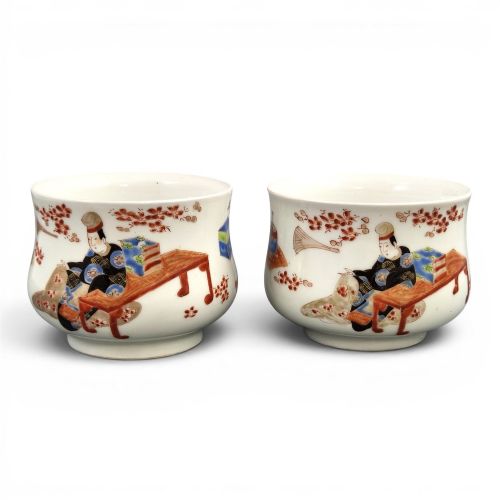
When searching for a vintage porcelain bowl, a buyer encounters a diverse range of forms spanning from the eighteenth century to the twentieth century. These pieces encompass everything from Japanese Imari tableware and Chinese export vessels to nineteenth-century English and European decorative centrepieces.
Originating across European manufactories and Asian kilns, these bowls serve as both functional vessels and decorative centrepieces. The variety available allows collectors to choose between bold Japanese floral patterns, delicate Chinese export designs, and solid European craftsmanship.
Materials and Techniques
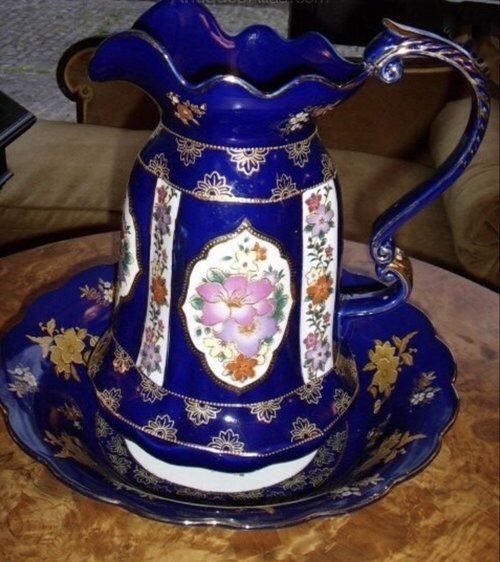
Makers shaped these bowls using fine porcelain, ceramic, and earthenware bodies, often finished with smooth lead or tin glazes. Artisans applied cobalt blue underglaze decoration or polychrome enamel paints to the fired surface before a secondary kiln firing fused the colours.
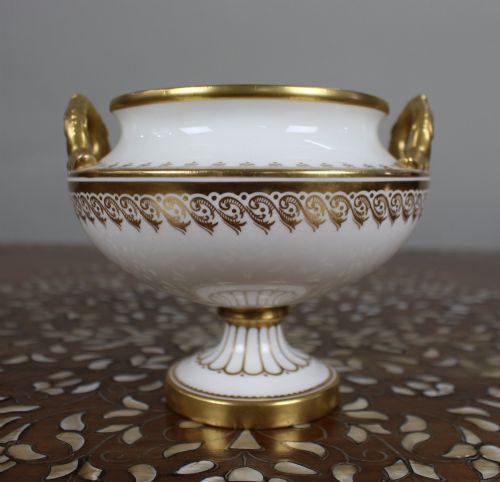
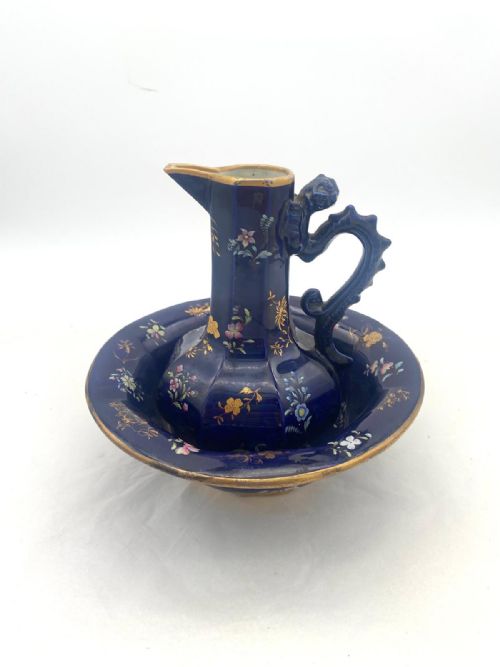
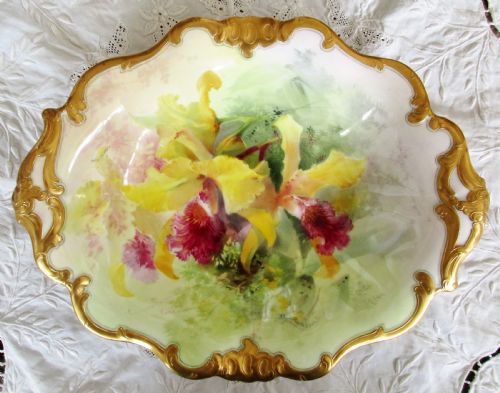
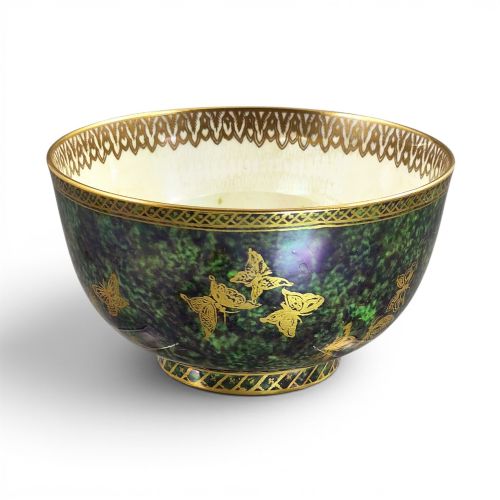
Many examples incorporate gold leaf and rich gilding to highlight rims, handles, and painted panels. Japanese and European workshops utilised meticulous hand-painting techniques, resulting in detailed bird scenes, floral sprays, and geometric borders.
Listings for vintage porcelain bowls span the eighteenth, nineteenth, and twentieth centuries, incorporating materials such as enamel, gold leaf, and glaze.
Evaluating Quality and Execution
Quality in these bowls rests primarily on the crispness of the hand-painted brushwork and the precision of the form. Superior pieces display vibrant, well-controlled enamel colours and neatly potted rims without distortion from the kiln firing process.
The fineness of the porcelain body and the complexity of the decorative scheme further separate standard production wares from masterworks. Pieces bearing distinct signatures or attributed to renowned potteries command attention through superior artistic execution and balanced proportions.
Coalport·Meissen·Royal Doulton·Wedgwood·Spode·Rockingham
The Vintage Porcelain Bowl Glossary
- Imari
- A style of Japanese porcelain decorated in underglaze blue and contrasting overglaze red, green, and gold. This distinct palette originated in the Edo period and remained popular through the nineteenth century.
- Porcelain
- A hard, white, translucent ceramic composed of kaolin and petuntse fired at high temperatures. It provides a durable and resonant body for decorative vessels.
- Gilding
- The application of gold leaf or powdered gold to the surface of a ceramic object. This technique accentuates handles, rims, and specific design elements.
- Famille Rose
- A palette of Chinese porcelain enamels dominated by opaque pink or rose colours introduced in the eighteenth century. Artisans combined these with other pastel shades to depict intricate floral and figural scenes.
Vintage Porcelain Bowl: Frequently Asked Questions
How do I date a vintage porcelain bowl?
Dating relies on examining the glaze consistency, the style of any painted or printed factory marks on the base, and the overall aesthetic of the decoration. Comparing stylistic traits against known periods provides a reliable timeframe for manufacture.
Changes in ceramic body composition and pigment technology also help narrow down the decade of production. Examining the wear on the foot rim offers additional clues regarding the age of the piece.
Are these bowls safe for daily use?
While many vintage porcelain bowls were created as functional tableware, older pieces with delicate overglaze enamels or gold leaf are best reserved for display. Hand washing with mild soap protects the fragile surface decoration from modern detergents.
Thermal shock can crack historical ceramic bodies, so hot liquids should be avoided unless the piece is robust ironstone or heavy utility ware. Careful handling ensures the longevity of delicate painted details.
What is the difference between porcelain and earthenware?
Porcelain is fired at much higher temperatures, resulting in a vitreous, non-porous, and frequently translucent body that rings when struck. Earthenware is a coarser, porous ceramic that requires an impermeable glaze to hold liquids.
Many antique kitchen and bathroom sets utilise earthenware, whereas decorative dishes and fine tea services typically employ porcelain. This material distinction affects both the weight and the durability of the vessel.
How should I display a decorative bowl?
Displaying a vintage bowl safely involves using a stable wooden stand or mounting it securely within a cabinet to prevent accidental knocks. Placing the piece away from direct sunlight preserves the vibrancy of enamel and gilt decorations over time.
Heavier punch bowls and jardinières benefit from sturdy surface placement that supports their weight evenly. Proper spacing allows the intricate hand-painted details to remain clearly visible from all angles.