
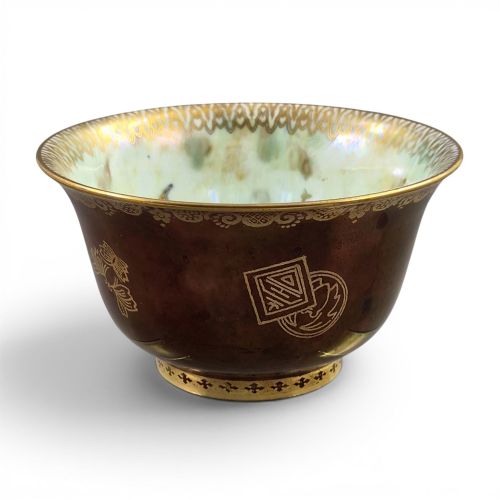
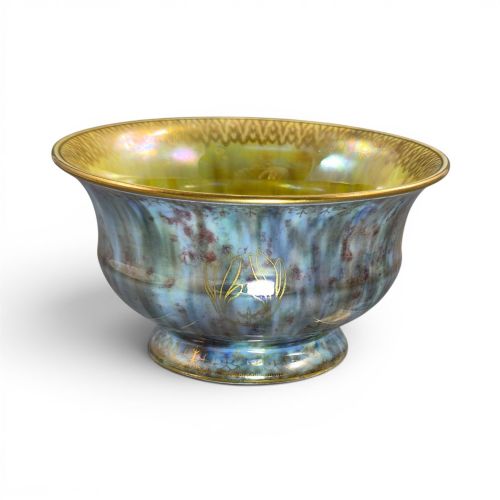
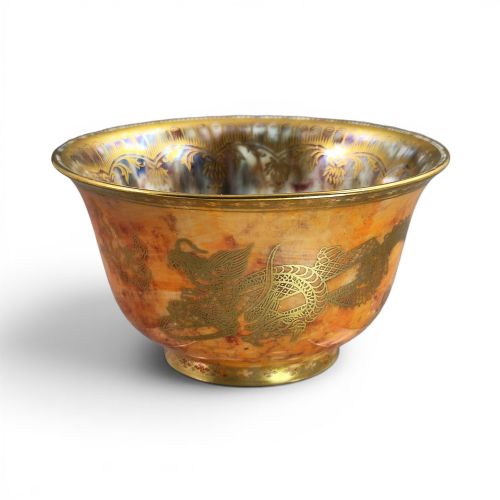


Edwardian Wedgwood Lustre Bowl
These edwardian wedgwood lustre bowl pieces combine rich metallic glazes with intricate fantasy motifs, offering a vibrant focal point for any collector.
Edwardian Wedgwood Lustre Bowl
When searching for an edwardian wedgwood lustre bowl, collectors encounter decorative vessels primarily produced during the Edwardian period and the decades immediately following. These pieces span from miniature cups to large octagonal bowls, showcasing distinct forms shaped by ceramic designers of the era.
The dominant aesthetic draws upon elaborate fantasy themes, most notably fairy tales and mythical beasts. Dragons, butterflies, and goldfish appear frequently across the surface, rendered in saturated colour palettes that catch the light from every angle.
Most examples originate from the 1910s and 1920s, reflecting the artistic shifts from late Edwardian sensibilities towards Art Nouveau and Art Deco stylings. The execution relies on specialised ceramic bodies formed into standard round or geometric profiles.
How they were made
The construction begins with fine bone china or porcelain, shaped into bowls and miniature vessels before receiving initial decoration. Potters applied detailed transfers or hand-painted elements beneath the surface to establish the foundational design.
Makers then applied lustre glaze combined with metallic glaze and gold leaf or gold gilt to create the iridescent sheen. Subsequent firings in the kiln locked in the metallic oxides, producing the characteristic shimmering finish associated with these ceramics.
Celestial dragons twist around miniature cups with the same fierce intensity found on the largest banquet bowls.
What varies in quality
Quality rests heavily on the complexity of the design and the richness of the glaze application. Pieces featuring intricate mythological scenes or multiple dragon motifs demand greater artistic skill than simpler butterfly patterns.
The depth and brilliance of the metallic lustre finish also dictate the tier of the piece. Superior examples display an even, shimmering iridescence across the entire surface without dull patches in the glaze.
Daisy Makeig Jones·James Hodgkiss
The Edwardian Wedgwood Lustre Bowl Glossary
- Lustre Glaze
- A type of ceramic glaze containing metallic salts that produce an iridescent, metallic sheen upon firing. This technique creates the signature reflective surface seen on decorative bowls.
- Bone China
- A type of soft-paste porcelain composed of bone ash, feldspathic material, and kaolin. It provides a strong, translucent white body suitable for detailed painting.
- Octagonal Bowl
- A vessel featuring eight distinct sides rather than a standard round profile. This geometric form appears frequently in specific decorative pottery lines.
- Gold Gilt
- A thin layer of gold applied to the surface of the ceramic for ornamentation. It accentuates the rims and motifs within the glaze.
Edwardian Wedgwood Lustre Bowl: Frequently Asked Questions
What are these bowls made of?
These pieces consist of bone china or porcelain bodies formed into various decorative vessel shapes. Potters then coated these ceramic bases with specialised lustre glazes and metallic finishes.
Gold leaf and gilt details were frequently added to highlight specific elements of the design. The resulting combination of materials creates the distinctive iridescent appearance.
When were these pieces made?
The majority of these ceramics date from the Edwardian era through the 1910s and 1920s. Production spans the transition between traditional Edwardian aesthetics and early Art Deco design.
Most specific dates recorded in the listings cluster around the mid-1910s. This period represents the height of artistic output for these particular lustre lines.
How should I display them?
Due to the reflective nature of the metallic glaze, placement near adequate lighting sources enhances the visual depth of the surface. Selecting a spot where natural light hits the piece allows the iridescent colours to shift.
Keeping them away from high-traffic areas protects the delicate gold gilt and glaze from accidental knocks. Octagonal and round bowls suit tabletop display cabinets or open shelves equally well.
How do I identify different motifs?
Motifs generally range from natural subjects like butterflies to complex mythological scenes featuring dragons and fairy figures. Designers utilised specific pattern names and numbers to categorise these distinct artistic themes.
Examining the primary subject painted across the body reveals the specific decorative series. Dragon designs often incorporate elaborate borders and celestial backgrounds.