
Antique Wedgwood Ceramics
Antique wedgwood ceramics encompass centuries of refined English pottery, from Georgian creamware services to elaborate twentieth-century lustre bowls desired by collectors.
Antique Wedgwood Ceramics
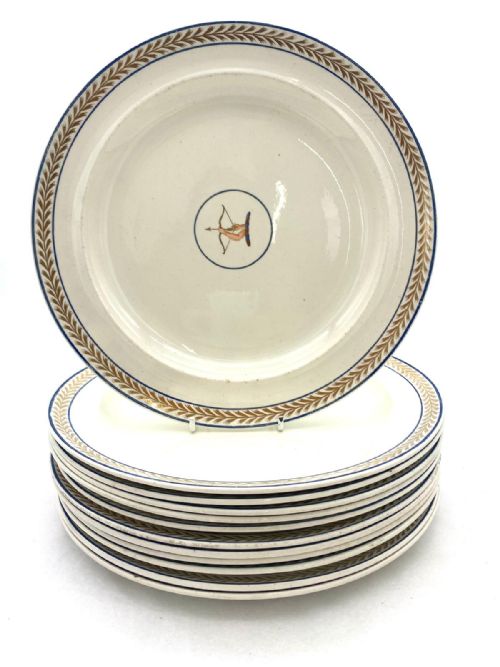
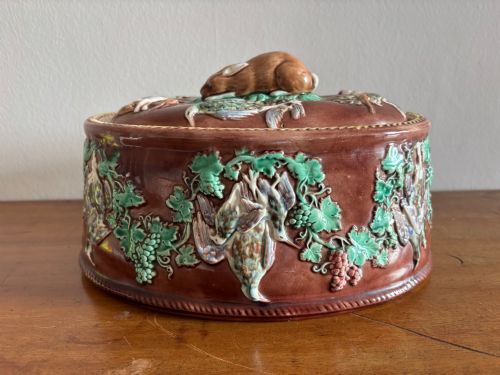
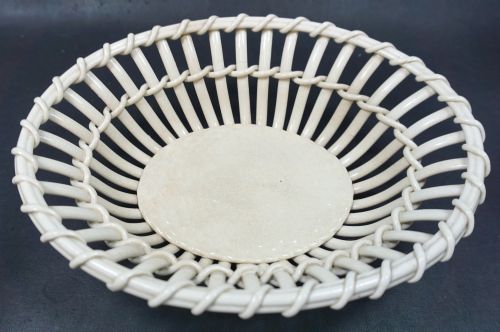
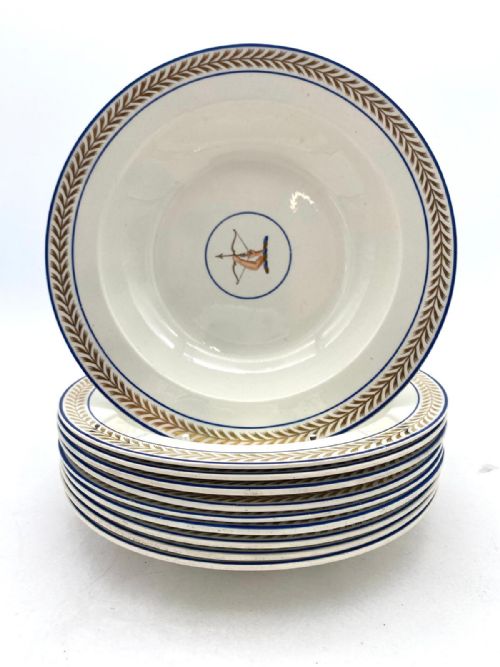
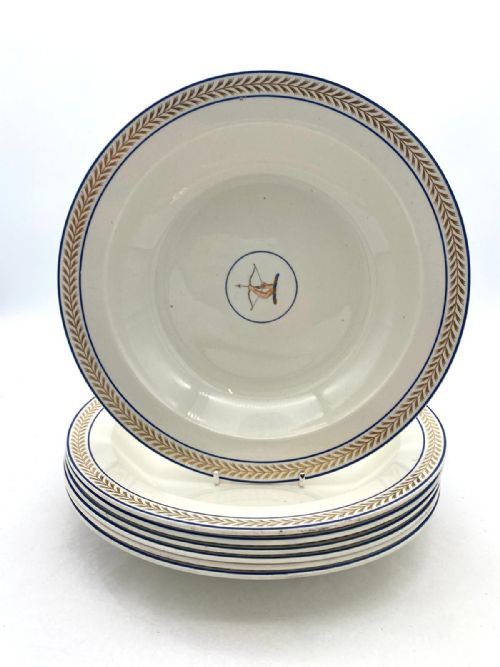
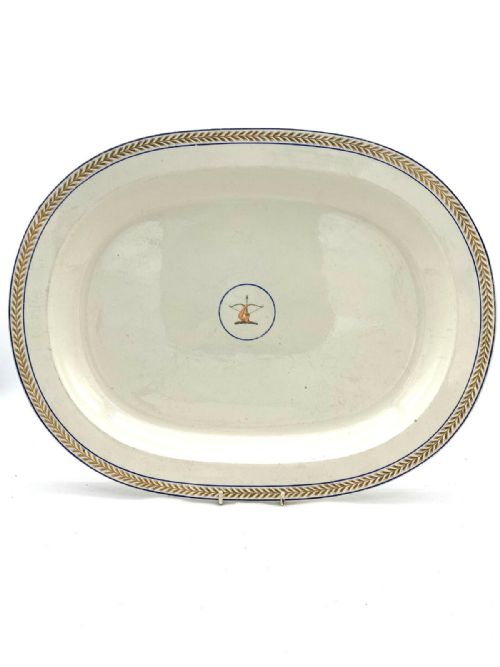
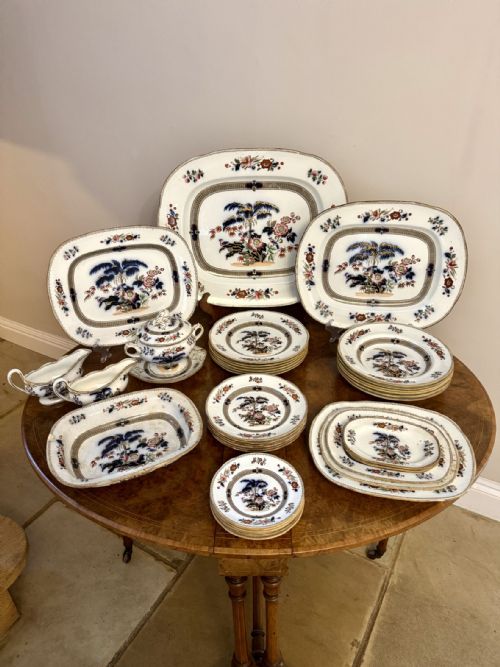
When searching for antique wedgwood ceramics, buyers encounter a diverse selection spanning the eighteenth, nineteenth, and early twentieth centuries. The domestic and decorative objects range from utilitarian creamware dinner services and armorial platters to ornate jasperware urns and brightly decorated lustre bowls.
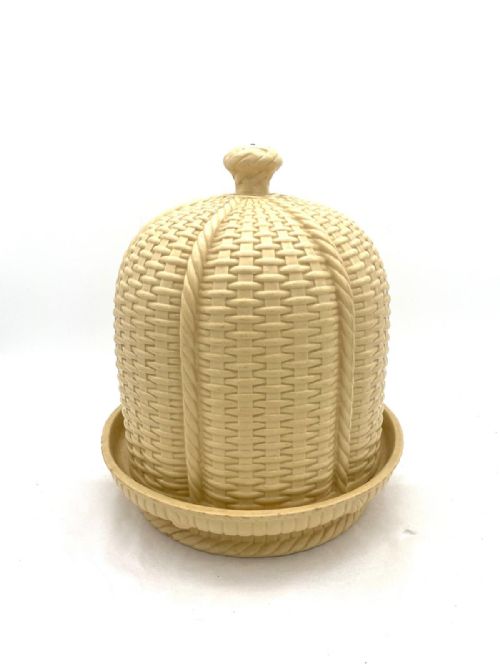
Vessels on this page often take the form of tea sets, biscuit barrels, game pie dishes, and decorative vases reflecting Georgian, Victorian, Edwardian, and Art Deco sensibilities. Creamware and pearlware represent the earlier utilitarian output, while later decades introduce distinct artistic movements and vibrant glazing techniques.
Materials and Methods
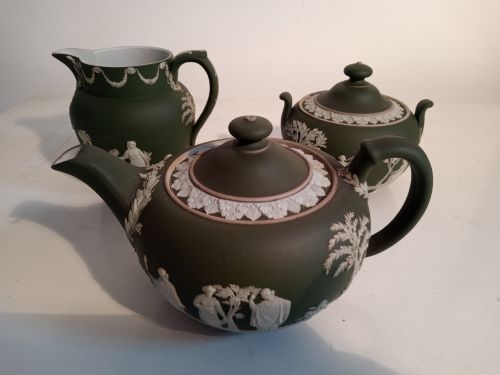
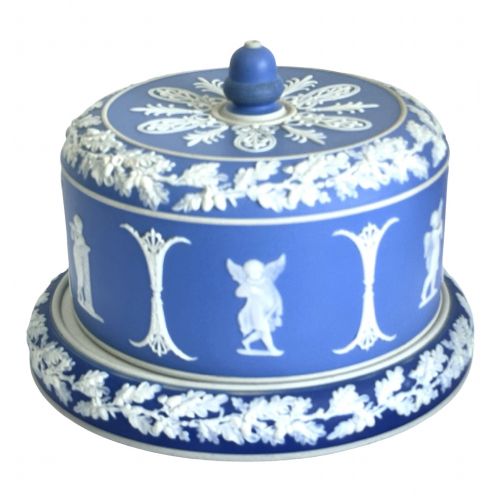
Potters utilised various foundational bodies including creamware, earthenware, stoneware, bone china, and porcelain, shaping them into dinnerware, teapots, and decorative vessels. Jasperware pieces rely on fine unglazed vitrified stoneware contrasted with applied white classical bas-reliefs, sometimes incorporating multiple coloured clays.
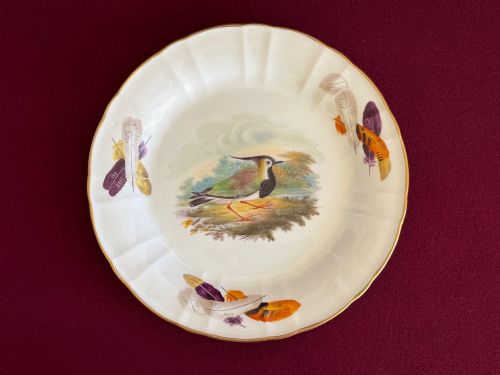
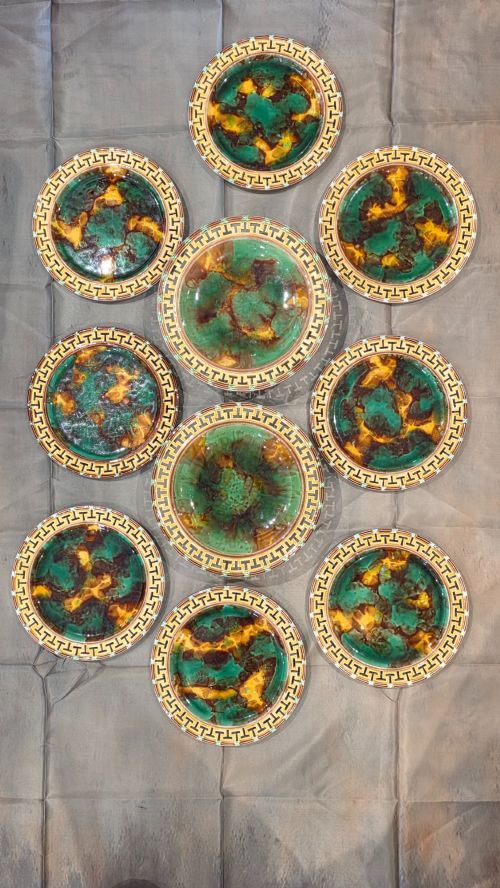
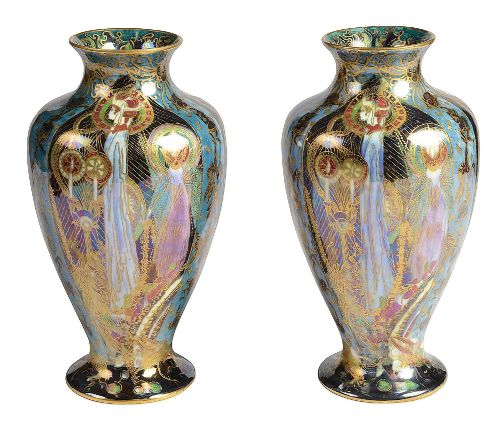
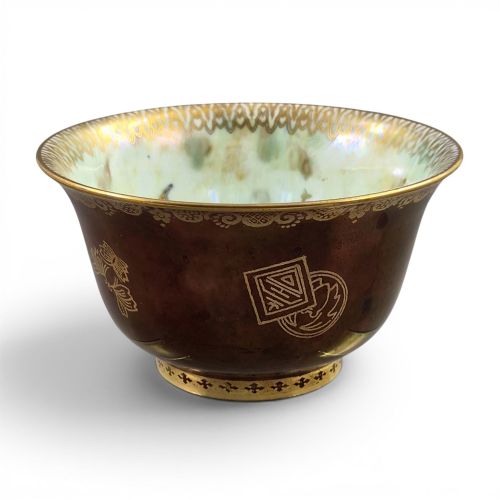
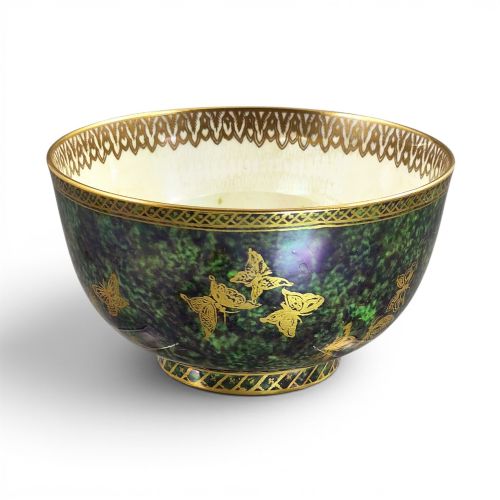
Glaze applications define much of the decorative output, utilising lustre glaze, gold leaf, and painted motifs such as botanical studies and lapwing illustrations. Hand-painted designs and transfer printing both appear across the centuries, matched by specialised techniques in Majolica and Fairyland lustre production.
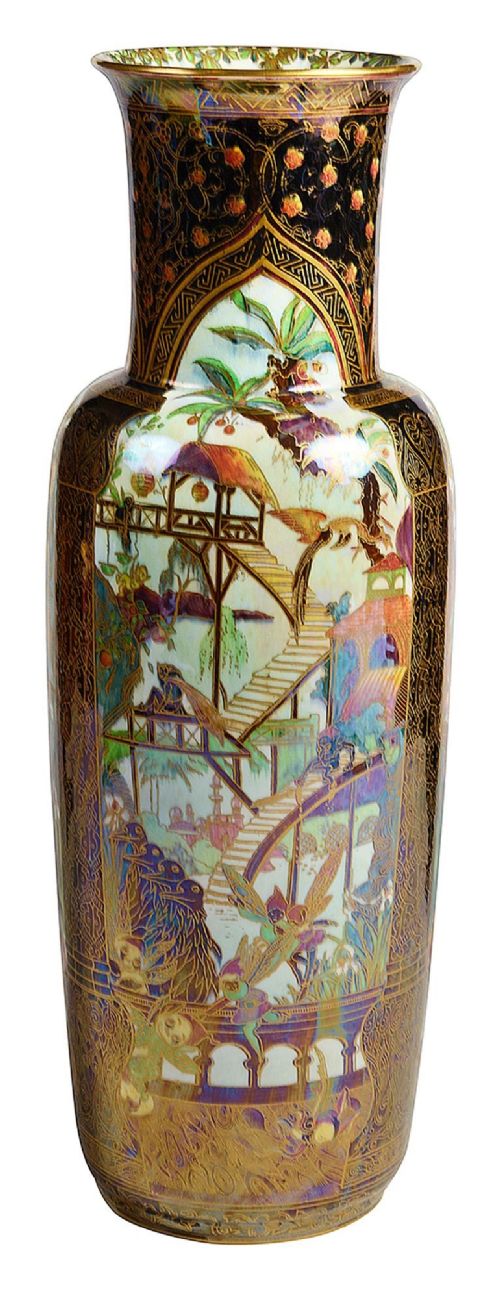
Fairyland lustre bowls invite viewers to hunt for tiny hidden elves and goblins tucked away behind dragon scales.
Factors of Quality
Distinctions in quality depend upon the crispness of moulded reliefs on jasperware and the complexity of painted or printed surface decoration. Fineness of potting, precision in armorial painting, and the vibrancy of lustre finishes separate standard domestic items from exhibition-tier pieces.
The sophistication of the design execution, particularly in works associated with specific named designers or distinct periods like the Edwardian lustre wares, dictates the standing of an individual object within the broader range of production.
Daisy Makeig-Jones·James Hodgkiss
The Antique Wedgwood Ceramics Glossary
- Jasperware
- A fine-grained, unglazed vitrified stoneware developed in the eighteenth century, commonly featuring white classical bas-reliefs against a coloured background.
- Creamware
- A refined earthenware body with a pale yellowish-cream glaze, widely produced during the Georgian period for dining and tea services.
- Fairyland Lustre
- A complex decorative line of iridescent glazed ceramics introduced in the early twentieth century featuring fantastical themes and rich colour palettes.
- Majolica
- A colourful lead-glazed earthenware characterised by rich, mottled tones, popular during the nineteenth century for decorative and utility vessels.
- Armorial
- Ceramic decoration featuring painted or transferred family crests or coats of arms, frequently commissioned for extensive eighteenth-century dining services.
Antique Wedgwood Ceramics: Frequently Asked Questions
How do I date creamware?
Creamware dating relies on the tone of the pale glaze, the weight of the ceramic body, and the style of any painted armorial or botanical decoration. Pieces from the eighteenth century typically display lighter, thinner potting than later nineteenth-century adaptations.
Examining the foot rim and any impressed marks provides further chronological indicators for these tablewares.
What are Fairyland Lustre wares?
Fairyland Lustre wares are highly decorated ceramics featuring iridescent metallic glazes and imaginative subjects like goblins, elves, and dragons. Designed in the early twentieth century, these pieces showcase complex multi-fired glazing techniques.
They represent some of the most vibrant and artistic output from the Staffordshire factory during the Edwardian and interwar periods.
How should I care for antique pottery?
Antique ceramics require gentle handling and hand washing in lukewarm water without abrasive detergents to protect fragile glazes and gold leaf accents. Avoiding sudden temperature changes prevents thermal shock to older earthenware bodies.
Displaying pieces away from direct sunlight preserves the original vibrancy of painted botanical scenes and lustre finishes.