



Antique Creamware Dish
These antique creamware dish items bring light earthenware service and display to the table, prized for their pale straw body and fluid potting.
Antique Creamware Dish
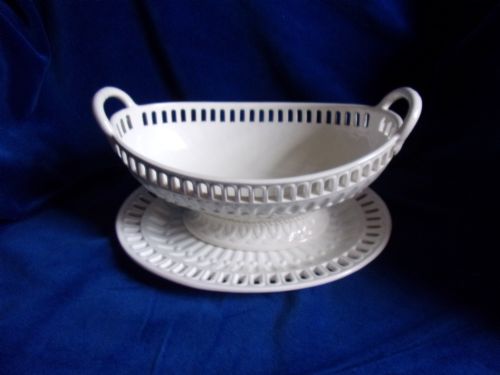
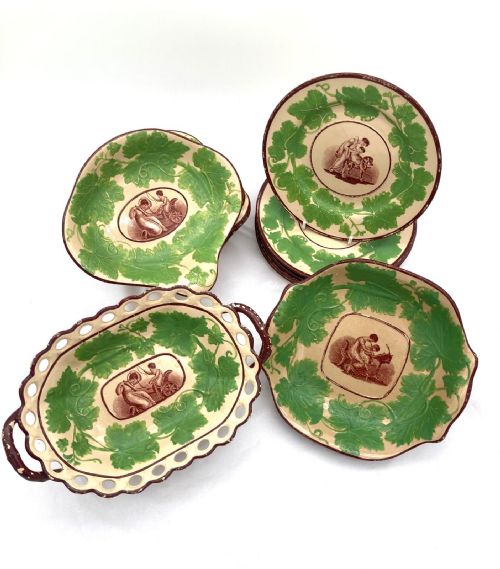
When you search for an antique creamware dish, you encounter pale earthenware vessels spanning the eighteenth and nineteenth centuries. These domestic forms range from serving platters and soup bowls to dessert services, baskets, and cheese domes.
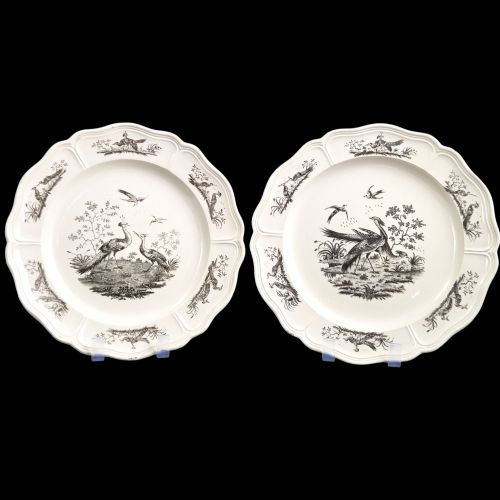
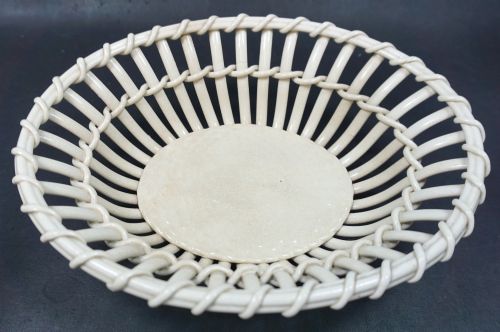
The pieces on this page originate primarily from Georgian and later British potteries, reflecting domestic dining habits of the period. Forms include pierced baskets, armorial platters, and transfer-printed or hand-painted plates.
Makers and regional centres such as Leeds, Liverpool, and Staffordshire dominate the output. Buyers find both simple utilitarian tablewares and highly decorative display pieces.
Methods and materials of creamware production
Potters shaped these wares from refined light-firing earthenware bodies covered in a transparent lead glaze. This glaze pooled slightly yellow in recesses, giving the characteristic warm tone.
Decoration involved enamelling, transfer printing, or complex pierced modelling as seen in basketware. Firing took place in traditional kilns, producing durable domestic ceramics.
Antique Creamware Dish Retail Price Guide 2026
Typical asking prices for creamware dish among the pieces listed under this phrase on Sellingantiques today, from the lower quarter to the upper quarter. They describe what is for sale here now, not the wider market.
Early nursery alphabet plates remind us that Victorian children learned their letters alongside their supper.
Assessing quality in creamware
Quality rests upon the delicacy of the potting and the clarity of the glaze. Finer examples show crisp moulding on basketwork and precise armorial painting or transfer printing.
The presence of early Leeds or named maker attributions elevates certain items above standard utilitarian output. Consistency of the pale glaze surface across complex forms indicates skilled workshop practice.
Wedgewood·Leeds Pottery·Herculaneum
The Antique Creamware Dish Glossary
- Creamware
- A refined light-coloured earthenware developed in eighteenth-century England. It superseded heavier salt-glazed stonewares on the dining table.
- Lead glaze
- A transparent glassy coating applied to pottery before firing. It waterproofed the porous earthenware body and imparted a warm yellowish sheen.
- Armorial
- Decorated with heraldic coats of arms. Wealthy patrons commissioned such services to display lineage.
- Charger
- A large decorative or serving plate used on formal tables. These substantial pieces often feature shaped edges.
- Earthenware
- Porous pottery fired at lower temperatures than stoneware or porcelain. Creamware represents a highly refined version of this ceramic body.
Antique Creamware Dish: Frequently Asked Questions
What is an antique creamware dish?
An antique creamware dish is a light earthenware table or display vessel produced mainly in Britain during the eighteenth and nineteenth centuries. These pieces utilise a pale body and transparent lead glaze.
They encompass functional and decorative forms such as soup bowls, platters, and dessert services.
How do I date a creamware dish?
Dating relies on stylistic markers, potting techniques, and any recorded factory attributions. Georgian examples often display lighter thrown bodies and hand-painted or early transfer-printed decoration.
Later nineteenth-century pieces may show heavier potting or distinct printed patterns characteristic of the Victorian era.
Were these dishes used daily?
Many creamware items served practical dining functions in period households, from serving meats to presenting dessert courses. Armorial platters and specialised services appeared primarily at formal meals.
Simpler plates and nursery wares saw everyday domestic use in middle-class homes.
How should I care for creamware?
Handle antique creamware gently and wash by hand in warm water using mild soap. Avoid dishwashers, harsh abrasives, and sudden temperature changes to protect the historic glaze.
Display or store pieces securely away from areas prone to knocks.