

19th Century Earthenware
19th century earthenware encompasses everything from utilitarian dairy vessels to expressive mantelpiece figures.
19th Century Earthenware
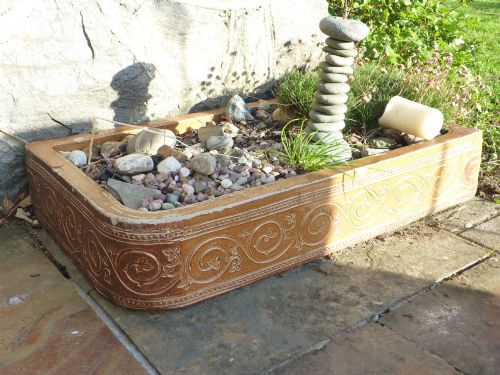
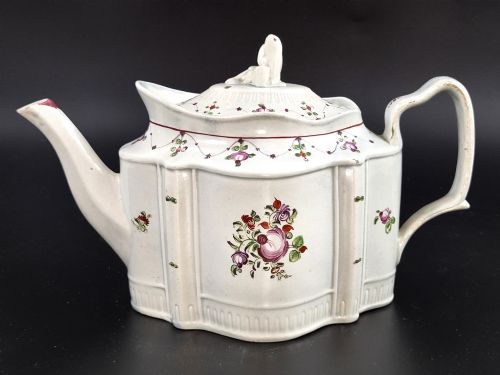
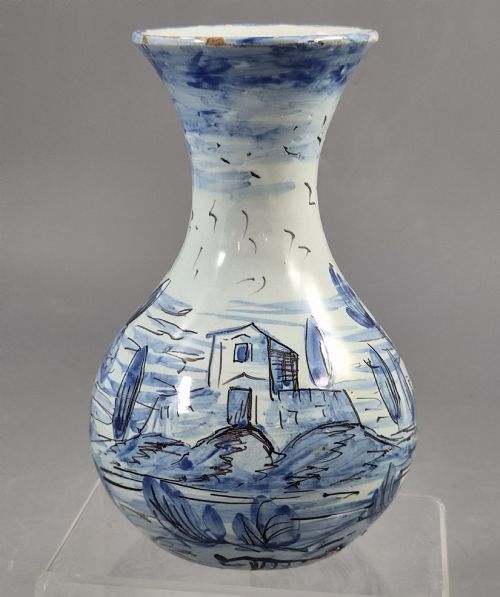
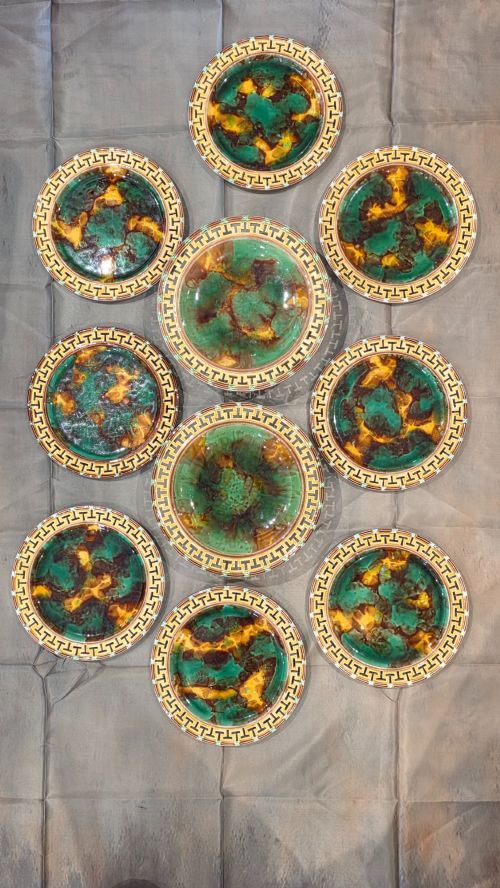
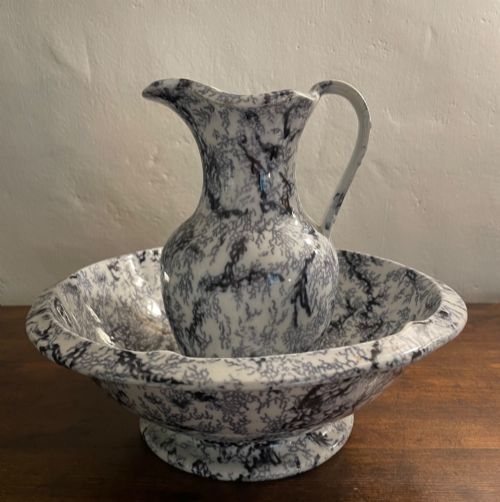
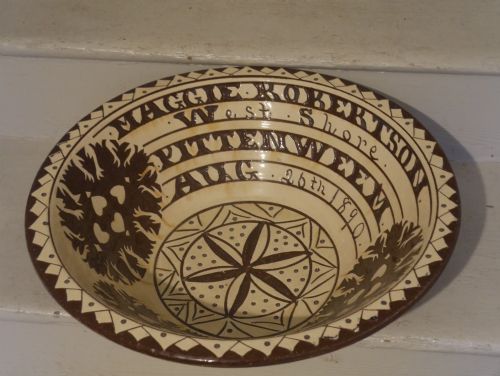
When looking for 19th century earthenware, buyers encounter a diverse array of ceramic objects spanning domestic utensils, commemorative jugs, and decorative figures. The selection includes utilitarian dairy bowls, heavy crocks, and large wine jars alongside ornate majolica services and transfer-printed pitchers.
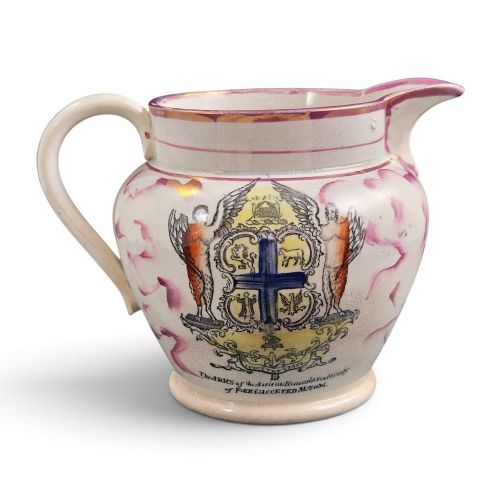
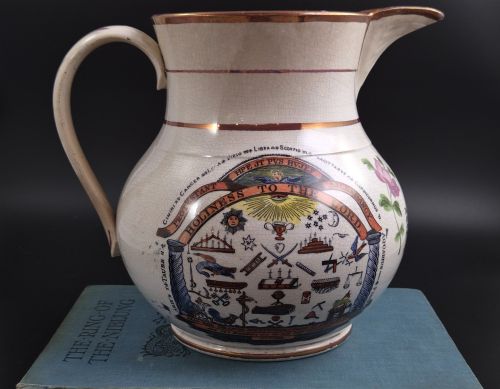
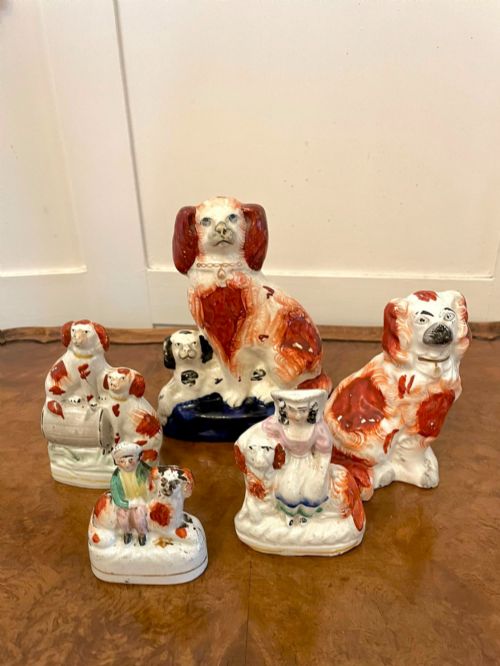
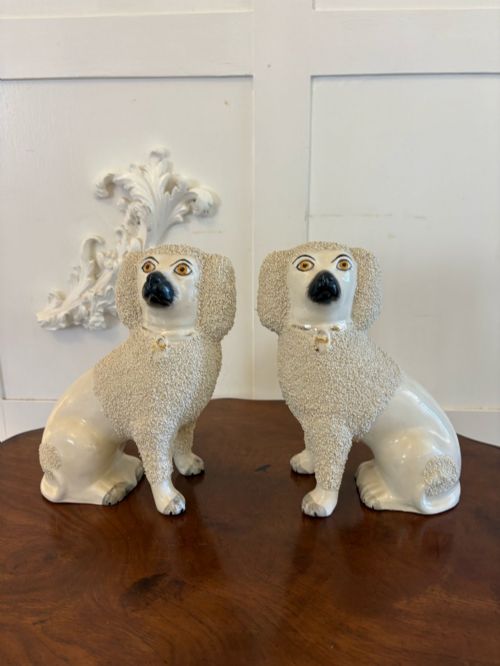
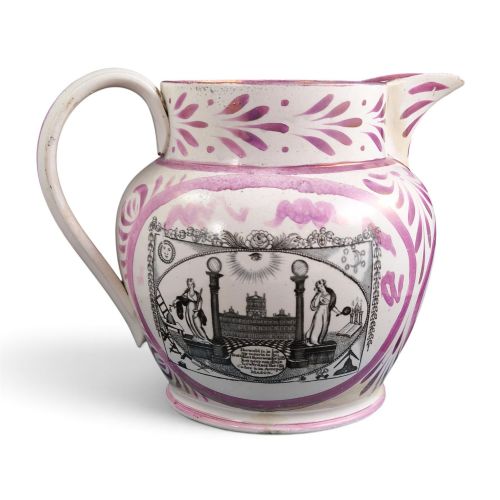
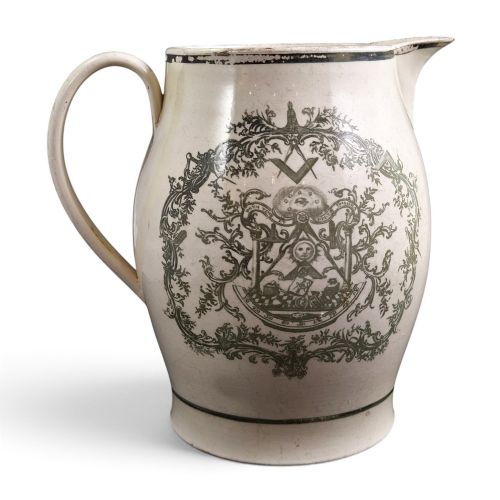
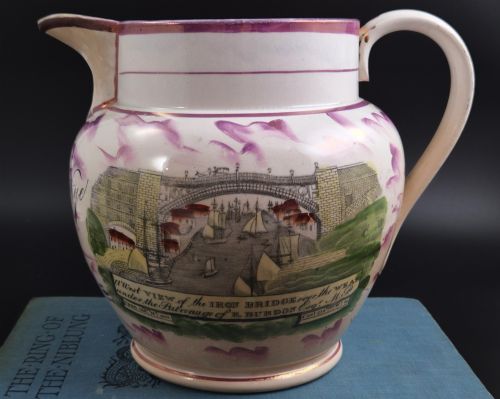
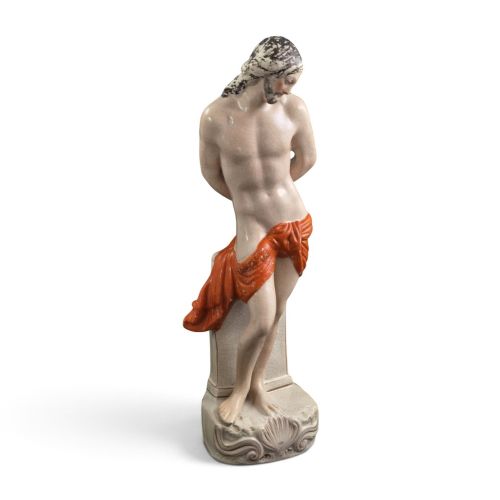
Staffordshire pottery figures, dogs, poodles, and greyhounds appear frequently among the listings, reflecting the Victorian appetite for mantelpiece ornaments. Sunderland lustre jugs featuring maritime themes, Masonic symbols, and clipper ships also represent a major category within the available pieces.
How They Were Made
Potters built these items using earthenware clay bodies that were subsequently fired and coated with various surface treatments. Lead glaze, salt glaze, enamel, and tin glazes provided both waterproofing for functional vessels and glossy finishes for decorative display.
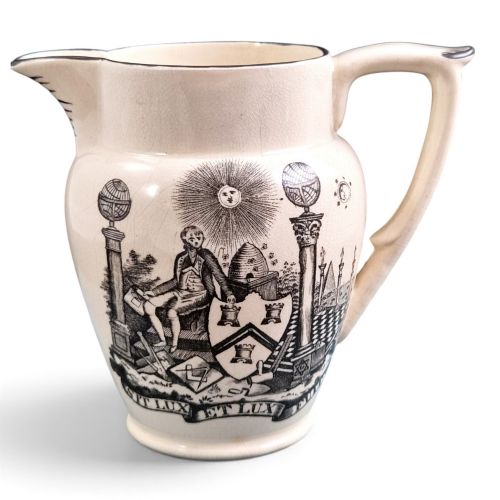
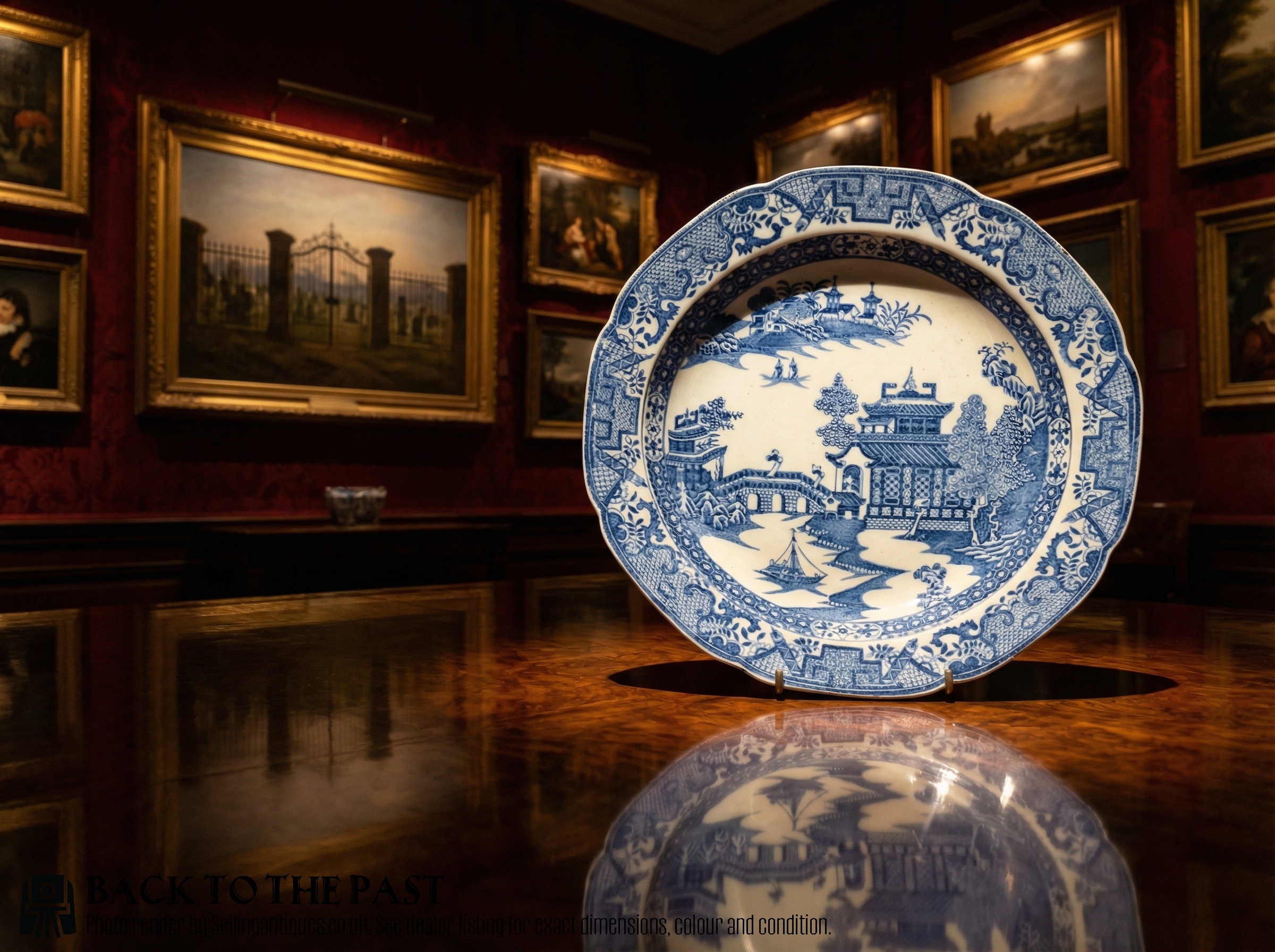
Decoration relied heavily on techniques such as transfer printing in black or blue, polychrome hand-painting, and lustring to achieve metallic sheens. Specialised bodies like creamware, slipware, and majolica further demonstrate the technical breadth employed by English, Scottish, and continental potteries.
19th Century Earthenware Retail Price Guide 2026
Typical asking prices for 19th century earthenware among the pieces listed under this phrase on Sellingantiques today, from the lower quarter to the upper quarter. They describe what is for sale here now, not the wider market.
Materials range from coarse terracotta dairy crocks to refined creamware and lustred earthenware jugs.
What Varies in Quality
The distinction between standard domestic wares and superior examples rests upon the crispness of the modelling and the precision of the glaze application. Hand-painted polychrome details and complex transfer printing demand a high level of skill from the decorator.
Makers such as Minton, Wedgwood, and Davenport applied meticulous standards to their dessert services, majolica planters, and flow blue basins. Pieces that retain vibrant enamel colours, clear transfer details, and well-preserved lustre finishes stand apart from heavily worn or poorly fired counterparts.
Wedgwood·Minton·Davenport·Seaton Pottery·Cantagalli·Guichard Carriès
The 19th Century Earthenware Glossary
- Creamware
- A fine earthenware with a pale yellowish straw-coloured glaze developed in the eighteenth century and produced into the nineteenth.
- Majolica
- A colourful, lead-glazed earthenware pioneered by Minton and other factories, known for naturalistic plant and animal forms.
- Lustreware
- Earthenware decorated with a metallic film that produces an iridescent sheen, often associated with Sunderland potteries.
- Slipware
- Pottery decorated with liquid clay applied to the unbaked body before glazing.
- Flow Blue
- A technique where cobalt oxide blurred intentionally during firing to create a soft, misty effect on transfer-printed wares.
- Flatback
- A ceramic figure designed to be viewed from the front, with an unglazed or minimally finished flat rear side meant for placement against a wall.
19th Century Earthenware: Frequently Asked Questions
How do I clean antique earthenware?
Dust these items gently with a dry microfiber cloth to remove everyday surface particles.
Avoid submerging pieces with old repairs or delicate enamel decoration in water, as moisture can weaken historic adhesives and pigments.
Were Sunderland lustre jugs used daily?
Many large Sunderland jugs served as presentation pieces or commemorative items for lodges, sailors, and community events rather than everyday kitchen tools.
Their substantial size and reflective pink lustre finishes made them well-suited for display on sideboards and mantels.
What is a Staffordshire flatback figure?
Staffordshire flatback figures are earthenware sculptures moulded with a flat, undecorated reverse side designed to sit flush against a cottage mantelpiece.
Potters produced these ornaments in pairs or single subjects to depict royalty, military heroes, literary characters, and domestic animals.
How do I distinguish creamware from pearlware?
Creamware exhibits a warm, pale yellow hue across its transparent lead glaze, whereas pearlware incorporates a slightly bluish tint pooled in the recesses to mimic Chinese porcelain.
Both bodies formed the base for extensive transfer-printed tableware throughout the Georgian and early Victorian periods.