




Antique Pottery Animals
Antique pottery animals encompass centuries of ceramic beasts, from Staffordshire poodles to Han Dynasty guardians, collected for their character and historical charm.
Antique Pottery Animals
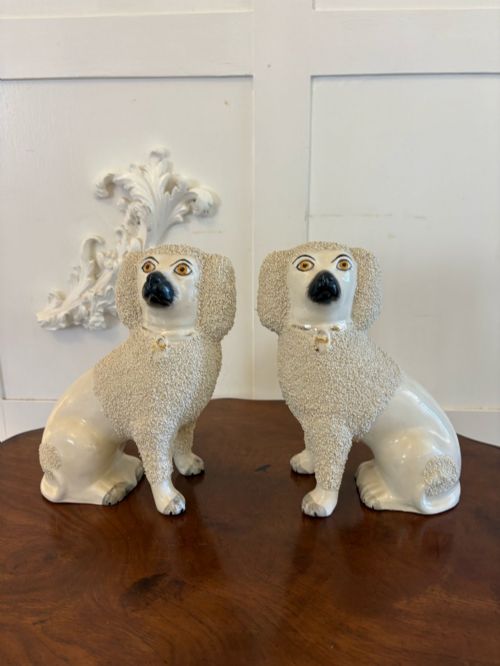
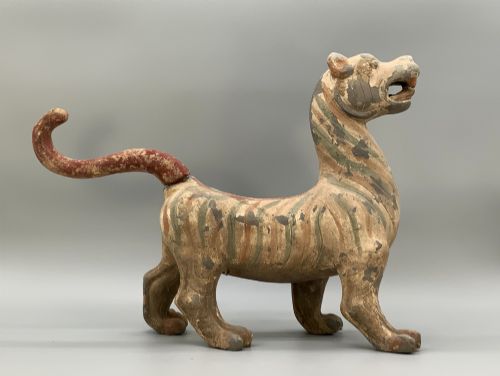
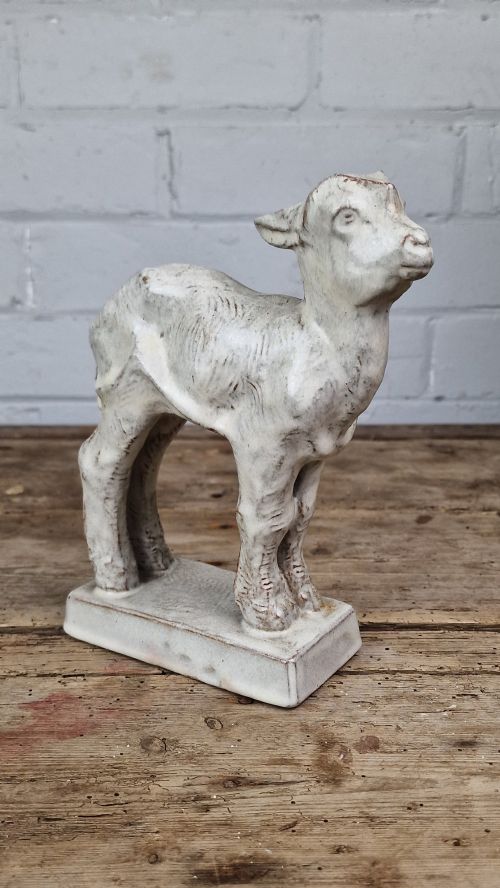
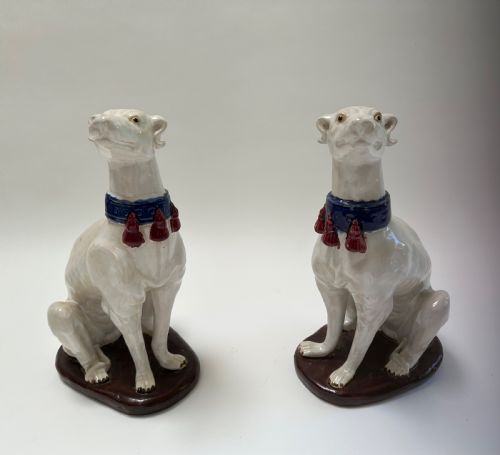
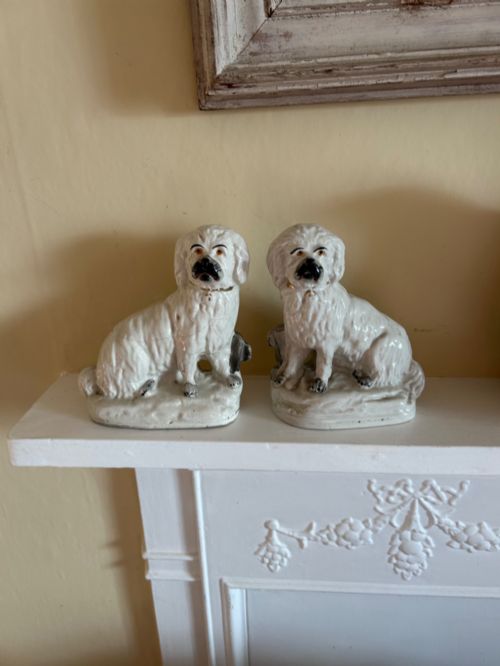
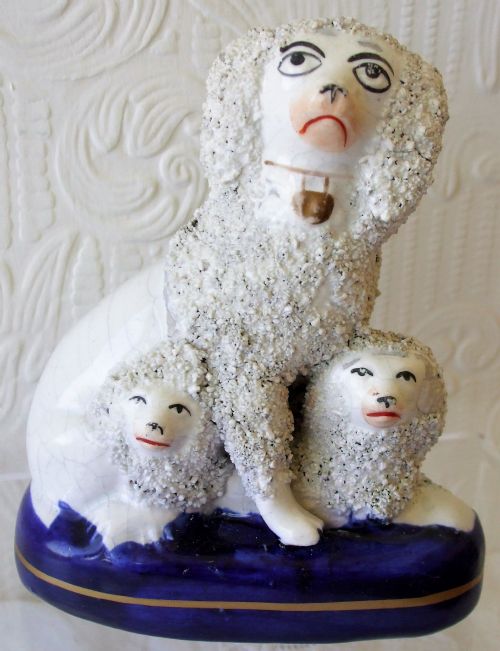
Antique pottery animals span domestic Staffordshire figures like poodles, sheep, and lions alongside Chinese Han Dynasty guardians and Dutch Delft cows. Buyers seeking this search phrase encounter British Victorian earthenware mantle ornaments far more frequently than ancient terracottas or Qing Dynasty turquoise-glazed specimens.
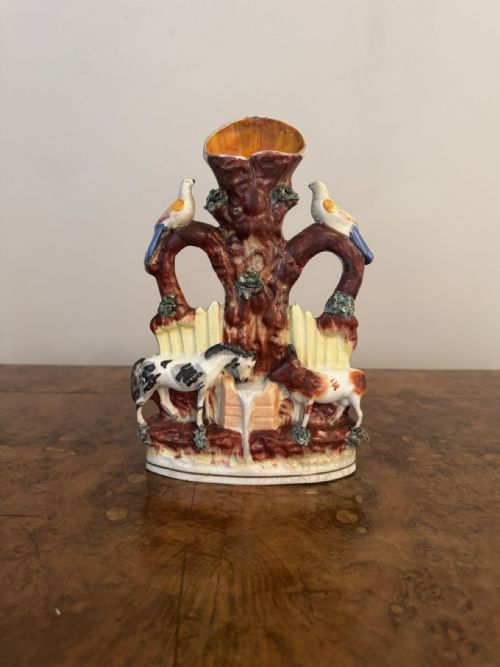
The domestic selection runs from spill vases and inkwells to sculptural pairs of pugs, zebras, and leopards. Continental and Asian works appear as French folk art cats, Dutch tiles, and Shiwan lion dogs, offering a broad spectrum of ceramic zoology.
How they were made
Potters shaped these animals using earthenware, pearlware, terracotta, and stoneware, often employing moulds for Staffordshire figures and hand-modelling for ancient or folk art pieces. Surfaces received hand-painting, enamel decoration, or specialised finishes including lead, treacle, and copper lustre glazes.
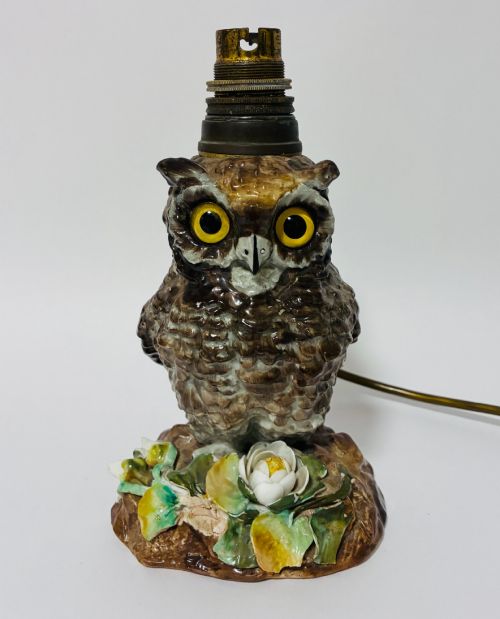
Firing techniques varied from low-temperature earthenware kilns to high-firing ancient pottery traditions. Glass eyes and wooden bases occasionally supplemented the ceramic body, particularly in later French Art Deco and English Victorian productions.
Glass-eyed French cats and prancing zebras prove that 19th-century ceramicists possessed a wonderful imagination for the animal kingdom.
What varies in quality
The distinction between ordinary production pieces and superior examples lies in the survival of bright enamels, rich copper lustre, or uniform lead glazing without excessive kiln firing blemishes. Maker attribution, such as documented Walton or Doulton pieces, also elevates the standing of an individual figure.
Doulton Lambeth·Guido Cacciapuoti·Rockingham Pottery·Walton
The Antique Pottery Animals Glossary
- Pearlware
- A refined earthenware developed in the late 18th century featuring a thin glaze over a slightly blue-tinted body.
- Spill vase
- A hollow ceramic figure incorporating a small cylinder designed to hold wooden spills for lighting candles or pipes.
- Treacle glaze
- A dark, translucent brown lead glaze that yields a rich, glossy finish on 19th-century ceramics.
- Shiwan pottery
- A traditional southern Chinese ceramic ware known for expressive figures and striking turquoise or flambé glazes.
- Tyg
- A large drinking vessel fitted with multiple handles, occasionally produced in stoneware by workshops like Doulton.
Antique Pottery Animals: Frequently Asked Questions
How do I identify Staffordshire dogs?
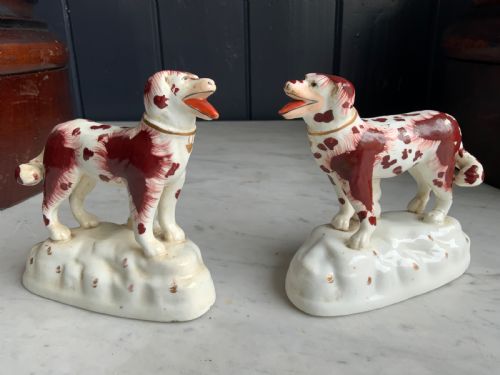
Staffordshire dogs typically appear as pairs of spaniels, poodles, or pugs decorated with gold spots or naturalistic markings. They often feature hollow interiors and distinct ventilation holes underneath.
Most date from the 19th century and served as decorative mantel ornaments in British homes. Examining the glaze and weight helps distinguish genuine Victorian earthenware from later reproductions.
What is a spill vase?
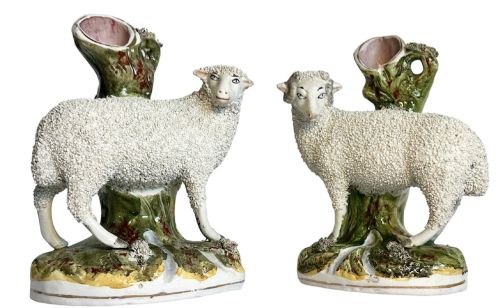
A spill vase is a hollow ceramic tube attached to the back of an animal figure, such as a sheep or lion. Victorian households used these vessels to hold wooden tapers for lighting fires and lamps.
They combine practical function with ornamental design, making them a distinctive subcategory of antique pottery animals.
How are ancient pottery animals dated?
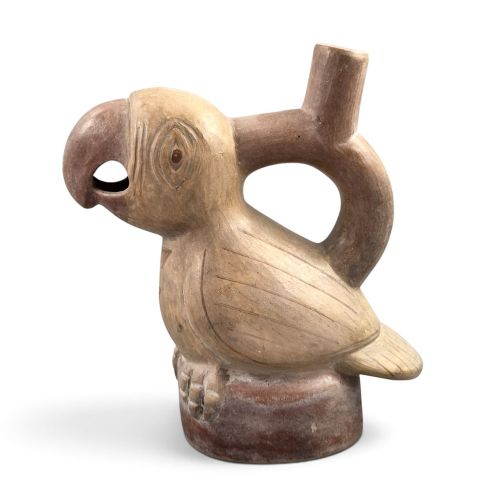
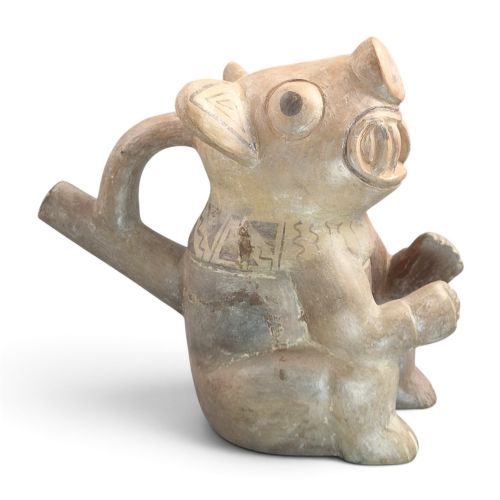
Dating ancient pieces like Han Dynasty guardians or Pre-Columbian vessels relies on material composition, firing methods, and stylistic consistency. Terracotta and earthenware show age through surface wear and mineral deposits.
Context and provenance provide the primary framework for establishing these early origins, contrasting sharply with marked 19th-century European ceramics.
Where should I display pottery animals?
These figures suit mantels, bookcases, and side tables where their colour and form can be appreciated at eye level. Pairs look effective arranged symmetrically, mirroring their original Victorian mantel placement.
Keeping them away from direct sunlight protects delicate enamels and painted details from fading over time.