




Victorian Spill Vase
These Victorian spill vase examples are decorative holders for taper matches, prized for their ceramic animals and glass forms.
What a Victorian spill vase is
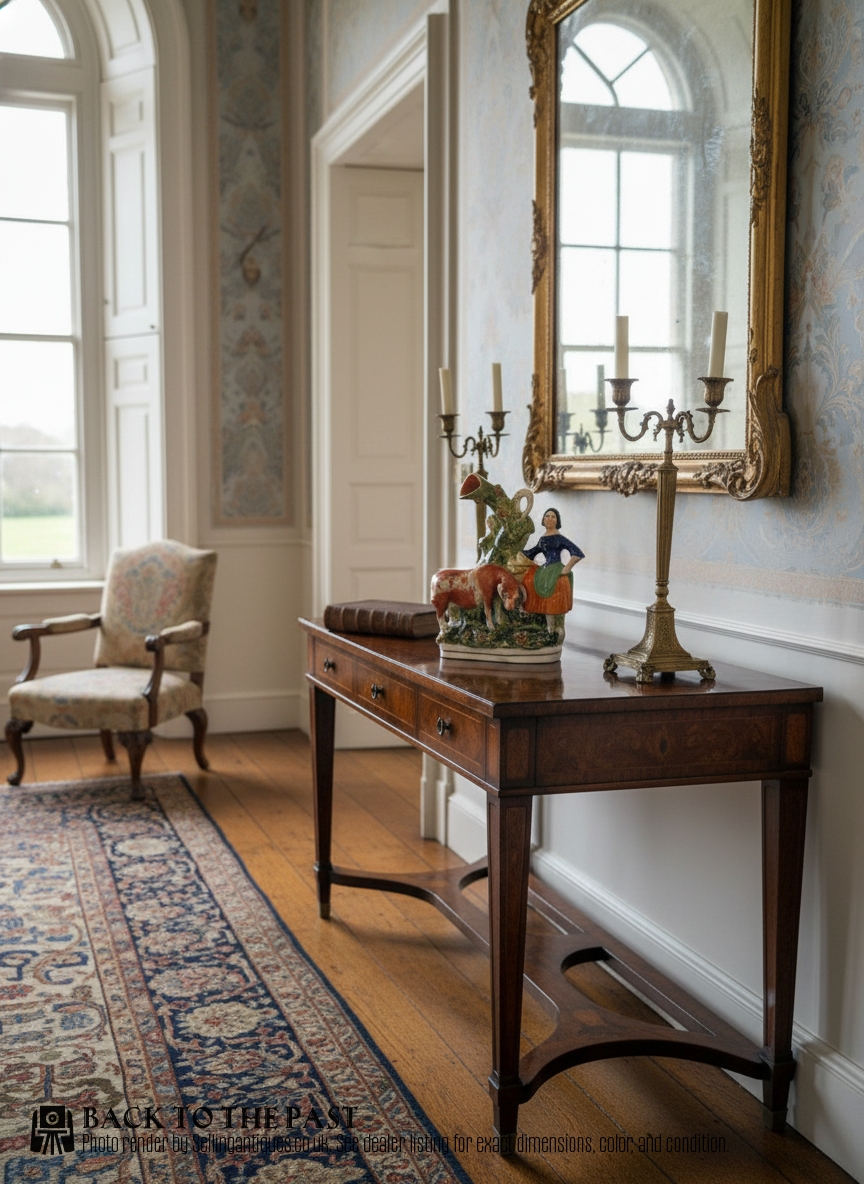
A Victorian spill vase is a small receptacle designed to hold wooden tapers used for lighting candles and fires in the home. The form appears across multiple materials, ranging from earthenware and porcelain to cranberry glass and silver.
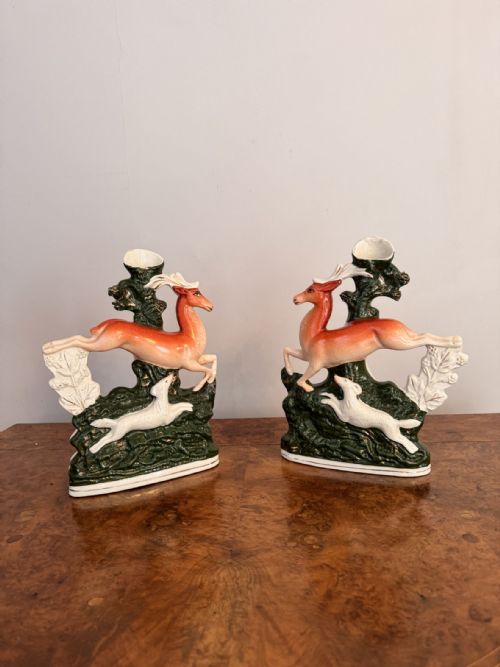
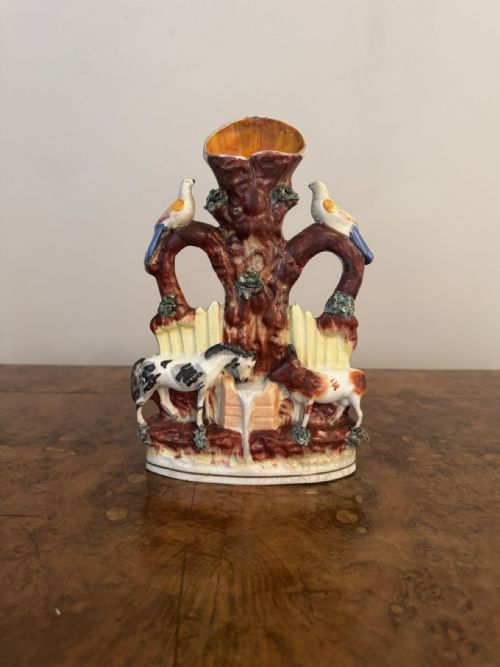
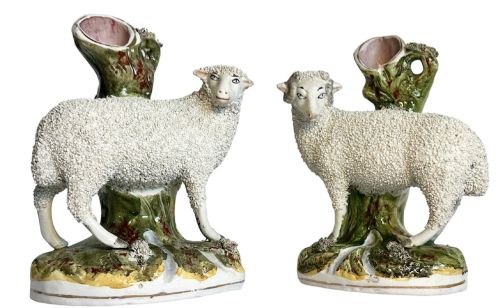
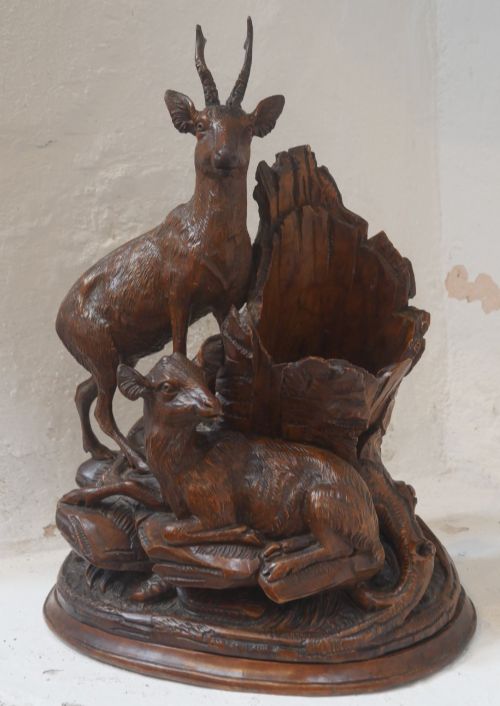
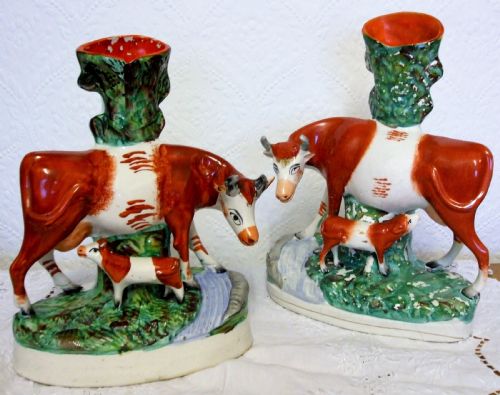
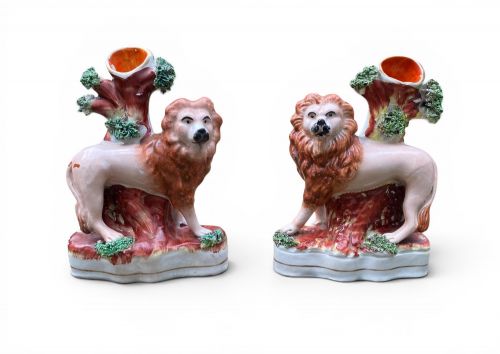
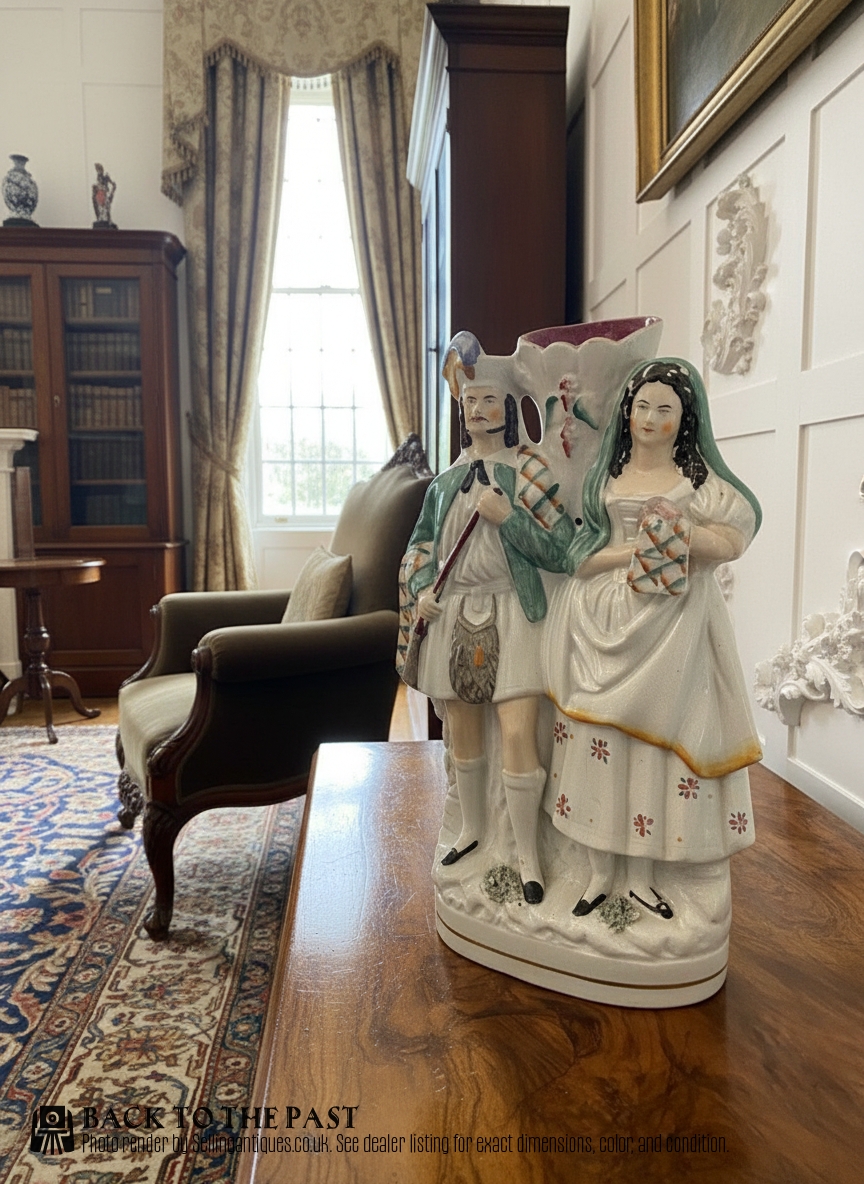
Staffordshire figures form a large portion of the available pieces, often depicting animals such as spaniels, sheep, poodles, cows, zebras, and stags alongside human figures. These ceramic groups integrate the hollow spill tube directly into the sculptural background.
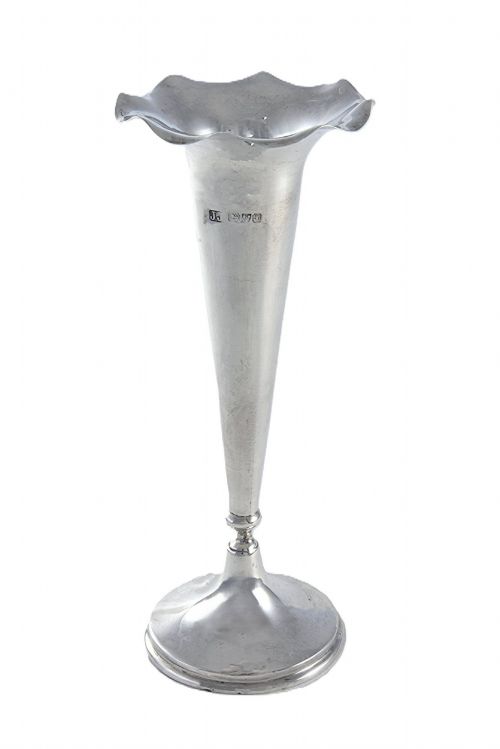
Glass examples also occur in the selection, including cranberry glass and clear glass posy vessels that double as spill holders. Metal variations appear in sterling silver, copper, and brass, offering a different texture to the ceramic and glass staples.
How they were made
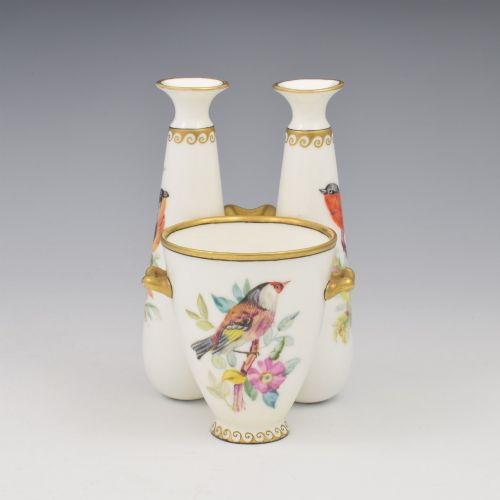
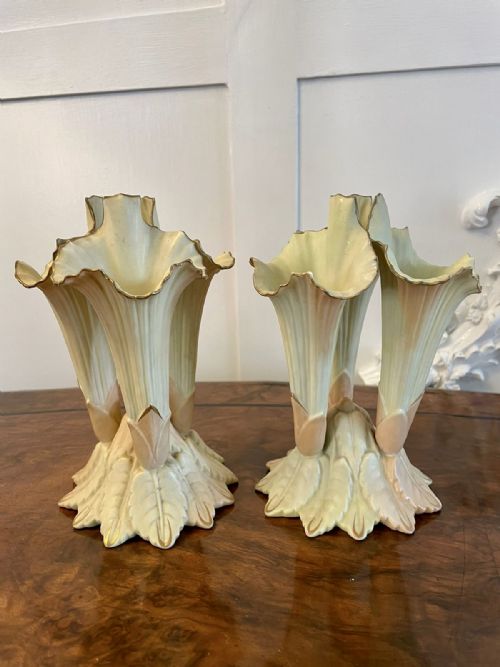
Potters shaped the earthenware and porcelain figures using local clays, applying lead glazes and hand-painted enamel colours before firing. Gilding highlights details on porcelain works from factories like Royal Worcester and Royal Crown Derby.
Glass items utilised blowing techniques to shape cranberry glass and clear glass into slender stems and posy forms. Silversmiths hammered and chased sterling silver, copper, and brass into novelty shapes like boots and cylindrical tubes.
Retail Price Guide 2026
Typical UK retail prices for victorian spill vase, calculated from the Sellingantiques database of over a million retail prices indexed since 2003. This retail price guide relies exclusively on Sellingantiques data; no external sources or auction records are used, so the figures do not describe the wider market.
Materials across these listings span earthenware, enamel, porcelain, gilding, cranberry glass, clear glass, lead glaze, glazed pottery, sterling silver, copper, and brass.
What varies in quality
Material choice and maker attribution shift the standing of a piece within the range, particularly with porcelain works bearing factory marks or silver pieces carrying clear hallmarks. Novelty forms, such as bears with glass eyes or animal pairs, demonstrate greater sculptural ambition than standard cylindrical tubes.
John Hopewell·Royal Worcester·Royal Crown Derby·Kent Staffordshire Pottery
The Victorian Spill Vase Glossary
- Spill
- A thin slip of wood or paper used for transferring a flame from a fireplace to a candle or lamp. The vase provides a neat desktop or mantelpiece home for these tapers.
- Staffordshire pottery
- Earthenware produced in the industrial pottery towns of Staffordshire, widely known for figures and animal groups. These modelled pieces often incorporate a hollow cylinder for tapers behind the main subject.
- Flatback
- A ceramic figure modelled in the round at the front but left flat at the rear. This design allowed the piece to sit flush against a mantelpiece wall.
- Cranberry glass
- A translucent red glass coloured with gold chloride during production. It appears frequently in Victorian tableware and small ornamental vessels.
- Lead glaze
- A glossy coating containing lead oxide applied to earthenware before firing. It creates a smooth, impermeable surface that enhances the underlying enamel colours.
Frequently Asked Questions
What is a Victorian spill vase?
A Victorian spill vase is a decorative container designed to hold wooden taper matches used for lighting candles and hearth fires.
They sit on mantelpieces and side tables, combining practical utility with the ornamental tastes of the nineteenth century.
How were spill vases used?
Households kept these vessels filled with thin wooden spills near fireplaces to transfer flames without wasting matches.
When a candle or coal fire needed lighting, a single spill was ignited at the hearth and carried to the wick.
How do I date a Staffordshire spill vase?
Dating relies on stylistic clues, glaze characteristics, and the depth of the modelling in the earthenware body.
Mid-Victorian pieces often feature simpler hand-painted enamels, while later Victorian examples show different moulding techniques and registration marks.
What materials are common for these vases?
Pottery and earthenware dominate the selection, particularly Staffordshire figures depicting animals and rustic scenes.
Other examples use cranberry glass, clear glass, porcelain, sterling silver, copper, and brass.