


Hand Blown Glass Vase
These hand blown glass vase examples bring rich colour and organic forms to a room, ranging from Victorian cranberry pieces to Art Deco vessels.
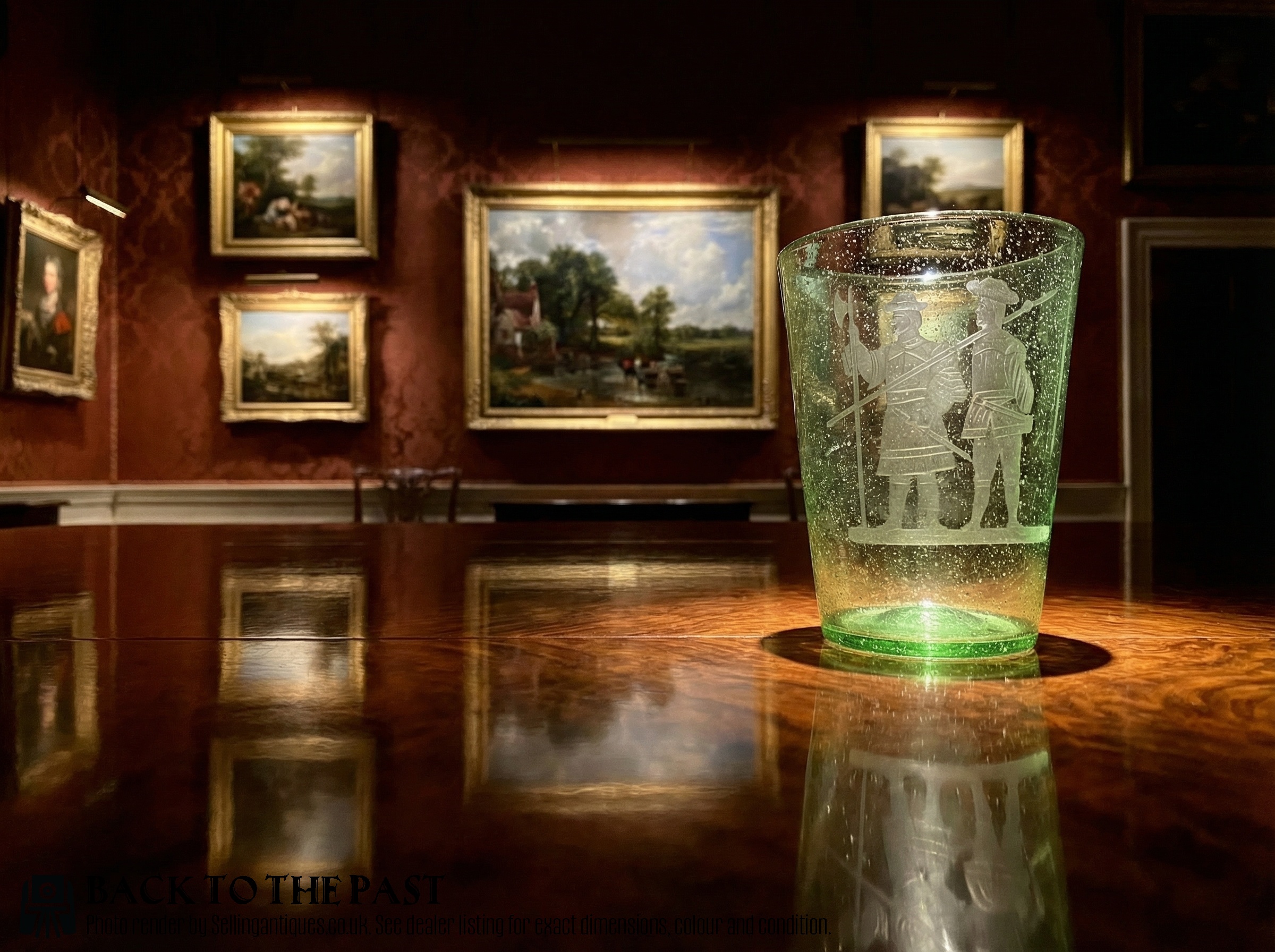
Hand Blown Glass Vase
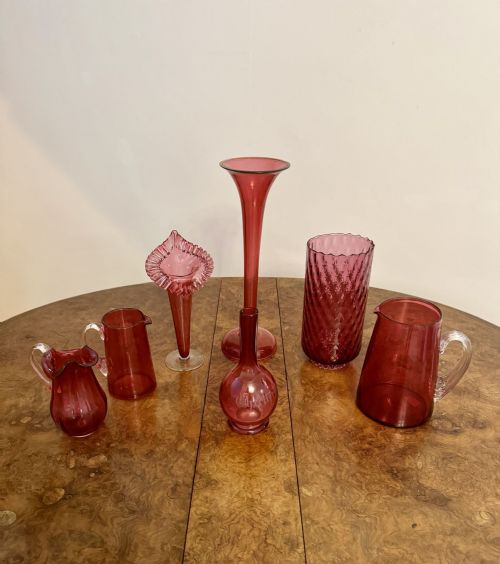
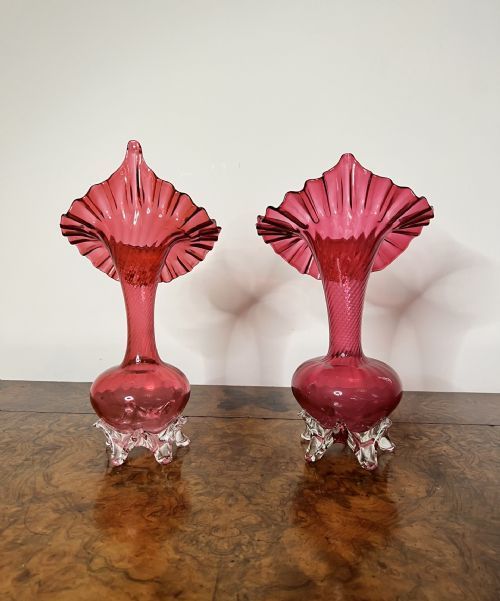
A hand blown glass vase takes many forms across this selection, from tall trumpet epergnes and jack in the pulpit shapes to sturdy beakers and large pickling jars. You will frequently encounter Victorian cranberry glass items alongside pieces in green glass, pink cranberry, and clear soda glass.
The origins span English, French, Venetian-inspired, and Bohemian workshops, moving from 18th-century engraved examples into the 19th century and through Art Nouveau and Art Deco periods. Many pieces serve as decorative focal points, while others function as multi-trumpet epergnes or storage jars.
How they were made
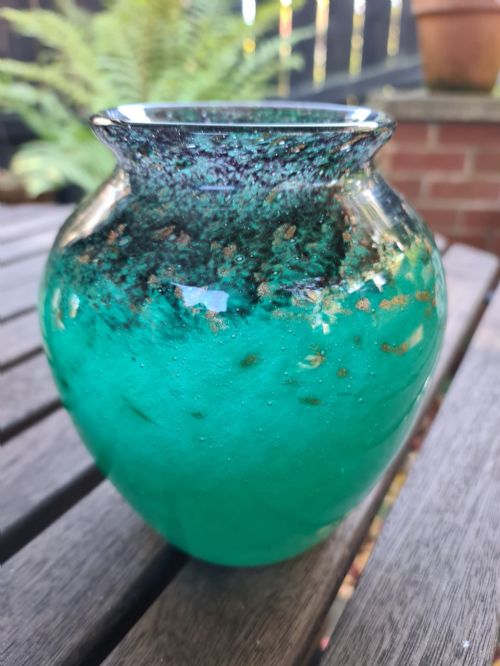
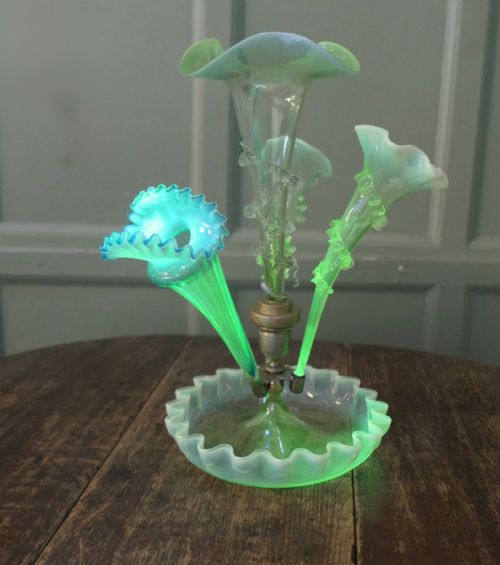
Makers shaped molten material by hand blowing, often incorporating aventurine, enamel decoration, or layered effects such as cranberry over crystal. Some vessels feature applied brass mounts or uranium content that creates a distinctive glow under ultraviolet light.
The techniques rely on skilled manipulation of hot glass, producing variations in wall thickness, bubble distribution, and form that distinguish individual pieces.
Hand Blown Glass Vase Retail Price Guide 2026
Typical asking prices for hand blown glass vase among the pieces listed under this phrase on Sellingantiques today, from the lower quarter to the upper quarter. They describe what is for sale here now, not the wider market.
One past piece takes the literal form of an Art Deco green glass handbag complete with a handle.
What varies in quality
Depth of colour and clarity set vessels apart, particularly in cranberry and green glass where rich saturation defines the best examples. Fine hand-painted enamelling, crisp wheel engraving, and complex multi-trumpet configurations elevate certain pieces above standard productionware.
The success of the silhouette matters greatly, seen in the balance of a jack in the pulpit rim or the harmonious proportions of a goblet shaped vase.
Vasart Glass·Harry Powell for James Powell·Monart·Vittorio Zecchin for Venini·Daum
The Hand Blown Glass Vase Glossary
- Cranberry Glass
- A rich red-pink glass coloured with gold chloride during production. It appears frequently in Victorian tablewares and epergnes.
- Epergne
- A central table centrepiece featuring multiple trumpets or baskets for fruit and flowers. These often combine cranberry glass and clear glass elements.
- Uranium Glass
- Glass containing uranium dioxide, which produces a vivid green colour and glows brightly under ultraviolet light. It appears in Victorian and early 20th-century pieces.
- Aventurine
- A glass containing suspended metallic particles that glitter within the body. This technique appears in early 20th-century modernist vessels.
- Jack in the Pulpit
- A vase shape with a wide, ruffled rim pulled upward to resemble a flower bloom. Victorian makers produced these in striking pink and cranberry tones.
Hand Blown Glass Vase: Frequently Asked Questions
How do I identify uranium glass?
Uranium glass displays a distinct yellow-green or green colour under normal light. When exposed to ultraviolet light, it emits a bright fluorescent green glow due to the uranium content used in the batch.
This material appears in 19th-century and early 20th-century pieces on this page.
What is cranberry glass?
Cranberry glass is a transparent red-pink material created by adding gold to the molten glass mixture. It gained popularity during the Victorian era for decorative items and tableware.
You will find it shaped into posy vases, cornucopia vessels, and complex epergnes.
How do I care for antique glass?
Antique glass requires gentle cleaning with lukewarm water and mild soap rather than harsh detergents. Avoid sudden temperature changes to protect the material from thermal shock.
Keep pieces out of direct sunlight to preserve any delicate enamel work or painted scenes.