




Antique Glassware Collector
When you search antique glassware collector, you are looking for drinking vessels and tableware spanning the eighteenth century and the year 1900.
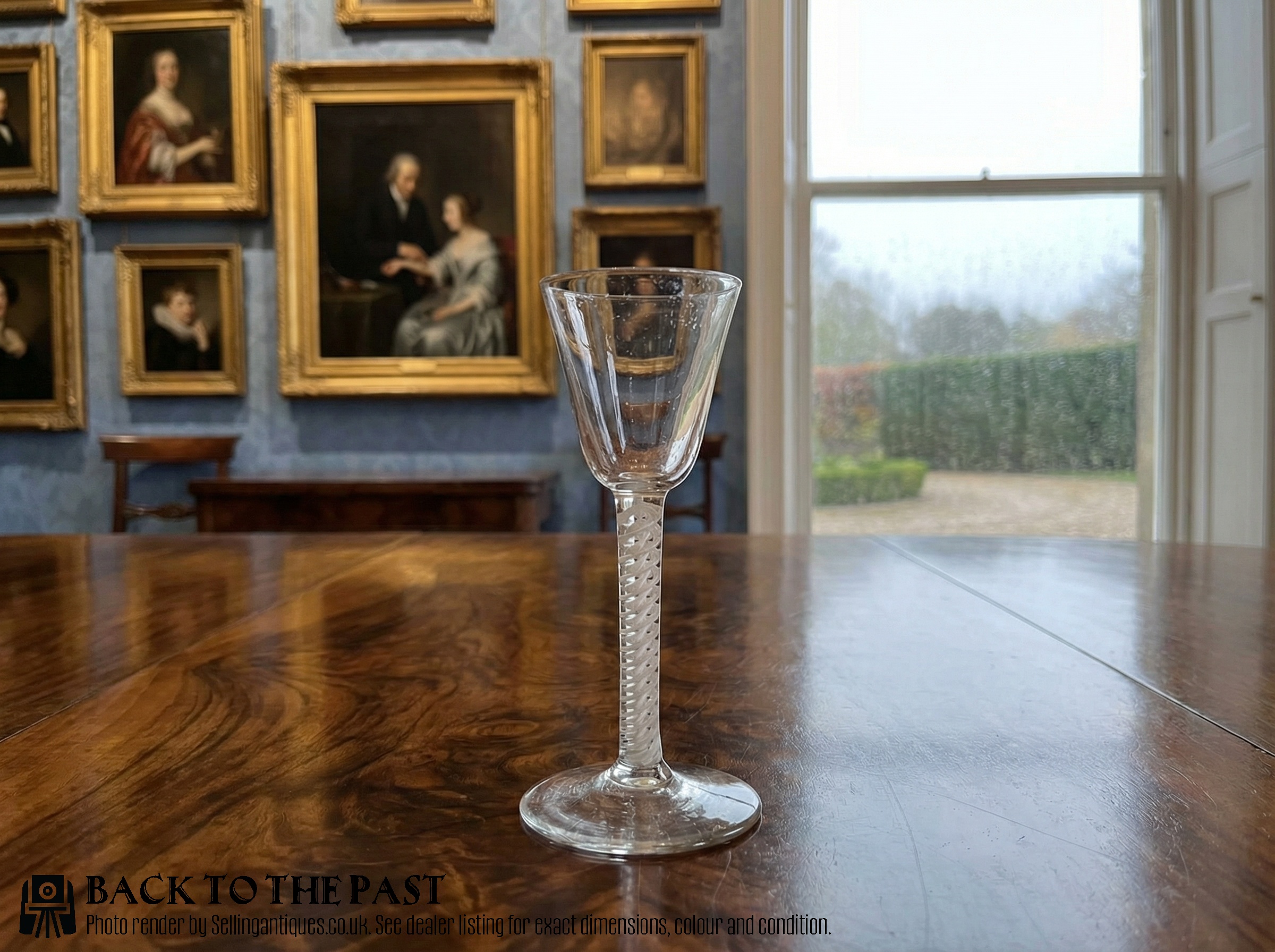
What antique glassware collector pieces are
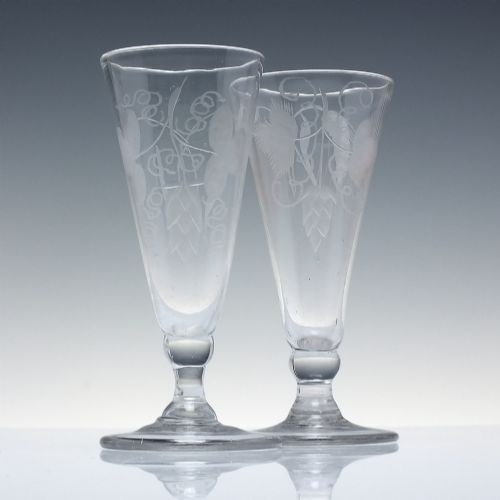
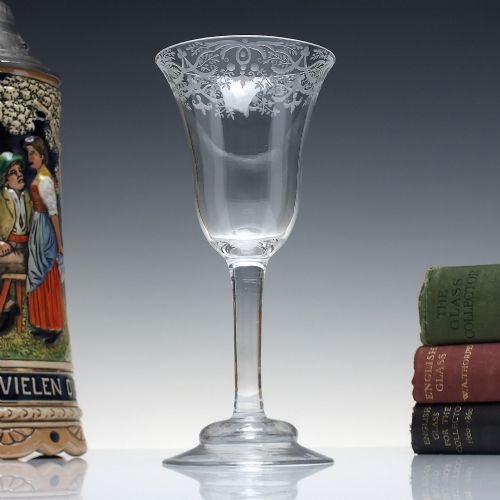
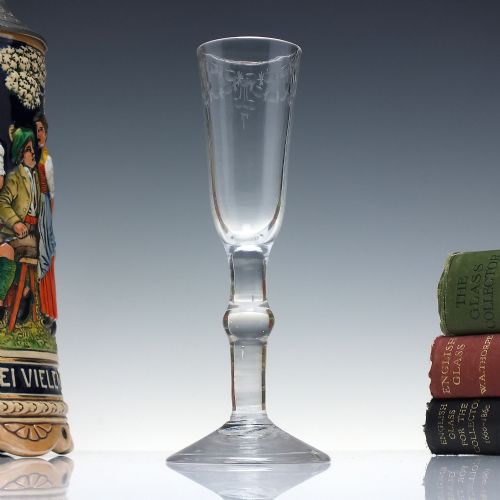
When you search antique glassware collector, you are looking at drinking vessels and display pieces primarily from the Georgian era and the eighteenth century alongside later nineteenth century historicism. The selection you encounter most often on this page consists of wine glasses, beer and ale glasses, goblets, and beakers.
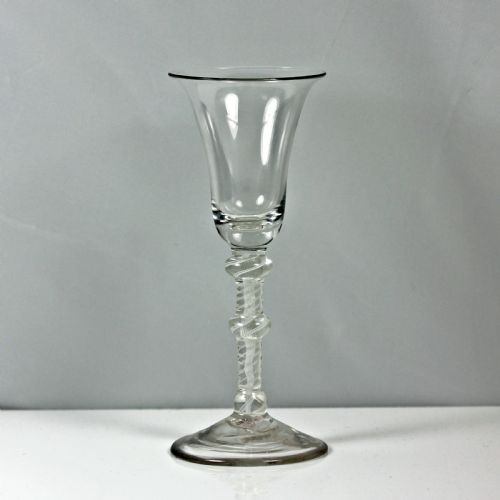
These items range from plain stem and balustroid wine glasses to double series opaque twist and corkscrew twist stem variations. Larger forms such as engraved green glass beaker vases also appear among the offerings.
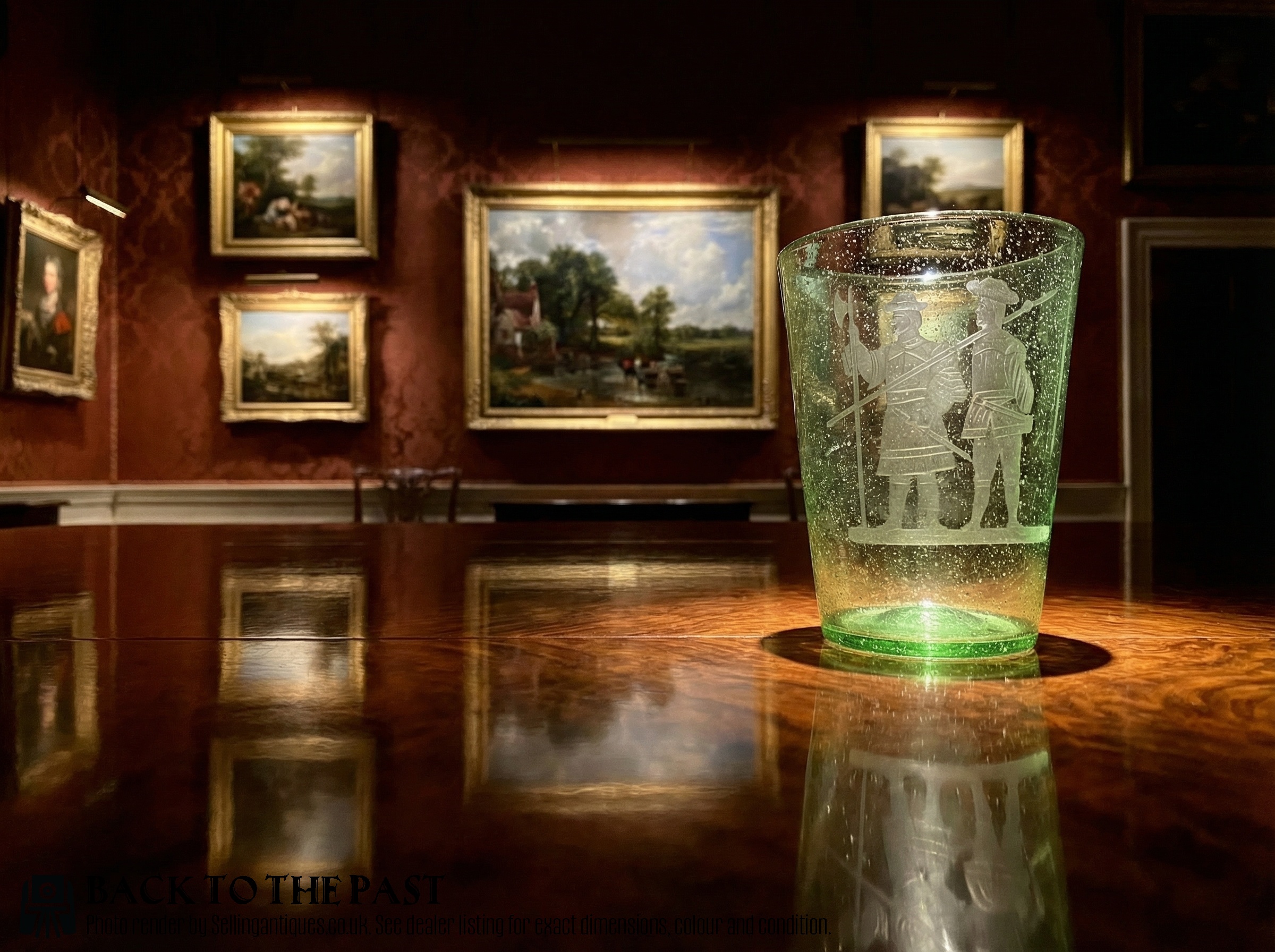
How they were made
The pieces in this category are fashioned from materials including lead glass, flint glass, clear glass, and lead crystal. Makers utilised techniques like hand-blowing to shape the vessels while hot.
Surface decoration was achieved through wheel engraving and the application of enamel, white enamel, and gold leaf. Twist stems were formed inside the glass matrix during the manipulation of the molten material.
Retail Price Guide 2026
Typical UK retail prices for glassware collector, calculated from the Sellingantiques database of over a million retail prices indexed since 2003. This retail price guide relies exclusively on Sellingantiques data; no external sources or auction records are used, so the figures do not describe the wider market.
Listings feature lead glass, flint glass, and lead crystal objects spanning the eighteenth century and the year 1900.
What varies in quality
Quality differences in these objects rest upon the complexity of the stem formation and the precision of the engraving. Simple plain stems sit at one end of the spectrum, while intricate double series twists and knops demand greater technical skill from the glassblower.
The clarity of the lead glass and lead crystal alongside the crispness of applied enamel and gold leaf detail distinguish finer examples from standard production.
Fritz Heckert
The Antique Glassware Collector Glossary
- Lead glass
- A type of glass containing lead oxide that increases weight, brilliance, and workability for cutting and engraving. This material forms the body of many eighteenth-century drinking vessels.
- Opaque twist
- A stem decoration created by enclosing white or coloured enamel threads within a clear glass rod and twisting it during manufacture. Double series versions incorporate multiple sets of spirals.
- Knop
- A knob or swelling on the stem of a glassware piece that adds weight and decorative contour. Multiple knops appear on several Georgian wine glass stems.
- Enamel
- An opaque glassy substance fused to the surface of glassware through firing. It provides colour and pictorial detail in historicism and eighteenth-century pieces.
- Balustroid
- A stem form derived from architectural balusters, featuring a swelling upper portion tapering downward. This profile is characteristic of certain Georgian drinking vessels.
Frequently Asked Questions
What is an antique wine glass?
An antique wine glass from this selection is a drinking vessel dating to the eighteenth century or the Georgian period, characterised by hand-blown forms and distinct stem constructions.
These pieces reflect the prevailing tavern and dining table fashions of their respective eras, utilising materials like lead glass and flint glass.
How do I identify a twist stem?
A twist stem contains internal threads of air or enamel encased within the clear glass rod of the stem. Makers produced these by manipulating molten glass rods before drawing and twisting them.
Single and double series opaque twists represent notable variations found within eighteenth-century drinking vessels.
How do I care for antique glass?
Antique glass requires gentle handling and hand washing in lukewarm water with mild detergent to preserve its surface. Avoid sudden temperature changes to protect fragile hand-blown walls and historic materials.
Display vessels away from direct sunlight and vibration to maintain their condition over time.