
Georgian Drinking Glasses
Georgian drinking glasses bring eighteenth-century social life directly to the table through fine lead glass forms crafted for wine, ale, and spirits.
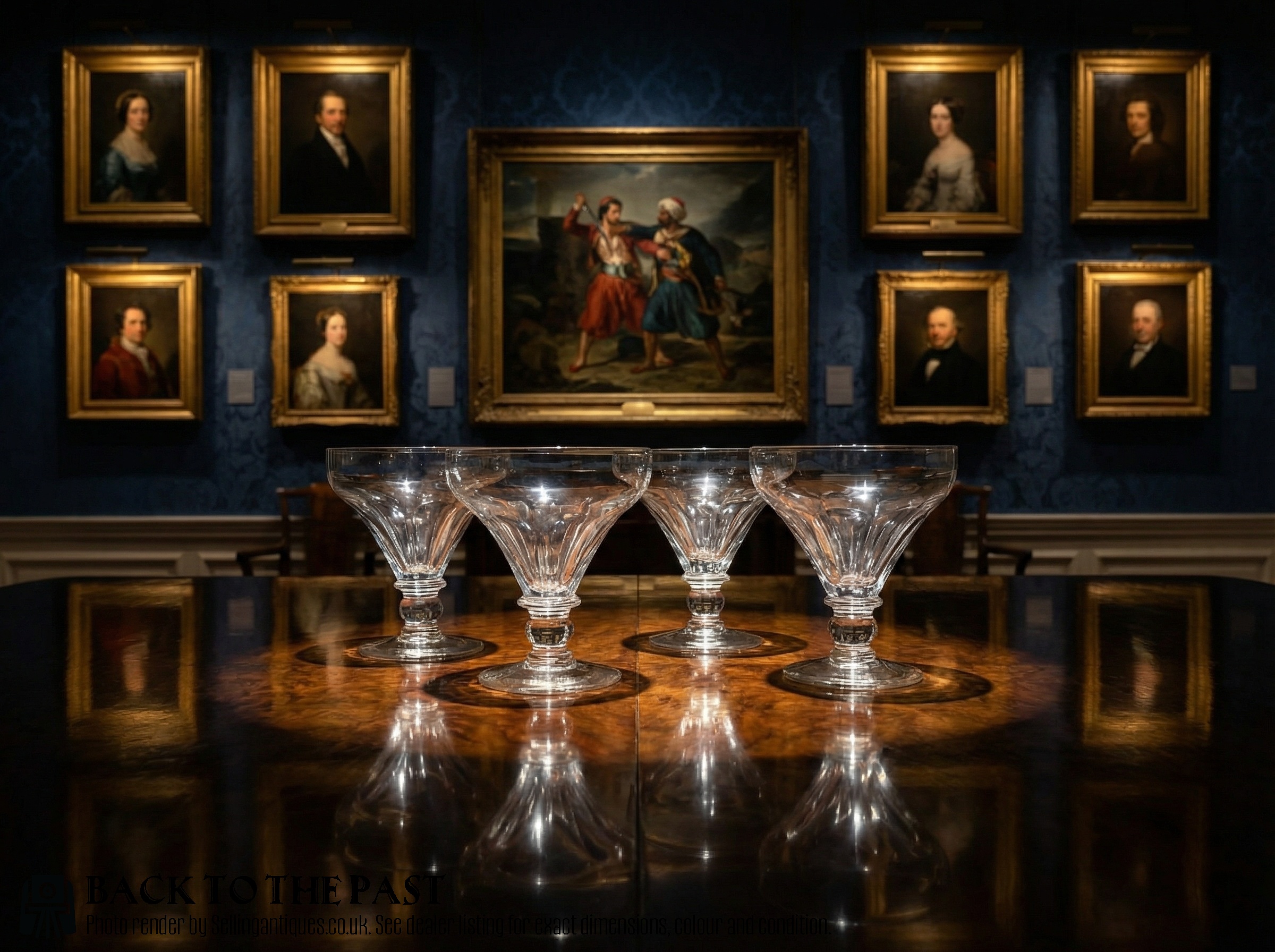
Georgian Drinking Glasses
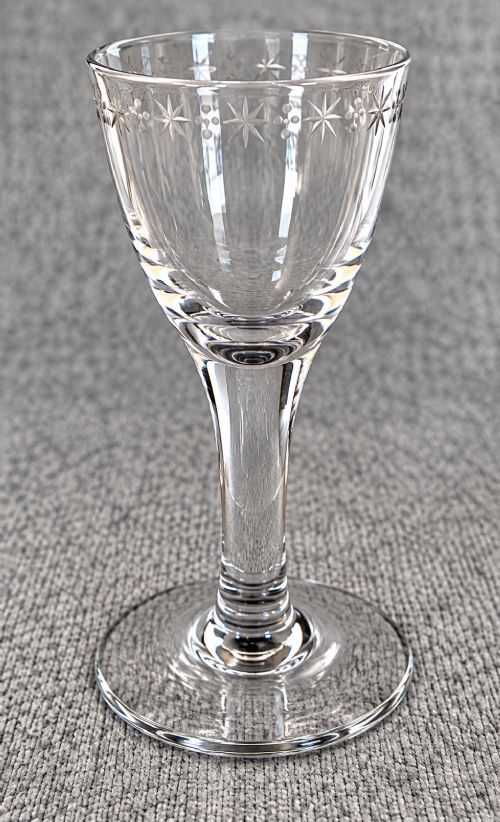
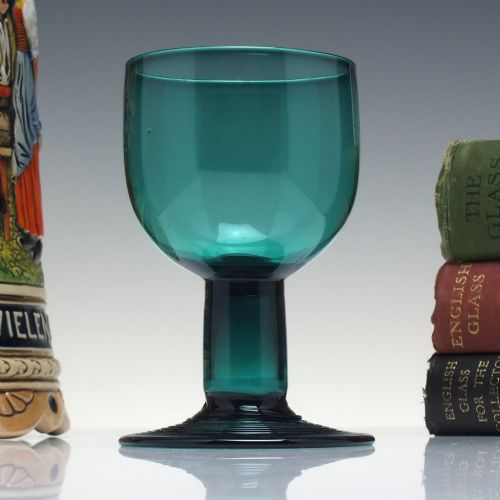
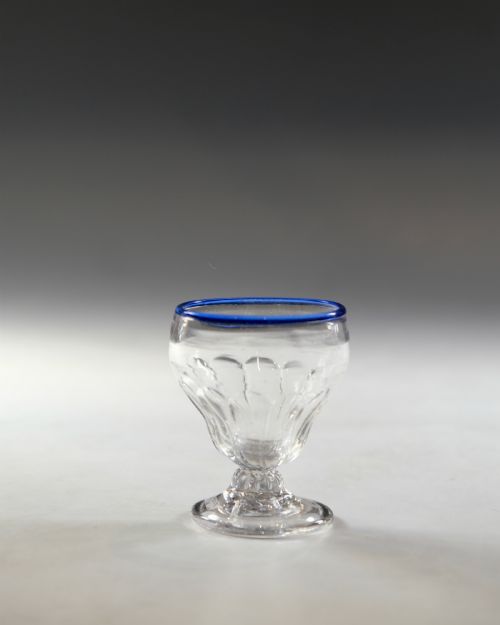
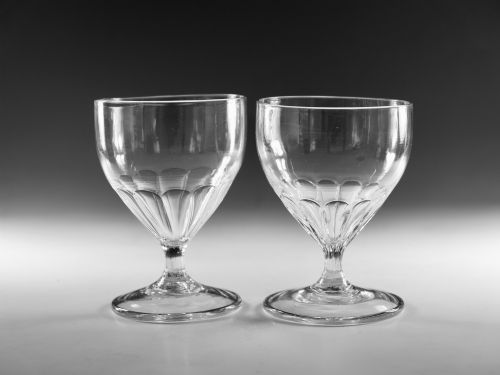
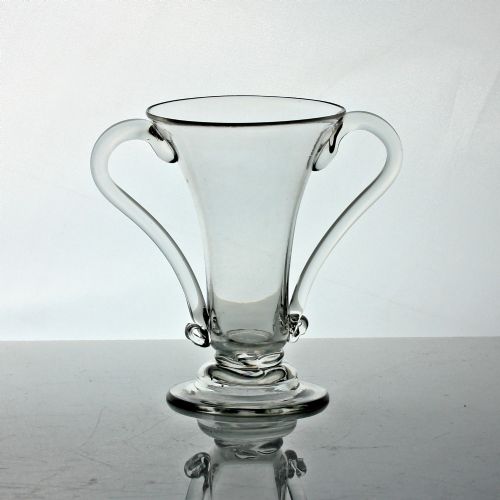
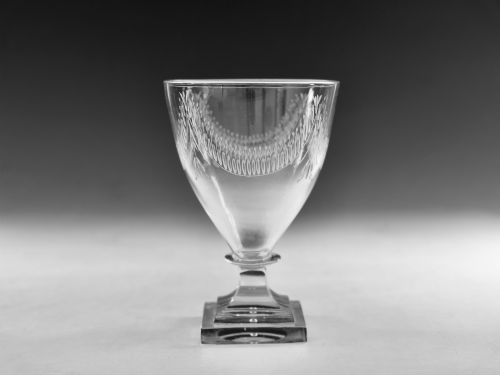
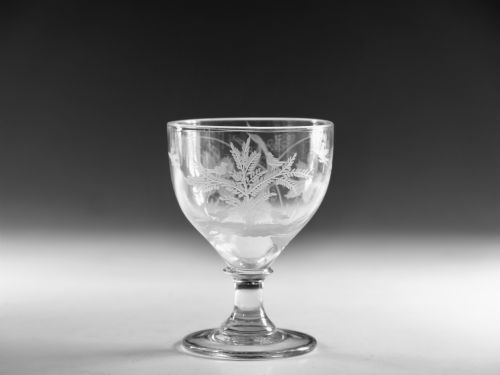
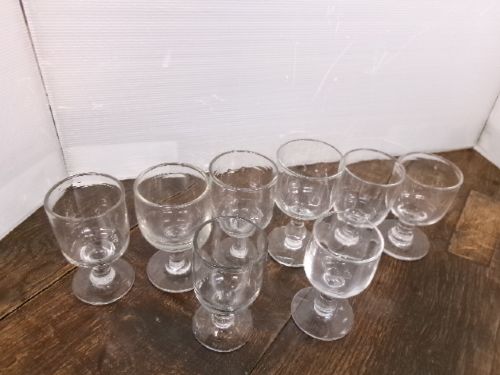
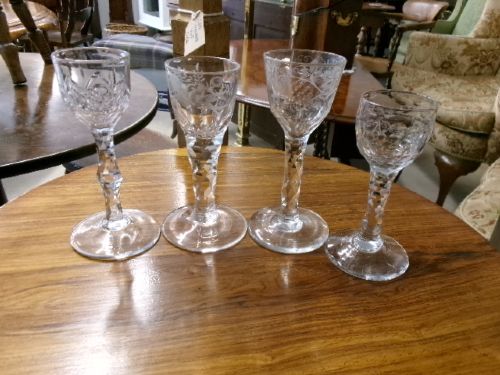
Georgian drinking glasses encompass a wide range of antique glassware designed for wine, ale, drams, rum, and sweetmeats during the eighteenth and early nineteenth centuries. The pieces on this page appear mostly as wine glasses and rummers, originating predominantly from the eighteenth century alongside later Georgian revival items.
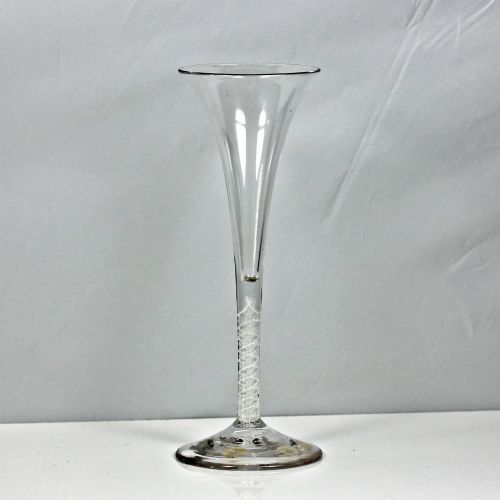
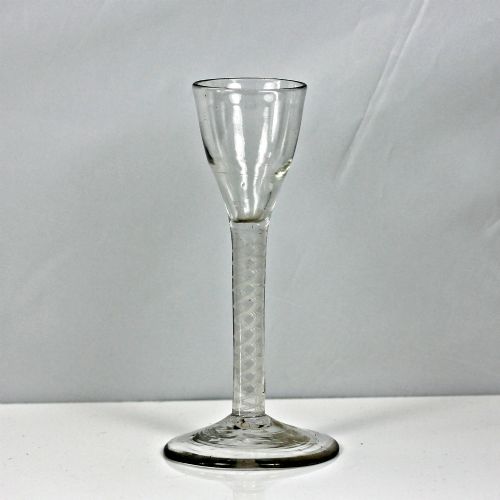
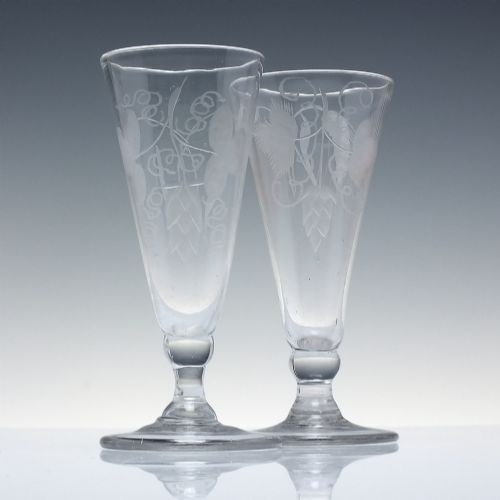
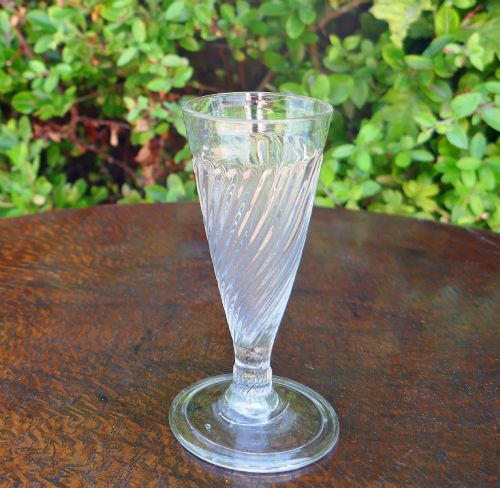
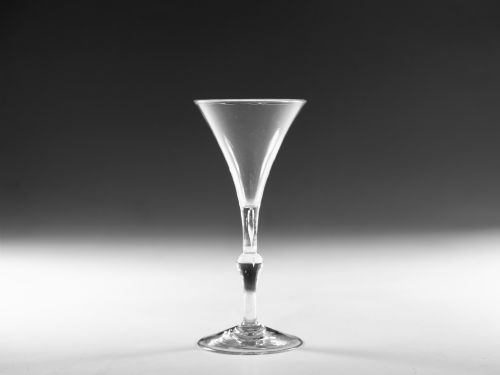
Collectors encounter specific forms such as balustroid stems, firing glasses with thick feet, tall wine flutes, and jelly glasses. Bowls take various shapes, including pan top, trumpet, ogee, and bell profiles, often resting on folded feet or wide bases.
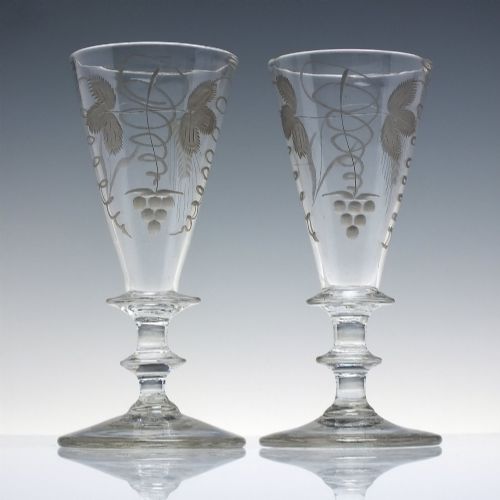
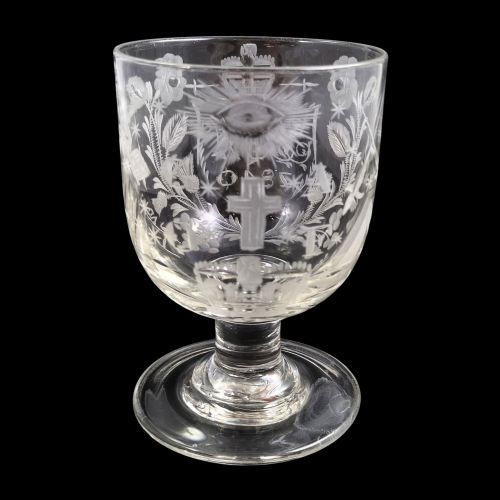
Engraving frequently decorates the bowls with motifs like swags and tails, or historical subjects including Jacobite symbols. Twist stems remain prominent, featuring air twist, opaque twist, and mixed twist formations within the glass structure.
Assessing quality and finish
Quality rests on the precision of the stem formation and the delicacy of the wheel engraving on the bowl. Crisp execution in air and opaque twists distinguishes finer pieces from simpler domestic glass.
Georgian Drinking Glasses Retail Price Guide 2026
Typical asking prices for georgian drinking glasses among the pieces listed under this phrase on Sellingantiques today, from the lower quarter to the upper quarter. They describe what is for sale here now, not the wider market.
Some firing glasses have feet so thick they could survive a toast slammed hard enough to crack the tavern table.
The Georgian Drinking Glasses Glossary
- Balustroid stem
- A stem form derived from architectural balusters, featuring knops and swelling profiles characteristic of mid-eighteenth-century English glass.
- Opaque twist
- A stem containing internal threads of white or coloured enamel twisted within the clear glass rod.
- Air twist
- A stem enclosing elongated bubbles of air drawn into a spiral configuration during manufacture.
- Rummer
- A capacious drinking glass popular from the late eighteenth century onwards, used for punch, rum, or beer.
- Firing glass
- A heavy-footed glass designed to be banged on a table instead of toasted, used during fraternal gatherings.
Georgian Drinking Glasses: Frequently Asked Questions
What is an opaque twist stem?
An opaque twist stem contains fine threads of white enamel encased inside the clear lead glass rod. These threads are spun into spiral patterns during the blowing process.
This technique gained popularity in the mid-eighteenth century as an alternative to air twists.
Were these glasses used daily?
Many Georgian drinking glasses served specific social functions during dinners, taverns, and club meetings. Different shapes accommodated wine, ale, whisky drams, and sweetmeats according to the beverage served.
Today, collectors often display them rather than use them for dining.
What is a rummer?
A rummer is a large, sturdy drinking glass designed for spirits, punch, or ale around the turn of the nineteenth century. They usually feature bucket-shaped bowls set on short stems and wide feet.
Some examples include celebratory or personal engravings on the bowl.