
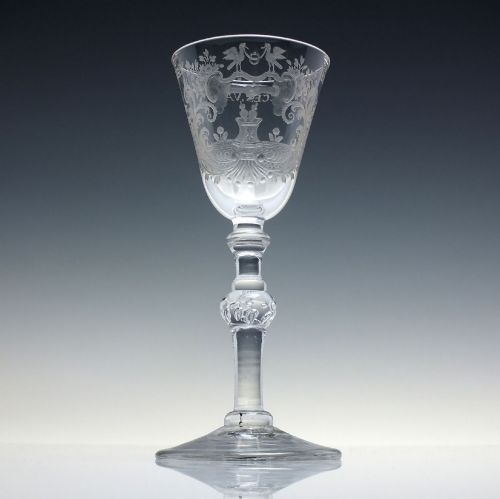
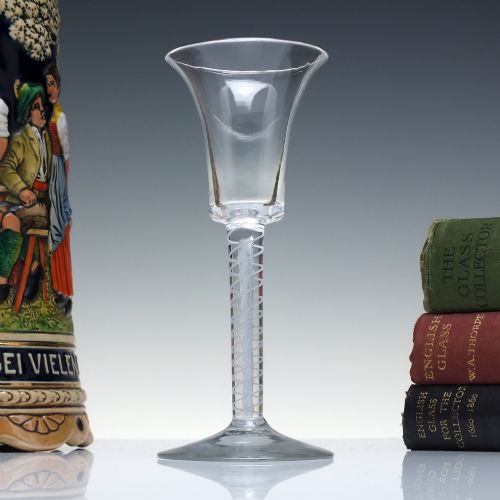
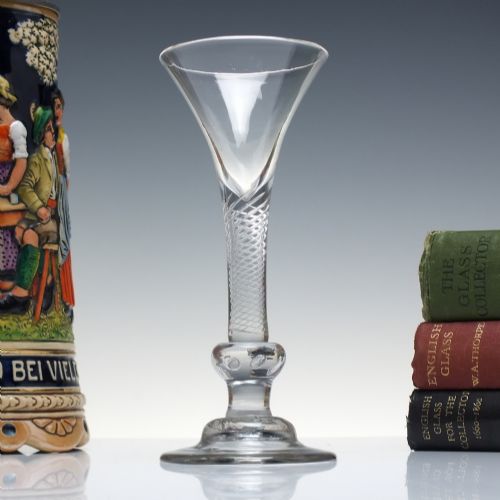
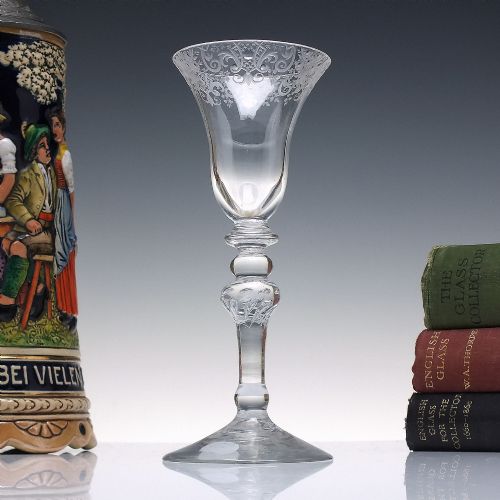
Flint Glass Wine Goblet
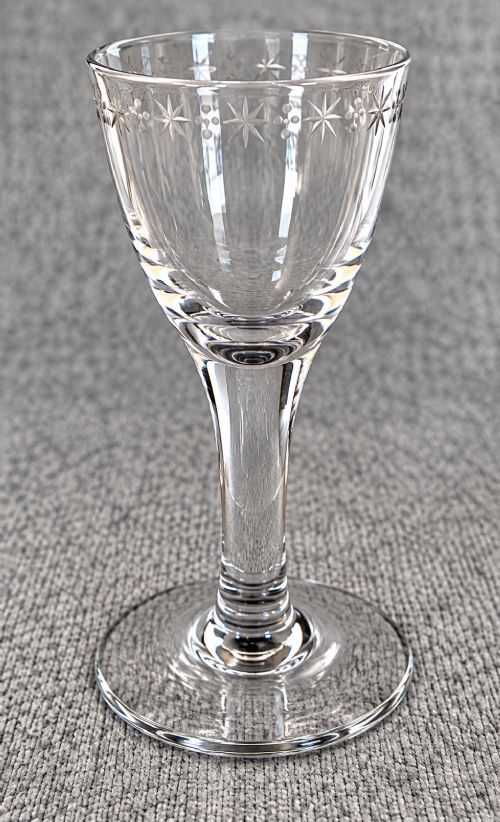
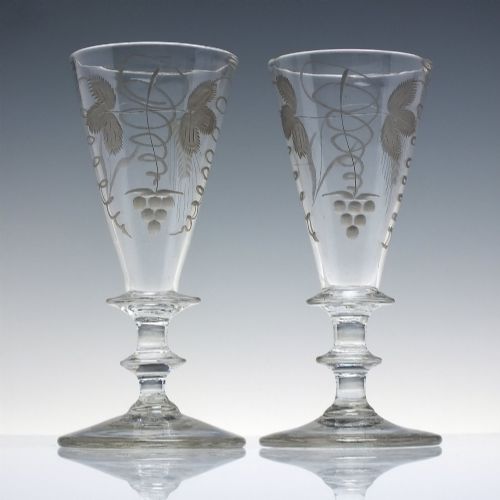
These flint glass wine goblet pieces carry the weight and clarity of Georgian and Victorian drinking vessels.
Flint Glass Wine Goblet
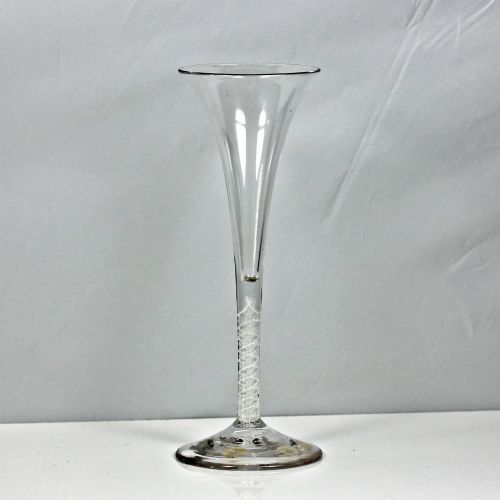
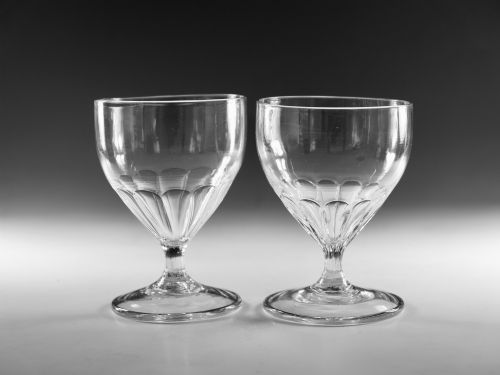
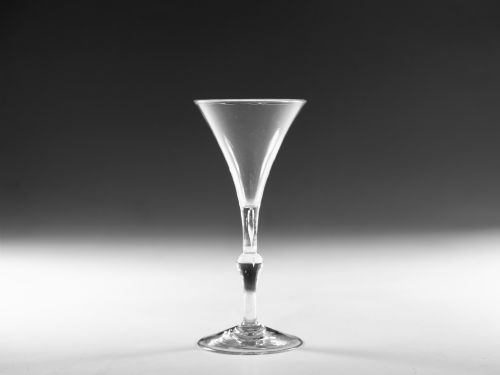
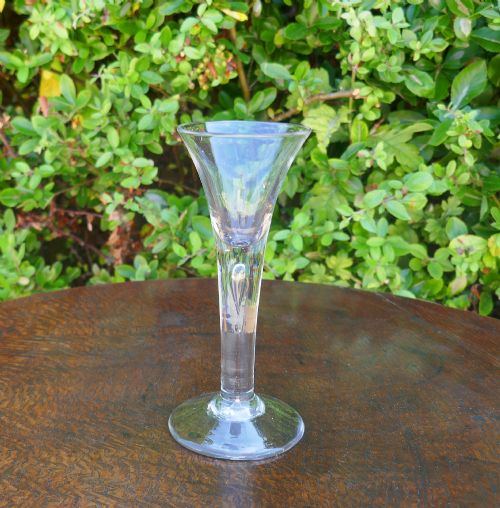
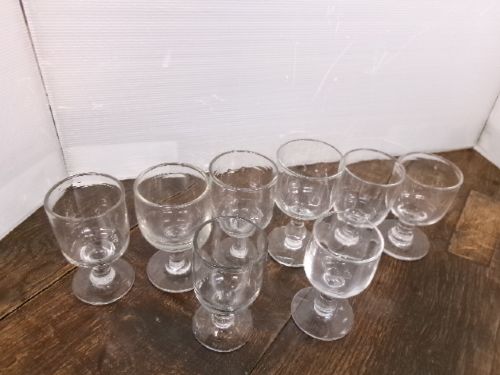
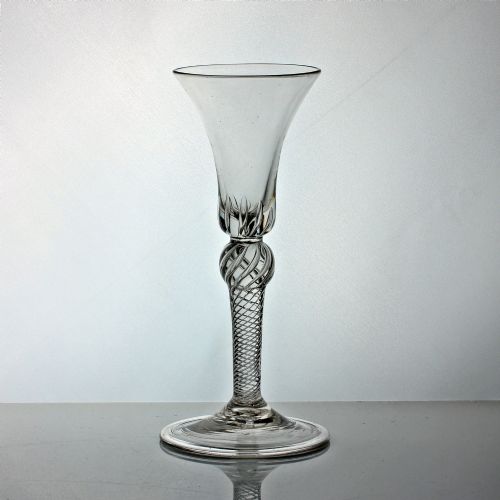
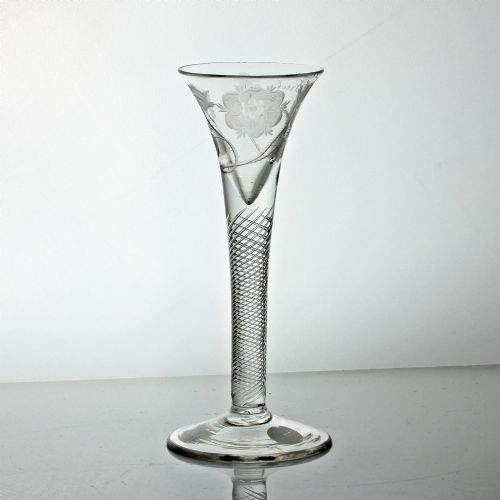
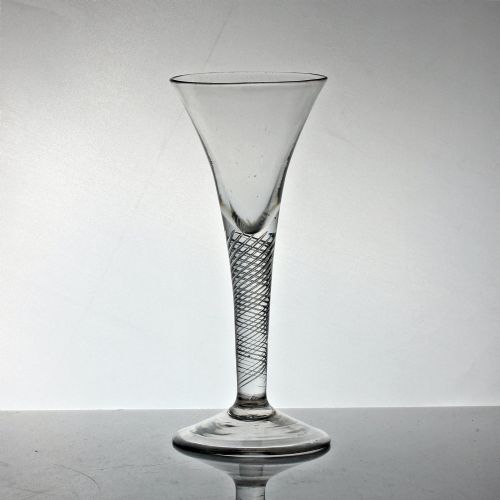
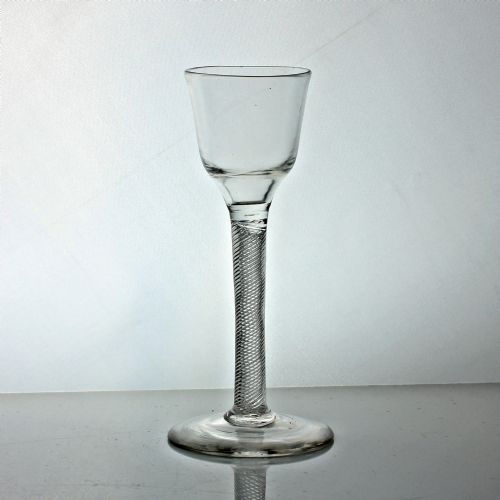
When you search for a flint glass wine goblet, you are looking at drinking vessels that span the eighteenth and nineteenth centuries, including Georgian and Victorian examples. These pieces take forms such as trumpet bowls, ovoid bowls, rummers, and stemware.
The items found here originate primarily from the eighteenth century, labelled under periods like Queen Anne, George II, and the broader Victorian era. They range from simple plain stem wine glasses to elaborate baluster and twist stem formats.
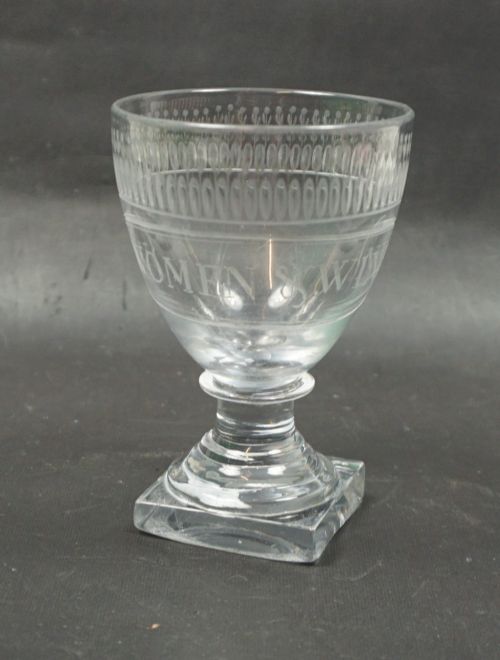
Buyers will encounter various bowl shapes including bell, pan top, ogee, and flared bucket designs. Many feature folded feet, domed feet, or square lemon squeezer bases.
How they were made
These vessels are formed from lead glass, clear glass, lead crystal, flint glass, and enamel glass, utilising heavy metal oxides to achieve brilliance. Makers shaped the molten material by hand, incorporating air bubbles into stems or drawing out the metal into baluster and twist formations.
Decoration includes wheel engraving, often depicting floral, heraldic, or commemorative motifs, alongside flute-moulding on bowls. Complex stems are created using multi-spiral air twists, double series opaque twists, and mixed twist techniques.
Components such as folded feet and square lemon squeezer feet are manipulated while hot or pressed into moulds to provide stability and distinct architectural profiles.
Flint Glass Wine Goblet Retail Price Guide 2026
Typical asking prices for flint glass wine goblet among the pieces listed under this phrase on Sellingantiques today, from the lower quarter to the upper quarter. They describe what is for sale here now, not the wider market.
What varies in quality
Quality rests upon the crispness of the glass metal and the dexterity displayed in forming the stem and bowl. Superior examples show high light refraction in the lead crystal alongside precise, even wall thickness.
In twisted stems, the regularity and containment of the air threads or opaque enamel threads dictate the standard of execution. The balance between bowl, stem, and foot proportions governs the visual weight of the piece.
Engraved decoration demonstrates varying degrees of skill, where deeper, cleaner wheel cuts distinguish accomplished execution from simpler surface scratching.
The Flint Glass Wine Goblet Glossary
- Air twist
- A stem containing spiral threads of enclosed air created during manufacture. These threads catch the light within the clear metal.
- Lemon squeezer foot
- A square, moulded glass base with sloping sides that resembles a kitchen lemon squeezer. Found on rummers and glasses from around eighteen hundred.
- Opaque twist
- A stem containing white or coloured enamel threads twisted within the clear glass. These produce striking opaque white ribbons.
- Rummer
- A large, robust drinking glass used for wine, ale, or punch during the Georgian and Victorian periods. They typically feature stout bowls and sturdy feet.
- Folded foot
- A glass foot where the outer rim is turned underneath to create a thickened, rounded edge. This technique adds strength to the base of the vessel.
Flint Glass Wine Goblet: Frequently Asked Questions
How do I date a wine glass?
Dating relies on combining the form of the bowl, the construction of the stem, and the shape of the foot. Eighteenth-century pieces frequently employ baluster or twist stems, while later nineteenth-century examples often present as heavier rummers.
Changes in glass chemistry, such as the introduction of lead crystal, and stylistic shifts from Queen Anne to Victorian aesthetics also guide dating.
What is an air twist stem?
An air twist is a decorative stem containing elongated bubbles drawn into a spiral thread inside the clear metal. Makers achieved this by piercing hot glass with a pin before stretching and twisting the mass.
This technique creates internal channels that refract light without adding external texture to the stem surface.
Why are some feet folded?
Makers folded the rim of the foot underneath during the blowing process to add physical weight and reinforce the weakest edge of the vessel. This practice was common on earlier eighteenth-century drinking glasses.
It provides tactile evidence of early manufacturing techniques designed to prevent chipping during daily tavern or household use.
What are lemon squeezer bases?
Lemon squeezer bases are square, moulded feet with steeply sloping sides that mimic the profile of a kitchen juicer. They appeared predominantly around eighteen hundred on heavy rummers and related glassware.
This moulded form gave stability to taller drinking vessels used in domestic settings.