

Clear Lead Glass Goblet
When you search for a clear lead glass goblet, you enter a world of heavy-drinking vessels shaped by eighteenth- and nineteenth-century hands.

Clear Lead Glass Goblet
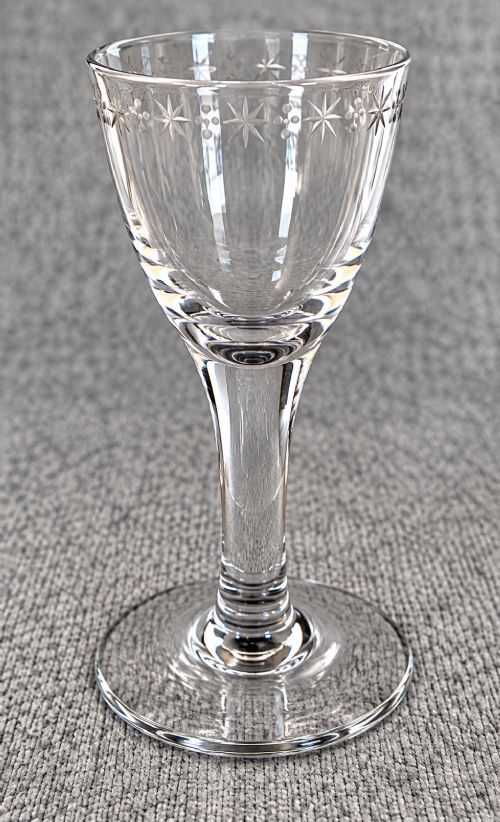
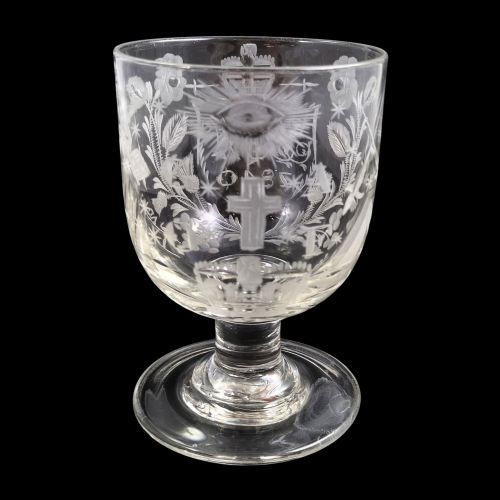
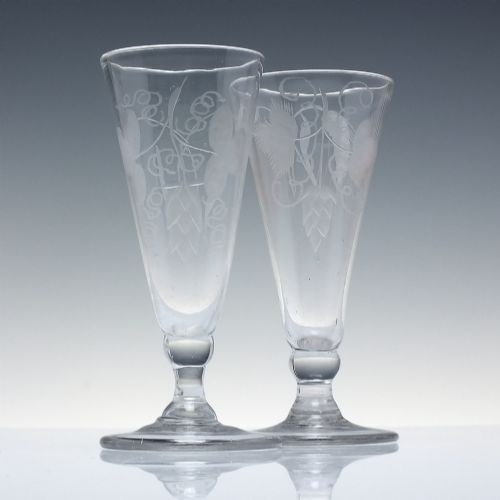
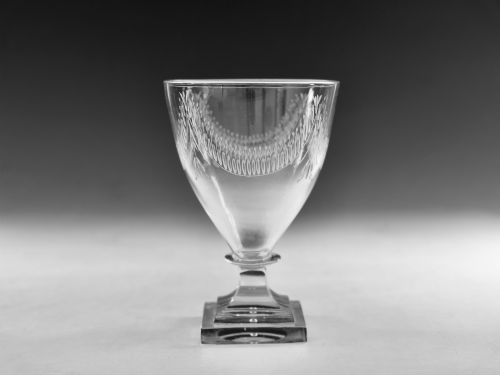
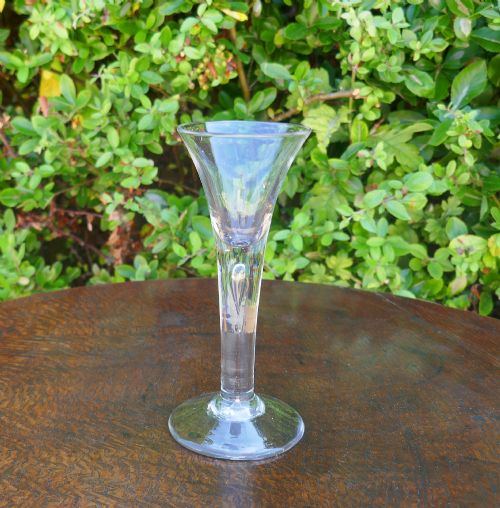
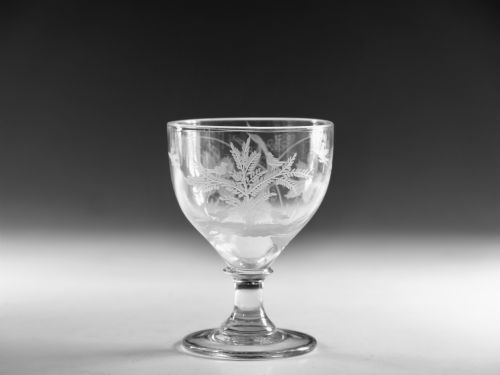
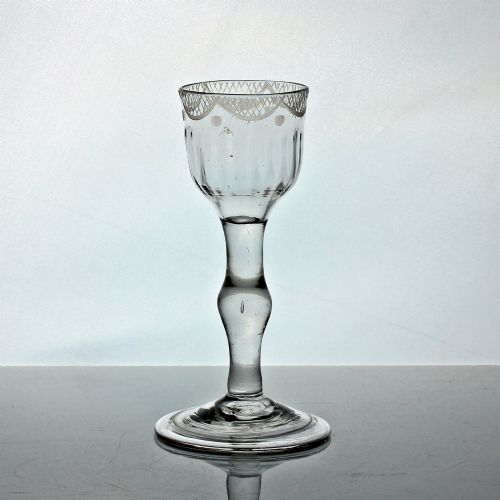
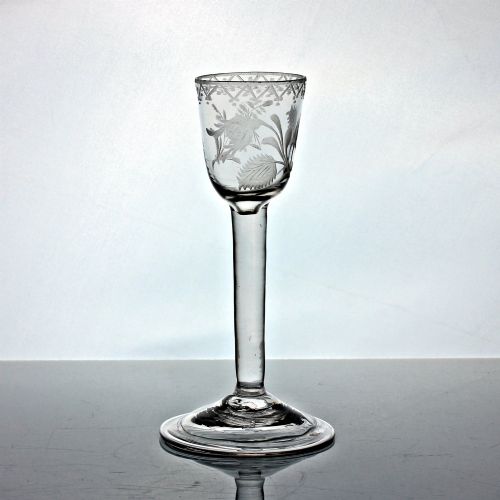
A clear lead glass goblet encompasses a diverse range of drinking vessels, spanning dram glasses, rummers, and wine goblets found across Georgian, Regency, and Victorian periods. Buyers encounter forms designed for ale, beer, wine, and spirits, often bearing engraved motifs like hops and barley or armorial crests.
The objects listed on this page originate predominantly from eighteenth-century workshops alongside nineteenth-century examples. Common silhouettes include balustroid stems, trumpet bowls, and ogee shapes supported by folded feet or wide bases.
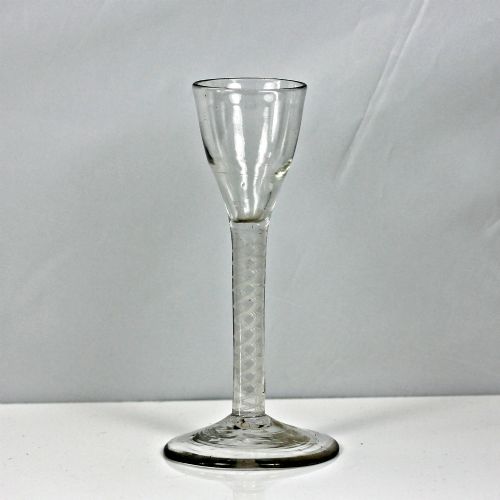
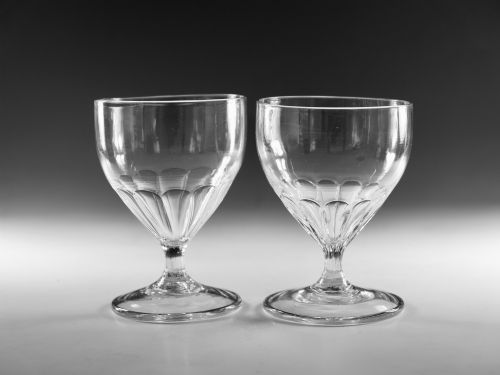
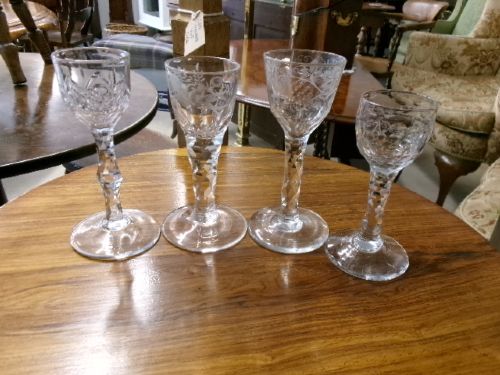
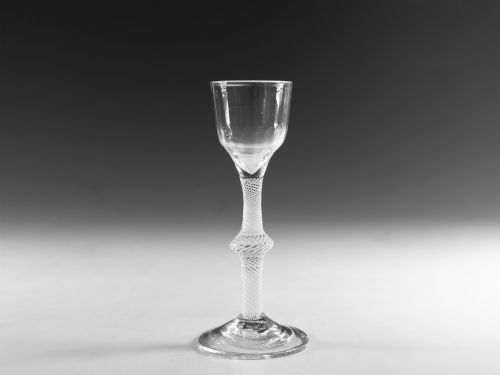
Rummers and heavy baluster wine goblets represent the larger end of the scale, while single series opaque twists and air twists occupy the refined drinking glass category. Each piece reflects the functional requirements of dining and social rituals from the seventeen-hundreds onward.
Materials and construction methods
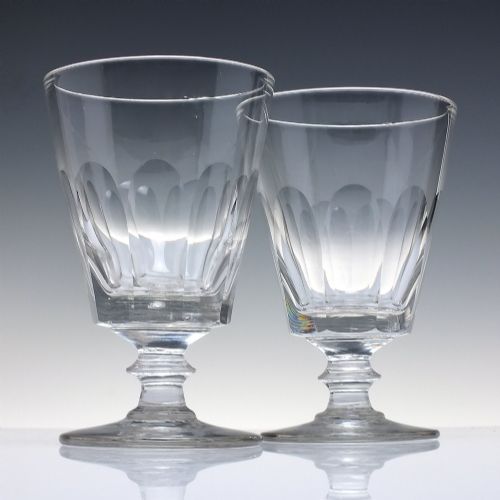
Maker operations utilised heavy lead glass, flint glass, and clear crystal to achieve brilliance and weight in each vessel. These dense materials allowed artisans to manipulate the metal while hot, pulling air bubbles into stems or moulding petal patterns into bowls.
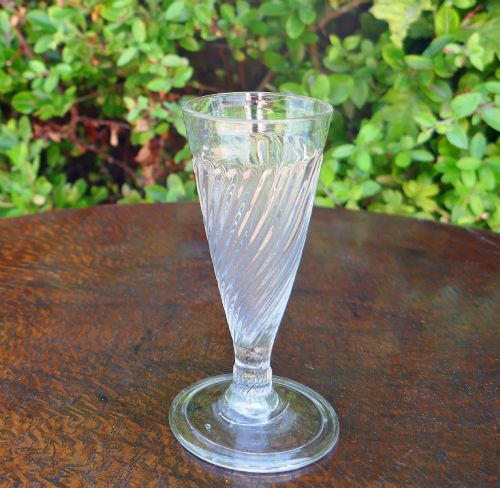
Techniques recorded in the evidence include facet cutting, wrythen ribbing, and delicate diamond-point or wheel engraving. Stems were constructed using air twists, opaque twists, or mixed twists, where white enamel threads or air channels became trapped inside the molten metal.
Clear Lead Glass Goblet Retail Price Guide 2026
Typical asking prices for clear lead glass goblet among the pieces listed under this phrase on Sellingantiques today, from the lower quarter to the upper quarter. They describe what is for sale here now, not the wider market.
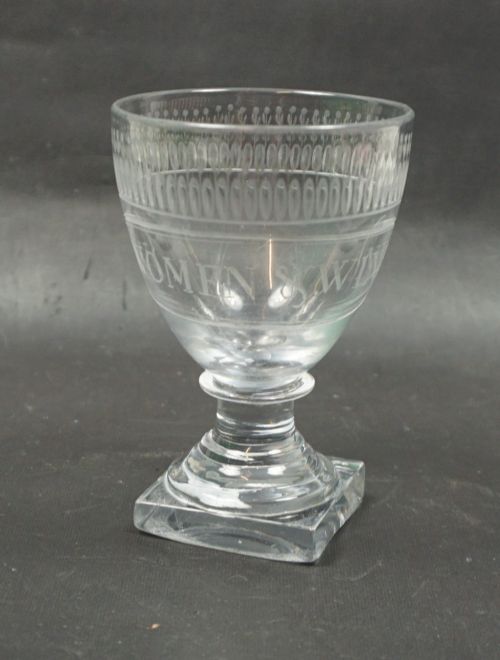
One unusual vessel on record bears the inscription Women & Wine, capturing eighteenth-century social sentiments in clear lead crystal.
Distinguishing quality across periods
Quality rests in the precision of the glasshouse forming process and the clarity of the metal itself. Heavy lead crystal displaying strong refraction and minimal cloudiness sits at the upper end of the scale.
The dexterity required to execute complex twist stems, multi-knop profiles, and balanced facet cutting defines the superior examples. Engraving depth and artistic execution on bowls also signal the skill level of the original workshop.
The Clear Lead Glass Goblet Glossary
- Air twist
- A stem formation containing spiralling threads of trapped air created by drawing bubbles through the molten metal. This technique requires exceptional control during the drawing and twisting of the hot glass rod.
- Opaque twist
- A stem containing threads of white enamel glass encased within clear flint glass. These threads are wound and pulled into single, double, or mixed configurations.
- Baluster
- A heavy, swelling stem shape reminiscent of architectural pillars, popular in early eighteenth-century drinking vessels. Such stems often feature knops and collar rings.
- Rummer
- A large, sturdy drinking glass introduced in the late eighteenth century for ale, beer, or punch. These vessels typically possess short stems and capacious bowls.
- Folded foot
- A base whose outer edge is turned underneath to form a double layer of glass, adding strength to the resting point. This practice is frequently observed on eighteenth-century forms.
Clear Lead Glass Goblet: Frequently Asked Questions
What is a clear lead glass goblet used for?
These vessels served everyday and ceremonial drinking functions, holding wine, ale, beer, rum, and drams during Georgian and Victorian dining.
Larger rummers accommodated hearty ales and punch, whereas delicate twist stems held fine wines.
How do I date a clear lead glass goblet?
Dating relies on stylistic markers such as stem construction, bowl shape, and foot formation recorded across the Georgian and Victorian eras.
Air twists and heavy balusters typically point to the mid-eighteenth century, while heavy cut rummers suggest nineteenth-century manufacture.
What is an air twist stem?
An air twist stem contains elongated, spiralling bubbles trapped inside the clear metal during the pulling process.
Glassmakers formed these channels by piercing hot metal with pins before twisting the rod.
Why do some goblets have folded feet?
Makers folded the rim of the foot underneath to create a thicker, more durable edge that resisted chipping during tavern or dining table use.
This construction detail is common on eighteenth-century wine and ale glasses.