




Baluster Stem Glass
A baluster stem glass brings the heavy, brilliant substance of eighteenth-century drinking vessels straight to your table.
Identifying the baluster stem glass
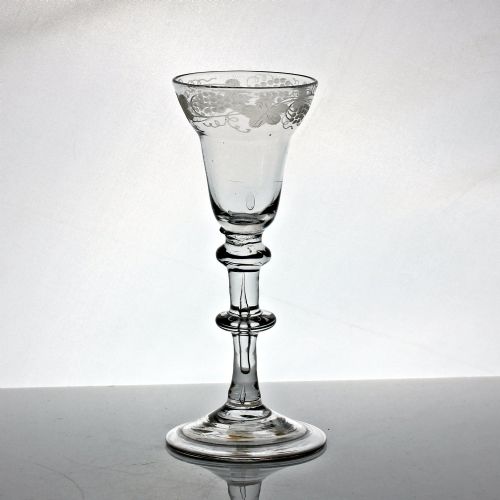
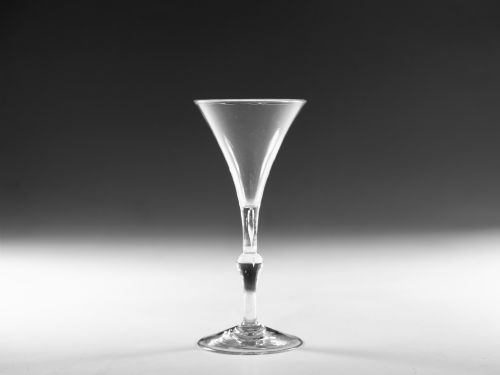
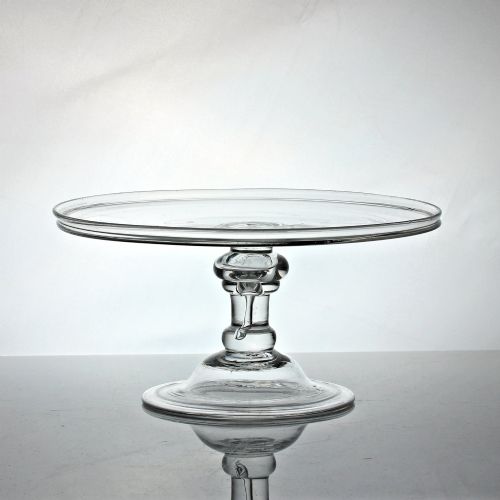
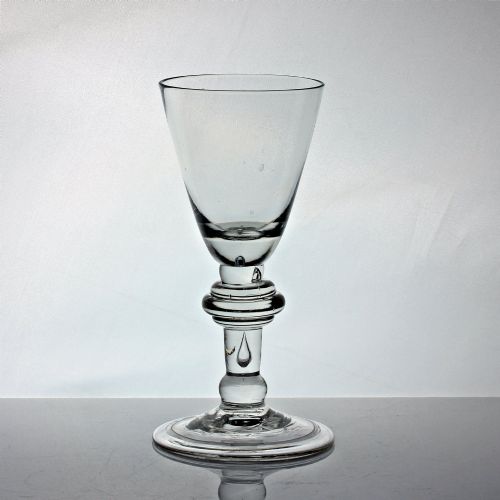
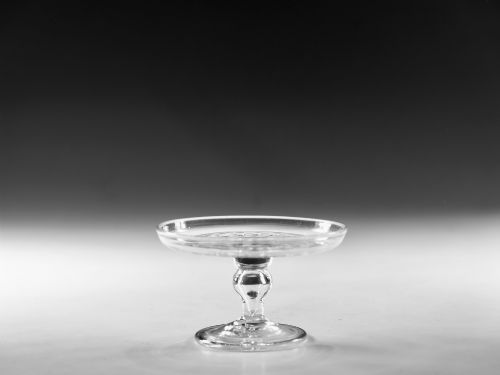
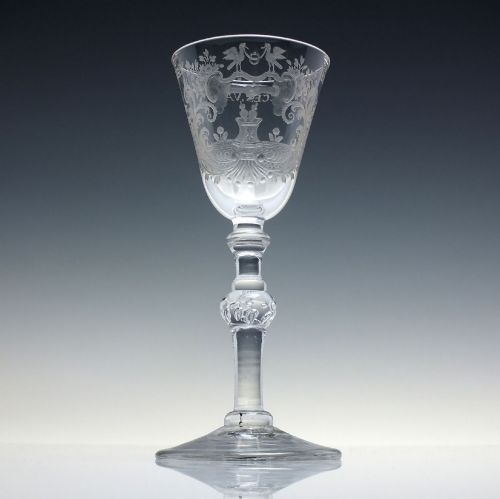
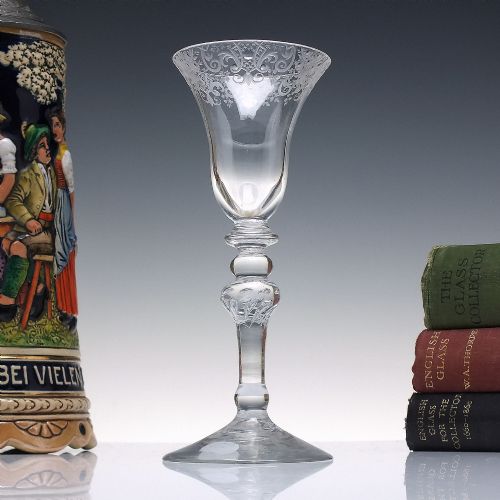
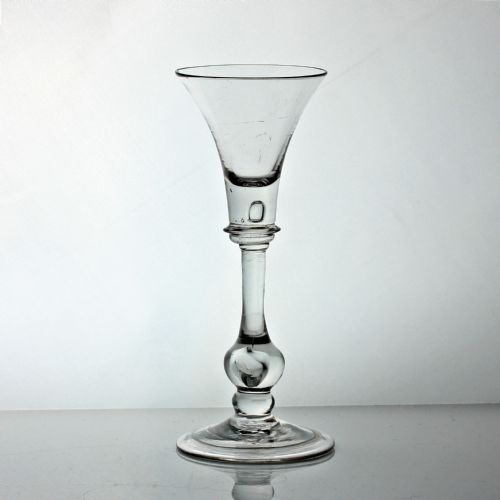
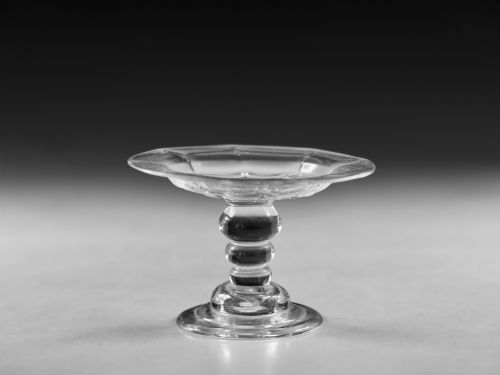
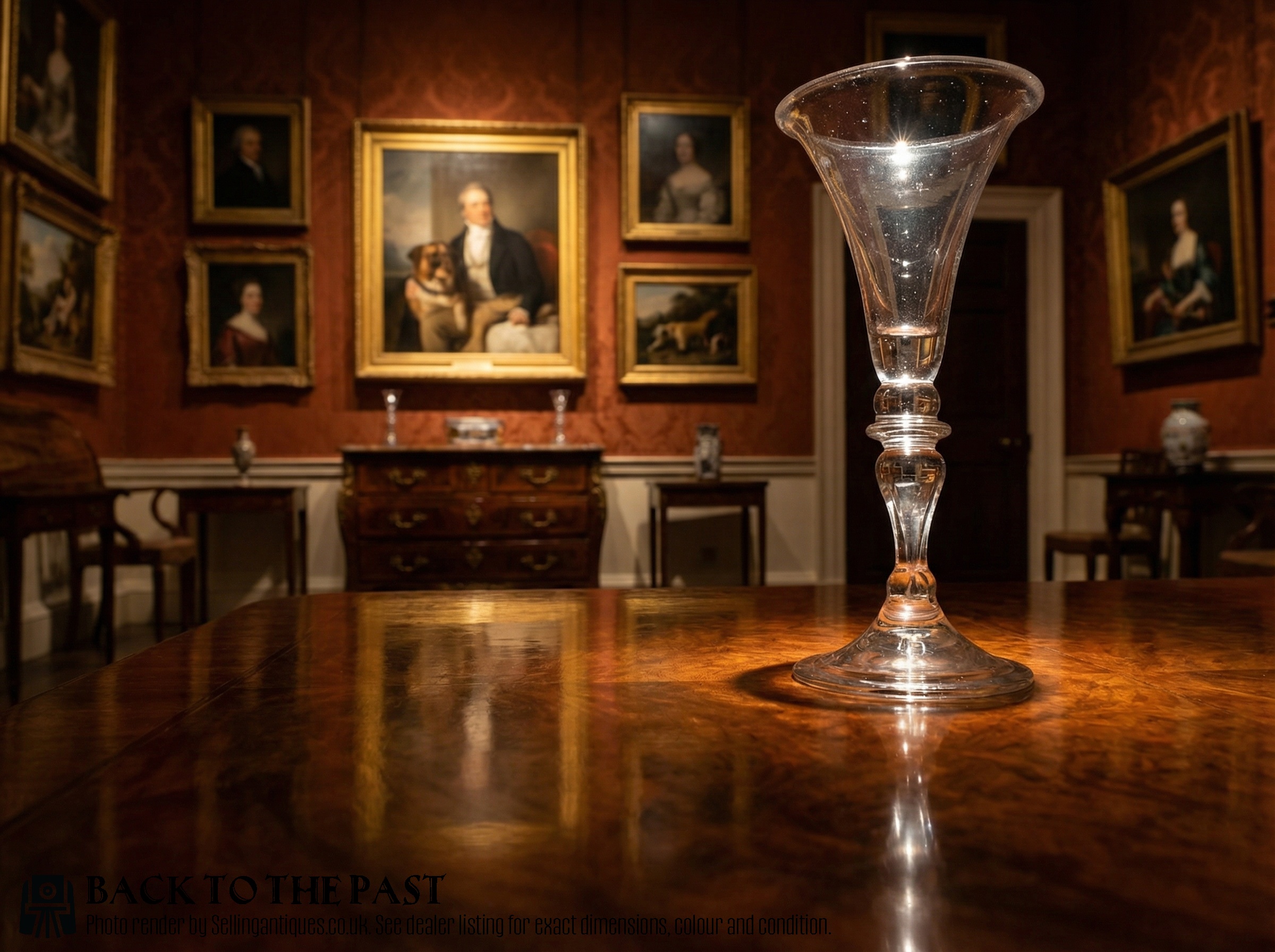
A baluster stem glass represents a distinct chapter of drinking vessels, appearing across the eighteenth century and the Georgian period. These pieces take the form of wine glasses, goblets, dram glasses, champagne glasses, patch stands, and tazzas.
The heavy baluster form dominates the selection, accompanied by lighter baluster and balustroid variations. You will encounter these drinking vessels shaped with characteristic knops along the stem, often dated securely from the early eighteenth century through to roughly the seventeen-sixties.
Materials and manufacture
Makers formed these drinking vessels using lead glass, clear lead glass, flint glass, crystal, and lead crystal. The resulting metal provides the substantial weight and refractive clarity characteristic of the period.
Craftsmen shaped the molten material by hand, incorporating solid knops, air bubbles, and stem variations into the profiles of wine glasses and tazzas before finishing the feet and bowls.
Retail Price Guide 2026
Typical UK retail prices for baluster stem glass, calculated from the Sellingantiques database of over a million retail prices indexed since 2003. This retail price guide relies exclusively on Sellingantiques data; no external sources or auction records are used, so the figures do not describe the wider market.
Every piece recorded here belongs to the eighteenth century or the Georgian period, fashioned in lead glass, crystal, or flint glass.
Assessing quality
Quality reveals itself in the handle and presence of the metal, where heavier lead glass and clear crystal display superior brilliance and heft. The crispness of the knops and the proportion between bowl, stem, and foot dictate the visual success of each goblet.
Early examples with complex annular knops or provenance demonstrate the higher reaches of period production. Lesser pieces settle into simpler balustroid profiles with less substantial weight and simpler optical qualities.
The Baluster Stem Glass Glossary
- Baluster
- A thick, swelling stem form derived from architecture, utilised on eighteenth-century drinking vessels for weight and balance. It forms the defining structural feature of these glasses.
- Knop
- A knob or protuberance on the stem of a glass, sometimes multiple or annular in form. These swellings provide grip and decorative articulation.
- Tazza
- A small, stemmed pedestal plate or dish used for serving small items. Examples from this period share the lead glass and baluster vocabulary of the drinking vessels.
- Flint glass
- An early British term for heavy, high-refractive-index lead glass developed in the seventeenth century. It accounts for the dense, brilliant metal seen in Georgian goblets.
- Balustroid
- A transitional stem style that is lighter and more slender than a true heavy baluster. It retains the swelling profile while using less metal.
Frequently Asked Questions
How were these glasses used?
These vessels served wine, spirits, and champagne at eighteenth-century tables, while related forms like patch stands and tazzas held small personal items or confections.
Their heavy lead metal made them durable for daily dining yet substantial enough to signal status during social gatherings.
How do I tell periods apart?
Early pieces from the opening decades of the eighteenth century tend to feature heavier baluster stems with prominent knops and deep bowls. As the century progressed towards seventeen-sixty, stems grew lighter and more slender, evolving into balustroid forms.
Examining the weight of the lead glass and the complexity of the stem structure helps narrow down the decade of manufacture.
Can I use them for dining?
Many collectors prefer to handle and use eighteenth-century lead glass for special occasions, enjoying the tactile weight of the heavy metal. Hand washing in warm water preserves the antique lead crystal safely.
Careful placement ensures these drinking vessels continue their original function on the modern table.
What is a patch stand?
A patch stand is a small pedestal plate used to hold cosmetic velvet patches popular in the Georgian era. These miniature serving pieces share the same lead glass material and stem characteristics as contemporary wine glasses.
They offer a glimpse into the dressing habits of the eighteenth century alongside the dining table.