
Vintage Wine Glass
A vintage wine glass carries the weight of past tables, offering drinkers a tangible connection to nineteenth-century and twentieth-century craftsmanship.
Vintage Wine Glass
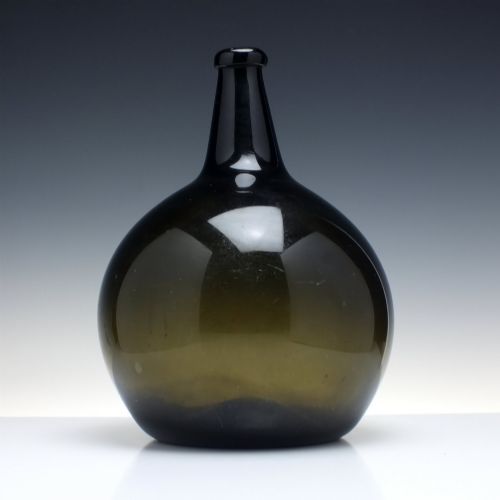
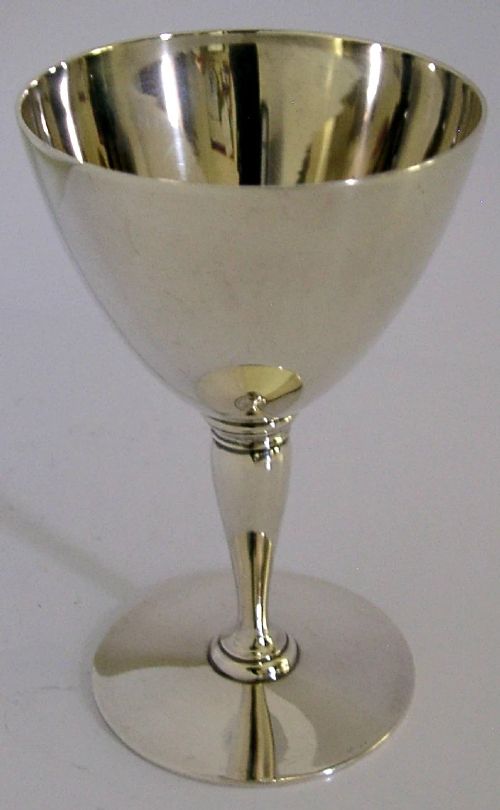
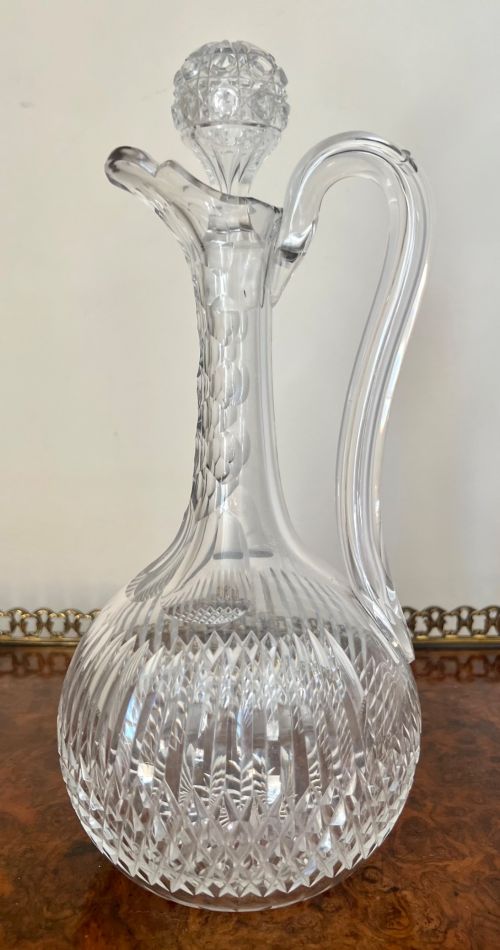
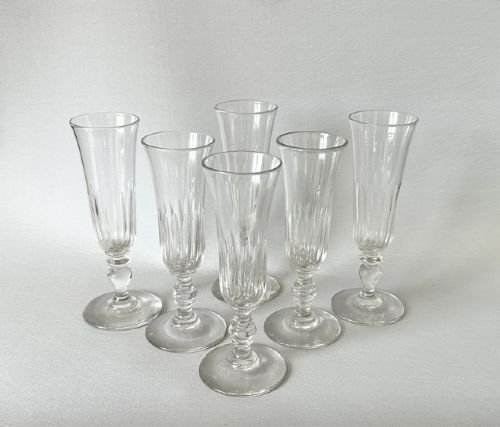
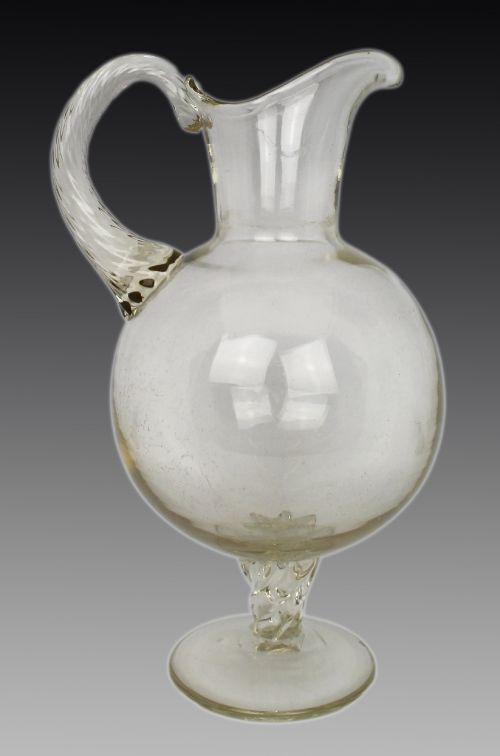
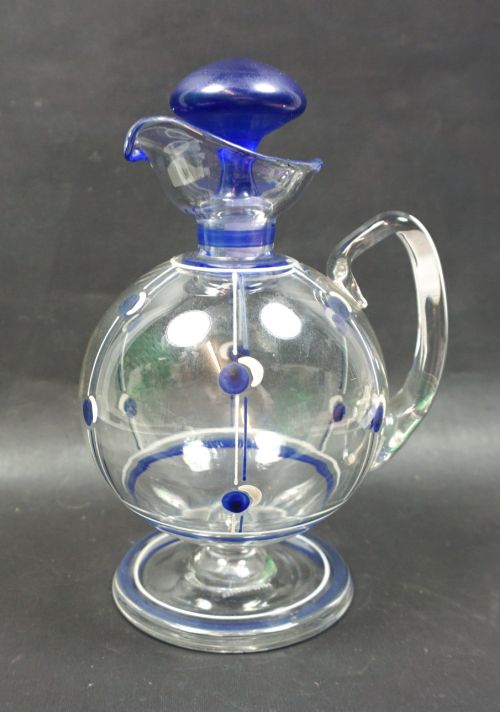
A vintage wine glass search brings together functional drinking vessels and serving pieces spanning the Georgian, Victorian, Edwardian, and Art Deco eras. Buyers find single stems, harlequin sets, and associated vessels like decanters, ewers, and claret jugs in glass, lead crystal, and silver plate.
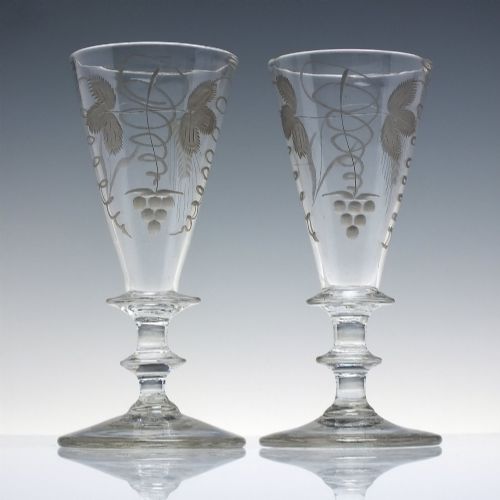
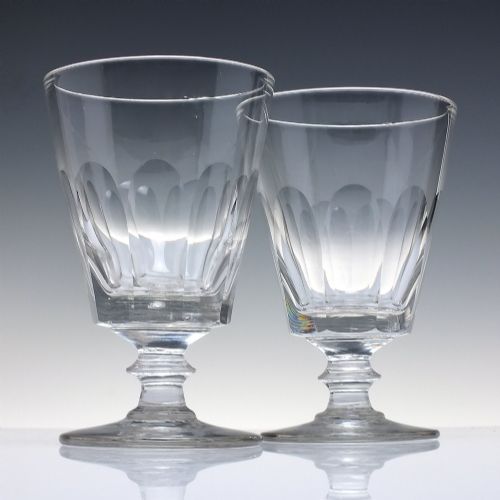
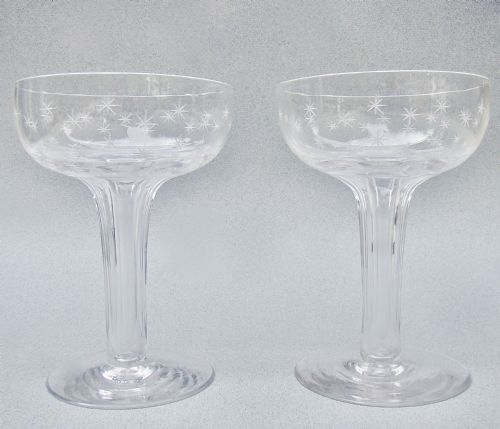
The varieties met most frequently on this page range from heavy nineteenth-century rummers to delicate enamelled hock glasses and geometric 1920s French crystal. Makers utilised traditional hand-blown methods alongside pillar cutting, star-etching, and vibrant colour overlays such as cranberry and Bristol green.
Materials and production methods
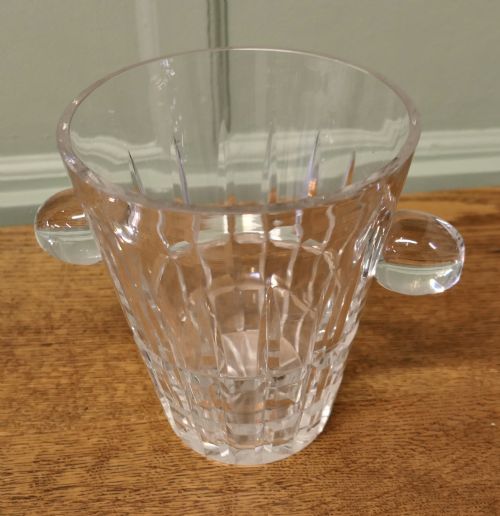
Glassmakers shaped these pieces using free-blowing and mould-blowing techniques, often adding lead oxide to create the heavy, resonant material known as lead crystal or lead glass. Artisans then employed wheel-cutting to carve geometric facets, pillar cuts, and prism patterns deep into the material.
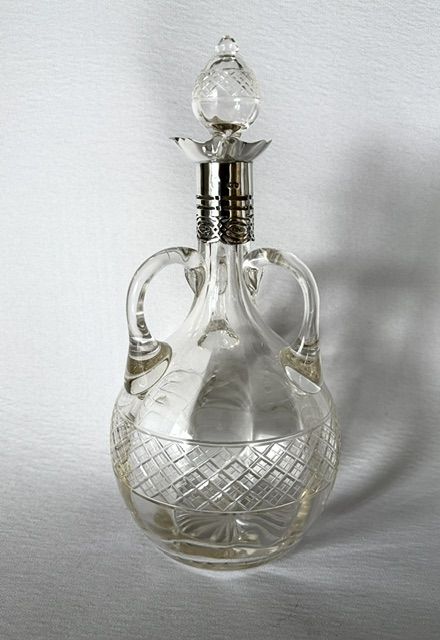
Surface ornamentation involved hand painting, gilding, and enamelling, whilst metalwork additions like silver-plate collars and mounts were fitted securely to rims and handles on jugs and decanters.
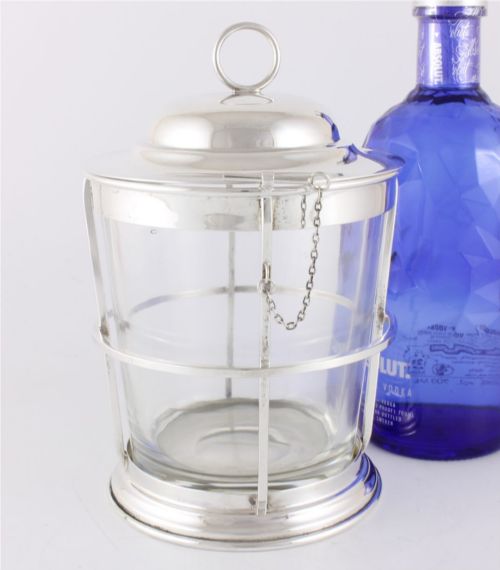
Ship captains clearly valued a steady pour, given the heavy weighted bases found on nautical-style ice buckets and spirit decanters.
Separating ordinary from exceptional examples
Quality rests in the crispness of the wheel-cut facets and the weight and clarity of the crystal itself. Superior pieces show precision in the hand-engraved star-etching or enamel work without blurring at the edges.
The integration of metal mounts, such as silver-plate collars on claret jugs, indicates the maker's original tier of production, where heavier gauge metal and secure fittings elevate the piece.
Tiffany and Co·Baccarat·Theresienthal·Rene Lalique
The Vintage Wine Glass Glossary
- Rummer
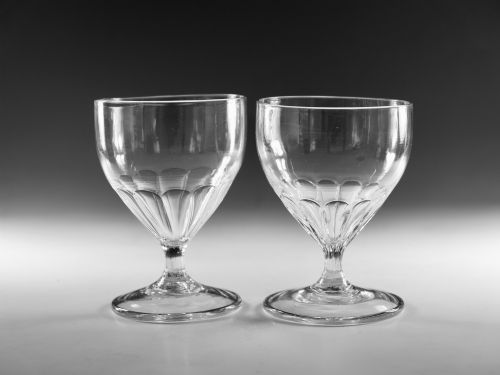
- A heavy, large-bowled drinking glass popular in the eighteenth and nineteenth centuries. These sturdy vessels often sat on a short, faceted stem.
- Hock glass
- A tall-stemmed wine glass traditionally used for German white wines. They frequently feature coloured overlay glass and elaborate enamel decoration.
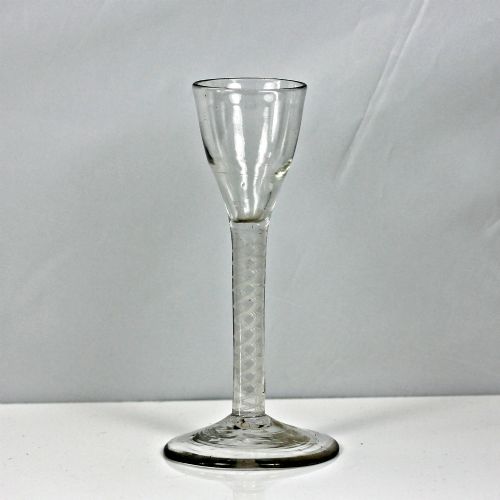
- Opaque twist
- A type of stem found in eighteenth-century glassware created by enclosing white or coloured enamel threads within the clear glass stem.
- Claret jug
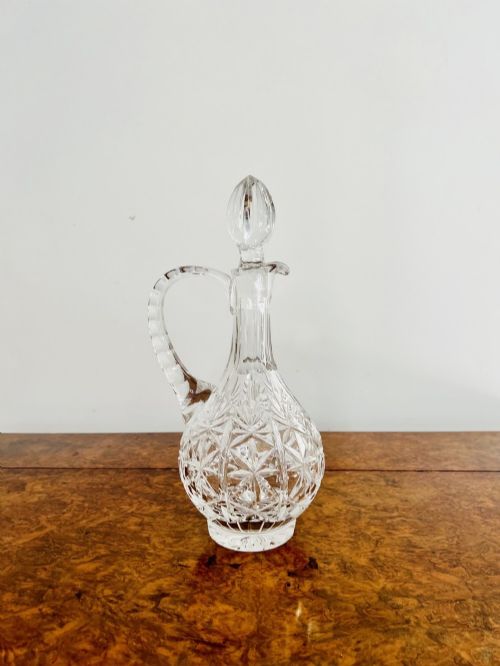
- A pouring vessel designed specifically for red wine, combining a glass body with a handle, spout, and mount in silver plate or sterling silver.
- Overlay crystal
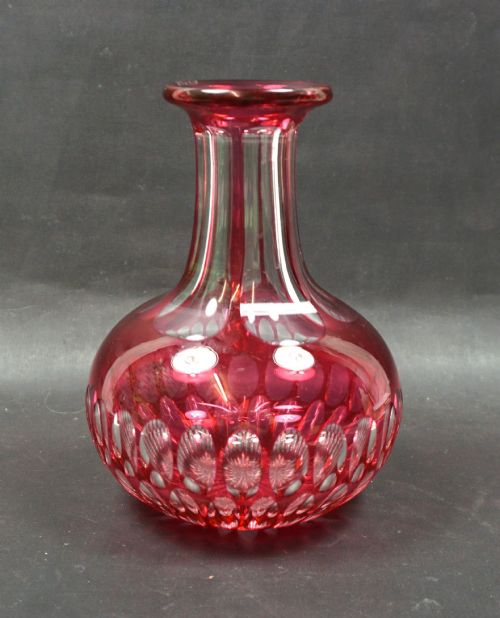
- A technique where a layer of coloured glass is fused over a clear crystal base before being partially cut away to reveal the contrasting layer beneath.
Vintage Wine Glass: Frequently Asked Questions
How do I date an old wine glass?
Dating relies on examining the pontil mark on the base, the composition of the glass, and the cutting style. Earlier pieces often display rough pontil scars and thicker lead glass.
Stylistic cues like opaque twists point to the eighteenth century, while cut crystal and coloured overlays frequent the Victorian and Edwardian decades.
What is a hock glass?
A hock glass is a tall-stemmed vessel historically designed for Germanic white wines. They often showcase vibrant colours like green or cobalt blue.
Victorian and Edwardian examples frequently combine these coloured bowls with intricate floral enamel work or gilt details.
How are matched sets different from harlequin sets?
A matched set consists of identical glasses made as a single batch by the same workshop. They offer uniformity across the dining table.
A harlequin set brings together varied individual glasses of the same period or style, creating a colourful and eclectic table display.