

Georgian Drinking Glass
These georgian drinking glass antique pieces bring the refined weight of eighteenth-century glasscraft straight to your table.
Georgian Drinking Glass
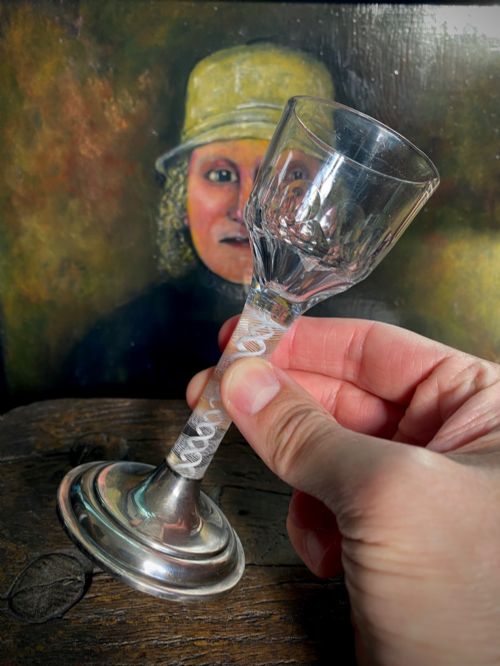
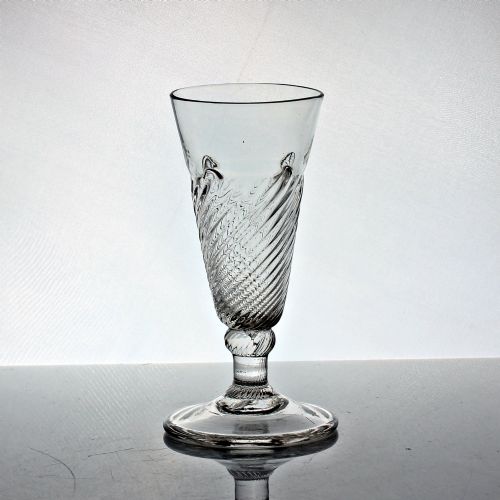
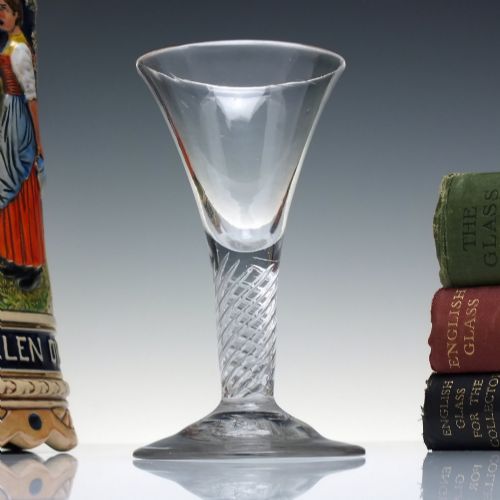
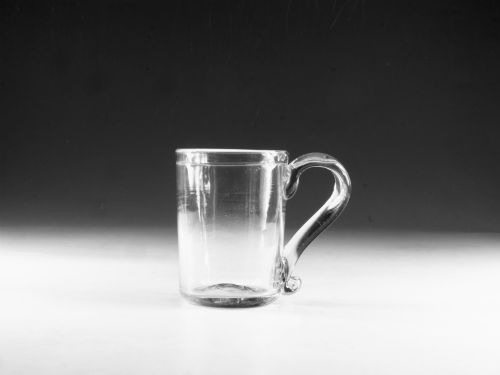
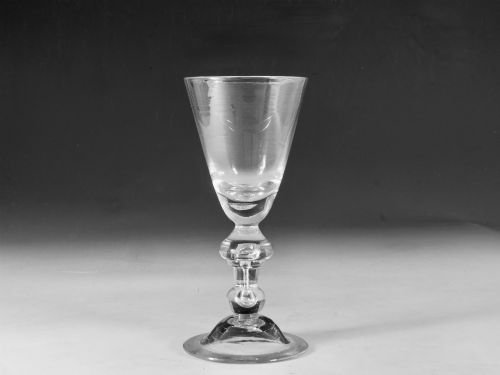
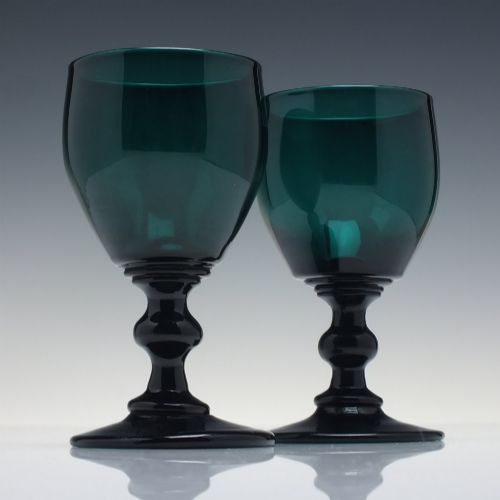
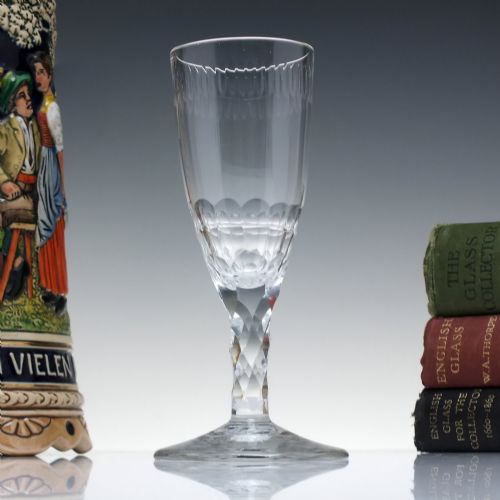
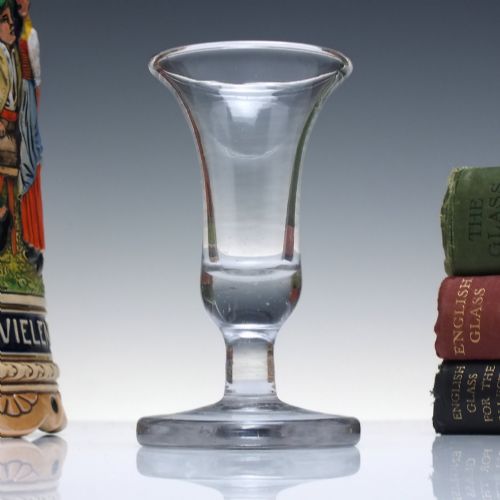
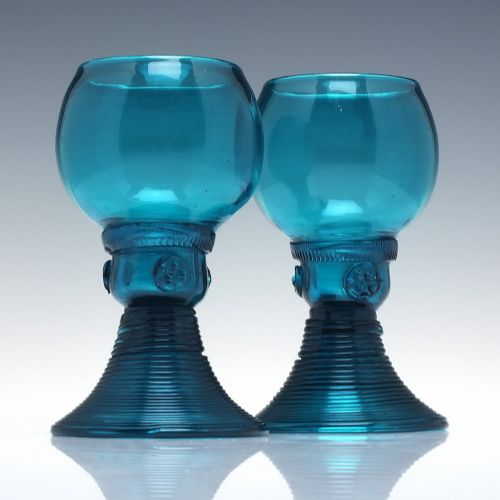
When you search for a georgian drinking glass antique, you encounter vessels produced across the eighteenth century and into the early nineteenth century. These objects include wine glasses, rummers, ale glasses, and dram glasses shaped by Georgian, Regency, and Queen Anne aesthetic traditions. The examples found here span simple utility forms to highly decorated vessels designed for toasts and gatherings.
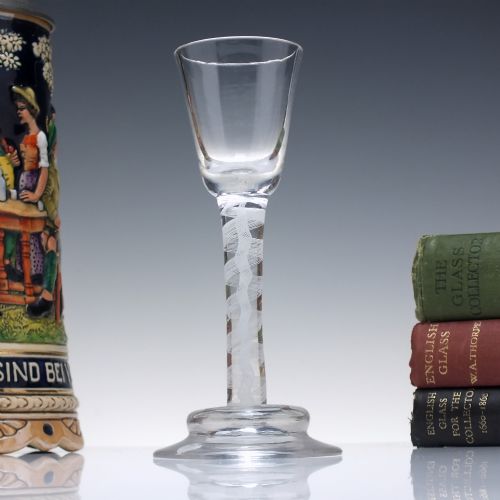
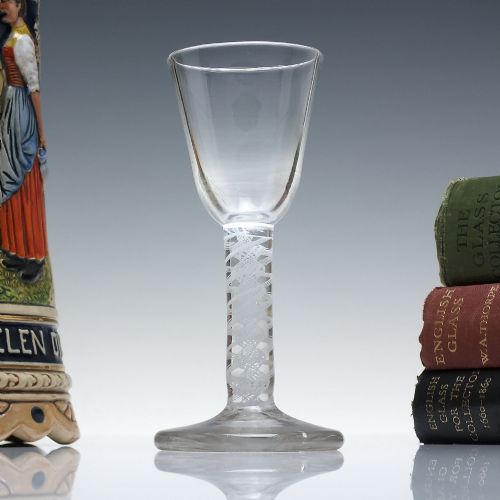
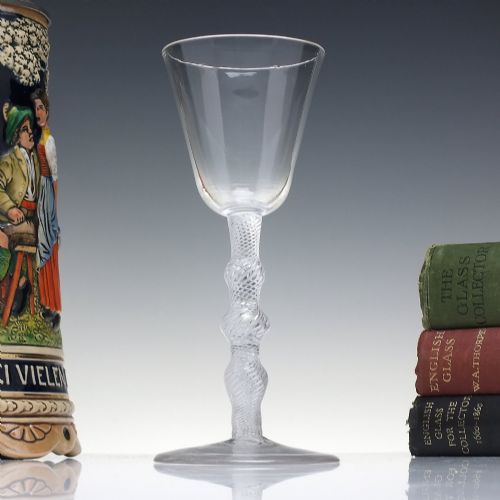
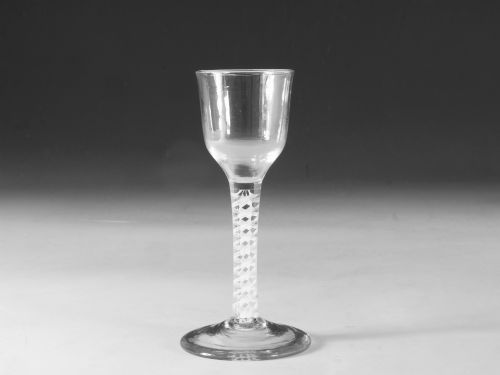
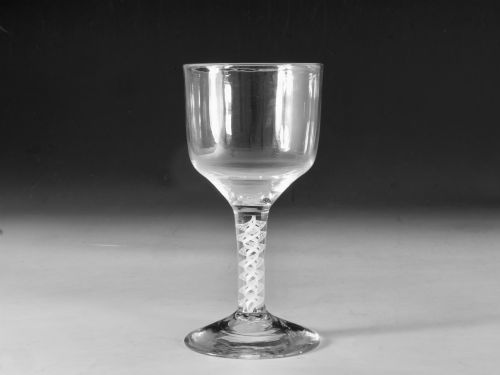
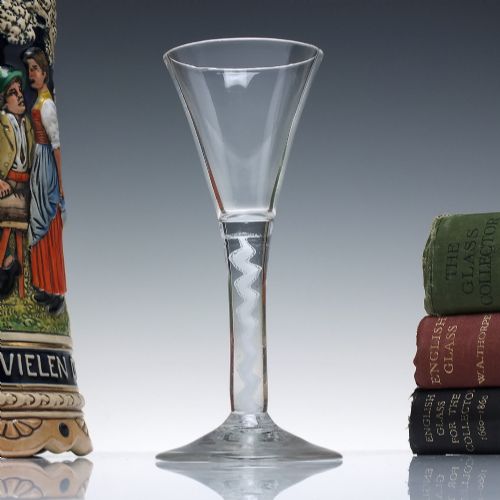
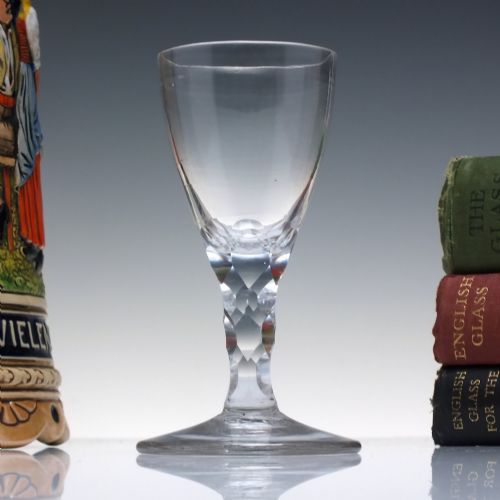
Opaque twist wine glasses and heavier baluster goblets dominate the selection on this page. You will also find facet-cut dram glasses, tankards, and firing glasses featuring folded or helmet feet. Most pieces originate from English workshops operating between seventeen-ten and eighteen-ten.
Materials and construction methods
Glassmakers relied on lead glass, lead crystal, and flint glass to achieve clarity and substantial weight. These formulations allowed craftsmen to draw stems, shape bowls, and form folded or domed feet while the metal remained hot. Enamel and white enamel found use in creating intricate opaque twists within the stems.
Techniques shifted from heavy baluster forms with internal air tears to precise optical moulding and facet cutting as the decades progressed. Artisans applied wheel engraving to depict motifs like hops and barley directly onto the bowls of ale and wine glasses.
Georgian Drinking Glass Retail Price Guide 2026
Typical asking prices for georgian drinking glass among the pieces listed under this phrase on Sellingantiques today, from the lower quarter to the upper quarter. They describe what is for sale here now, not the wider market.
The documented objects span the eighteenth century and the early nineteenth century, including Regency and Queen Anne styles.
Distinctions in craftsmanship and form
The precision of the stem twist and the crispness of facet cutting separate standard items from superior works. Single and double series opaque twists require exact control during the pulling and twisting of the glass rods.
Proportion and form dictate the desirability of a vessel. Well-balanced bell, ogee, or trumpet bowls combined with domed or folded feet reflect superior artistry by the glasshouse.
The Georgian Drinking Glass Glossary
- Opaque twist
- A stem containing white or coloured enamel threads drawn into spiral patterns. This technique gained popularity around the middle of the eighteenth century.
- Baluster
- A heavy, swelling stem form reminiscent of architectural pillars. Early eighteenth-century drinking vessels frequently utilise this sturdy profile.
- Firing glass
- A heavy-footed vessel designed to be banged on a table to produce a sharp sound instead of a toast. These were used in lodges and clubs.
- Rummer
- A large, capacious drinking vessel introduced toward the end of the eighteenth century. They often sit on a short stem with a round foot.
- Air twist
- A stem enclosing elongated bubbles or spirals of air trapped within the clear glass. Craftsmen created these by drawing and twisting heated metal.
Georgian Drinking Glass: Frequently Asked Questions
What is an opaque twist?
An opaque twist is a decorative stem enclosing white or coloured enamel threads shaped into spirals.
Craftsmen produced these by twisting canes of glass before drawing and sealing them inside the stem during manufacture.
What is a firing glass?
A firing glass is a thick-based drinking vessel built to endure heavy impacts.
Members of social clubs and societies banged the sturdy feet onto tables instead of raising traditional toasts.
Were these glasses used daily?
Many of these vessels served drinks at social gatherings, taverns, and formal dining rooms.
Heavier rummers and ale glasses handled everyday toasts, while delicate twist stems were reserved for wine.