


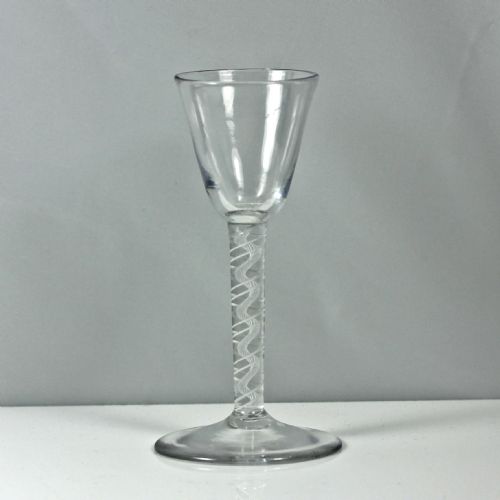


Flint Glass Vessel
A flint glass vessel is a clear, heavy tableware piece prized for its brilliance, and these Georgian and Victorian examples bring distinct historical character to a room.
Flint Glass Vessel
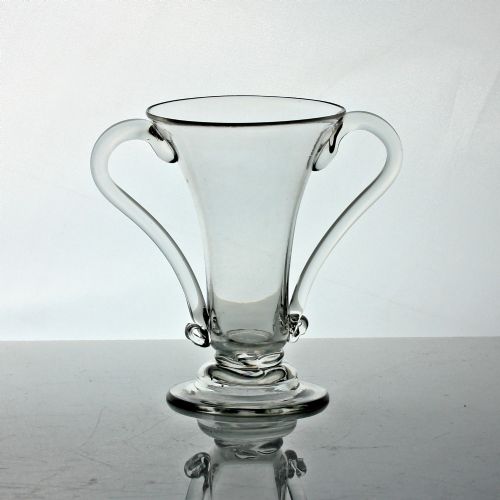
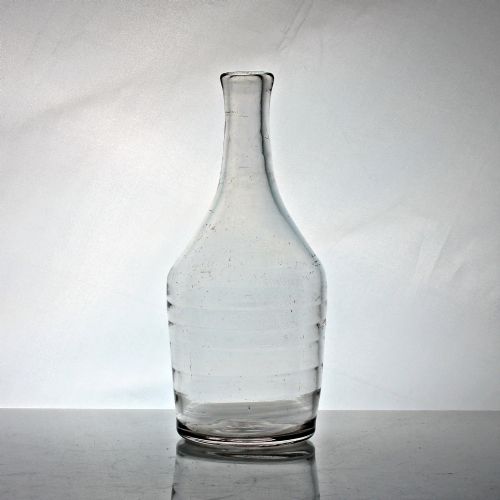
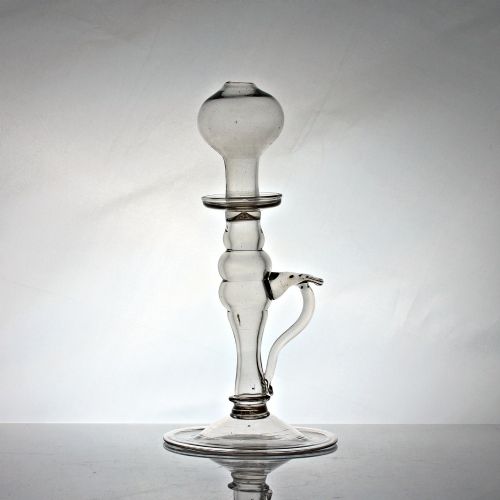
A flint glass vessel encompasses a varied selection of antique glassware, spanning functional drinking vessels and decorative table items. When exploring this selection, a buyer encounters forms ranging from wine glasses and cordial glasses to decanters, bowls, oil lamps and vases.
The objects originate primarily from the eighteenth and nineteenth centuries, covering the Georgian, Regency and early Victorian periods. Examples include ale glasses, rummers, jelly glasses, sweetmeat glasses and tea mixing bowls.
Domestic and tavern drinking vessels dominate the selection, alongside serving carafes and decorative bowls. Most items demonstrate clear glass construction, sometimes featuring cut glass details, enamel decoration or engraved motifs.
How they were made
Makers utilised lead glass, lead crystal and clear flint glass to achieve high refractive brilliance and weight in each vessel. Artisans shaped the molten material by hand, forming distinct bowl profiles, stems and feet.
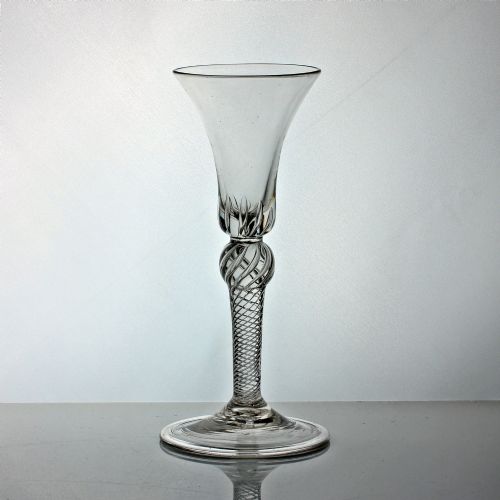
Techniques such as air twist and opaque twist manufacturing created complex internal patterns within the stems of drinking vessels. Craftsmen also applied surface decoration through wheel cutting, facet cutting and delicate engraving.
Individual components like handles and collars were applied while hot to bodies, carafes and lamps. Bases frequently received folded edges or domed profiles for stability and balance.
Listings feature lead glass and clear flint glass across Georgian, Regency and Victorian periods.
What varies in quality
Clarity and purity of the glass material set the foundation for a superior vessel. Heavy metal content and precise composition determine how well the piece captures and reflects light.
Execution of decorative techniques distinguishes finer items from standard productionware. Crisp facet cutting, balanced air or opaque twists, and well-executed wheel engraving indicate skilled workmanship.
Integrity of form and proportion define the overall excellence of the piece. Well-balanced stems, properly struck folded feet and symmetrical bowl shapes demonstrate superior antique manufacturing.
The Flint Glass Vessel Glossary
- Flint glass
- A heavy, clear glass containing lead oxide that increases refractive index and brilliance. This material forms the basis of many fine eighteenth-century drinking vessels.
- Baluster
- A heavy, swelling stem shape found on eighteenth-century drinking glasses, often featuring prominent knops. This form derives from architectural baluster columns.
- Air twist
- An optical effect within a glass stem created by drawing out elongated air bubbles during manufacture. These bubbles form spiral or threaded patterns inside the stem.
- Opaque twist
- A stem decoration formed by enclosing white or coloured enamel glass rods within clear metal and twisting them during pulling. It is characteristic of mid-eighteenth-century English drinking glasses.
- Folded foot
- A base edge turned underneath to create a thickened rim for extra strength and stability. This feature appears frequently on eighteenth-century cordial and wine glasses.
- Ratafia glass
- A tall, narrow eighteenth-century glass designed for serving sweet herbal liqueurs. The slender bowl accommodated modest portions of potent cordials.
Flint Glass Vessel: Frequently Asked Questions
What is a flint glass vessel?
A flint glass vessel is a historical piece made from lead-enriched clear glass, known for its weight and brilliance.
These items include drinking glasses, decanters, bowls and lamps produced during the Georgian and Victorian eras.
How were these glass vessels used historically?
These vessels served functional roles in dining, tavern service and domestic lighting across British households.
They held wine, ale, cordials, tea mixtures and oil for lamps, combining daily utility with decorative display.
How should I care for antique glass?
Antique glass requires gentle hand washing in warm water using mild soap, avoiding sudden temperature changes.
Display these vessels away from direct heat sources and secure them stably on flat surfaces to prevent tipping.